Recovery After an Autoimmune Brain or Nerve Disorder Flare: Timeline and Follow-Up Care
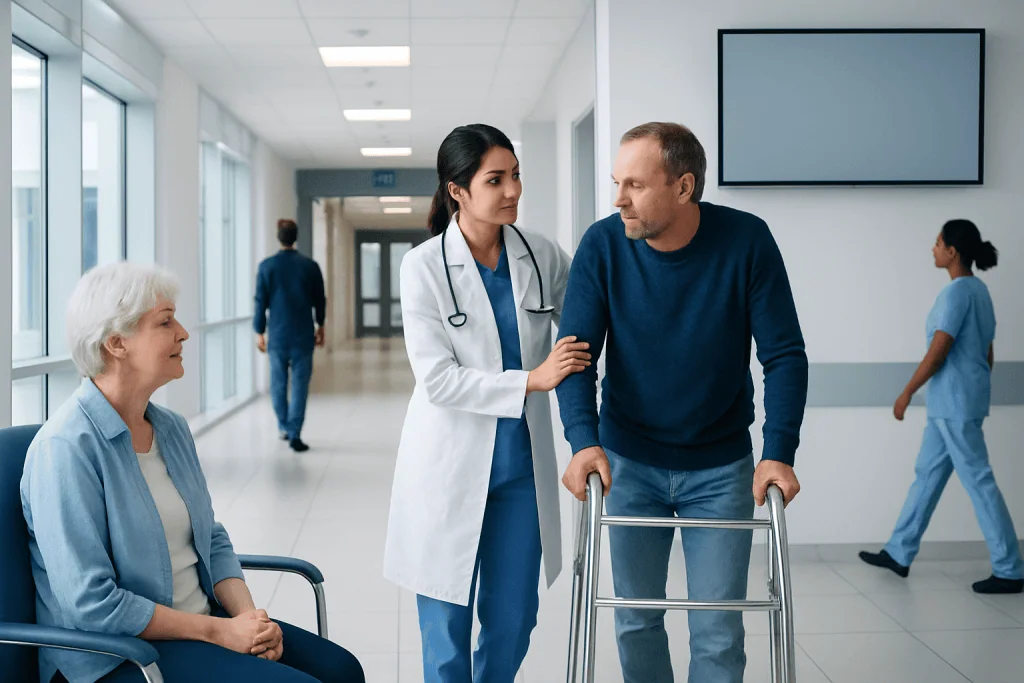
Recovery speed varies widely depending on the diagnosis, flare severity, and how quickly treatment begins. Symptoms may improve in stages, and fatigue, weakness, cognitive changes, or sensory symptoms can last after the acute flare settles.
Key Takeaways
- Recovery speed varies widely depending on the diagnosis, flare severity, and how quickly treatment begins.
- Symptoms may improve in stages, and fatigue, weakness, cognitive changes, or sensory symptoms can last after the acute flare settles.
- Follow-up care usually includes repeat neurological assessment, medication review, rehabilitation, and monitoring for relapse or treatment side effects.
- Rest, pacing, sleep, nutrition, and structured therapy can support recovery at home.
- New or worsening weakness, confusion, seizures, breathing trouble, or swallowing problems need urgent medical attention.
Recovery after a flare of an autoimmune brain or nerve disorder is often gradual rather than immediate. Most people improve over weeks to months with medical treatment, rehabilitation, and careful follow-up tailored to the part of the nervous system affected.
Overview: what recovery after a flare usually looks like
An autoimmune brain or nerve disorder flare happens when the immune system mistakenly attacks part of the nervous system, causing inflammation and a return or worsening of symptoms. Recovery depends on which area is affected, such as the brain, spinal cord, peripheral nerves, or neuromuscular junction. Examples include autoimmune encephalitis, inflammatory neuropathies, myelitis, and related neuroimmunologic conditions.
For many patients, recovery does not happen all at once. The first goal is to stop the inflammatory attack with appropriate treatment. After that, the nervous system needs time to heal and adapt. Some symptoms improve quickly, while others, such as fatigue, memory difficulty, numbness, or weakness, may take longer to settle.
The timeline can range from days to many months. A mild flare treated early may improve relatively quickly, while a severe flare that caused hospitalization, seizures, major weakness, or swallowing and breathing problems can require prolonged recovery and rehabilitation. It is also common for symptoms to improve unevenly, with good days and more difficult days during the healing process.
Regular follow-up care is an important part of recovery. It helps the medical team assess whether inflammation is truly settling, adjust medicines safely, watch for side effects, and identify complications early. It also gives patients and families a clearer roadmap for returning to daily activities, work, school, and exercise.
Common symptoms during recovery
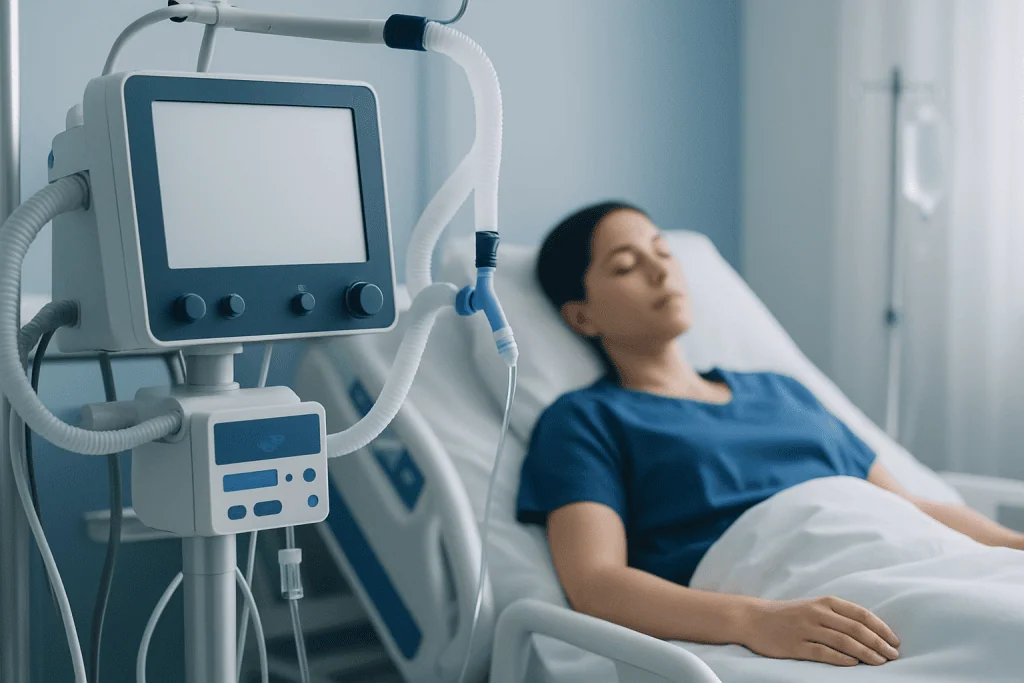
Symptoms during recovery depend on the original flare. After brain inflammation, a person may notice persistent tiredness, slowed thinking, memory problems, mood changes, headaches, or problems with attention and speech. After a flare affecting the spinal cord or peripheral nerves, weakness, balance difficulty, numbness, tingling, pain, bladder symptoms, or reduced coordination may be more prominent.
Some symptoms linger even when the active inflammation is improving. This does not always mean the disease is getting worse. Nerves and brain pathways can take time to recover after an immune attack, and the body may also be affected by hospitalization, reduced mobility, sleep disruption, or side effects of treatments such as steroids.
Patients often describe a pattern of gradual gains rather than a straight line. For example, strength may return before stamina does, or confusion may improve before short-term memory normalizes. Emotional symptoms are also common. Anxiety, frustration, low mood, and fear of another flare can all affect recovery and should be discussed openly with the care team.
- Fatigue and reduced endurance
- Weakness or heaviness in the limbs
- Numbness, tingling, burning, or nerve pain
- Balance, walking, or coordination problems
- Memory, concentration, or speech difficulties
- Visual symptoms, tremor, or bladder and bowel changes in some conditions
Recovery timeline: from the acute phase to longer-term healing

In the first days to weeks after a flare, treatment is focused on controlling immune activity and preventing complications. Depending on the diagnosis, doctors may use corticosteroids, plasma exchange, intravenous immunoglobulin, or longer-term immune therapies. During this phase, progress is often measured by stabilization: symptoms stop worsening, vital functions are supported, and urgent risks are reduced.
Over the next several weeks, many patients begin to see clearer improvement. This may include stronger movement, less confusion, better sensation, improved walking, or fewer painful symptoms. Even so, recovery can still feel slow. Inflammation may be quieter, but the nervous system is still repairing and relearning.
From a few months onward, the focus often shifts to rebuilding function and preventing future flares. Rehabilitation can be especially important during this stage. Some people return to most of their usual activities, while others need longer support for mobility, cognition, speech, or self-care tasks. If a person has a disorder such as multiple sclerosis, the medical team may also review long-term relapse prevention strategies.
There is no single timetable that fits everyone. Factors linked to a longer recovery can include severe initial symptoms, delayed diagnosis, repeated flares, older age, coexisting illness, and damage to critical parts of the nervous system. A neurologist can explain what the likely pattern means for a specific diagnosis, such as autoimmune encephalitis or an inflammatory peripheral nerve disorder.
Diagnosis and follow-up tests after the flare
Follow-up appointments are used to confirm that recovery is moving in the right direction and that no new inflammation is developing. The neurologist typically reviews symptoms, checks strength, sensation, reflexes, coordination, memory, speech, vision, and walking, and compares current function with the period before and during the flare.
Testing after the acute phase depends on the condition. Some patients need repeat blood tests to monitor medication safety or markers of inflammation. Others may need repeat MRI scans, nerve conduction studies, electromyography, spinal fluid review, or electroencephalography if seizures or altered awareness were part of the flare. These tests help distinguish slow healing from ongoing disease activity.
Medicines used to treat autoimmune neurological conditions can also require structured monitoring. Corticosteroids and other immune therapies may affect blood sugar, blood pressure, mood, sleep, bone health, liver function, blood counts, or infection risk. Follow-up allows side effects to be recognized and treated early.
For many patients, care involves more than one specialist. Depending on symptoms, the team may include neurology, rehabilitation medicine, physical and occupational therapy, speech and language therapy, neuropsychology, psychiatry, ophthalmology, urology, or pain specialists. This multidisciplinary approach is often especially helpful after complex conditions such as transverse myelitis or severe encephalitis.
Treatment and rehabilitation during recovery
After the acute flare is controlled, treatment continues with the aim of supporting function and lowering the chance of relapse. Some patients need a tapering course of steroids, while others may move to steroid-sparing immune treatment depending on the diagnosis. Doctors may also prescribe medicines for symptom relief, such as treatments for nerve pain, spasticity, tremor, sleep disturbance, bladder symptoms, or mood changes.
Rehabilitation is a key part of recovery for many autoimmune neurological disorders. Physical therapy can help rebuild strength, balance, endurance, and safe walking. Occupational therapy focuses on daily activities such as dressing, bathing, writing, cooking, or returning to work. Speech and language therapy may support communication, swallowing, and cognitive recovery when these areas were affected.
In some situations, hospital-based or outpatient neurorehabilitation is recommended. Patients with more significant weakness, falls, speech difficulty, swallowing problems, or cognitive changes may benefit from structured neurological rehabilitation. If there are ongoing concerns about diagnosis, disease activity, or relapse prevention, a specialist review in neurology care can help guide the next steps.
Recovery plans are most effective when they are practical and individualized. The right balance between activity and rest matters. Overexertion can temporarily worsen fatigue and symptoms, while too little activity can slow functional recovery. A therapist or physician can help set safe goals and pacing strategies.
Self-care, lifestyle, and preventing another flare
Self-care does not replace medical treatment, but it can make recovery steadier and more manageable. Rest is important, especially early on, yet complete inactivity is usually not ideal unless the doctor advises it. Gradual movement, a regular sleep routine, hydration, and balanced meals support the body during healing.
Energy management is particularly useful. Many patients benefit from pacing daily tasks, planning breaks, and spreading demanding activities across the day or week. Keeping a symptom diary can help identify patterns, such as worsening with poor sleep, stress, heat exposure, or overexertion. This record can also be useful at follow-up appointments.
Preventing another flare depends on the exact condition. For some disorders, long-term immune treatment is recommended. For others, the main focus is monitoring and early recognition of relapse. It is also important to keep up with general health measures, including infection prevention, medication adherence, and routine review of any other chronic conditions.
Mental and emotional recovery deserves attention too. It is common to need support with coping, confidence, and adjustment after a neurological illness. Family education, counseling, support groups, and, when needed, neuropsychological or psychiatric care can all be part of a healthy recovery plan. Near the end of recovery planning, some international patients may choose centers such as Acibadem International, where multidisciplinary specialists in JCI-accredited hospitals diagnose and treat neuroimmunologic conditions.
When to see a doctor urgently
Patients should contact their doctor promptly if symptoms stop improving, become worse, or if new neurological symptoms appear. A return of weakness, new numbness, worsening confusion, severe headache, vision changes, increasing imbalance, or loss of bladder control may suggest a relapse or another medical problem that needs assessment.
Urgent evaluation is especially important for breathing trouble, chest infection symptoms, swallowing difficulty, repeated falls, dehydration, or severe medication side effects. Immune-suppressing treatments can raise infection risk, and infections can sometimes mimic or trigger a flare. Early treatment helps reduce complications.
Emergency care is needed for red-flag symptoms such as seizures, sudden major weakness, inability to walk, severe drowsiness, new facial droop, sudden speech problems, or loss of consciousness. These symptoms are not always caused by the original autoimmune disorder and should not be ignored.
Regular follow-up should continue even when improvement is reassuring. If recovery plateaus, the team may reconsider the diagnosis, repeat testing, adjust treatment, or recommend further therapies such as physical therapy and rehabilitation or more specialized brain imaging and neurological review where appropriate.
Frequently asked questions
How long does recovery after an autoimmune brain or nerve disorder flare usually take?
Recovery often takes weeks to months, but the exact timeline varies with the diagnosis, severity of inflammation, and how quickly treatment began. Some people improve quite steadily, while others recover more slowly and need longer rehabilitation.
Is it normal for symptoms to continue after the flare has been treated?
Yes. Ongoing fatigue, weakness, cognitive slowing, numbness, or nerve pain can persist after active inflammation starts to settle. This can reflect the time needed for the nervous system and the body as a whole to recover, rather than a new flare.
What kind of follow-up care is usually needed?
Follow-up often includes neurological examinations, medication review, blood tests, and sometimes repeat MRI scans or nerve studies. Many patients also benefit from physical, occupational, speech, or cognitive rehabilitation depending on which functions were affected.
Can a flare happen again after recovery?
Some autoimmune neurological disorders can relapse, while others may be more limited to a single episode. The risk depends on the specific diagnosis, which is why ongoing monitoring and a personalized treatment plan are important.
When should someone seek urgent help during recovery?
Urgent medical attention is needed for new seizures, major weakness, confusion, breathing difficulty, swallowing problems, or a sudden sharp decline in walking or speech. Any rapid worsening should be evaluated promptly rather than waiting for the next appointment.
Can exercise help during recovery?
Gentle, structured exercise is often helpful when guided by a doctor or therapist. The aim is to rebuild strength, balance, and endurance without pushing past the body's limits, since overexertion can temporarily worsen symptoms in some people.
References
- National Institute of Neurological Disorders and Stroke
- National Institute for Health and Care Excellence
- American Academy of Neurology
- Mayo Clinic
- Cleveland Clinic
This article is for general information only and is not a substitute for professional medical advice. Please consult a qualified doctor about your individual situation.
Joint and spine care in Turkey — expert assessment & treatment
JCI-accredited · board-certified surgeons · reply within 24h
Add us as a Preferred Source to see more of our trusted health content across Google Search, AI Overviews and Discover.

More from the Health Library


Related Specialists

Fzt. Gülşen Küçükdemirbaş
Physical Medicine & Rehabilitation
Dr. Caner İşkorur
Emergency Service
Fzt. Ecem Yurdadoğan
Physical Medicine & Rehabilitation
Assoc. Prof. Dr. Mustafa Özbayrak
Radiology