Recovery Milestones After Minimally Invasive Coronary Bypass Surgery

Most patients begin walking and breathing exercises within the first day after surgery. Pain, fatigue, and sleep changes are common early in recovery and usually improve gradually.
Key Takeaways
- Most patients begin walking and breathing exercises within the first day after surgery.
- Pain, fatigue, and sleep changes are common early in recovery and usually improve gradually.
- Return to work, driving, and exercise depends on healing, overall health, and the surgeon’s advice.
- Cardiac rehabilitation can support safer recovery and long-term heart health.
- Patients should seek medical care promptly for chest pain, fever, wound problems, or worsening shortness of breath.
Recovery after minimally invasive coronary bypass surgery often progresses step by step, with early movement, careful wound care, and a gradual return to normal routines. Knowing common milestones can help patients and families feel more prepared, while also recognizing when medical advice is needed.
Overview of Recovery After Minimally Invasive Coronary Bypass Surgery
Minimally invasive coronary bypass surgery is a heart procedure used to improve blood flow to the heart muscle without the traditional full sternotomy used in standard open-heart bypass operations. Depending on the exact technique, the surgeon may work through a small incision between the ribs, often with specialized instruments. Because the breastbone is not divided in many of these procedures, recovery can be different from traditional coronary artery bypass surgery, with less chest wall trauma and, for some patients, a faster return to everyday movement.
Even so, this is still major heart surgery. Recovery is not instant, and the body needs time to heal internally as well as externally. Patients may feel encouraged by the smaller incision, but it is still important to pace activity, follow instructions closely, and attend all follow-up visits. Recovery milestones can vary based on age, overall health, heart function, the number of bypasses performed, and whether the patient had other medical conditions such as diabetes or lung disease.
Many people find it helpful to think of recovery in stages rather than expecting the same progress every day. The first stage focuses on hospital recovery and safe movement. The next stage involves healing at home, rebuilding stamina, and adjusting to medications. Over time, attention shifts to longer-term heart health, including exercise, nutrition, smoking cessation, and management of blood pressure, cholesterol, and diabetes.
Common Recovery Milestones in the First Days and Weeks
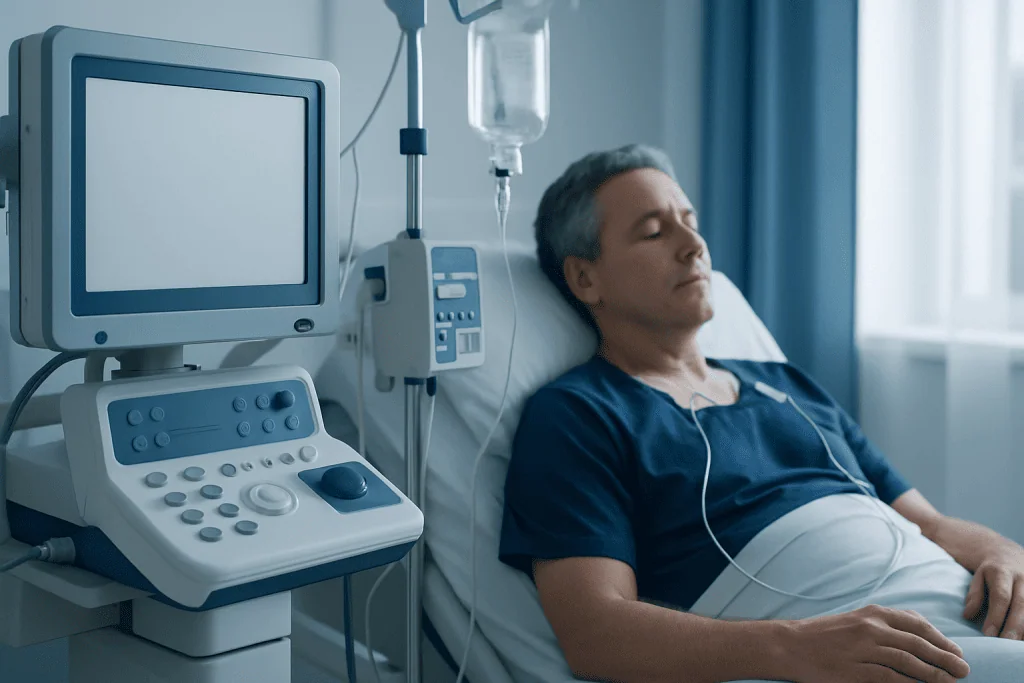
In the first 24 to 48 hours after surgery, common milestones include waking up fully from anesthesia, having breathing support removed if needed, sitting up, and starting gentle walking with assistance. Nurses and physiotherapists usually encourage deep breathing exercises, coughing support, and leg movement to lower the risk of pneumonia and blood clots. Tubes and monitoring lines are typically removed step by step as the patient stabilizes.
During the first week, the focus is often on pain control, increasing walking distance, resuming light eating, and learning how to care for the incision. Many patients notice tiredness, reduced appetite, mild swelling, and interrupted sleep. These symptoms are common after heart surgery and usually improve over time. Some people are ready to go home within several days, while others need a longer stay depending on their recovery and medical needs.
Over the first 2 to 6 weeks at home, milestones may include walking more comfortably, climbing stairs more easily, using fewer pain medicines, and feeling more independent with bathing, dressing, and light household tasks. Energy often returns gradually rather than all at once. Improvement is not always linear, and some days may feel easier than others. If recovery is progressing smoothly, the care team may discuss cardiac rehabilitation as part of the next phase.
- Day 1 to 2: sitting up, breathing exercises, short walks
- First week: pain management, wound checks, increasing mobility
- Weeks 2 to 6: better stamina, more independence, routine follow-up
- After 6 weeks and beyond: structured exercise, stronger endurance, long-term prevention
What Symptoms Are Normal During Recovery

It is common to have soreness around the incision, especially with movement, coughing, or deep breathing. If a rib-spreading approach was used, patients may feel discomfort on one side of the chest for some time. Mild numbness, itching, bruising, or a pulling sensation around the incision can also happen as tissues heal. Pain should generally become more manageable week by week, even if it does not disappear immediately.
Fatigue is one of the most frequent recovery symptoms after heart surgery. The body uses energy to heal, and the effects of anesthesia, reduced activity, sleep disruption, and changes in routine can all contribute. Some people also notice mood changes, poor concentration, or sleep difficulties during early recovery. These experiences can be frustrating, but they are not unusual and often improve with time, support, and gradual return to normal structure.
Shortness of breath with exertion may occur at first, especially while stamina is rebuilding, but it should improve steadily. Appetite may be reduced for a short period. Constipation can occur due to pain medication, lower physical activity, and changes in diet. Patients should tell their doctor if symptoms feel severe, worsen rather than improve, or interfere significantly with daily recovery.
Factors That Can Affect the Recovery Timeline
Not all patients recover at the same speed. A younger person without major medical problems may regain strength more quickly than someone with advanced heart disease, lung disease, kidney disease, or diabetes. Pre-surgery fitness, nutrition status, and smoking history can also influence healing. In addition, recovery may take longer if the surgery was more complex than expected or if complications developed during the hospital stay.
The exact type of minimally invasive procedure matters as well. Some patients have a single-vessel minimally invasive direct coronary artery bypass, while others may have more complex revascularization. In selected cases, bypass surgery may be part of a broader treatment plan for coronary artery disease. People who had a previous heart procedure, irregular heartbeat, or fluid around the lungs may need closer monitoring and a more individualized plan.
Lifestyle factors after discharge also make a difference. Following instructions about walking, breathing exercises, diet, medication use, and wound care can support recovery. Missing medicines, returning too quickly to demanding physical activity, or continuing to smoke may slow progress and raise the risk of complications. Recovery is often smoother when patients have family support and clear communication with their healthcare team.
Follow-Up Care, Rehabilitation, and Returning to Daily Activities
Follow-up appointments are an important milestone after minimally invasive coronary bypass surgery. At these visits, the team checks the incision, heart rhythm, blood pressure, symptoms, and overall progress. Medications may be adjusted, especially those related to blood pressure, cholesterol, heart rhythm, or blood thinning. Patients should bring questions about pain, sleep, exercise, and when they can resume work, travel, or sexual activity.
Cardiac rehabilitation is often recommended because it combines supervised exercise, education, and support for long-term heart health. This can be especially helpful for rebuilding confidence after surgery. A rehabilitation program may also address risk factors that contribute to future heart problems, including high cholesterol, obesity, stress, inactivity, and smoking. For some patients, rehabilitation follows a broader plan of coronary artery bypass surgery recovery and prevention.
Return to daily activities should be gradual. Light walking is usually encouraged early, but lifting, strenuous housework, gym exercise, and driving may need to wait until the surgeon says it is safe. Many patients can perform simple daily tasks within a couple of weeks, but more demanding routines may take longer. Those with office-based work may return sooner than people with physically demanding jobs. The safest timeline is the one given by the treating team, based on healing and heart function.
Self-Care at Home: Practical Tips for a Smoother Recovery
At home, recovery often improves when patients keep a simple daily routine. This may include taking medicines exactly as prescribed, walking a little more each day, doing breathing exercises, eating regular balanced meals, and resting when tired. Patients should avoid trying to “push through” exhaustion. Short, frequent periods of activity are often more manageable than a single long effort in the early weeks.
Incision care should follow the hospital’s instructions. In general, patients are advised to keep the wound clean and dry, avoid applying creams or powders unless told to do so, and watch for signs of infection such as increasing redness, warmth, drainage, or bad odor. It is also important to monitor weight if the care team recommends it, since sudden weight gain can sometimes be a sign of fluid retention. A heart-healthy eating plan may support both healing and long-term prevention, especially for those living with atherosclerosis.
Helpful self-care habits often include:
- Taking short walks every day and increasing distance gradually
- Using a pillow for comfort when coughing, if advised
- Drinking enough fluids unless fluid restriction has been prescribed
- Eating fiber-rich foods to help prevent constipation
- Avoiding smoking and limiting alcohol if the doctor recommends this
- Keeping a written list of symptoms, blood pressure readings, or questions for follow-up visits
Near the end of recovery planning, some patients seek care across coordinated centers with cardiac surgery, cardiology, imaging, and rehabilitation in one place. Acibadem International’s multidisciplinary specialists and JCI-accredited hospitals diagnose and treat heart conditions for international patients, including those who may need evaluation for minimally invasive heart surgery.
When to Contact a Doctor During Recovery
Most recovery symptoms improve gradually, but some warning signs need prompt medical advice. Patients should contact their doctor if they develop fever, worsening incision redness, increasing drainage, severe or uncontrolled pain, or shortness of breath that is getting worse instead of better. New swelling in the legs, sudden weight gain, or palpitations may also need attention, especially in people with known heart rhythm issues.
Urgent evaluation is important for chest pain that feels new, intense, or different from expected surgical soreness. Fainting, confusion, bluish lips, severe difficulty breathing, or signs of stroke such as facial droop, arm weakness, or trouble speaking should be treated as emergencies. It is better to ask early than to wait if something does not feel right.
Patients and families often feel more confident when they know which symptoms are expected and which are not. A written discharge plan, emergency contact information, and a list of medicines can make the transition home easier. Recovery after heart surgery is a process, but with appropriate follow-up and self-care, many patients steadily regain strength and return to meaningful daily activities.
Frequently asked questions
How long does recovery after minimally invasive coronary bypass surgery usually take?
Recovery time varies, but many patients notice clear improvement over the first several weeks. Some daily activities return fairly quickly, while full recovery and stamina rebuilding may take longer depending on overall health, age, and the complexity of surgery.
Is recovery easier than with traditional open-heart bypass surgery?
For some patients, recovery may be quicker or more comfortable because the incision is smaller and the breastbone may not be divided. However, it is still major heart surgery, so rest, monitoring, and follow-up care remain very important.
When can a patient drive after minimally invasive bypass surgery?
Driving should only resume when the surgeon says it is safe. The timing depends on pain control, reaction time, overall strength, and whether the patient is taking medicines that can affect alertness.
What kind of exercise is safe during recovery?
Walking is commonly recommended early because it helps improve circulation and rebuild endurance. More strenuous exercise should wait until the care team approves it, and many patients benefit from a supervised cardiac rehabilitation program.
Are pain and tiredness normal after this surgery?
Yes. Mild to moderate discomfort around the incision and significant fatigue are common in the early recovery period. These symptoms usually improve gradually, but severe or worsening symptoms should be discussed with a doctor.
What are signs that recovery may not be going as expected?
Warning signs include fever, wound drainage, increasing redness, worsening shortness of breath, strong palpitations, or chest pain that seems unusual. Sudden neurological symptoms or severe breathing difficulty require urgent medical attention.
References
- American Heart Association
- National Heart, Lung, and Blood Institute
- Society of Thoracic Surgeons
- European Society of Cardiology
- MedlinePlus
This article is for general information only and is not a substitute for professional medical advice. Please consult a qualified doctor about your individual situation.
Minimally Invasive in Turkey — costs, top hospitals & a free quote
JCI-accredited · board-certified surgeons · reply within 24h
Add us as a Preferred Source to see more of our trusted health content across Google Search, AI Overviews and Discover.
Check your numbers in seconds
BMI, calories, due date, blood pressure and 30+ more clinical calculators — free, instant, doctor-reviewed ranges.

Robotic Surgery
Robot-assisted procedures across urology, gynecology and general surgery for greater precision and faster recovery.