Recovery Timeline After Rehab: What Happens Week by Week
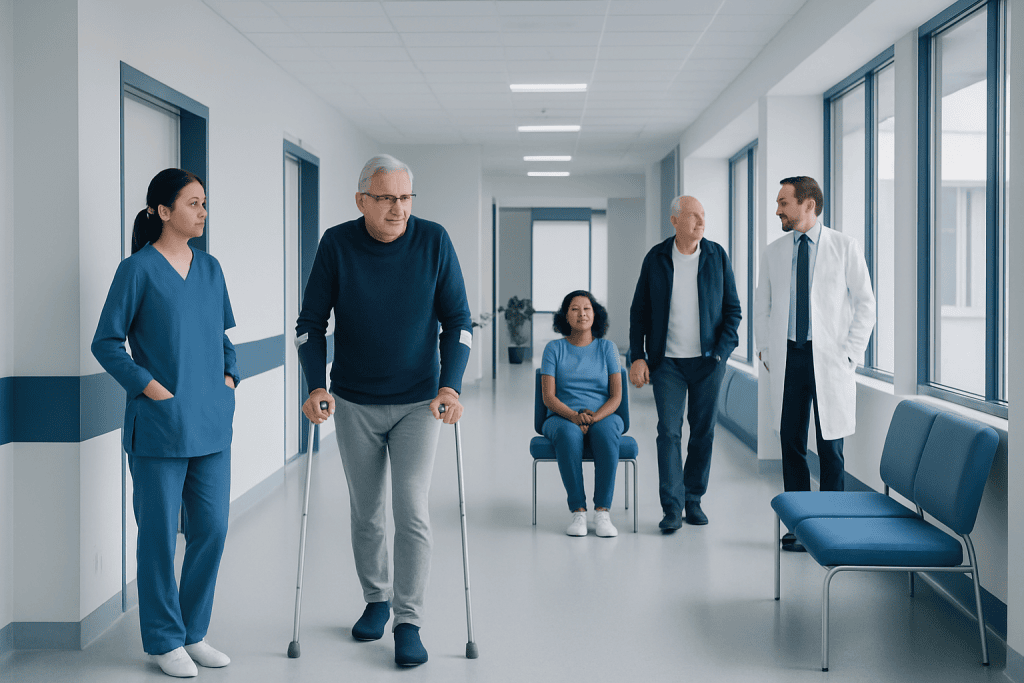
Recovery after rehab is gradual and depends on the condition, treatment, age, and overall health. The first weeks usually focus on pain control, safe movement, and rebuilding confidence.
Key Takeaways
- Recovery after rehab is gradual and depends on the condition, treatment, age, and overall health.
- The first weeks usually focus on pain control, safe movement, and rebuilding confidence.
- Progress is rarely perfectly linear; temporary setbacks and fatigue can be part of recovery.
- Following the rehabilitation plan, staying active within limits, and attending follow-up visits can support better outcomes.
- Medical review is important if pain worsens, new symptoms appear, or function suddenly declines.
The recovery timeline after rehab is different for every person, but most follow a gradual path of healing, strength-building, and return to daily activities. Knowing what may happen week by week can help set realistic expectations and support a safer, steadier recovery.
Overview: What recovery after rehab usually looks like
The phrase recovery timeline after rehab can mean different things depending on why rehabilitation was needed. Some people attend rehab after surgery, an injury, a stroke, a heart event, or a period of serious illness. Others need rehabilitation to regain mobility, speech, balance, breathing capacity, or independence in daily life. Although the details vary, recovery is usually a structured process with short-term goals, regular reassessment, and gradual return to activity.
In general, the earliest phase focuses on healing and safety. As the body becomes stronger, rehabilitation shifts toward restoring movement, endurance, coordination, and confidence. Over time, many people move from supervised therapy to home exercises and self-management strategies. This progression is often measured in weeks, but some conditions improve faster while others require months of work.
It is important to remember that progress is not always perfectly steady. A person may feel stronger one week and more tired the next, especially after increasing activity. This does not always mean recovery is failing. In many cases, mild fluctuations are part of adaptation as muscles, joints, nerves, lungs, or the cardiovascular system respond to training and healing.
Realistic expectations can make recovery less stressful. Rehabilitation is not only about the affected body part or organ system. It also includes sleep, nutrition, emotional well-being, medication adherence, pain management, and learning how to pace activity. A supportive care team can help a person understand what is normal for their stage of recovery and when a symptom needs medical attention.
Week 1: Early healing, protection, and adjustment
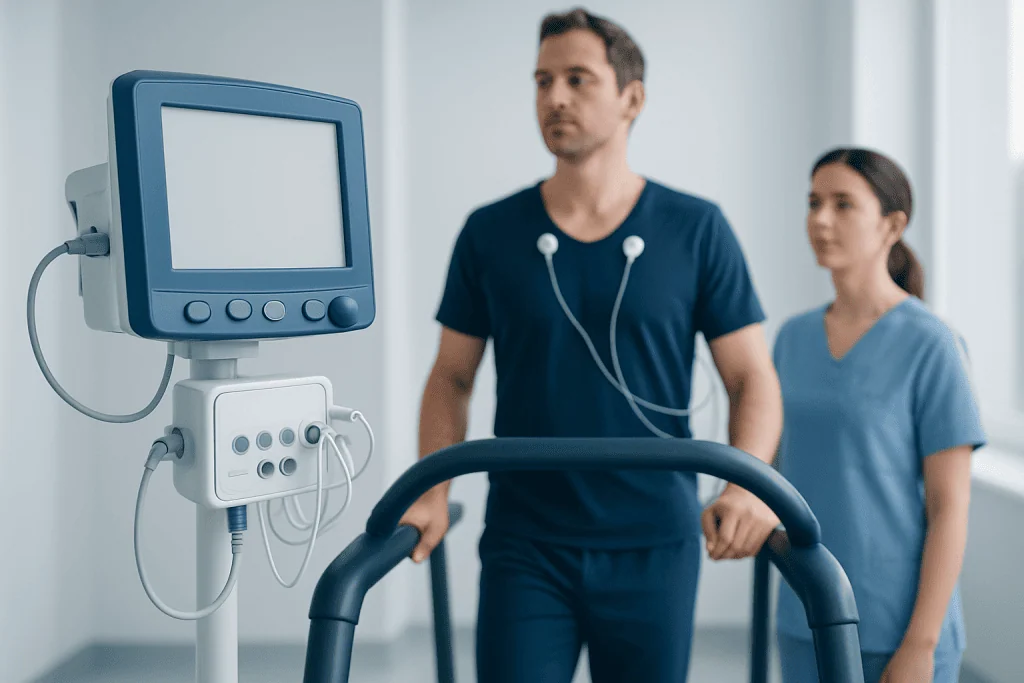
The first week after rehab starts or after discharge from an inpatient rehabilitation program is often about stabilization. The main goals are usually to protect healing tissues, manage pain, prevent complications, and begin very basic movements or exercises. Depending on the condition, this may include walking short distances, breathing exercises, gentle stretching, or practicing transfers such as getting in and out of bed safely.
During this period, fatigue is common. The body is using energy to heal, and even small tasks may feel demanding. Some people also notice stiffness, swelling, weakness, or reduced confidence with movement. This can be frustrating, but these early limitations are often expected. The care team usually provides clear instructions on medications, wound care if relevant, safe activity levels, and warning signs to watch for.
Emotional adjustment is also part of the first week. A person may feel relieved to be recovering but also anxious, discouraged, or dependent on others. Family support and simple routines can help. It can be useful to keep a record of pain levels, energy, sleep, and mobility to notice gradual improvements that may otherwise be easy to miss.
- Priority goals: safety, symptom control, and gentle movement
- Common experiences: tiredness, discomfort, stiffness, and reduced endurance
- Helpful strategies: rest periods, hydration, prescribed exercises, and follow-up communication with the care team
Weeks 2 to 4: Building routine, mobility, and confidence

By the second to fourth week, many people begin to settle into a rehabilitation routine. Pain and swelling may start to decrease, although they can still appear after activity. Basic function often improves during this period. A person may walk farther, need less support with daily tasks, or tolerate longer therapy sessions. For some, this is the stage when exercises become more structured and specific to their goals.
Therapy during these weeks may include strength training, balance exercises, gait work, breathing practice, occupational therapy tasks, or speech and cognitive exercises, depending on the reason for rehab. The aim is usually to restore function step by step without overloading the body. It is common to work on simple but meaningful targets, such as climbing a few stairs, dressing more independently, preparing meals, or improving hand coordination.
People often feel encouraged when they notice progress, but this is also a time when overdoing activity can happen. Feeling better may lead someone to increase activity too quickly, causing more pain or fatigue. Pacing remains important. Regular sleep, balanced meals, hydration, and taking medications as prescribed can support recovery just as much as the exercises themselves.
For some individuals, clinicians may recommend additional evaluation or treatment planning if recovery is slower than expected. This can happen after orthopedic surgery, neurological illness, or complex medical conditions. In appropriate cases, physical therapy and rehabilitation may be adjusted to match changing goals and ability.
Weeks 5 to 8: Strength, stamina, and return to daily activities
Between weeks five and eight, recovery often becomes more active. The body may tolerate a greater range of exercises, longer walking distances, and more demanding daily tasks. People may start working on endurance, flexibility, posture, coordination, and task-specific skills. For example, someone recovering from surgery may focus on regaining strength and mobility, while a person recovering from neurological illness may work more on balance, fine motor skills, or speech fluency.
At this stage, many people begin to reconnect with parts of normal life. They may resume light household activities, social outings, office work, or hobbies, depending on medical advice. Even so, recovery is still ongoing. It is common to feel stronger overall but still become tired after a busy day. Muscles may remain weak, and concentration can fluctuate in people recovering from major illness or brain-related conditions.
Rehabilitation professionals often reassess progress during this phase. They may increase exercise intensity, modify assistive devices, or update home programs. If goals are not being met as expected, the team may look for factors such as pain, poor sleep, low mood, nutrition issues, or an undiagnosed complication. In some cases, a broader review can help identify related conditions such as stroke effects or ongoing mobility limitations after orthopedic treatment.
This is also the time when motivation matters. Progress may be less dramatic than in the first month, so consistency becomes more important than speed. Small improvements in stamina, balance, or independence can add up to meaningful gains over time.
After 2 months: Long-term recovery and continued improvement
After the first two months, many people continue to improve, but the pace may become slower and more gradual. Long-term recovery can involve refining strength, flexibility, coordination, and confidence. For some conditions, especially those affecting the nervous system, heart, lungs, or major joints, improvement may continue for many months with steady practice and follow-up care.
The long-term phase often focuses on returning to work, exercise, travel, sports, and full independence in daily life. Some people transition to community-based exercise or maintenance programs, while others continue supervised sessions if they still have specific limitations. It is also common to shift attention toward preventing reinjury, improving posture and movement patterns, and learning how to manage chronic symptoms if they remain.
Not everyone returns to their previous level of function at the same speed, and some may have lasting changes. This does not mean rehabilitation has failed. In many cases, success means reaching the best possible function, reducing symptoms, and improving quality of life. Ongoing care can be especially important after complex conditions such as Parkinson’s disease or major musculoskeletal problems that benefit from coordinated aftercare.
Near this stage, some people seek specialist follow-up to review persistent weakness, pain, or limited mobility. Acibadem International’s multidisciplinary specialists in JCI-accredited hospitals diagnose and treat recovery-related concerns for international patients when continued evaluation is needed.
What can affect the recovery timeline after rehab?
There is no single schedule that fits everyone. The recovery timeline after rehab depends on the original condition, its severity, whether surgery was involved, and how much function was affected before treatment began. Age can influence recovery, but overall health, nutritional status, mental well-being, and commitment to therapy are often just as important.
Complications can also affect progress. Pain that limits movement, infection, medication side effects, sleep problems, anemia, dizziness, or depression may slow recovery. In some cases, underlying conditions such as diabetes, heart disease, arthritis, or osteoporosis can make rehabilitation more challenging and require a more individualized plan.
Social factors matter as well. A safe home environment, access to transportation, family support, and enough time to attend therapy can all shape outcomes. People who understand their rehabilitation plan and feel comfortable asking questions may find it easier to stay consistent. Clear communication with doctors, therapists, and caregivers is one of the most practical ways to support recovery.
- Condition and treatment type
- General fitness and health before rehab
- Attendance and participation in therapy
- Pain control, sleep, and emotional health
- Home support and ability to follow self-care advice
How to support recovery at home
Home care is an essential part of rehabilitation. Exercises prescribed by the care team are usually designed to continue progress between appointments. Doing them regularly, with proper technique and within recommended limits, can improve strength, flexibility, and confidence. It is usually better to be consistent with moderate activity than to do too much at once and need several days to recover.
Daily habits can make a real difference. Restorative sleep supports tissue repair and mental focus. Balanced meals with enough protein, vitamins, and fluids can aid healing and energy levels. Many people also benefit from organizing their home to reduce fall risk, keeping frequently used items within reach, and using assistive devices exactly as advised.
Self-care also includes paying attention to mental health. Recovery can be emotionally demanding, especially if independence is temporarily reduced. Relaxation exercises, realistic goal-setting, and talking openly with family or professionals can help. For people who need ongoing support with mobility, pain, or function, programs such as robotic rehabilitation or more specialized orthopedic rehabilitation may sometimes be discussed as part of a broader rehabilitation plan.
It is generally wise to avoid comparing recovery too closely with another person’s experience. Similar surgeries or diagnoses can still lead to different timelines. The best guide is usually the person’s own progress, symptoms, and professional advice.
When to contact a doctor during recovery
Some discomfort, tiredness, and temporary soreness can be a normal part of rehabilitation. However, certain symptoms should be reviewed by a doctor promptly. Worsening pain, increasing swelling, fever, shortness of breath, chest pain, new weakness, fainting, or sudden loss of function are not typical signs of routine recovery and need medical assessment.
A doctor should also be contacted if a person cannot complete daily activities that were previously manageable, if medication side effects become troublesome, or if wounds are not healing as expected. Changes in mood, confusion, persistent poor sleep, or severe anxiety can also affect recovery and deserve attention. Rehabilitation works best when physical and emotional concerns are addressed together.
Follow-up appointments are an important part of safe aftercare. These visits allow the team to monitor healing, review progress, and change the plan if needed. Bringing questions, a list of symptoms, and notes about home progress can make appointments more useful. Early communication often helps prevent small issues from becoming bigger setbacks.
In short, recovery after rehab is usually a week-by-week process of gradual progress rather than an instant return to normal. With a realistic plan, steady effort, and professional guidance, many people can rebuild function and confidence safely over time.
Frequently asked questions
How long does recovery after rehab usually take?
Recovery after rehab can take weeks to months, depending on the condition being treated, the person's overall health, and how much function needs to be regained. Some people recover quickly, while others continue improving over a longer period with ongoing exercises and follow-up care.
Is it normal to feel tired during the first few weeks after rehab?
Yes, fatigue is common in the early stages of recovery. The body uses energy for healing, and even simple activities can feel more demanding than usual. If tiredness is severe, worsening, or linked with other symptoms, it should be discussed with a doctor.
Why does progress sometimes seem uneven?
Recovery is often not perfectly linear. A person may have strong days and more difficult days as activity levels change and the body adapts. Mild ups and downs can be normal, but sudden decline or new symptoms should be medically reviewed.
What can help speed up recovery after rehab?
The safest way to support recovery is to follow the care plan closely, attend therapy sessions, do home exercises as instructed, and maintain good sleep, nutrition, and hydration. Managing stress and asking for help when needed can also support better progress.
When can someone return to work or exercise?
This depends on the type of work or exercise, the condition being treated, and medical advice. Some people return to light activities within a few weeks, while others need a more gradual plan. A doctor or therapist can help decide when it is safe to increase activity.
What signs mean recovery may not be going as expected?
Warning signs can include worsening pain, increased swelling, fever, shortness of breath, chest pain, new weakness, dizziness, or sudden loss of function. Ongoing problems with wound healing, medication side effects, or severe low mood also deserve medical attention.
References
- World Health Organization
- National Institute of Neurological Disorders and Stroke
- National Institute on Aging
- Centers for Disease Control and Prevention
- American Physical Therapy Association
This article is for general information only and is not a substitute for professional medical advice. Please consult a qualified doctor about your individual situation.
Explore treatments in Turkey — costs, top hospitals & a free quote
JCI-accredited · board-certified surgeons · reply within 24h
Add us as a Preferred Source to see more of our trusted health content across Google Search, AI Overviews and Discover.