

Red Light Therapy Devices: How It Works, Results and What to Expect
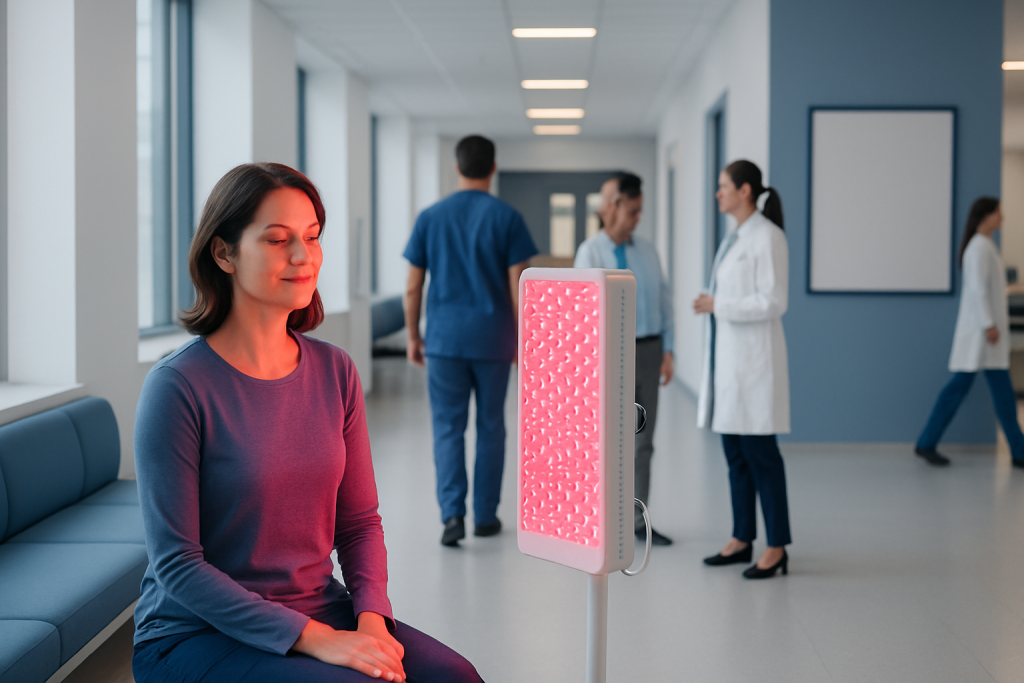
Red light therapy is also called photobiomodulation or low-level light therapy. Different devices and treatment settings produce different amounts of light, so results from one product may not apply to another.
Key Takeaways
- Red light therapy is also called photobiomodulation or low-level light therapy.
- Different devices and treatment settings produce different amounts of light, so results from one product may not apply to another.
- Some people notice gradual changes over weeks, while others do not experience meaningful benefit.
- Eye protection, appropriate use and realistic expectations are important for safety.
- Persistent symptoms, changing skin lesions or significant pain should be assessed by a qualified clinician.
Red light therapy devices deliver low-level red or near-infrared light to the skin. They may provide modest benefits for some concerns, such as selected skin changes or temporary pain relief, but outcomes depend on the condition, the device and the treatment plan, and they are not a substitute for medical diagnosis or proven care.
Overview: What Are Red Light Therapy Devices?
Red light therapy devices expose the body to specific wavelengths of visible red light or invisible near-infrared light. This approach is commonly called photobiomodulation or low-level light therapy. Devices are available in clinics and at home as panels, masks, handheld units and other formats, but their power, wavelength range, treatment area and quality can differ substantially.
The light is not the same as ultraviolet (UV) light. Red and near-infrared light do not tan the skin and are not intended to create the DNA damage associated with UV exposure. However, “non-UV” does not mean every device is risk-free or suitable for every person.
Research is continuing across dermatology, rehabilitation and wound care. Evidence suggests possible benefits for selected uses, but claims that red light therapy can cure disease, produce major body changes or replace medical treatment are not well supported. A clinician can help determine whether it is reasonable to consider alongside standard care.
How Red Light Therapy Works
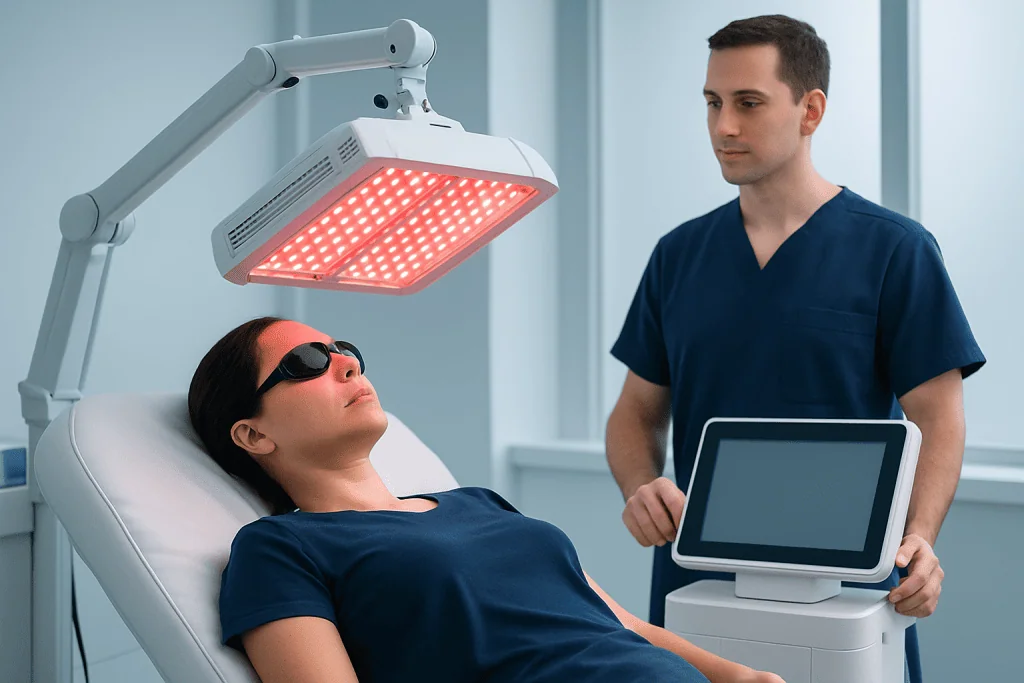
Red and near-infrared light can penetrate skin to different depths depending on the wavelength and the tissue being treated. Cells absorb some of this light, particularly within structures involved in energy production. Laboratory and clinical research suggests this may influence cellular signaling, circulation and inflammatory processes.
These biological effects do not automatically translate into a meaningful health outcome. The response may vary with the diagnosis, skin type, treatment location, wavelength, intensity, duration and schedule. A device that is appropriate for a small facial area may not deliver the same exposure as a clinical device used for a larger musculoskeletal area.
For skin concerns, red light therapy is sometimes used as an adjunct to dermatologist-directed care. For aches or soft-tissue symptoms, it may be considered within a broader rehabilitation plan that addresses diagnosis, activity, exercise and other evidence-based options.
Who May Be a Candidate?

A suitable candidate is someone with a clearly defined concern, realistic expectations and no reason to avoid light-based treatment. People may ask about red light therapy for mild signs of photoaging, temporary muscle or joint discomfort, or as an additional measure during a clinician-supervised care plan. The likely benefit should be discussed in relation to the specific problem rather than assumed from general wellness claims.
Medical advice is particularly important for people with a history of skin cancer, unexplained skin changes, photosensitivity, eye disease, active infection, pregnancy, or a condition requiring specialist treatment. People taking medicines or using products that increase sensitivity to light should ask their prescribing clinician or pharmacist before starting.
Red light therapy should not delay assessment of a new lump, a non-healing wound, severe pain, rapidly worsening rash or a changing mole. For concerns involving hair shedding, acne, pigmentation or chronic skin inflammation, a dermatologist can identify treatable causes and discuss appropriate options.
What Happens During a Red Light Therapy Session?
Before treatment, a clinician or trained provider should review the goal of therapy, relevant medical history, medicines and skin condition. The area is usually clean and free from makeup, sunscreen or topical products unless the provider gives different instructions. Photographs may be taken to track changes over time when treatment is being used for a visible skin concern.
During a session, the person sits or lies at a planned distance from the device. The light may feel mildly warm, although a properly used device should not cause painful heat. Protective eyewear may be required, especially for facial treatments or when the eyes could be exposed to bright light.
Sessions are usually brief and repeated according to the device instructions or the clinician’s plan. More exposure is not necessarily more effective. Following the recommended distance, timing and schedule helps reduce the chance of irritation or overheating while making the response easier to evaluate.
- Confirm the intended treatment area and device instructions.
- Use appropriate eye protection when advised.
- Keep the device at the specified distance from the skin.
- Stop and seek advice if pain, marked redness, dizziness or visual symptoms occur.
Benefits, Results and Recovery Timeline
Red light therapy generally does not involve injections, surgery or skin removal, so there is usually no formal recovery period. Many people can return to normal activities immediately. Mild warmth or temporary redness can occur, particularly if the device is used too close to the skin or for too long.
Possible benefits depend on the indication. Some studies suggest that appropriately delivered photobiomodulation may support modest improvement in certain skin-quality measures or temporary reduction in selected pain symptoms. Results are often subtle, and a person may see no benefit despite regular use.
How long will it take to see results from red light therapy? When results occur, they are typically gradual rather than immediate. Some people notice changes after several weeks of consistent use, while skin remodeling or chronic symptom management may require longer observation. It is sensible to set a review point with a clinician rather than continue indefinitely without a clear, measurable benefit.
For a skin concern that may need procedural treatment, specialist assessment can clarify whether dermatology care or another evidence-based approach is more suitable than a consumer device alone.
Do and Don'ts of Red Light Therapy
Do and don’ts of red light therapy? Do use a device according to its instructions, including the recommended distance, session length and eye-safety advice. Do discuss use with a clinician if there is an ongoing medical condition, a history of photosensitivity or use of medicines that may increase light sensitivity. Do take baseline photographs or track symptoms if the goal is to judge whether treatment is helping.
Do not stare directly into the light source, exceed recommended treatment time or use the device over a suspicious mole, an undiagnosed rash or a wound that needs medical assessment. Do not rely on red light therapy for infection, cancer, severe pain, significant hair loss or another condition that requires diagnosis and targeted treatment.
It is also sensible not to combine multiple new skin products and light treatments at the same time without advice. If irritation develops, stopping treatment and seeking professional guidance can help identify whether the device, skincare products or another issue is responsible.
Risks, Limitations and Why Doctors May Be Cautious
What’s the downside of red light therapy? The main limitations are uncertain effectiveness for many advertised uses, variation among devices and the possibility of delayed diagnosis if a person self-treats a medical problem. Side effects are usually mild when devices are used correctly, but may include temporary redness, dryness, warmth, headache or eye discomfort. Excessive exposure or incorrect positioning can increase the risk of skin irritation or heat-related injury.
Why don’t doctors recommend red light therapy? Many doctors do recommend or consider it for selected situations, but they may be cautious because research quality, treatment protocols and device standards vary. A clinician also needs to ensure that red light therapy is not being used in place of a more effective treatment, especially when symptoms could indicate an underlying disease.
Claims should be evaluated carefully. A device marketed for cosmetic or wellness purposes may not have evidence for treating a specific medical condition. Discussing expected outcomes, alternatives and safety considerations with a qualified clinician supports an informed decision.
When to Seek Medical Care
Medical care is advisable for persistent or worsening pain, weakness, numbness, reduced movement, a wound that does not heal, significant swelling, fever or symptoms that interfere with daily life. A person should also arrange a dermatology review for a mole or spot that changes in size, shape, color or sensation, or for a rash that is painful, spreading or not improving.
Urgent medical assessment is needed for sudden severe symptoms, facial swelling with breathing difficulty, severe eye pain or vision changes. Red light therapy should be stopped if it causes burning, blistering, persistent irritation or visual symptoms.
Acibadem International’s multidisciplinary specialists and JCI-accredited hospitals can assess skin and musculoskeletal concerns and guide appropriate treatment options for international patients. The best plan is individualized and may include monitoring, lifestyle measures, rehabilitation, dermatologic treatment or another clinically indicated approach rather than red light therapy alone.
Frequently asked questions
Is red light therapy safe?
Red light therapy is generally considered low risk when an appropriate device is used as directed. Safety still depends on the device, treatment area, eye protection and the person’s health history. People with photosensitivity, eye conditions or uncertain skin changes should seek medical advice first.
Can red light therapy damage the skin?
Red and near-infrared devices do not use UV light, so they do not cause UV tanning or the same type of UV-related skin damage. However, excessive use, heat from a device or an unsuitable device can lead to temporary redness, dryness or irritation. Treatment should be stopped if the skin becomes painful, blistered or persistently inflamed.
Can red light therapy replace medical treatment?
No. Red light therapy should not replace diagnosis or established treatment for infections, cancer, significant pain, wounds, inflammatory skin disease or other medical conditions. It may sometimes be considered as an adjunct, but this should be based on the individual condition and advice from a qualified clinician.
Should the eyes be protected during red light therapy?
Eye protection is often advised, particularly when treating the face or using a bright device near the eyes. A person should not look directly at the light source. Anyone with eye disease, eye surgery or visual symptoms should ask an eye-care professional before using a facial red light device.
Can red light therapy help acne or wrinkles?
Some people use red light therapy as part of care for mild acne or signs of skin aging, but results are variable and usually modest. Acne and wrinkles have several contributing factors, and effective treatment may involve skincare, prescription medicines or procedures selected by a dermatologist. A professional assessment is useful when acne is painful, scarring or persistent.
How often should red light therapy be used?
The appropriate schedule depends on the specific device and intended use. Following the manufacturer’s instructions or a clinician’s plan is safer than increasing frequency or duration in pursuit of faster results. If there is no measurable improvement after a reasonable trial, a clinician can help reassess the approach.
References
- American Academy of Dermatology Association
- U.S. Food and Drug Administration
- National Center for Complementary and Integrative Health
- World Health Organization
This article is for general information only and is not a substitute for professional medical advice. Please consult a qualified doctor about your individual situation.
Explore treatments in Turkey — costs, top hospitals & a free quote
JCI-accredited · board-certified surgeons · reply within 24h
Add us as a Preferred Source to see more of our trusted health content across Google Search, AI Overviews and Discover.

More from the Health Library



Related Specialists

Dr. Oya Uğurlubilek
Inpatient Clinic Physicians
Assoc. Prof. Dr. Levent Aydemir
Otorhinolaryngology
Dr. Didem Çevik Gündoğan
Pediatrics
Dr. Mukhtar Shahgaldıyev
Physical Medicine & Rehabilitation