Reflex Syncope Supportive Therapy: How It Works, Results and What to Expect

Reflex syncope is a temporary loss of consciousness caused by a reflex drop in blood pressure, heart rate, or both. Supportive therapy is individualized and commonly includes hydration, trigger planning, physical counter-pressure maneuvers and medication review.
Key Takeaways
- Reflex syncope is a temporary loss of consciousness caused by a reflex drop in blood pressure, heart rate, or both.
- Supportive therapy is individualized and commonly includes hydration, trigger planning, physical counter-pressure maneuvers and medication review.
- A cardiology assessment helps distinguish vasovagal syncope from potentially serious heart rhythm or structural heart conditions.
- Recovery after a typical episode is often quick, but fatigue or nausea may last for several hours.
- Fainting during exercise, while lying down, or with chest pain or palpitations needs prompt medical assessment.
Reflex syncope supportive therapy helps people reduce fainting and near-fainting episodes by recognizing early warning signs, avoiding personal triggers, improving circulation and addressing contributing health factors. Most people with vasovagal syncope improve with noninvasive measures, although recurrent or unexplained episodes should be assessed to rule out heart or neurological causes.
Reflex Syncope Supportive Therapy: An Overview
Reflex syncope supportive therapy is a noninvasive care plan designed to prevent fainting episodes and reduce their impact. It usually combines education, practical changes to fluid and salt intake when appropriate, identification of triggers, physical techniques used at the first warning signs, and treatment of contributing conditions. For many people, these measures are the main treatment for vasovagal syncope, the most common form of reflex syncope.
Reflex syncope happens when the nervous system produces an exaggerated reflex that briefly lowers blood pressure, slows the heart rate, or both. This reduces blood flow to the brain and can cause a short loss of consciousness. Typical triggers include prolonged standing, heat, pain, fear, emotional stress, dehydration, seeing blood, straining, or illness.
Although reflex syncope is often benign, fainting is a symptom rather than a diagnosis. A clinician should first consider other possible causes, including heart rhythm problems, low blood pressure on standing, medication effects, seizures, anemia, or metabolic conditions. Supportive therapy is most appropriate after an individualized evaluation suggests a reflex cause.
How Supportive Therapy Works
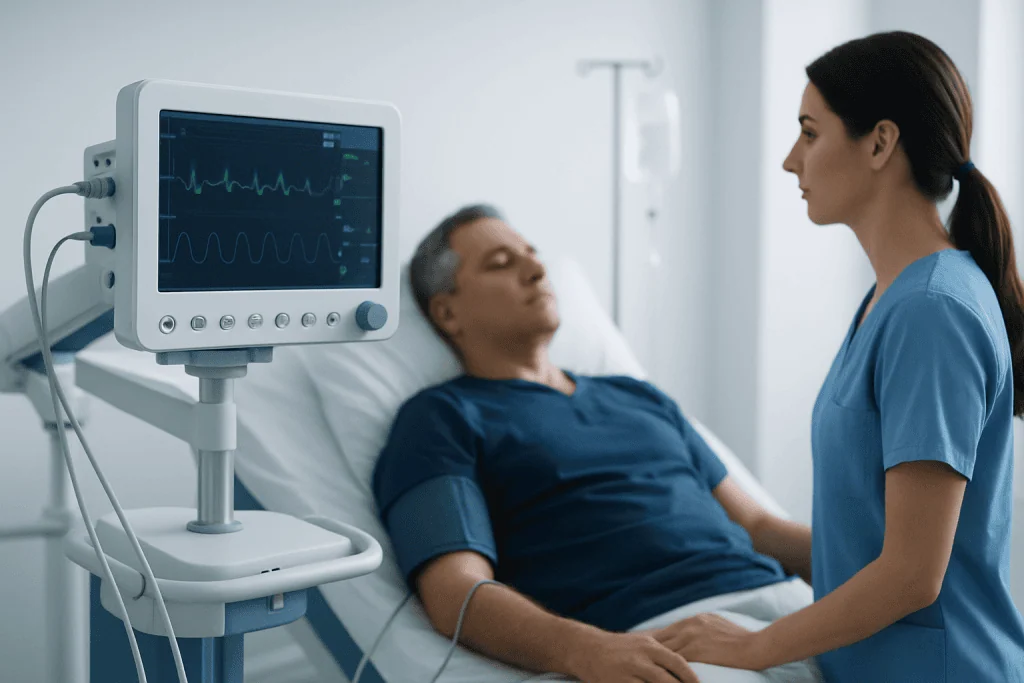
The central aim is to prevent the sudden fall in blood flow to the brain. Education is important because people who recognize their personal warning symptoms can often act before they faint. Warning symptoms may include lightheadedness, nausea, sweating, warmth, blurred vision, ringing in the ears, weakness, or a feeling of dimming vision.
At the first sign of an episode, a person should sit or lie down promptly. Lying flat and raising the legs can help blood return to the heart. If sitting or lying down is not immediately possible, physical counter-pressure maneuvers may help: crossing and firmly tensing the legs, tightening the buttock and abdominal muscles, making a fist, or gripping one hand with the other and pulling outward. These techniques can temporarily raise blood pressure.
Supportive plans commonly address daily factors that make episodes more likely. Depending on the person’s health and clinician’s advice, this may include regular fluids, avoiding skipped meals, rising gradually from bed, limiting prolonged still standing, using cooling strategies in hot settings, and reviewing medicines that can lower blood pressure. Some people may be advised to use compression garments or make carefully supervised changes to dietary salt intake.
Supportive therapy does not mean symptoms are dismissed. It is an active management approach that is adjusted over time according to episode frequency, injuries, occupation, coexisting conditions and test results.
Who May Benefit and What a Cardiologist Will Assess

People may be candidates for reflex syncope supportive therapy when their history and assessment are consistent with vasovagal or another reflex form of fainting. It is particularly helpful for people with recurrent episodes, frequent near-fainting, or episodes that interfere with school, work, driving, exercise, travel, or confidence in daily activities.
A cardiologist will usually begin with a detailed account of what happened before, during and after the event. They may ask about posture, triggers, warning symptoms, duration of unconsciousness, recovery, injuries, family history of sudden cardiac death, heart disease and all medications or supplements. A physical examination, including blood pressure and pulse measurements while lying and standing, and an electrocardiogram are common first steps.
Further tests depend on the clinical picture. These may include ambulatory heart-rhythm monitoring, echocardiography, blood tests, exercise testing or a tilt-table test. The purpose is not only to support a reflex syncope diagnosis, but also to identify conditions requiring a different approach, such as an arrhythmia or structural heart disease.
When episodes are frequent or unclear, care may involve cardiology, neurology and other relevant specialties. Acibadem International’s multidisciplinary specialists and JCI-accredited hospitals can evaluate and treat syncope for international patients when coordinated assessment is needed.
What to Expect: Step-by-Step Supportive Care
Supportive therapy is usually an outpatient process rather than a single procedure. At the initial visit, the clinician reviews the episode history, identifies possible red flags and creates a plan for diagnostic testing if needed. Keeping a brief diary of symptoms, triggers, meals, fluid intake, activity and any wearable-device heart-rate readings can be useful, but it does not replace medical evaluation.
Once reflex syncope is considered likely, the care team explains the body’s warning signs and helps develop an early-response plan. This plan may include sitting or lying down at the first symptoms, elevating the legs, practicing counter-pressure maneuvers, and informing family, colleagues or teachers about how to assist safely. People are generally advised not to try to “push through” a presyncope episode while standing.
The next stage focuses on prevention in everyday settings. The clinician may discuss regular hydration, meal patterns, sleep, heat exposure, alcohol use, standing at work, travel, exercise and medication adjustments. Changes should be individualized, especially for people with heart failure, kidney disease, high blood pressure or other conditions in which extra fluids or salt may be unsuitable.
Follow-up evaluates whether episodes have decreased and whether the diagnosis remains consistent. If non-drug measures are not enough, selected medicines or device-based treatments may be considered for carefully chosen patients, usually when symptoms are recurrent, severe or associated with documented heart-rate slowing. These options are not required for most people with vasovagal syncope.
Benefits, Limits and Possible Risks
The main benefits of supportive therapy are that it is practical, personalized and usually noninvasive. Better recognition of warning symptoms can reduce complete fainting, while trigger planning and counter-pressure maneuvers may improve day-to-day confidence. Preventing falls and related injuries is also an important goal.
Results vary. Some people have infrequent episodes and need only reassurance and simple self-care measures. Others have repeated symptoms despite good adherence, particularly if they have strong trigger exposure, low baseline blood pressure, autonomic conditions, medication effects or another overlapping cause of dizziness.
The main safety concern is delaying evaluation of a non-reflex cause of syncope. For this reason, new, unexplained, severe or changing episodes should not be self-treated without medical advice. Recommendations to increase fluids or salt can also be unsafe for certain medical conditions, so they should be confirmed with a clinician.
There may be practical risks during recovery from an episode, such as falls, driving-related injury or injury in high-risk workplaces. A clinician can provide individualized advice about driving, swimming alone, climbing heights, operating machinery and returning to sports based on the cause and pattern of syncope.
How Long Does It Take to Fully Recover From Vasovagal Syncope?
Consciousness usually returns quickly after a vasovagal faint, often within seconds to a few minutes once the person is lying down. However, the body may need longer to settle. Tiredness, weakness, nausea, sweating, headache or a “washed out” feeling can continue for several hours, particularly after a more intense episode.
There is no single recovery timeline for preventing future episodes. Some people improve after learning their triggers and early-response techniques, while others need weeks or months of observation and adjustments to their plan. Recurrent fainting should be reviewed rather than accepted as unavoidable.
After an episode, the person should remain lying or seated until symptoms have fully passed, then stand slowly with support if necessary. They should avoid driving or returning immediately to hazardous tasks until they feel well and have received medical advice where appropriate.
What Are the Three P's of Vasovagal Syncope?
The phrase “three P’s” is often used as a simple way to remember common features or responses in vasovagal syncope, but its meaning is not standardized across all clinicians and organizations. It may refer to recognizing a prodrome, using physical counter-pressure measures and changing position promptly by lying down or sitting safely.
In practical terms, the most useful message is to notice the early warning phase, protect against a fall and support circulation. A person who feels faint should promptly sit or lie down, ideally with legs raised, and use taught muscle-tensing maneuvers if safe to do so.
Because personal triggers and symptoms vary, people should ask their clinician which action plan fits their diagnosis. A personalized plan is more reliable than relying on a mnemonic alone.
Is Vasovagal Syncope a Big Deal? When to Seek Medical Care
Vasovagal syncope is commonly not dangerous in itself, especially when it occurs with familiar triggers and typical warning symptoms. Still, any first fainting episode, recurrent fainting, injury from a fall or uncertainty about the cause deserves medical attention. The consequences can be significant if fainting occurs while driving, working at heights, crossing a road or swimming.
Urgent medical assessment is important if fainting occurs during exercise or while lying down, or if it is accompanied by chest pain, shortness of breath, sustained palpitations, severe headache, new weakness, speech difficulty or prolonged confusion. Prompt assessment is also important for people with known heart disease, a family history of unexplained sudden death, or no warning symptoms before collapse.
Emergency services should be contacted if a person does not wake promptly, has persistent symptoms, is seriously injured, has repeated episodes close together, or has signs that could suggest a heart attack or stroke. Bystanders should place an unconscious person on their back with legs raised if safe, check breathing and follow local emergency guidance.
For nonurgent but recurrent symptoms, a qualified doctor can help clarify the cause and build a prevention plan. Recording the circumstances of episodes can make that assessment more informative.
Frequently asked questions
What will a cardiologist do for syncope?
A cardiologist will review the circumstances of the episode, medical history, medications and family history, then perform a physical examination and electrocardiogram. Depending on the findings, they may arrange heart-rhythm monitoring, echocardiography, exercise testing or a tilt-table test. The goal is to confirm whether syncope is reflex-related or identify a heart condition that needs specific treatment.
Can reflex syncope be cured?
Some people have long periods without further episodes after learning trigger management and early-response techniques. Others remain prone to fainting but can often reduce how often it happens and lower the risk of injury. The outlook depends on the cause, trigger exposure and any coexisting medical conditions.
What should someone do when vasovagal symptoms begin?
They should sit or lie down immediately, preferably with their legs raised, to reduce the chance of falling and improve blood flow to the brain. If unable to lie down, trained counter-pressure maneuvers such as leg crossing and muscle tensing may help. They should not continue standing or driving while symptoms are present.
Are fluids and salt helpful for every person with reflex syncope?
Regular fluid intake can help some people, particularly when dehydration contributes to symptoms. Salt advice is more individualized because increasing salt may be unsuitable for people with high blood pressure, heart failure, kidney disease or other health concerns. A clinician should guide these changes.
Is medication needed for vasovagal syncope?
Most people begin with education, trigger management and physical measures rather than medication. Medicines may be considered when episodes are recurrent and significantly affect quality of life despite supportive care, but the choice depends on the person’s health profile. A clinician should also review medicines that could be contributing to low blood pressure.
Can vasovagal syncope happen without warning?
Many people experience warning symptoms such as nausea, sweating, warmth or visual dimming, but not everyone does. Fainting without warning should be assessed carefully, especially if it occurs during exertion, while lying down or in someone with known heart disease. It may require testing to exclude other causes.
References
- American Heart Association
- European Society of Cardiology
- National Heart, Lung, and Blood Institute
- Mayo Clinic
- Johns Hopkins Medicine
This article is for general information only and is not a substitute for professional medical advice. Please consult a qualified doctor about your individual situation.
Explore treatments in Turkey — costs, top hospitals & a free quote
JCI-accredited · board-certified surgeons · reply within 24h
Add us as a Preferred Source to see more of our trusted health content across Google Search, AI Overviews and Discover.
Check your numbers in seconds
BMI, calories, due date, blood pressure and 30+ more clinical calculators — free, instant, doctor-reviewed ranges.