Reflexology: A Complete Medical Overview
Reflexology is generally used for relaxation and symptom support, not as a cure. Scientific evidence for reflexology is limited and mixed, especially for specific medical conditions.
Key Takeaways
- Reflexology is generally used for relaxation and symptom support, not as a cure.
- Scientific evidence for reflexology is limited and mixed, especially for specific medical conditions.
- It should not replace medical evaluation, prescribed treatment, or emergency care.
- Some people should use caution, including those with foot injuries, blood clots, or high-risk pregnancy concerns.
- A qualified healthcare professional can help decide whether reflexology is appropriate alongside standard care.
Reflexology is a complementary therapy that applies pressure to specific areas of the feet, hands, or ears with the aim of supporting relaxation and comfort. Some people find it soothing, but current medical evidence does not show that reflexology can diagnose disease or replace standard treatment.
Overview: what reflexology is and what it is not
Reflexology is a complementary therapy in which a practitioner applies structured pressure to selected points on the feet, hands, or ears. It is often presented as a way to encourage relaxation, reduce stress, and support a sense of well-being. Many people choose reflexology as part of a broader self-care routine, especially when they are looking for non-drug approaches that may feel calming.
From a medical perspective, reflexology is best understood as a supportive wellness practice rather than a treatment that can diagnose, prevent, or cure disease. The traditional idea behind reflexology is that certain pressure points correspond to organs or body systems. However, these point-to-organ maps are not established by mainstream anatomy or physiology, and they are not used in standard medical diagnosis.
Research on reflexology is ongoing. Some studies suggest that it may help certain people feel more relaxed or cope better with symptoms such as stress, pain, or fatigue. At the same time, study quality varies, and evidence is not strong enough to conclude that reflexology treats underlying medical conditions. For that reason, it is most safely used alongside, not instead of, evidence-based healthcare.
People considering reflexology often benefit from a balanced expectation: it may provide comfort, rest, and a feeling of personal attention, but it should not be relied on as a substitute for a doctor’s evaluation. If symptoms are ongoing or unexplained, medical assessment remains important.
How reflexology is performed
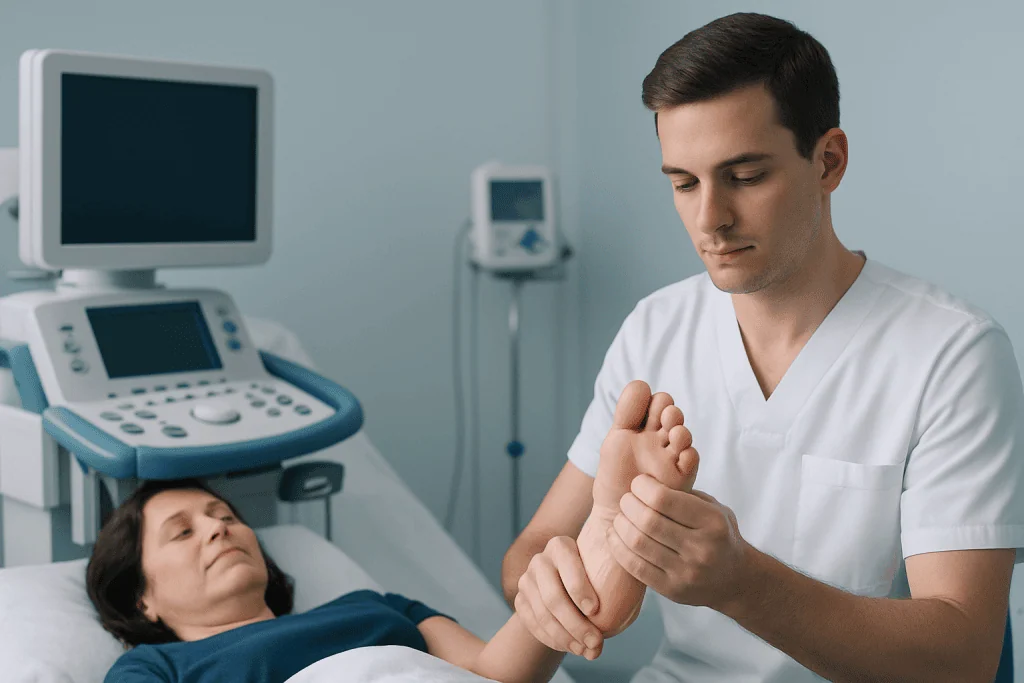
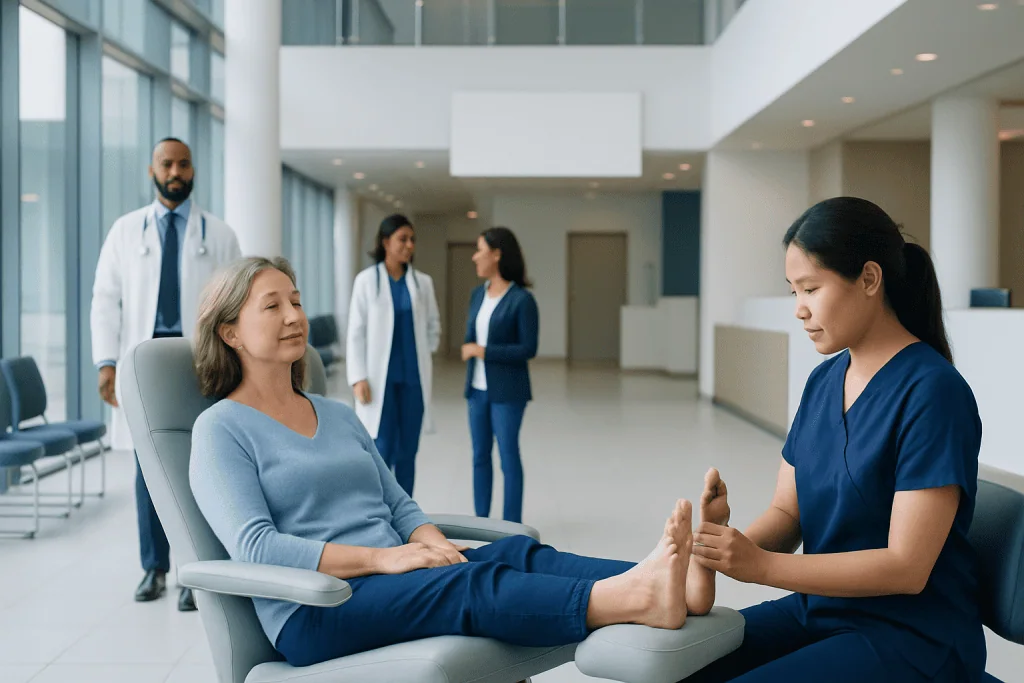
A reflexology session usually involves pressure techniques applied with the fingers and thumbs, most commonly on the feet. The practitioner may ask about symptoms, general health, medications, injuries, and reasons for seeking the therapy. Sessions are typically done while the person is seated or lying comfortably, and the goal is usually relaxation rather than forceful manipulation.
Foot reflexology is the best-known form, but hand and ear reflexology are also offered. The pressure may range from light to firm depending on comfort and the practitioner’s style. People often describe the sensation as soothing, although some areas can feel tender, especially if there is existing muscle tension, foot sensitivity, or simple discomfort from pressure.
Unlike medical massage, physical therapy, or rehabilitation techniques, reflexology is not based on treating muscles, joints, or nerves directly according to established medical maps. It is also different from procedures that target a diagnosed problem such as circulation issues or structural pain. If someone has persistent limb pain, numbness, weakness, or swelling, medical evaluation may be more appropriate than relying on a wellness therapy alone.
Before starting, it is sensible to ask about the practitioner’s training, hygiene practices, and whether they are comfortable working with people who have chronic health conditions. A good practitioner should also encourage medical care when symptoms suggest something more than stress or temporary discomfort.
Possible benefits and what the evidence shows
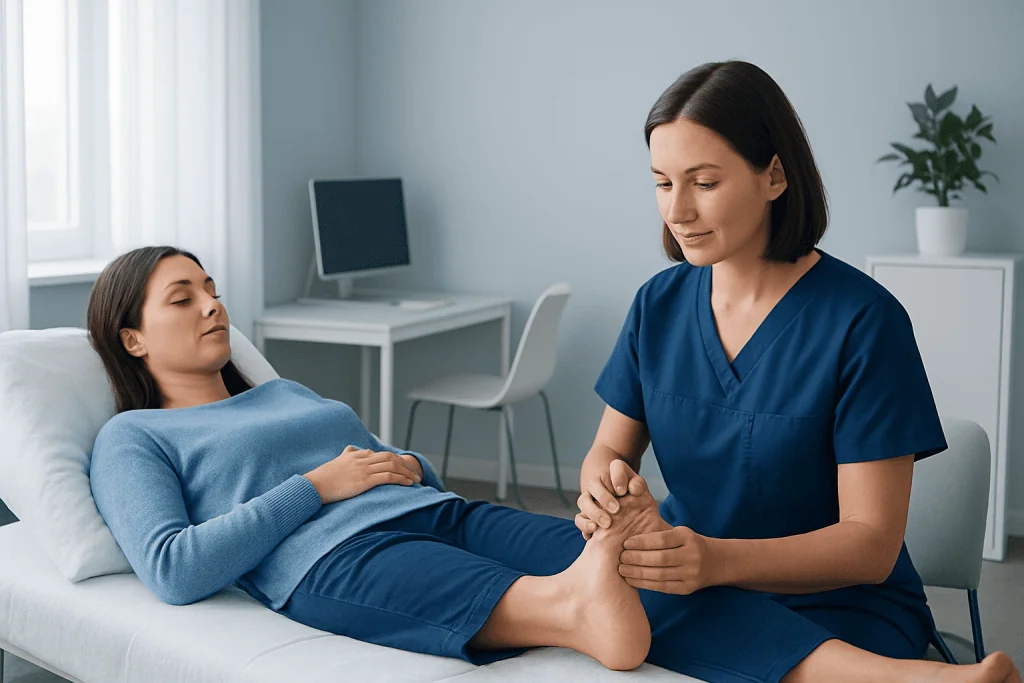
The most commonly reported benefit of reflexology is relaxation. Many people say they feel calmer after a session, and some also report temporary relief from stress, tension, mild pain, or fatigue. These effects may come from several factors, including quiet rest, caring touch, focused breathing, and time away from daily pressures. For people under stress, those supportive effects can still feel meaningful.
Researchers have studied reflexology in a range of settings, including supportive care for chronic illness, pain management, and symptom burden during cancer treatment. Results have been mixed. Some studies suggest modest short-term benefits for anxiety, quality of life, or symptom comfort, while others show little difference compared with simple rest or other forms of touch therapy. Overall, evidence remains limited and not strong enough to make broad medical claims.
It is important to separate symptom support from disease treatment. For example, a person living with chronic pain, headaches, digestive discomfort, or cancer-related stress may choose reflexology as one part of a care plan. But if symptoms require medical diagnosis or treatment, appropriate care should come first. Depending on the condition, this may include specialist assessment, physical therapy and rehabilitation, pain management, or other targeted treatment.
People interested in complementary care often do best when they discuss it openly with their doctor. That helps ensure reflexology is used in a way that supports overall health goals and does not delay needed testing or treatment.
Risks, side effects, and who should be cautious
Reflexology is often considered low risk when performed gently and appropriately, but low risk does not mean risk free. Temporary soreness, tenderness, lightheadedness, fatigue, or emotional release can occur after a session. In many cases these effects are mild and settle on their own, but any worsening pain or unusual symptoms should be taken seriously.
Caution is especially important for people with open wounds, skin infections, severe fungal nail infections, recent fractures, burns, or painful foot conditions. Those with poor circulation, nerve damage, severe swelling, or diabetes-related foot problems should ask a healthcare professional before having firm foot work. A person with symptoms of a blood clot, such as one-sided leg swelling, warmth, or sudden pain, should not seek reflexology and should get urgent medical care instead.
Pregnant people should also be cautious, particularly if there are pregnancy complications, bleeding, preterm labor concerns, or advice to avoid unnecessary physical therapies. Reflexology is sometimes marketed for pregnancy comfort, but it should only be considered with guidance from a qualified clinician who knows the pregnancy history. People taking blood thinners or living with a bleeding disorder may also need extra caution because firm pressure could cause bruising.
Reflexology should never be used in place of treatment for serious conditions such as chest pain, stroke symptoms, severe infection, or suspected cancer. If there is concern about a major illness, appropriate diagnostic evaluation is essential and may include check-up and diagnostic services or referral to the relevant specialist team.
Reflexology and common health conditions
People often ask whether reflexology can help with headaches, back pain, stress, insomnia, digestive symptoms, menstrual discomfort, or treatment-related fatigue. In practice, the main potential role is symptom support and relaxation rather than direct treatment of the condition itself. For example, someone with tension-related discomfort may feel better after quiet rest and pressure therapy, but that does not identify or correct the root cause.
In chronic pain conditions, reflexology may be used alongside exercise, rehabilitation, medication, sleep improvement, and stress management. For headaches, it may appeal to people who want a non-drug supportive option, yet recurrent or severe headaches should still be assessed medically, especially if they are new, worsening, or linked to neurological symptoms. Similarly, abdominal pain, ongoing constipation, reflux, or unexplained weight loss should not be attributed to stress without proper evaluation.
Reflexology is sometimes discussed in supportive cancer care, where the focus is usually comfort, anxiety reduction, and coping with treatment burden. It is not a treatment for cancer itself. Anyone facing a cancer diagnosis needs specialist care, and when appropriate that may include cancer care coordinated with standard oncology treatment.
Some people living with musculoskeletal pain, tiredness, or recovery-related stress may also look into broader rehabilitation strategies. In those situations, an individualized medical plan is usually more useful than relying on a single wellness approach. If pain is persistent or function is reduced, assessment for problems such as a herniated disc or other structural causes may be needed.
How doctors evaluate symptoms when someone is using reflexology
Doctors do not use reflexology charts to diagnose disease. Instead, they rely on medical history, physical examination, laboratory tests, and imaging when needed. If a person reports that reflexology helps them relax or cope with symptoms, that information can still be useful, but it does not replace the standard process of identifying the cause of pain, fatigue, swelling, numbness, or other concerns.
During a medical evaluation, the clinician may ask when symptoms began, what makes them better or worse, whether they are affecting sleep or daily activities, and whether any warning signs are present. Depending on the concern, additional testing may be required. For example, chest discomfort may need a heart evaluation, severe leg swelling may need urgent vascular assessment, and persistent digestive symptoms may lead to gastroenterology review.
This approach matters because serious conditions can sometimes appear mild at first. Relying on symptom-based wellness therapies alone may delay diagnosis. A balanced plan allows people to use safe complementary practices for comfort while still following evidence-based treatment and monitoring.
For international patients seeking coordinated assessment, Acibadem International’s multidisciplinary specialists and JCI-accredited hospitals diagnose and treat a wide range of conditions, helping patients combine standard medical care with informed decisions about supportive therapies.
Self-care, choosing a practitioner, and realistic expectations
Anyone interested in reflexology should think of it as one part of a broader self-care plan. Good sleep, regular movement, hydration, stress management, and treatment of underlying medical problems usually have a stronger effect on long-term health than any single complementary therapy. Reflexology may fit into that plan if it feels relaxing and is used safely.
When choosing a practitioner, it is reasonable to ask about training, certification, hygiene, contraindications, and what they would do if symptoms suggest a medical problem. Clear communication is important. A trustworthy practitioner should not claim to diagnose disease from the feet, promise cure of chronic illness, or suggest stopping prescribed treatments.
It is also wise to set practical expectations. Some people feel better after one session, while others notice little change. Benefits, when they occur, are often short term and subjective, such as feeling calmer, sleeping better that night, or experiencing temporary symptom relief. Keeping notes on symptoms can help a person decide whether the therapy is worthwhile for them.
At-home foot massage or relaxation routines may offer similar comfort for some people. Gentle stretching, breathable footwear, skin care, and attention to foot health can be useful, especially for those who spend long hours standing. However, anyone with diabetes, neuropathy, or reduced circulation should seek medical advice before doing strong self-massage to the feet.
When to seek medical care
Medical care should be sought promptly if symptoms are severe, new, unexplained, or getting worse. Reflexology is not appropriate for emergencies, and urgent symptoms should never be managed with a wellness appointment first. Standard medical care is especially important when there is concern for infection, circulation problems, nerve symptoms, or serious pain.
A person should contact a doctor if they have ongoing headaches, repeated vomiting, fainting, unexplained weight loss, persistent abdominal pain, prolonged fatigue, numbness, weakness, chest discomfort, shortness of breath, or one-sided leg swelling. Foot symptoms such as wounds that do not heal, skin color changes, marked swelling, or severe tenderness also deserve evaluation, particularly in people with diabetes or vascular disease.
Even milder symptoms merit assessment if they continue despite rest and self-care. Reflexology may be a reasonable supportive option after a doctor has ruled out important medical causes, but it should not delay diagnosis. If there is uncertainty, asking a clinician first is the safest step.
- Seek emergency help for chest pain, stroke symptoms, severe shortness of breath, or signs of a serious allergic reaction.
- Arrange medical review for persistent pain, numbness, swelling, unexplained fatigue, or symptoms that disrupt daily life.
- Ask before reflexology if there is pregnancy risk, a bleeding disorder, a recent injury, or foot ulcers or infection.
Frequently asked questions
What is reflexology?
Reflexology is a complementary therapy that involves applying pressure to specific areas of the feet, hands, or ears. It is commonly used for relaxation and general well-being, but it is not a medically proven method to diagnose or cure disease.
Does reflexology really work?
Some people report feeling calmer, less stressed, or more comfortable after reflexology. However, scientific evidence is mixed, and current research does not support reflexology as a replacement for standard medical treatment.
Is reflexology the same as massage?
No. Reflexology uses pressure on selected points based on traditional reflex maps, while massage usually focuses on muscles and soft tissues. Both may feel relaxing, but they are different approaches and neither should replace medical evaluation when symptoms are concerning.
Is reflexology safe for everyone?
Not always. People with foot injuries, skin infections, blood clot symptoms, severe circulation problems, or diabetes-related foot complications should get medical advice first. Pregnant people should also ask their clinician before having reflexology, especially if the pregnancy is high risk.
Can reflexology help with pain or stress?
It may help some people feel temporarily more relaxed and better able to cope with stress or discomfort. Still, pain and stress can have many causes, so ongoing or severe symptoms should be assessed by a qualified healthcare professional.
Can reflexology replace medical treatment?
No. Reflexology should be viewed as a supportive therapy, not a substitute for diagnosis, prescribed medication, rehabilitation, or specialist care. Delaying treatment for serious symptoms can allow an underlying condition to worsen.
References
- World Health Organization
- National Center for Complementary and Integrative Health
- National Health Service
- Mayo Clinic
- Cochrane
This article is for general information only and is not a substitute for professional medical advice. Please consult a qualified doctor about your individual situation.
Explore treatments in Turkey — costs, top hospitals & a free quote
JCI-accredited · board-certified surgeons · reply within 24h
Add us as a Preferred Source to see more of our trusted health content across Google Search, AI Overviews and Discover.