Remote Patient Monitoring: What Data Is Tracked and What Happens Next?
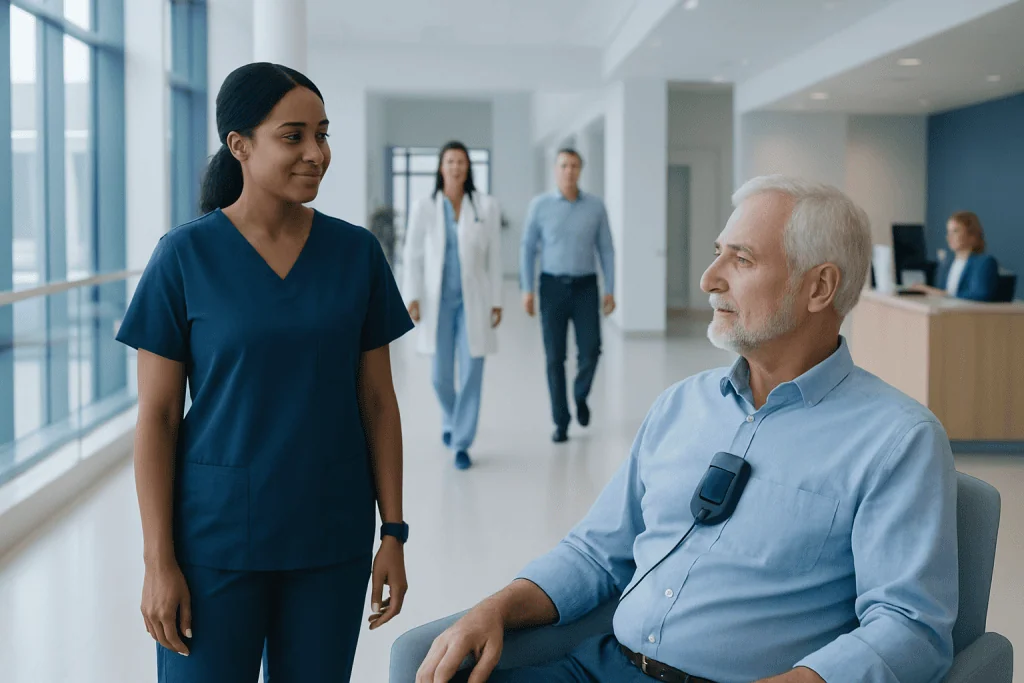
Remote patient monitoring collects health information from home and sends it securely to a care team. Common data includes blood pressure, blood sugar, heart rate, oxygen saturation, weight, temperature, and symptom reports.
Key Takeaways
- Remote patient monitoring collects health information from home and sends it securely to a care team.
- Common data includes blood pressure, blood sugar, heart rate, oxygen saturation, weight, temperature, and symptom reports.
- Clinicians usually look for trends over time rather than reacting to a single reading alone.
- What happens next depends on the data and may include reassurance, medication review, lifestyle advice, or an urgent in-person assessment.
- Remote monitoring supports care but does not replace emergency services or regular medical judgment.
Remote patient monitoring helps healthcare teams follow a person’s health data from home using connected devices. It can support earlier intervention, more personalized care, and fewer unnecessary clinic visits when used appropriately.
Overview: What remote patient monitoring means
Remote patient monitoring is a form of healthcare technology that allows a person’s health information to be measured outside a clinic or hospital and shared with healthcare professionals. It often uses digital tools such as blood pressure monitors, glucose meters, pulse oximeters, smart scales, heart rhythm patches, or wearable devices that connect to a phone, tablet, or secure platform.
The goal is not simply to collect numbers. Remote patient monitoring helps clinicians understand how a person is doing in daily life, between appointments, and over time. This can be especially useful for long-term conditions, recovery after treatment, pregnancy care, older adults, and people who live far from specialist centers.
In practice, remote monitoring may be part of a broader telehealth plan. Some systems send data automatically, while others require the person to enter readings manually or answer symptom questions. A nurse, doctor, or care coordinator then reviews the information according to a set schedule or receives alerts if a reading falls outside a personalized range.
For many patients, the main benefit is that care can become more proactive. Instead of waiting for symptoms to worsen, a healthcare team may notice subtle changes earlier and respond sooner. That said, remote monitoring works best when the equipment is used correctly, the data is interpreted in context, and patients know when to seek direct medical help.
What data is commonly tracked
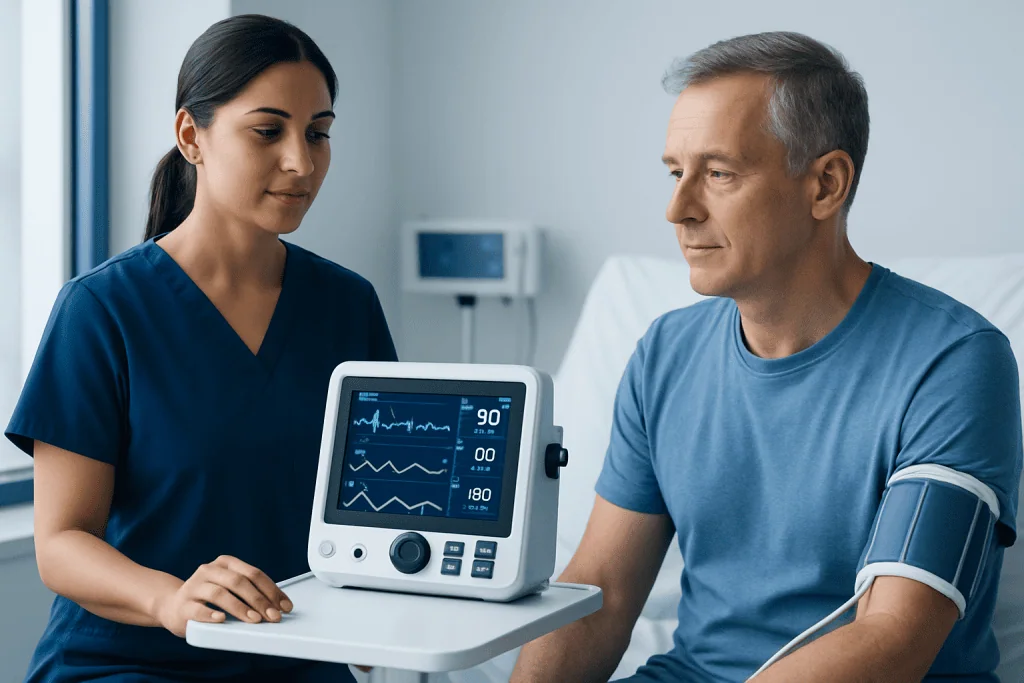
The exact data tracked depends on the person’s needs and the reason monitoring was recommended. For someone with high blood pressure, the main focus may be home blood pressure readings. For another person, the priority may be blood sugar trends, oxygen levels, body weight, sleep data, medication adherence, or symptom check-ins.
Common types of information collected through remote patient monitoring include:
- Blood pressure
- Heart rate and sometimes heart rhythm
- Blood glucose levels
- Oxygen saturation
- Body weight
- Temperature
- Respiratory rate
- Physical activity, step count, or mobility patterns
- Sleep duration and sleep quality data from wearables
- Symptoms such as pain, breathlessness, dizziness, swelling, mood changes, or medication side effects
Some programs also collect data from more specialized devices. Examples include continuous glucose monitors for diabetes, ECG patches for selected heart rhythm concerns, and smart inhaler tools for some respiratory conditions. In certain situations, remote monitoring may complement care for conditions such as high blood pressure, diabetes, heart failure, chronic lung disease, or recovery after surgery.
It is important to remember that more data is not always better. The most helpful systems focus on measurements that are clinically relevant, reliable, and likely to change care decisions. A healthcare professional usually decides which data points matter most for each person.
How the data is collected and shared
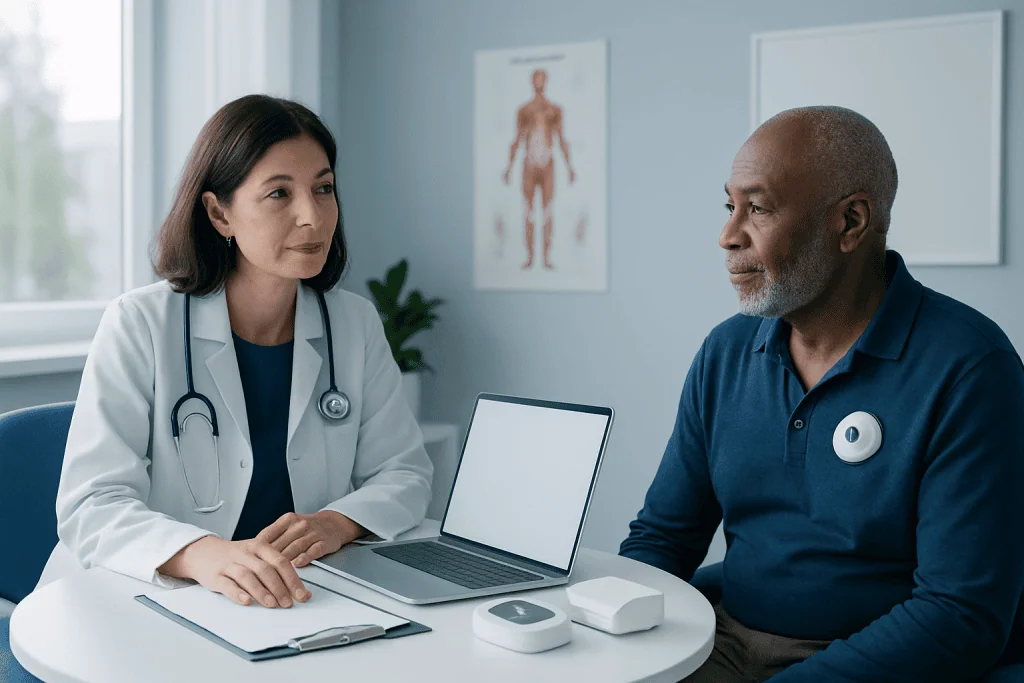
Remote monitoring devices may be fully connected, meaning they send readings automatically, or they may require manual entry. A person might take a blood pressure reading at home, step on a digital scale each morning, wear a sensor that records heart activity, or answer short symptom questions in an app. The information is then uploaded to a secure platform used by the care team.
Good-quality readings depend on correct technique. For example, blood pressure should usually be measured while seated and at rest, using a validated device and the correct cuff size. Weight is often most useful when taken at the same time each day. Blood glucose readings need to be understood in relation to meals, medication, activity, and symptoms. Small differences in how measurements are taken can affect the results.
Data security and privacy are also important. Reputable remote patient monitoring systems use secure storage and controlled access, and they are designed to fit within healthcare privacy standards. Patients should know who reviews their data, how often it is checked, what counts as an alert, and what to do if they feel unwell even when no one has contacted them.
Because technology is only one part of care, many programs include education and technical support. Patients may receive training on device use, reminders to send readings, and guidance on when to repeat a measurement. This helps reduce false alarms and makes the information more useful for clinical decision-making.
What happens after the data is sent
Once the data reaches the healthcare team, it is usually reviewed in one of two ways: routine monitoring or alert-based monitoring. In routine monitoring, readings are checked at planned intervals to identify trends. In alert-based monitoring, the system flags values outside a set range so a clinician can decide whether follow-up is needed.
What happens next depends on the context. A single unusual reading may simply lead to a request to repeat the measurement. If a pattern of concern appears, the team may contact the patient, review medications, recommend lifestyle changes, adjust the care plan, or arrange blood tests, imaging, or an in-person visit. For some people, remote monitoring can help guide care related to cardiology evaluation or endocrinology care when ongoing tracking is useful.
Clinicians generally do not interpret data in isolation. They consider symptoms, medical history, baseline values, recent illness, medications, hydration, exercise, and device accuracy. For example, a temporary rise in heart rate may reflect stress, fever, or activity rather than a dangerous problem. A doctor looks at the bigger picture before deciding on the next step.
Most importantly, remote monitoring is not an emergency response service unless a specific program clearly states that it is. If a patient develops severe chest pain, sudden shortness of breath, signs of stroke, or another urgent symptom, they should seek emergency help right away rather than waiting for a remote review.
Who may benefit most from remote patient monitoring
Remote patient monitoring can be useful for many groups, but it is especially valuable when regular tracking can change treatment decisions or catch deterioration early. People with chronic conditions often benefit because day-to-day data may reveal patterns that a single clinic visit cannot show.
Examples of patients who may benefit include:
- People with hypertension who need home blood pressure tracking
- People with diabetes using finger-stick testing or continuous glucose monitoring
- Patients with heart failure who monitor weight, swelling, symptoms, and blood pressure
- People with chronic respiratory conditions tracking oxygen levels or symptoms
- Patients recovering after surgery or hospitalization
- Older adults who need closer follow-up while remaining at home
- Pregnant patients who need selected blood pressure or glucose monitoring
Remote patient monitoring may also support care plans in rehabilitation and preventive medicine. For example, activity trackers can help people build safer exercise habits, and symptom reporting can help identify whether a treatment is working. In some cases, clinicians may combine remote monitoring with check-up and screening services or further testing.
Still, remote monitoring is not ideal for everyone. Some people may prefer direct in-person care, may find digital tools difficult to use, or may need physical examination and testing that cannot be done at home. The best approach depends on the person’s health condition, confidence with technology, and access to reliable devices and internet service.
Benefits, limits, and common concerns
One of the biggest advantages of remote patient monitoring is that it can make care more continuous. Instead of depending only on occasional appointments, clinicians can review information gathered in real-life settings. This may improve treatment adjustments, support self-management, and reduce unnecessary travel or clinic visits for some patients.
Another benefit is patient engagement. Many people feel more involved in their care when they understand what is being tracked and why. Seeing trends over time can make lifestyle changes feel more meaningful. It can also help patients prepare better questions for appointments and notice early warning signs.
At the same time, remote monitoring has limitations. Consumer wearables vary in accuracy, and even medical-grade devices can produce misleading readings if used incorrectly. Data overload can also cause anxiety if patients focus on every small fluctuation. A reading that looks abnormal without context does not always mean something is wrong.
Common concerns include privacy, cost, technical problems, and uncertainty about who is watching the data. These are important questions to discuss before starting. Patients should ask how often readings are reviewed, which symptoms need urgent action, how to contact the team, and what backup plan exists if the device stops working. When used thoughtfully, remote monitoring can complement, rather than replace, the doctor-patient relationship.
Using remote monitoring safely and effectively
To get the best results from remote patient monitoring, patients should use devices exactly as instructed and follow the agreed schedule for measurements. It helps to take readings in a consistent way, keep devices charged, and let the care team know if there are repeated technical issues or readings that do not seem believable.
Patients should also understand their own action plan. This includes knowing which symptoms can wait for routine review and which require same-day advice or emergency care. A clear plan reduces uncertainty and helps people avoid both unnecessary worry and dangerous delays.
Simple habits can improve the quality of the data:
- Measure at the recommended times and under similar conditions
- Record symptoms, meals, exercise, and medication changes when relevant
- Repeat a reading if the result seems unexpected and technique may have been imperfect
- Bring home devices to appointments when validation is needed
- Keep regular in-person follow-up when advised
Near the end of a care pathway, some patients may need further specialist assessment rather than continued remote tracking alone. If advanced investigation or treatment is required, multidisciplinary teams at Acibadem International’s JCI-accredited hospitals evaluate international patients across specialties, including diagnosis and evaluation pathways that can be coordinated with digital follow-up when appropriate.
When to contact a doctor
Patients should contact their healthcare team if their remote readings are repeatedly outside the agreed range, if symptoms are worsening, or if they are unsure how to interpret what they are seeing. A trend often matters more than a single number, but repeated changes should not be ignored. It is also sensible to ask for help if the device may be malfunctioning or if readings seem inconsistent with how the person feels.
Certain symptoms need prompt medical attention regardless of what a home device shows. These include severe chest pain, fainting, sudden weakness, confusion, severe shortness of breath, blue lips, major bleeding, or signs of stroke. In those situations, emergency services are more important than waiting for a remote review.
Routine follow-up still matters even when home monitoring is going well. Doctors may need to examine the patient, review medications, order lab tests, or assess other parts of health that cannot be captured by digital tools alone. Remote monitoring is most effective when it is part of a complete care plan.
For patients considering remote monitoring, a good first step is to ask whether it is suitable for their condition, which device is recommended, how the data will be used, and what response times they should expect. Clear expectations help the technology work safely and smoothly.
Frequently asked questions
What is remote patient monitoring used for?
Remote patient monitoring is used to track health information from home and share it with healthcare professionals. It is commonly used for chronic disease management, recovery after treatment, medication monitoring, and early identification of changes that may need attention.
Which readings are most often tracked?
Common readings include blood pressure, heart rate, blood glucose, oxygen saturation, weight, and temperature. Some programs also track symptoms, activity levels, sleep patterns, or heart rhythm data, depending on the patient’s needs.
Does a doctor watch the data all the time?
Usually not. Most programs review data at scheduled times or use alerts to flag results outside a set range. Patients should ask exactly how often their data is checked and what to do if they feel unwell between reviews.
What happens if a reading is abnormal?
An abnormal reading may lead to a request to repeat the measurement, especially if technique or device error is possible. If a concerning pattern continues, the care team may contact the patient, adjust treatment, recommend further tests, or arrange an in-person assessment.
Can remote patient monitoring replace clinic visits?
No, it usually complements rather than replaces regular medical care. Many conditions still require physical examination, laboratory tests, imaging, or procedures that cannot be done at home.
Are wearable devices accurate enough for medical care?
Some wearable and home devices can be very helpful, but accuracy varies by device and by how it is used. Medical decisions are best made with validated devices and professional interpretation, especially when symptoms or treatment changes are involved.
Is remote patient monitoring an emergency service?
In most cases, no. Unless a specific program clearly provides emergency monitoring, patients should not wait for a remote response during urgent symptoms. Severe chest pain, stroke symptoms, or major breathing difficulty require immediate emergency care.
References
- World Health Organization
- U.S. Food and Drug Administration
- Centers for Disease Control and Prevention
- American Heart Association
- National Institute for Health and Care Excellence
This article is for general information only and is not a substitute for professional medical advice. Please consult a qualified doctor about your individual situation.
Explore treatments in Turkey — costs, top hospitals & a free quote
JCI-accredited · board-certified surgeons · reply within 24h
Add us as a Preferred Source to see more of our trusted health content across Google Search, AI Overviews and Discover.
Check your numbers in seconds
BMI, calories, due date, blood pressure and 30+ more clinical calculators — free, instant, doctor-reviewed ranges.