Restless Legs Syndrome vs Neuropathy: How to Tell the Difference

Restless legs syndrome usually creates an urge to move the legs that gets worse at rest and in the evening. Neuropathy more often causes burning, numbness, tingling, or pain that may not improve with movement.
Key Takeaways
- Restless legs syndrome usually creates an urge to move the legs that gets worse at rest and in the evening.
- Neuropathy more often causes burning, numbness, tingling, or pain that may not improve with movement.
- A careful history, physical exam, and sometimes blood tests or nerve studies help tell them apart.
- Some people can have both conditions at the same time.
- Treatment depends on the cause and may include sleep-focused strategies, treating underlying conditions, and symptom relief.
Restless legs syndrome and neuropathy can both cause uncomfortable leg sensations, but they are not the same condition. The main differences often involve when symptoms happen, what they feel like, and whether movement brings relief.
Overview: Why These Conditions Are Often Confused
Restless legs syndrome (RLS) and peripheral neuropathy can both affect the legs and disturb sleep, so it is understandable that people may confuse them. Both may cause strange or unpleasant sensations, especially in the lower legs or feet, and both can lead to repeated waking, tiredness, and reduced quality of life.
Even so, they are different conditions. RLS is a neurologic and sleep-related movement disorder marked by a strong urge to move the legs, usually accompanied by uncomfortable sensations. Symptoms tend to appear or worsen during rest, especially in the evening or at night, and often improve, at least temporarily, with movement.
Neuropathy is a broader term that usually refers to nerve damage, commonly affecting the hands and feet. It often causes burning, tingling, numbness, electric-shock sensations, or pain. Unlike RLS, neuropathy symptoms are not defined by an urge to move and do not consistently improve with walking or stretching.
Because symptoms can overlap, a clear diagnosis matters. Identifying whether a person has restless legs syndrome, peripheral neuropathy, or both helps guide the right treatment and can also uncover related health problems such as iron deficiency, diabetes, kidney disease, or medication side effects.
Symptoms: The Clues That Help Tell Them Apart
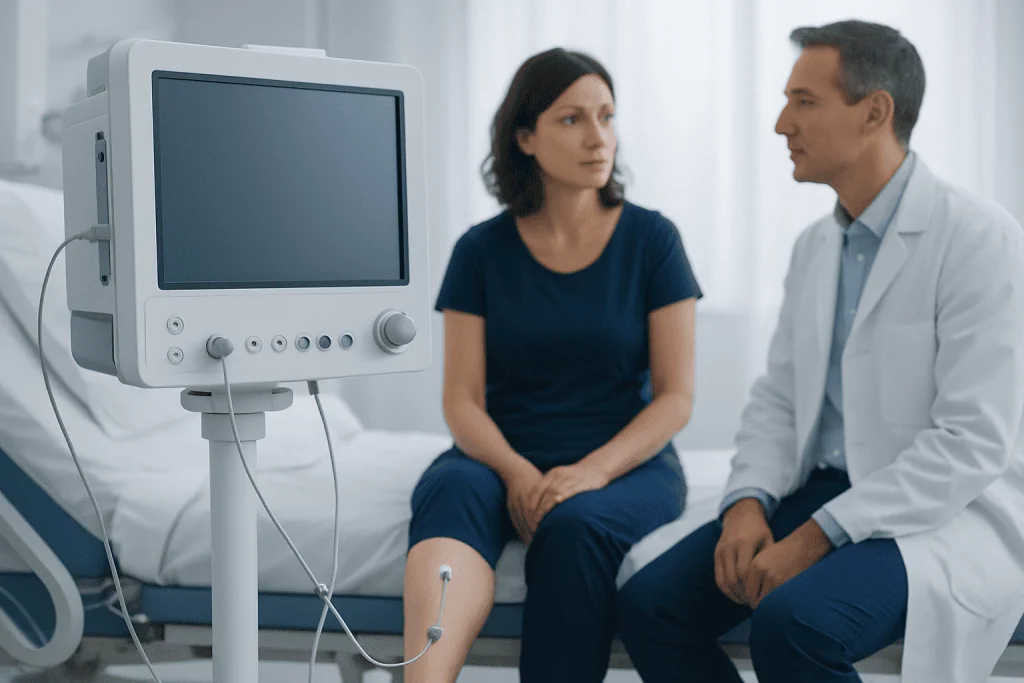
The most helpful clue in RLS is the urge to move. People often describe it as crawling, pulling, itching, buzzing, or an inner restlessness deep in the legs. The sensation is difficult to ignore, appears during inactivity such as sitting or lying down, becomes more noticeable later in the day, and improves when the person moves, walks, stretches, or rubs the legs.
Neuropathy symptoms are usually different in quality. People may report burning feet, pins-and-needles, numbness, stabbing pain, sensitivity to touch, or a feeling that socks are bunched up when they are not. Symptoms may be constant or come and go, often start in the feet, and may gradually move upward in a “stocking” pattern.
Timing also helps. RLS typically follows a circadian pattern, becoming worse in the evening or at night. Neuropathy can bother a person at any time of day, although pain may feel more noticeable at night because there are fewer distractions. Movement may shift attention away from neuropathy discomfort, but it does not reliably relieve it in the way it often does with RLS.
- More suggestive of RLS: urge to move, symptoms during rest, evening or nighttime worsening, temporary relief with movement.
- More suggestive of neuropathy: burning, numbness, tingling, reduced sensation, pain with touch, balance issues, weakness in some cases.
- Possible overlap: sleep disruption, leg discomfort, nighttime symptoms, and trouble describing the exact sensation.
Causes and Risk Factors

RLS does not have a single cause. In many people, it appears to involve how the brain uses dopamine and iron. RLS can run in families, and it may become more noticeable during pregnancy or with increasing age. It is also associated with iron deficiency, chronic kidney disease, and some neurologic conditions. Certain medicines, including some antidepressants, antihistamines, and anti-nausea drugs, may worsen symptoms in some people.
Peripheral neuropathy has many possible causes because nerves can be injured in different ways. Diabetes is one of the most common causes worldwide. Other causes include vitamin deficiencies, alcohol misuse, thyroid disease, infections, autoimmune diseases, kidney disease, chemotherapy, toxin exposure, and nerve compression. In some people, no clear cause is found even after evaluation.
There can also be overlap between the two conditions. For example, a person with diabetes may develop neuropathy and also have sleep disturbance and leg discomfort that resemble RLS. Iron deficiency can coexist with other health problems and intensify nighttime symptoms. This is one reason self-diagnosis is not always accurate.
Risk factors alone do not confirm a diagnosis, but they help shape the evaluation. A clinician will usually consider age, medical history, family history, medication use, sleep habits, and whether symptoms are mainly sensory, motor, or both.
Diagnosis: What Doctors Look For
Diagnosis begins with a detailed conversation about symptoms. For RLS, doctors focus on four key points: whether there is an urge to move the legs, whether symptoms begin or worsen during rest, whether movement relieves them, and whether they are worse in the evening or at night. These features are central to the diagnosis and often distinguish RLS from other conditions.
For neuropathy, the clinician asks about numbness, burning, pain, weakness, balance problems, and symptom distribution. A physical examination may check reflexes, muscle strength, coordination, and different types of sensation such as light touch, vibration, and temperature. Findings like reduced reflexes or sensory loss may support neuropathy rather than RLS.
Blood tests may be used to look for contributing causes, such as iron deficiency, diabetes, kidney problems, thyroid disease, or vitamin B12 deficiency. If neuropathy is suspected, nerve conduction studies and electromyography may help assess how the nerves and muscles are functioning. In some cases, sleep history is enough for RLS, while in others the doctor may evaluate for additional sleep issues.
Other conditions can mimic either disorder, including leg cramps, arthritis, circulation problems, anxiety-related restlessness, medication effects, and some spinal disorders. If symptoms are complex, a specialist may recommend a more detailed neurologic workup or a neurology consultation to clarify the diagnosis.
Treatment Options for Restless Legs Syndrome and Neuropathy
Treatment depends on the diagnosis and any underlying cause. In RLS, correcting iron deficiency is an important first step when iron stores are low. Doctors may also review medications that could worsen symptoms and suggest changes when appropriate. Some people benefit from prescription medicines aimed at reducing sensory discomfort and nighttime restlessness, especially when symptoms are frequent or severe.
Neuropathy treatment focuses on managing the cause whenever possible. Good diabetes control, replacing vitamin deficiencies, treating thyroid or kidney problems, limiting alcohol, or adjusting medications may help prevent further nerve damage. Symptom relief may include medications for nerve pain, physical therapy, foot care, and strategies to reduce fall risk if balance is affected.
Sleep care matters for both conditions. If symptoms repeatedly interrupt sleep, clinicians may suggest regular sleep routines, reduction of caffeine or alcohol in the evening, and evaluation for other sleep disorders when needed. In selected situations, further assessment through a sleep study or supportive care from sleep medicine services may be helpful, especially when insomnia, periodic limb movements, or daytime sleepiness are part of the picture.
Because these conditions can coexist, treatment is sometimes combined. A person might need management for neuropathic pain and also separate treatment for classic RLS symptoms. The best plan is individualized and should be reviewed over time, as symptoms and triggers may change.
Self-care and Prevention Strategies
Self-care does not replace a diagnosis, but it can make symptoms more manageable. People with possible RLS may find that keeping a regular sleep schedule, reducing evening caffeine, nicotine, and alcohol, and allowing time for gentle stretching or walking before bed can lessen nighttime discomfort. Some also find temporary relief from warm baths, leg massage, or heating pads, as long as heat is used safely.
For neuropathy, prevention focuses on protecting nerve health and preventing injury. This may include managing blood sugar if diabetes is present, eating a balanced diet, addressing vitamin deficiencies, limiting alcohol, and reviewing medications with a doctor. Daily foot checks are especially important when sensation is reduced, because small injuries may go unnoticed.
Exercise can help both groups, but it should be appropriate for the person’s health status. Gentle regular movement often supports circulation, sleep, balance, and overall well-being. Overexertion late at night, however, may worsen symptoms for some people with RLS, so a steady routine is usually better than intense bursts of activity.
Keeping a symptom diary can be useful. Recording the time symptoms begin, what they feel like, whether movement helps, and any links with caffeine, medications, or blood sugar changes can provide practical clues for both the patient and the clinician.
When to See a Doctor
A medical appointment is a good idea when leg symptoms disturb sleep, become frequent, interfere with daily activities, or are hard to describe clearly. Evaluation is also important if there is numbness, weakness, balance trouble, new pain, or symptoms that are spreading. These features may point toward neuropathy or another neurologic condition rather than simple restlessness.
Prompt care is especially important if symptoms begin suddenly, affect one side much more than the other, follow an injury, or come with bowel or bladder changes, severe back pain, or rapid weakness. Those symptoms are not typical of ordinary RLS and need timely medical assessment.
Pregnant people, individuals with diabetes or kidney disease, and those taking medications that may affect nerves or sleep should also mention new leg symptoms early. A doctor can decide whether testing is needed and whether symptoms fit RLS, neuropathy, or another cause.
Near the end of the evaluation journey, some people benefit from coordinated specialty care. Acibadem International’s multidisciplinary specialists in JCI-accredited hospitals diagnose and treat neurologic and sleep-related conditions for international patients, including cases where symptoms may overlap and require careful assessment.
Frequently asked questions
Can restless legs syndrome feel like neuropathy?
Yes. Both conditions can cause uncomfortable sensations in the legs, especially at night, which is why they are often confused. The main difference is that RLS usually creates a strong urge to move and improves with movement, while neuropathy more often causes burning, tingling, numbness, or pain that may persist despite movement.
How can a person tell if symptoms are more likely RLS?
Symptoms are more suggestive of RLS when they appear during rest, become worse in the evening or at night, and improve temporarily with walking, stretching, or moving the legs. People often describe an inner restlessness rather than pain alone. A doctor can confirm whether the pattern fits the diagnostic criteria.
Does neuropathy always cause numbness?
No. Neuropathy may cause numbness, but it can also cause burning, tingling, stabbing pain, sensitivity to touch, weakness, or balance problems. Some people have painful symptoms without much numbness at first.
Can someone have both restless legs syndrome and neuropathy?
Yes, it is possible to have both at the same time. This can make symptoms harder to interpret because one condition may disturb sleep while the other causes persistent nerve discomfort. A careful evaluation helps identify whether overlap is present.
What tests are used to diagnose neuropathy or RLS?
RLS is often diagnosed mainly from the symptom pattern and medical history. Neuropathy may require a physical examination, blood tests, and sometimes nerve conduction studies or electromyography to look for nerve damage and possible causes.
Is restless legs syndrome dangerous?
RLS is usually not dangerous, but it can significantly affect sleep, mood, concentration, and quality of life. It can also be linked with conditions such as iron deficiency or kidney disease, so it should not be ignored if symptoms are frequent.
When should a person seek urgent medical care for leg symptoms?
Urgent evaluation is important if leg symptoms come with sudden weakness, severe back pain, bowel or bladder changes, major balance problems, or symptoms after an injury. These are not typical features of simple RLS and may point to a more serious neurologic problem.
References
- National Institute of Neurological Disorders and Stroke
- American Academy of Sleep Medicine
- National Institute of Diabetes and Digestive and Kidney Diseases
- Mayo Clinic
- National Health Service
This article is for general information only and is not a substitute for professional medical advice. Please consult a qualified doctor about your individual situation.
Explore treatments in Turkey — costs, top hospitals & a free quote
JCI-accredited · board-certified surgeons · reply within 24h
Add us as a Preferred Source to see more of our trusted health content across Google Search, AI Overviews and Discover.