Ringworm on Eyeball: A Complete Medical Overview

Ringworm is a fungal skin infection and usually does not grow on the eyeball itself. A red, scaly rash near the eyelid or eyebrow may be ringworm around the eye area.
Key Takeaways
- Ringworm is a fungal skin infection and usually does not grow on the eyeball itself.
- A red, scaly rash near the eyelid or eyebrow may be ringworm around the eye area.
- Pain, light sensitivity, blurred vision, or discharge can suggest a deeper eye problem rather than simple skin ringworm.
- Diagnosis often requires an eye examination and sometimes skin scraping or laboratory testing.
- Treatment depends on whether the infection involves the skin around the eye or the eye itself.
- Anyone with eye symptoms should avoid self-treating with steroid creams unless a doctor has advised it.
Ringworm on eyeball is a misleading term. In most cases, ringworm affects the skin around the eye rather than the eyeball itself, while true fungal infection of the eye is a different and potentially serious condition that needs medical assessment.
What “Ringworm on Eyeball” Usually Means
Ringworm on eyeball is not usually an exact medical diagnosis. Ringworm, also called tinea, is a fungal infection of the skin, hair, or nails. It most often affects the skin around the eye, such as the eyelids, eyebrow area, or nearby facial skin, rather than the surface of the eyeball itself.
When people use this phrase, they may be describing several different problems. One possibility is ringworm on the facial skin near the eye. Another is a true fungal eye infection, which can involve the clear front layer of the eye or deeper eye tissues. These conditions are not the same, and they need different evaluation and treatment.
This distinction matters because symptoms involving the eyeball, especially pain, reduced vision, or light sensitivity, should not be assumed to be a simple skin rash. A doctor, often an eye specialist, can tell whether the problem is limited to the skin or affecting the eye itself. Conditions such as corneal disease may also cause redness, discomfort, and vision symptoms, so careful assessment is important.
Symptoms to Watch For
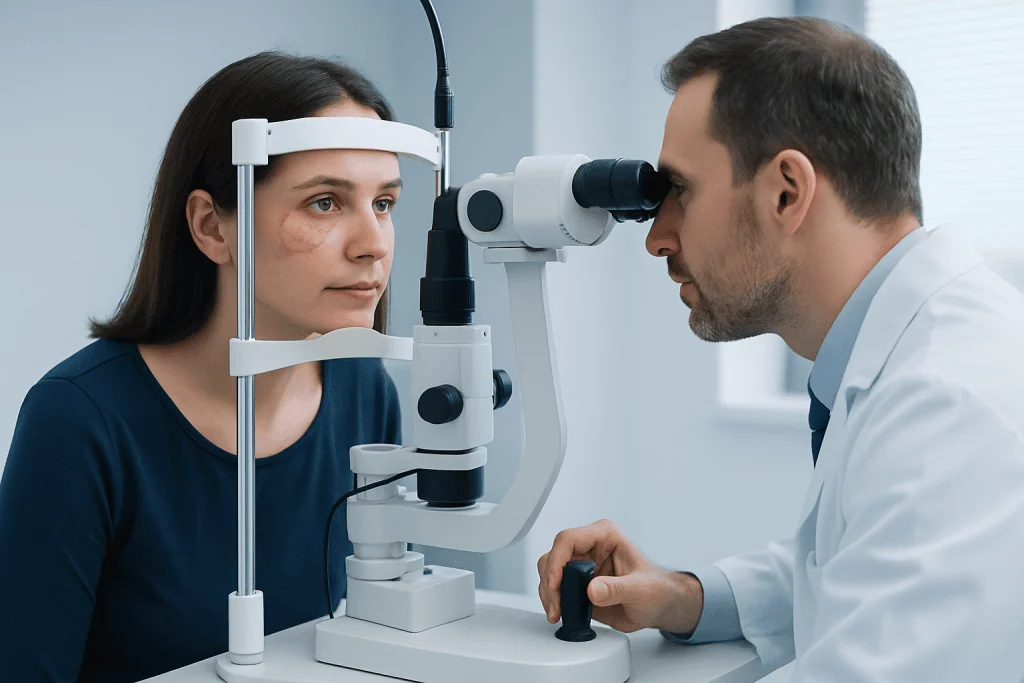
If ringworm is affecting the skin near the eye, symptoms often look similar to ringworm elsewhere on the body. The rash may be round or ring-shaped, red or pink, and slightly raised at the edge. It can be scaly, itchy, flaky, or slowly spreading. Some people notice patchy hair loss in the eyebrow area if the fungus affects hair follicles.
Symptoms suggesting the eyeball itself may be involved are different. These can include eye redness, pain, gritty sensation, tearing, light sensitivity, discharge, blurred vision, or the feeling that something is stuck in the eye. These symptoms may point to a fungal eye infection or another eye condition rather than ordinary ringworm.
Some infections around the eyelid can also resemble eczema, contact dermatitis, bacterial infection, or inflammation of the eyelid margin. Because the skin near the eye is delicate and the eye is highly sensitive, it is best not to rely on appearance alone.
- Skin-related signs: itchy circular rash, scaling, flaking, mild swelling
- Eye-related signs: pain, vision changes, marked redness, light sensitivity
- Mixed signs: eyelid irritation with watery eye or crusting
Causes and Risk Factors
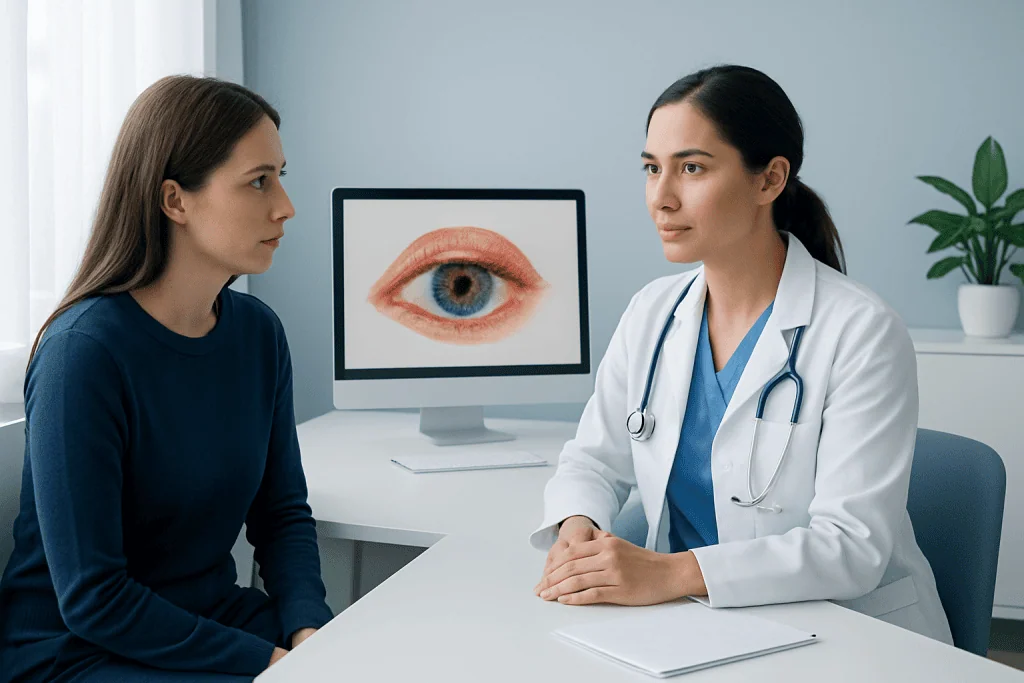
Ringworm around the eye is caused by dermatophytes, a group of fungi that live on keratin in the outer layers of skin and hair. These fungi can spread through direct skin contact, shared towels, makeup tools, hats, pillows, or contact with infected pets, especially cats and dogs. In children, ringworm on the face may spread from scalp infection or from close household contact.
True fungal infections of the eye itself are less common and usually happen under specific circumstances. Risk factors can include eye injury, especially with plant material or soil exposure, contact lens misuse, previous eye surgery, chronic eye surface disease, or use of steroid eye drops. People with weakened immune systems may also be more vulnerable.
It is also possible for a rash near the eye to be mistaken for ringworm when the cause is different. Conditions like eczema, allergic reactions, blepharitis, psoriasis, or bacterial infection can cause similar redness and irritation. In some cases, steroid creams used without proper diagnosis can make fungal infections less obvious while allowing them to continue spreading.
How Doctors Diagnose It
Diagnosis begins with a history and physical examination. The doctor asks when the symptoms started, whether the area itches or hurts, if vision has changed, and whether there has been contact with pets, infected family members, contact lenses, trauma, or recent use of creams or eye drops. A close look at the skin and eye helps narrow the cause.
If the problem appears to be ringworm on the skin near the eye, the clinician may take a gentle skin scraping or pluck affected hairs for laboratory testing. This can help confirm a fungal cause and guide treatment. If the eyelid margin or surrounding facial skin is involved, the pattern may overlap with skin rash conditions from other causes, so confirmation can be useful.
If eye involvement is suspected, a detailed eye examination is needed. An ophthalmologist may use magnification and special dye to examine the cornea and eye surface. In some cases, samples are taken for microscopy or culture. Imaging is not always necessary, but it may be used if there is concern about deeper infection or complications.
Treatment Options
Treatment depends on where the infection is located. Ringworm on the skin around the eye is usually treated with antifungal medication recommended by a doctor. Because the skin near the eyes is thin and sensitive, products that are safe on the arms or legs may not be appropriate close to the eyelids. A clinician chooses the safest formulation and explains how to apply it without getting it into the eye.
If the rash is extensive, recurrent, involves eyebrow hairs, or does not improve, an oral antifungal medicine may be considered. The area should be kept clean and dry, and personal items such as towels, pillowcases, and makeup tools should not be shared. If a pet may be the source, veterinary evaluation can help prevent reinfection.
When the eyeball itself is infected, treatment is more specialized and urgent. Fungal infection of the cornea may require antifungal eye drops, close monitoring, and sometimes procedures used in advanced corneal treatment plans if severe damage occurs. Some patients with structural damage or persistent disease may need further eye surgery, but this depends on the cause and extent of infection.
It is important not to self-treat with steroid creams or steroid eye drops unless prescribed. Steroids can worsen fungal disease or delay proper diagnosis. For patients with complicated eye findings, ophthalmology care helps tailor treatment and protect vision.
Self-Care, Prevention, and Daily Habits
Good hygiene can reduce the chance of ringworm spreading around the face and eye area. Hands should be washed after touching the rash, applying medicine, handling pets, or sharing living spaces with someone who has a fungal infection. Pillowcases, towels, washcloths, hats, and eye makeup tools should be cleaned regularly and not shared.
People who wear contact lenses should follow careful lens hygiene and never use lenses while the eye is red, painful, or irritated unless a clinician says it is safe. Eye cosmetics should be replaced if contamination is possible. Any facial or eyelid product that causes burning or worsening redness should be stopped until the skin and eye are evaluated.
At home, comfort measures may help, but they should not replace medical care for eye symptoms. A doctor may advise gently cleansing the skin, avoiding scratching, and following treatment exactly as directed. Persistent, spreading, or recurring problems deserve reassessment because the diagnosis may need to be reviewed.
When to Seek Medical Care
Medical care is advisable whenever a rash is very close to the eye, because treatment needs to be chosen carefully. A person should arrange prompt evaluation if the rash is spreading, not improving, recurrent, or associated with swelling of the eyelids or eyebrow hair loss.
Urgent eye assessment is important if there is eye pain, blurred vision, light sensitivity, significant redness of the eyeball, pus-like discharge, or the feeling of a foreign body in the eye. These symptoms may signal corneal involvement or another eye disorder that should not be managed as a simple skin infection.
Children, contact lens wearers, people with diabetes, and those with weakened immune systems may need earlier assessment. Near the end of the care pathway, it may be reassuring to know that Acibadem International’s multidisciplinary specialists and JCI-accredited hospitals diagnose and treat eye and skin conditions for international patients.
Frequently asked questions
Can ringworm actually grow on the eyeball?
Usually, no. Ringworm is a fungal infection of skin, hair, or nails, so it most often affects the skin around the eye rather than the eyeball itself. When the eyeball is infected by fungus, doctors usually describe it as a fungal eye infection, not ringworm.
What does ringworm near the eye look like?
It may appear as a red, scaly, itchy patch with a slightly raised border. Sometimes it forms a ring shape, but not always. On the eyebrow, it can also cause flaky skin or patchy hair loss.
Is ringworm around the eye dangerous?
Skin ringworm near the eye is usually treatable, but it should be assessed because the area is delicate. The main concern is making sure the eyeball is not involved and that the rash is not another condition. Pain, vision changes, or light sensitivity need prompt medical review.
Can I use over-the-counter antifungal cream near my eye?
It is best not to apply creams close to the eye without medical advice. Some products may irritate the eye or be unsafe on eyelid skin. A doctor can recommend the most appropriate treatment and how to use it safely.
Can steroid cream make ringworm worse?
Yes, it can. Steroid creams may reduce redness temporarily while allowing a fungal infection to continue or spread. This can make the rash harder to recognize and delay proper treatment.
How is a fungal eye infection different from a skin fungal infection?
A skin fungal infection usually causes itching, scaling, and a rash on the outer skin. A fungal eye infection may cause pain, redness of the eye, blurry vision, tearing, discharge, or sensitivity to light. Eye infections need specialist evaluation because they can affect vision.
References
- American Academy of Ophthalmology
- American Academy of Dermatology
- Centers for Disease Control and Prevention
- National Eye Institute
- Merck Manual Professional Edition
This article is for general information only and is not a substitute for professional medical advice. Please consult a qualified doctor about your individual situation.
Hair transplant in Turkey — costs, graft counts & a free assessment
JCI-accredited · board-certified surgeons · reply within 24h
Add us as a Preferred Source to see more of our trusted health content across Google Search, AI Overviews and Discover.