Road to Recovery: A Week-by-Week Timeline
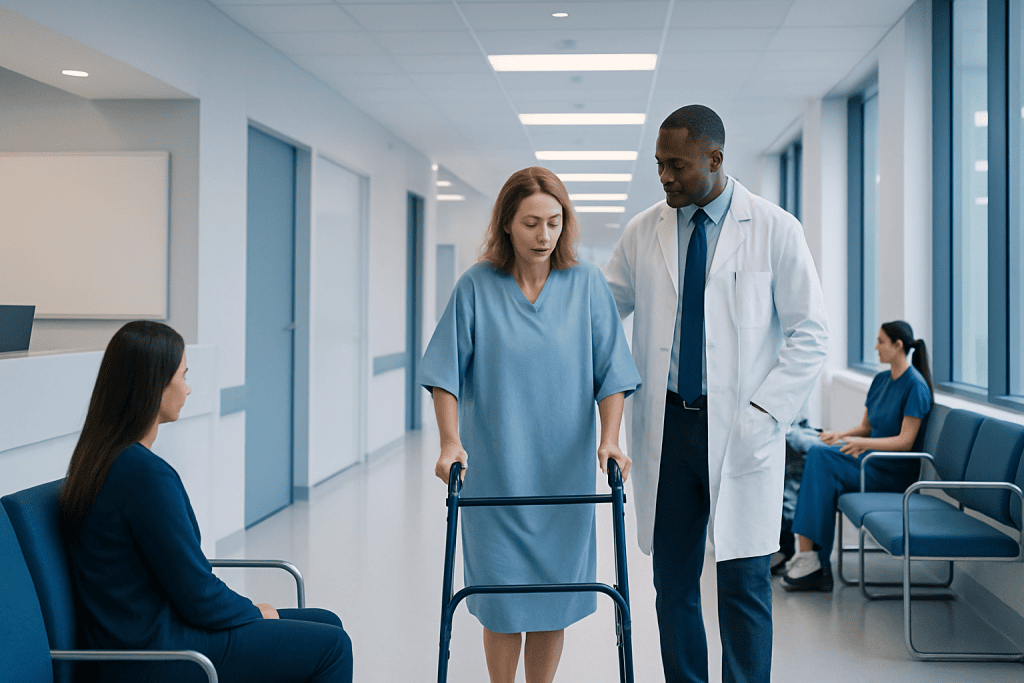
Postpartum recovery begins immediately after birth and commonly continues beyond the six-week checkup. Bleeding, fatigue, breast changes, pelvic soreness and emotional ups and downs can be normal, but should improve rather than steadily worsen.
Key Takeaways
- Postpartum recovery begins immediately after birth and commonly continues beyond the six-week checkup.
- Bleeding, fatigue, breast changes, pelvic soreness and emotional ups and downs can be normal, but should improve rather than steadily worsen.
- Recovery needs differ after vaginal birth, cesarean birth, tears, complications and pre-existing health conditions.
- Rest, nutrition, hydration, gentle movement and practical support are important parts of postpartum healing.
- Urgent symptoms such as heavy bleeding, chest pain, breathing difficulty, severe headache or thoughts of self-harm need prompt medical attention.
The road to recovery after childbirth is individual, but most physical healing occurs gradually over the first six weeks and continues for months as the body, emotions and daily routines adjust. A week-by-week guide can help new parents understand common changes, support recovery and recognize when medical advice is needed.
Road to Recovery: What Is a Recovery Timeline?
A recovery timeline is a practical outline of the physical and emotional changes that may occur after an illness, injury, pregnancy or medical procedure. It is not a deadline. Recovery progresses at different rates depending on a person’s health before pregnancy, type of birth, sleep, support at home, feeding choices and whether complications occurred.
After childbirth, the road to recovery starts in the first hours after delivery. The uterus begins returning toward its pre-pregnancy size, postpartum bleeding begins, and the body adapts to hormonal changes. Healing of vaginal tissues, abdominal muscles and any incision or tear also takes time.
A six-week postpartum visit is an important clinical checkpoint, but it does not mean recovery is complete for everyone. Some concerns, including pelvic floor symptoms, pain, mood changes, breastfeeding difficulties and scar discomfort, may need support for longer. Follow-up should be individualized rather than limited to a single appointment.
How to Start the Road to Recovery?
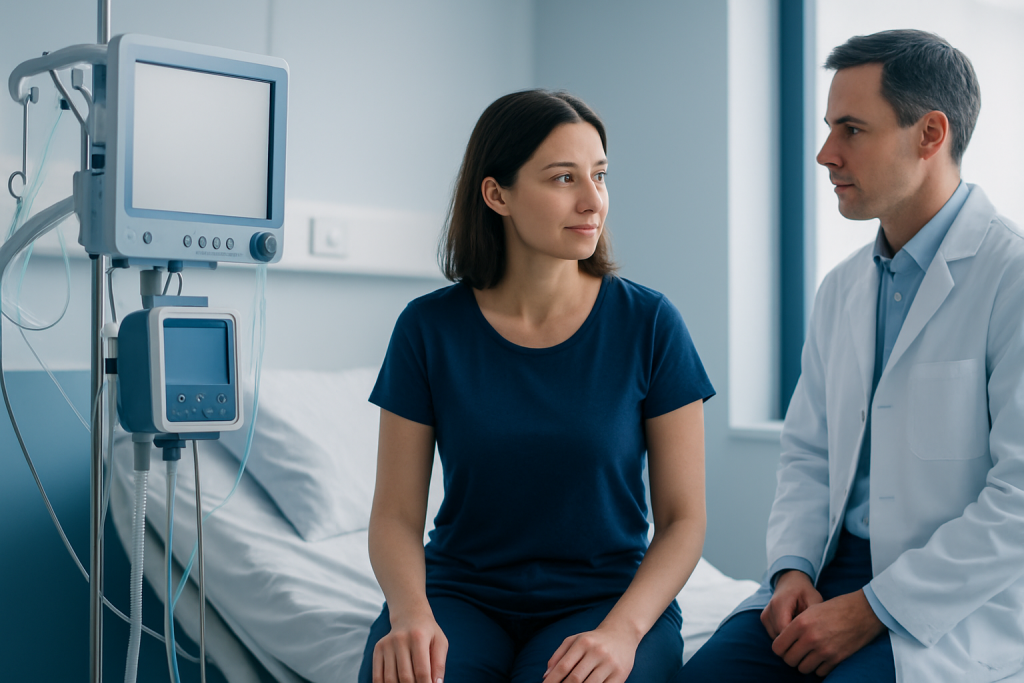
Starting the road to recovery means setting realistic priorities: healing, rest, nourishment, connection and medical follow-up. In the early days, recovery is usually more important than returning quickly to household tasks, exercise routines or work responsibilities. Accepting help with meals, laundry, older children and errands can protect time for rest.
New parents can begin with simple, safe measures: drink regularly, eat balanced meals with protein and fiber, take prescribed medicines as directed, and change pads or dressings according to the care team’s instructions. Gentle walking around the home and regular changes of position may support circulation and comfort, unless a clinician advises otherwise.
It is also helpful to arrange postpartum appointments before leaving the hospital or soon after arriving home. People recovering from cesarean birth, significant tears, high blood pressure, diabetes, infection, blood loss or mental health concerns may need earlier or more frequent reviews. A clinician can advise on activity, wound care, pain relief, contraception and feeding concerns based on the individual situation.
What Can I Expect to See in My Postpartum Healing Week by Week?

Days 1 to 7: Cramping as the uterus contracts, vaginal bleeding called lochia, perineal tenderness, fatigue and breast fullness are common. Lochia is often bright red at first and may include small clots. After a cesarean birth, incision soreness and difficulty moving comfortably are expected early on, although severe or worsening pain should be assessed. Sleep may be fragmented, so short periods of rest can be valuable.
Week 2: Bleeding often becomes lighter and may look pinkish or brown. Swelling and soreness from a vaginal birth usually start to improve, while bruising or stitches may still be uncomfortable. Milk supply may be becoming established for those who breastfeed, and nipple pain, engorgement or feeding difficulties should be discussed promptly with a qualified clinician or lactation professional.
Weeks 3 and 4: Many people notice greater mobility and a gradual return of energy, although fatigue remains common. Lochia may become yellowish or creamy before stopping. Gentle activity may feel more manageable, but high-impact exercise, heavy lifting and abdominal strain may not yet be appropriate. Pelvic floor awareness and slow breathing exercises can be useful when comfortable and approved by a healthcare professional.
Weeks 5 and 6: External wounds and many vaginal tears have often healed substantially, and bleeding may have stopped or become minimal. Some people feel ready to discuss resuming sex, driving, exercise or work, but readiness varies. Pain, incontinence, pelvic heaviness, persistent bleeding, scar problems or emotional distress are reasons to seek further assessment rather than push through symptoms.
After six weeks: Recovery can continue for several months. Core strength, pelvic floor function, scar sensitivity, sexual comfort, sleep and mood may change gradually. A tailored rehabilitation plan can be helpful for persistent pain, leakage, prolapse symptoms or difficulty returning to activity.
How Often Should I Take a Recovery Week?
There is no fixed schedule for taking a “recovery week” after childbirth. In fitness settings, a recovery week usually means reducing training intensity for several days. During postpartum healing, however, the first weeks should be viewed as a period of ongoing recovery rather than a time to resume demanding exercise immediately.
For people returning to structured physical activity, a clinician may recommend gradual progression based on symptoms, healing and the type of birth. A useful approach is to reduce or pause activity if bleeding becomes heavier, pain increases, urine leakage develops, pelvic pressure appears, or fatigue is excessive. These signs may mean the body needs more time and assessment.
Rest days remain important even after a person feels more active. Rather than following a universal weekly rule, activity should be adjusted to sleep, feeding demands, mental wellbeing and physical symptoms. A pelvic health physiotherapist, obstetrician or primary care clinician can provide individualized guidance, particularly after cesarean birth, a complicated delivery or pelvic floor injury.
Benefits, Limits and Risks of a Structured Recovery Plan
A structured recovery plan can make the road to recovery feel more manageable. It may help a new parent pace activity, monitor changes, attend follow-up appointments and identify practical support needs. It can also encourage attention to emotional wellbeing, which is as important as physical healing.
However, a timeline should never be used to compare one person’s recovery with another’s. Healing can be slower after a cesarean birth, severe vaginal tear, assisted birth, infection, significant blood loss or pregnancy-related medical condition. Trying to meet an arbitrary milestone may increase discomfort, delay healing or contribute to stress.
Potential complications include infection, wound separation, abnormal bleeding, blood clots, high blood pressure after birth, urinary or bowel problems, pelvic floor dysfunction and postpartum depression or anxiety. Most postpartum symptoms are treatable, and early medical review can help prevent concerns from becoming more difficult to manage. For ongoing pelvic floor concerns, information on pelvic organ prolapse may also be relevant.
- Build activity gradually rather than increasing intensity suddenly.
- Use pain and bleeding as signals to slow down and seek advice when needed.
- Discuss return to exercise, intercourse and work at a postpartum review.
- Ask for mental health support early if persistent sadness, worry or overwhelm develops.
Self-Care That Supports Postpartum Healing
Postpartum self-care should be practical and compassionate. Regular meals, fluids, sleep whenever possible and support from family or friends can help the body recover. Constipation is common after birth and may worsen perineal or incision discomfort, so fluids, fiber-rich foods and clinician-recommended treatment can be useful.
Perineal care may include gentle rinsing with water, changing sanitary pads regularly and using cold packs or sitz baths if advised. Cesarean incision care generally involves keeping the area clean and dry, wearing comfortable clothing and following the surgical team’s instructions. Do not apply creams, powders or other products to a wound unless they have been recommended.
Emotional recovery can include many feelings, from joy and relief to worry, irritability or sadness. Brief mood changes are common in the first days after birth, but symptoms that are intense, persist beyond two weeks or interfere with daily life deserve professional support. Acibadem International’s multidisciplinary specialists and JCI-accredited hospitals provide postpartum assessment and care for international patients when needed.
When to Seek Medical Care
Contact a maternity care provider, obstetrician or primary care clinician promptly if postpartum bleeding becomes heavier rather than lighter, if a pad is soaked within an hour, if large clots occur, or if there is a foul-smelling discharge. Medical advice is also important for fever, worsening abdominal pain, painful urination, increasing redness or drainage from a wound, or severe breast pain with flu-like symptoms.
Seek emergency medical care for chest pain, shortness of breath, fainting, seizures, sudden swelling or pain in one leg, severe headache with vision changes, confusion, or severe upper abdominal pain. These symptoms can indicate serious conditions that require urgent assessment.
Urgent mental health support is needed for thoughts of self-harm, thoughts of harming the baby, feeling detached from reality, extreme agitation or hearing or seeing things others do not. A trusted person should stay with the affected individual while emergency or urgent professional help is arranged.
Frequently asked questions
What is a recovery timeline?
A recovery timeline describes the stages of healing a person may experience after a health event, such as childbirth, surgery or illness. It provides general expectations, but it cannot predict exactly how quickly one individual will recover. Symptoms, medical history and complications can all affect the pace of recovery.
What can I expect to see in my postpartum healing week by week?
During the first week, bleeding, cramping, soreness and tiredness are common. Over the next several weeks, bleeding and wound discomfort usually lessen while mobility gradually improves. Full recovery may continue beyond six weeks, especially after cesarean birth, tears or complications.
How often should I take a recovery week?
After childbirth, there is no universal recovery-week schedule because the early postpartum period is itself a time of active healing. People returning to exercise should increase activity gradually and reduce it if pain, heavier bleeding, leakage, pelvic pressure or excessive fatigue develops. A clinician can give more specific advice based on the delivery and health needs.
How do I start the road to recovery after childbirth?
Start by focusing on rest, hydration, regular nourishing meals, prescribed medicines and follow-up care. Ask for practical help so that healing and bonding time are protected. Gentle movement can be useful when comfortable, but strenuous activity should wait until it is appropriate for the individual recovery.
How long does postpartum bleeding last?
Postpartum bleeding, or lochia, often lasts several weeks and typically changes from red to brown, pink and then lighter-colored discharge. It should generally become lighter over time. Heavy bleeding, a sudden increase in bleeding, large clots or an unpleasant odor should be discussed with a healthcare professional.
When can I exercise after giving birth?
Gentle movement may be appropriate soon after an uncomplicated birth if a clinician has not advised against it. The timing for more strenuous exercise depends on the type of birth, wound healing, symptoms and overall health. A gradual return with medical guidance is especially important after cesarean birth or complications.
References
- American College of Obstetricians and Gynecologists
- World Health Organization
- Centers for Disease Control and Prevention
- National Institute for Health and Care Excellence
- Royal College of Obstetricians and Gynaecologists
This article is for general information only and is not a substitute for professional medical advice. Please consult a qualified doctor about your individual situation.
Explore treatments in Turkey — costs, top hospitals & a free quote
JCI-accredited · board-certified surgeons · reply within 24h
Add us as a Preferred Source to see more of our trusted health content across Google Search, AI Overviews and Discover.
Check your numbers in seconds
BMI, calories, due date, blood pressure and 30+ more clinical calculators — free, instant, doctor-reviewed ranges.