Robotic Surgery 2026: Procedure, Recovery and Results
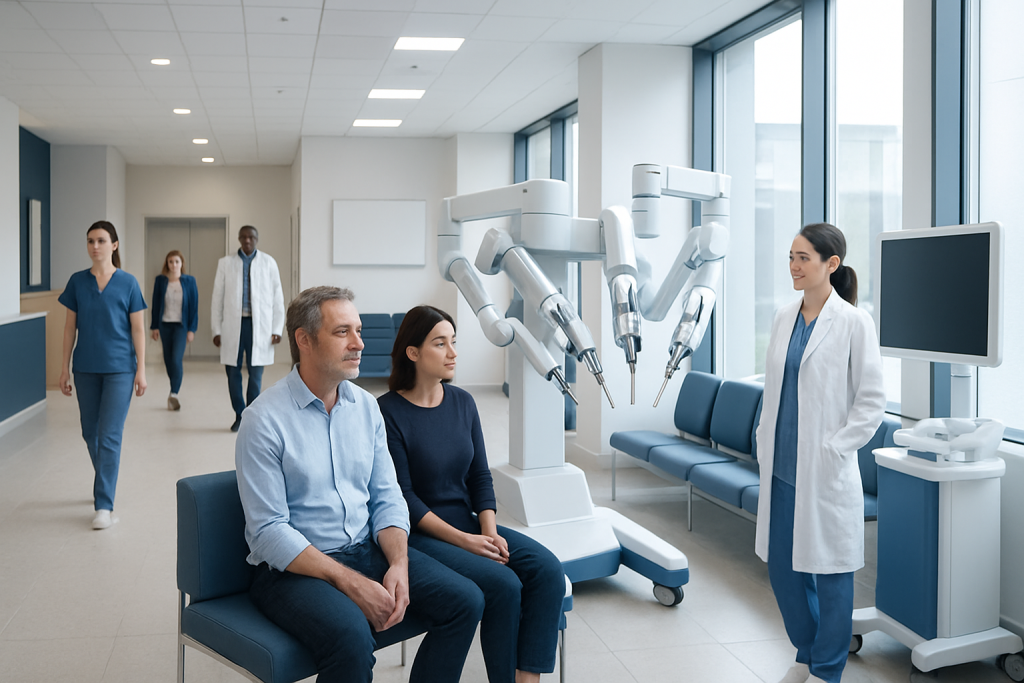
Robotic surgery is surgeon-controlled; the robot does not perform an operation independently. It may allow smaller incisions, less blood loss and a shorter hospital stay for some procedures.
Key Takeaways
- Robotic surgery is surgeon-controlled; the robot does not perform an operation independently.
- It may allow smaller incisions, less blood loss and a shorter hospital stay for some procedures.
- Not every patient or condition is suitable for a robotic approach, and open or conventional laparoscopic surgery may sometimes be safer.
- Recovery ranges from days to weeks for many minimally invasive procedures, while full internal healing can take longer.
- All surgery carries risks, including bleeding, infection, blood clots, injury to nearby structures and possible conversion to open surgery.
Robotic surgery 2026 refers to minimally invasive operations performed by a trained surgeon using a computer-guided robotic system. It can offer excellent visualization and precision for selected procedures, but recovery, pain, risks and results depend primarily on the condition being treated and the type of operation.
Robotic Surgery 2026: An Overview
Robotic surgery 2026 describes a form of minimally invasive surgery in which a surgeon controls specialized instruments from a console. The system translates the surgeon’s hand movements into small, precise movements inside the body while providing a high-definition, magnified view of the surgical area. It is not autonomous: the surgeon remains in control throughout the operation.
Robotic platforms are used across several specialties, including urology, gynecology, general surgery, colorectal surgery, thoracic surgery and selected heart procedures. They may be used to remove a cancer, repair a hernia, treat endometriosis, operate on the prostate, remove a kidney lesion, or address other conditions when an experienced surgical team considers this approach appropriate.
The best technique is individualized. A robotic approach may be helpful in confined or difficult-to-reach areas, but conventional laparoscopy or open surgery can be preferable depending on anatomy, prior operations, disease extent, urgency and the goals of treatment. The expected outcome should be discussed in terms of the specific operation rather than the technology alone.
How Robotic Surgery Works and Who May Be a Candidate
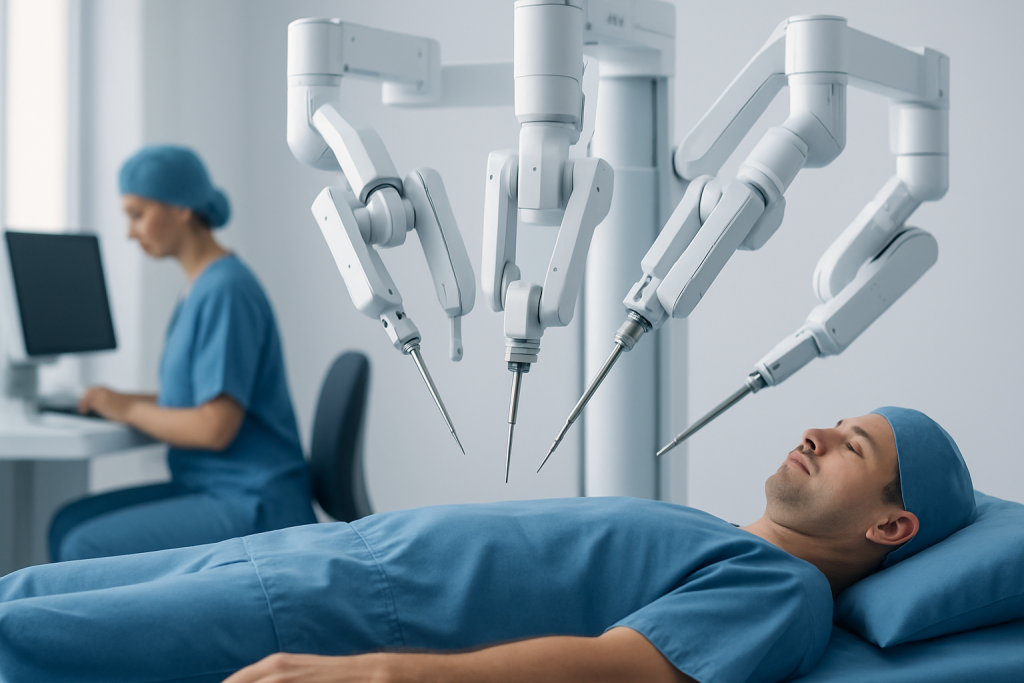
During robotic surgery, several small incisions are usually made to place a camera and slender surgical instruments. The surgeon sits at a nearby console, views the operative field in three dimensions, and controls the instruments. These instruments can bend and rotate in ways that may support delicate dissection and suturing.
A person may be considered for robotic surgery when their condition can be treated safely through a minimally invasive approach and when the expected benefits outweigh the risks. Assessment commonly includes a medical history, physical examination, imaging or laboratory tests, review of previous surgery, and discussion of medications such as blood thinners.
Candidacy is affected by the operation needed rather than age alone. Extensive scar tissue, severe inflammation, large or advanced tumors, unstable medical conditions, certain anatomical factors, or the need for emergency treatment can make another approach more appropriate. A surgeon may also recommend changing to an open operation during surgery if this offers better safety or control.
Robotic surgery program development involves more than acquiring equipment. Safe programs depend on surgeon training, team-based simulation, anesthesia and nursing expertise, quality monitoring, appropriate case selection and clear pathways for managing complications.
What Happens During a Robotic Surgery Procedure

Before surgery, patients usually meet the surgical and anesthesia teams, receive fasting instructions, and may need to adjust certain medicines under medical guidance. On the day of surgery, general anesthesia is commonly used, meaning the patient is asleep and does not feel the operation. Preventive measures for infection and blood clots may also be used when appropriate.
After anesthesia begins, the team positions the patient carefully and makes small incisions. A camera and robotic instruments are inserted, and the abdomen or chest may be gently inflated with carbon dioxide gas in procedures where space is needed. The surgeon then performs the planned repair, removal or reconstruction while assistants at the operating table support the procedure.
At the end of the operation, instruments are removed and the incisions are closed. Tissue removed during surgery may be sent to a laboratory for examination. Patients are monitored in a recovery area until they are awake, comfortable and medically stable, then may go home or stay in hospital depending on the procedure and their health.
Administrative records may use robotic surgery procedure codes to describe the operation and related services. These coding details vary by country, insurer and procedure, and do not determine whether robotic surgery is medically appropriate for an individual patient.
Benefits, Limits and Possible Risks
For suitable patients, robotic surgery may provide smaller incisions, less disruption of surrounding tissue, reduced blood loss, a shorter hospital stay and earlier return to ordinary activities compared with some open operations. The enhanced view and instrument range of motion can be especially useful for complex suturing or surgery in narrow spaces.
These potential benefits are not guaranteed. Results can differ according to the disease, the complexity of surgery, the surgeon’s experience, the patient’s overall health and whether the operation is planned or urgent. For cancer surgery, the most important goal remains complete and appropriate treatment of the cancer; the surgical approach is one part of that decision.
Robotic surgery has risks similar to those of other operations. They include anesthesia reactions, bleeding, infection, blood clots, wound problems, pain, injury to nearby organs or blood vessels, and the possible need for further treatment. In some cases, the surgeon may need to convert to open surgery for safety. Carbon dioxide gas used in some procedures can also contribute to temporary shoulder-tip discomfort or bloating afterward.
Current robotic surgery recommendations generally emphasize informed consent, appropriate patient selection, experienced teams and transparent discussion of alternatives. Patients should ask why a robotic approach is being recommended in their specific situation and what recovery and outcomes are realistic for that operation.
Robotic Surgery Recovery Time and Comfort
Robotic surgery recovery time varies widely. Some people go home on the same day or after one night, while more complex procedures require several days in hospital. Early recovery focuses on safe walking, breathing exercises when advised, pain control, wound care, drinking fluids and gradually returning to food as tolerated.
How painful is robotic surgery? Pain is often less than after a comparable open operation because incisions are smaller, but it is still normal to have incision tenderness, fatigue and movement-related discomfort. The degree of pain depends on the procedure, the organs involved, the number of incisions and individual factors. A care team can provide a personalized pain-management plan that may include non-opioid medicines and, when needed, short-term prescription medication.
What’s the worst day of recovery after surgery? There is no universal worst day. Many patients find the first one to three days most uncomfortable as anesthesia effects fade, swelling peaks and mobility begins to increase. Others feel more tired or sore after returning home. Worsening pain rather than gradual improvement, especially with fever or wound changes, should be reported to the surgical team.
Helpful self-care includes taking medicines only as directed, walking regularly but avoiding strenuous activity until cleared, preventing constipation with fluids and diet advice, and keeping follow-up appointments. Instructions differ after abdominal, pelvic, chest and other operations, so the surgeon’s directions should take priority over general guidance.
How Long Does It Take to Heal Completely After Robotic Surgery?
How long it takes to heal completely after robotic surgery depends on what was done. Many people resume light daily activity within one to two weeks after a straightforward minimally invasive procedure, while return to work may take several weeks depending on job demands. More extensive operations, cancer surgery and reconstructions can require a longer period of recovery.
Skin incisions may look healed within a few weeks, but deeper tissues continue to repair for weeks to months. Patients should not use the appearance of the incision alone to judge readiness for heavy lifting, intense exercise, driving or sexual activity. These activities should restart only when the surgical team confirms it is safe.
Follow-up visits help assess wound healing, bowel and bladder function, pain, pathology findings where relevant, and recovery of normal activity. A gradual improvement in energy is common, but fatigue can persist for several weeks after general anesthesia and major surgery.
What Is the Success Rate of Robotic Surgery?
What is the success rate of robotic surgery? There is no single percentage that applies to all robotic operations. Success is defined differently across procedures: it may mean removing disease, relieving symptoms, completing a repair, preserving organ function, avoiding complications or achieving cancer-control goals.
For many established procedures, robotic surgery can achieve outcomes comparable to other accepted surgical approaches when performed for the right indication by an experienced team. However, a robotic system itself does not guarantee better results. The underlying diagnosis, stage or severity of disease, surgical planning, pathology findings and postoperative care all matter.
Patients can ask their surgeon about expected outcomes for their particular procedure, alternatives to robotic surgery, the possibility of conversion to open surgery, likely hospital stay, and the complications most relevant to them. Earlier discussions around robotic surgery 2023 helped broaden public awareness, but decisions in 2026 should rely on current clinical assessment and the standards of the treating surgical team.
Acibadem International’s multidisciplinary specialists and JCI-accredited hospitals provide assessment and surgical care for international patients when robotic surgery is considered appropriate.
When to Seek Medical Care
Patients should contact their surgical team promptly if they develop increasing rather than improving pain, persistent vomiting, inability to drink fluids, new trouble passing urine, worsening abdominal swelling, redness or drainage from an incision, fever, or bleeding. These symptoms do not always indicate a serious problem, but they should be assessed without delay.
Emergency medical care is needed for chest pain, shortness of breath, fainting, coughing blood, severe uncontrolled pain, confusion, heavy bleeding, or one-sided leg swelling and pain. These can be signs of complications that require urgent evaluation.
Before surgery, a patient should seek medical advice if they develop a new infection, fever, significant change in health, or have questions about prescribed medicines. Clear communication with the care team supports safe preparation and recovery.
Frequently asked questions
Is robotic surgery safer than open surgery?
Robotic surgery is not automatically safer for every person or operation. For appropriately selected patients, it may reduce incision size and support a less invasive approach, but open surgery can be the safest option in some complex, urgent or advanced cases. The best approach is determined by the condition, anatomy and surgical expertise.
Is the surgeon in the room during robotic surgery?
Yes. The surgeon is in the operating room and controls the robotic instruments from a console. A trained bedside surgical team is also present throughout the procedure. The robotic system does not make decisions or operate independently.
Can robotic surgery be changed to open surgery?
Yes. A surgeon may convert from robotic to open surgery if unexpected findings, bleeding, scar tissue, anatomy or safety concerns arise. This is a recognized safety decision, not necessarily a complication or failure. Patients should discuss this possibility during consent.
When can someone drive after robotic surgery?
Driving should wait until the patient can move comfortably, react safely, and is no longer taking medicines that impair alertness. The timing varies by procedure and individual recovery. The surgical team should provide specific clearance.
Will robotic surgery leave scars?
Robotic surgery usually leaves several small scars where the camera and instruments enter the body. Scar appearance varies with the procedure, wound healing, skin type and individual factors. Incisions should be protected from sun exposure and cared for as instructed.
Does robotic surgery always mean a faster recovery?
Robotic surgery may support a faster recovery than some open operations, but this is not universal. Recovery also depends on the extent of surgery, complications, overall health and the reason for the operation. A surgeon can give the most relevant estimate after reviewing the planned procedure.
References
- World Health Organization
- American College of Surgeons
- National Cancer Institute
- Society of American Gastrointestinal and Endoscopic Surgeons
- U.S. Food and Drug Administration
This article is for general information only and is not a substitute for professional medical advice. Please consult a qualified doctor about your individual situation.
Explore treatments in Turkey — costs, top hospitals & a free quote
JCI-accredited · board-certified surgeons · reply within 24h
Add us as a Preferred Source to see more of our trusted health content across Google Search, AI Overviews and Discover.