Rubella vs Rubeola: Key Differences and How Doctors Tell Them Apart

Rubella is also called German measles, while rubeola is measles. Rubeola usually causes higher fever, cough, runny nose, red eyes, and a more intense illness than rubella.
Key Takeaways
- Rubella is also called German measles, while rubeola is measles.
- Rubeola usually causes higher fever, cough, runny nose, red eyes, and a more intense illness than rubella.
- Rubella often causes swollen lymph nodes and a milder rash illness, but it is especially important in pregnancy because it can harm a developing baby.
- Doctors use the pattern of symptoms, exposure history, vaccination status, physical examination, and laboratory testing to tell them apart.
- Supportive care is common for both, but rubeola may require closer monitoring because complications are more likely.
- Vaccination is the most effective way to prevent both infections.
Rubella and rubeola are different viral illnesses, even though their names sound similar and both can cause fever and rash. In general, rubella is usually a milder infection, while rubeola is measles, a more contagious illness that often causes higher fever, cough, and more pronounced symptoms.
Rubella vs rubeola at a glance
Rubella and rubeola are not the same disease. Rubella is often called German measles, while rubeola is measles. Both are viral infections that can cause a spreading rash and fever, but they differ in how severe they tend to be, how contagious they are, and which complications doctors worry about most.
A simple way to remember the difference is that rubeola usually makes people feel much sicker. It often brings a high fever, cough, runny nose, and red or irritated eyes before the rash appears. Rubella is usually milder and may cause tender swollen lymph nodes, a lighter fever, and a shorter illness.
Doctors also think about the setting. If a person has been exposed during a known measles outbreak, has classic respiratory symptoms, or is very unwell, rubeola becomes more likely. If the illness is mild but includes swollen lymph nodes, especially behind the ears or at the back of the neck, rubella may be considered.
- Cause: Rubella virus vs measles virus
- Common name: German measles vs measles
- Typical severity: Rubella is often milder; rubeola is often more severe
- Typical early symptoms: Rubella may cause mild fever and swollen lymph nodes; rubeola often causes high fever, cough, coryza, and conjunctivitis
- Main special concern: Rubella in pregnancy; rubeola complications such as pneumonia and brain inflammation
- Prevention: Both are prevented with MMR vaccination
What symptoms make them different?
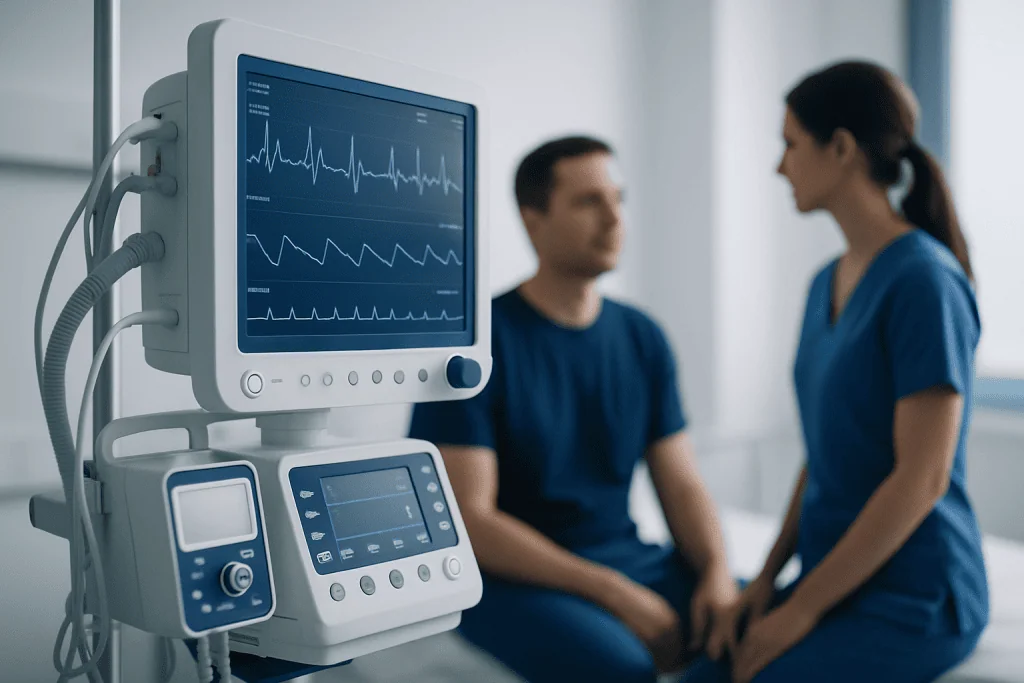
Although both illnesses can start with fever and a rash, the pattern often differs. Rubeola usually begins with several days of fever and cold-like symptoms. A person may have a cough, runny nose, and red watery eyes, then develop a red blotchy rash that starts on the face and spreads downward. Many people feel significantly unwell.
Rubella is often less dramatic. Fever may be low-grade or absent, especially in some children. The rash also often starts on the face and spreads, but it may be lighter and fade more quickly. Swollen lymph nodes, especially behind the ears and in the back of the neck, are a classic clue and can appear before the rash.
Another difference is how adults may experience the illness. Adults with rubella, especially women, can develop joint pain or stiffness that lasts days to weeks. This is less typical of rubeola. In contrast, rubeola is more likely to cause a stronger inflammatory illness with poor appetite, marked fatigue, and dehydration risk if fever is high.
These patterns are helpful, but symptoms can overlap. Not every person develops textbook signs, and vaccination can change how illness appears. That is why doctors do not rely on the rash alone when deciding whether the illness is rubella, rubeola, or another cause of fever and rash.
How a clinician tells rubella from rubeola
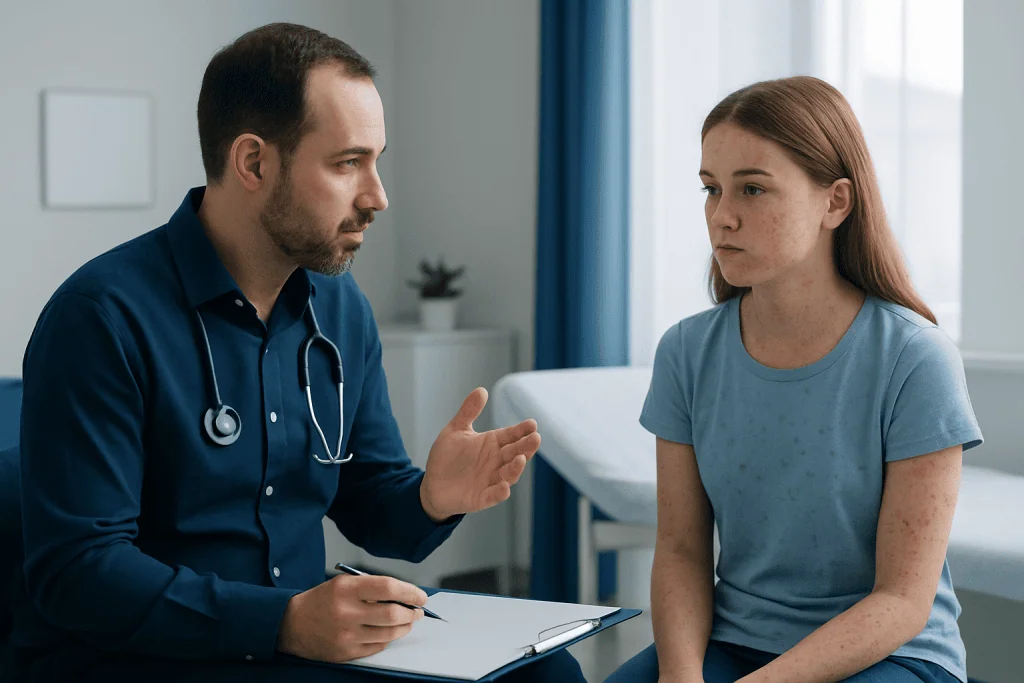
Doctors usually start with a careful history. They ask when the fever began, when the rash appeared, whether there was cough or red eyes, and whether swollen lymph nodes were noticed. They also ask about travel, exposure to someone with a diagnosed infection, local outbreaks, and vaccination history.
The physical examination offers important clues. A doctor may look for conjunctivitis, signs of dehydration, and the distribution of the rash. In suspected rubeola, clinicians may look inside the mouth for Koplik spots, which are small white lesions on the inner cheek that can appear before the rash. In suspected rubella, they may pay close attention to lymph node swelling behind the ears and along the neck.
Laboratory testing helps confirm the diagnosis. Depending on timing and local public health guidance, clinicians may order blood tests for antibodies and swab-based molecular tests such as PCR. These are especially important when symptoms are atypical, when public health reporting is needed, or when the patient is pregnant, immunocompromised, or seriously ill.
Because a rash can also come from other infections or medication reactions, doctors may consider other causes such as measles, scarlet fever, parvovirus infection, roseola, or noninfectious skin conditions. If needed, they may use diagnostic imaging or additional testing not to diagnose the rash itself, but to assess complications such as pneumonia in a patient with severe rubeola symptoms.
Why the diagnosis matters
Telling rubella and rubeola apart matters because the risks are different. Rubella is often mild for the infected person, but it can be very serious during pregnancy because it may affect the developing baby. For that reason, a pregnant person with possible exposure or symptoms needs prompt medical guidance, even if the illness seems mild.
Rubeola matters because it spreads very easily and can lead to complications, especially in infants, pregnant people, older adults, and anyone with a weakened immune system. These complications can include ear infection, dehydration, pneumonia, and, more rarely, inflammation of the brain. A correct diagnosis also helps with infection control and public health measures to reduce spread.
There is also practical value in getting the name right. Many people assume that “German measles” is just another term for measles, but it is not. Since the viruses are different, the expected course, the warning signs, and the counseling around close contacts can be different as well.
When the diagnosis is uncertain, doctors may recommend isolation precautions until test results are available. This approach protects family members, coworkers, classmates, and vulnerable contacts while the cause of the rash illness is clarified.
What to do if it is rubella or rubeola
For both rubella and rubeola, care is usually supportive. This means rest, fluids, temperature control, and monitoring for worsening symptoms. A doctor may suggest ways to ease fever or discomfort and will advise the person to stay home and avoid exposing others until it is safe.
If rubella is diagnosed, the main next step is often contact guidance. Special attention is given if the patient is pregnant or has been around someone who is pregnant. The clinician may coordinate follow-up testing and counseling, and may involve specialists if needed. In selected situations, referral to perinatology can be appropriate when pregnancy-related assessment is needed.
If rubeola is diagnosed, doctors may monitor more closely for breathing problems, dehydration, ear symptoms, or signs of complications. Hospital care may be needed for some patients, particularly very young children, frail adults, pregnant people, or those with significant underlying illness. If a lung complication develops, evaluation related to pneumonia may be part of care.
Antibiotics do not treat either rubella or rubeola because both are caused by viruses. However, antibiotics may sometimes be used if a bacterial complication occurs. The most important step is to follow a clinician’s advice, avoid exposing others, and seek reassessment if symptoms change.
Prevention and self-care
The most effective prevention for both rubella and rubeola is vaccination. In many countries, protection is provided through the MMR vaccine, which covers measles, mumps, and rubella. People who are unsure of their vaccination status can discuss records, immunity, and catch-up options with a qualified doctor.
Good infection-control habits also matter. Staying home when ill, covering coughs and sneezes, washing hands, and avoiding close contact with vulnerable people can reduce spread. Because rubeola is especially contagious, public health recommendations may include more specific isolation measures when measles is suspected or confirmed.
At home, self-care focuses on hydration, rest, and comfort. A person with fever and rash should pay attention to fluid intake, temperature, breathing, and overall energy. It is best not to send a child with suspected contagious rash illness to school or group settings until a clinician has advised that it is safe.
If a rash illness is associated with pregnancy, infancy, or a weakened immune system, it is wise to seek medical advice early rather than relying on home care alone. Near the end of the care journey, some patients may benefit from coordinated review by infectious disease, pediatrics, internal medicine, or obstetric specialists. Acibadem International’s multidisciplinary specialists and JCI-accredited hospitals diagnose and treat infectious conditions for international patients when needed.
When to seek medical care
Medical care should be sought promptly for fever with rash when the diagnosis is unclear, especially if there has been travel, known exposure, or incomplete vaccination. A clinician can help determine whether the illness may be rubella, rubeola, or another infection and can advise on testing and isolation.
Urgent assessment is important if there is trouble breathing, unusual sleepiness, confusion, signs of dehydration, persistent vomiting, severe weakness, chest pain, seizures, or a fever that seems difficult to control. These symptoms do not always mean a serious complication is present, but they should be evaluated without delay.
Pregnant people should contact a doctor promptly if they have possible rubella exposure or symptoms, even if they feel relatively well. Parents should also seek advice early for infants, and anyone with a weakened immune system should not wait to be evaluated.
If doctors suspect a complication of rubeola, they may coordinate supportive treatment or specialist input, such as pediatric infectious diseases for children or hospital-based care for dehydration or breathing concerns. Early evaluation helps guide the right precautions and supports safer recovery.
The bottom line
The phrase “rubella vs rubeola” can be confusing because the names sound alike, but they refer to two distinct viral illnesses. Rubella is generally milder and is especially important because of its risks in pregnancy, while rubeola is measles, which typically causes a higher fever, more prominent respiratory symptoms, and a greater chance of complications.
Doctors tell them apart by combining symptom patterns, exposure history, vaccination status, examination findings, and laboratory confirmation. This step matters not only for treatment and monitoring, but also for protecting others through appropriate isolation and public health follow-up.
For anyone with a new fever and rash, it is best not to guess based on internet images alone. A qualified healthcare professional can determine whether testing is needed and advise on safe next steps. In most cases, early evaluation brings clarity and reassurance.
Frequently asked questions
Is rubella the same as rubeola?
No. Rubella and rubeola are different viral infections, even though both can cause fever and rash. Rubella is also called German measles, while rubeola is measles.
Which is more serious, rubella or rubeola?
Rubeola is usually the more severe illness for the infected person and is more likely to cause high fever and complications such as pneumonia. Rubella is often milder, but it is especially important in pregnancy because it can affect the developing baby.
How can someone tell the difference between the two rashes?
The rash alone may not be enough to tell them apart. Doctors look at the full pattern, including fever level, cough, red eyes, swollen lymph nodes, timing of symptoms, and whether laboratory testing confirms the diagnosis.
Do both illnesses spread easily?
Yes, both are contagious, but rubeola is especially contagious and can spread very efficiently in unprotected groups. Because of this, suspected measles often requires strict isolation guidance and public health follow-up.
Can vaccinated people still get rubella or rubeola?
Vaccination greatly lowers the risk of infection and usually reduces the severity if illness occurs. However, no vaccine is perfect, so a doctor may still consider these infections in a person with compatible symptoms and exposure history.
What should a pregnant person do after possible rubella exposure?
They should contact a healthcare professional promptly, even if they have no symptoms or only mild symptoms. A doctor can review immunity status, consider testing if appropriate, and explain the safest next steps.
References
- World Health Organization
- Centers for Disease Control and Prevention
- American Academy of Pediatrics
- MedlinePlus
- Mayo Clinic
This article is for general information only and is not a substitute for professional medical advice. Please consult a qualified doctor about your individual situation.
Explore treatments in Turkey — costs, top hospitals & a free quote
JCI-accredited · board-certified surgeons · reply within 24h
Add us as a Preferred Source to see more of our trusted health content across Google Search, AI Overviews and Discover.