Sarcoidosis: Lung, Skin, and Eye Symptoms Explained
Sarcoidosis most commonly affects the lungs, skin, and eyes, but it can involve many organs. Symptoms vary widely and may include cough, shortness of breath, skin rashes, eye redness, and fatigue.
Key Takeaways
- Sarcoidosis most commonly affects the lungs, skin, and eyes, but it can involve many organs.
- Symptoms vary widely and may include cough, shortness of breath, skin rashes, eye redness, and fatigue.
- Diagnosis usually combines a physical exam, imaging, breathing tests, blood tests, and sometimes a biopsy.
- Treatment depends on which organs are involved and how severe the inflammation is.
- Regular follow-up is important because sarcoidosis can change over time, even when symptoms are mild.
Sarcoidosis is an inflammatory disease in which tiny clusters of immune cells, called granulomas, form in different parts of the body. It most often affects the lungs, skin, and eyes, but many people can be treated successfully and some improve without long-term problems.
Overview of sarcoidosis
Sarcoidosis is a condition in which the immune system becomes overactive and forms small areas of inflammation called granulomas. These granulomas can appear in one organ or in several parts of the body at the same time. The lungs and lymph nodes in the chest are affected most often, but the skin, eyes, heart, joints, liver, and nervous system can also be involved.
The exact cause of sarcoidosis is not fully understood. It is not generally considered contagious, and it is not a cancer. In many people, the disease is mild and may improve on its own. In others, inflammation lasts longer and can interfere with normal organ function, which is why careful diagnosis and follow-up are important.
Sarcoidosis can affect adults of different ages and backgrounds. Some people learn they have it after testing for a cough or an abnormal chest X-ray, while others seek care because of skin changes, eye irritation, or unexplained tiredness. Because symptoms can be different from one person to another, the condition may take time to recognize.
Symptoms: how sarcoidosis can affect the lungs, skin, and eyes
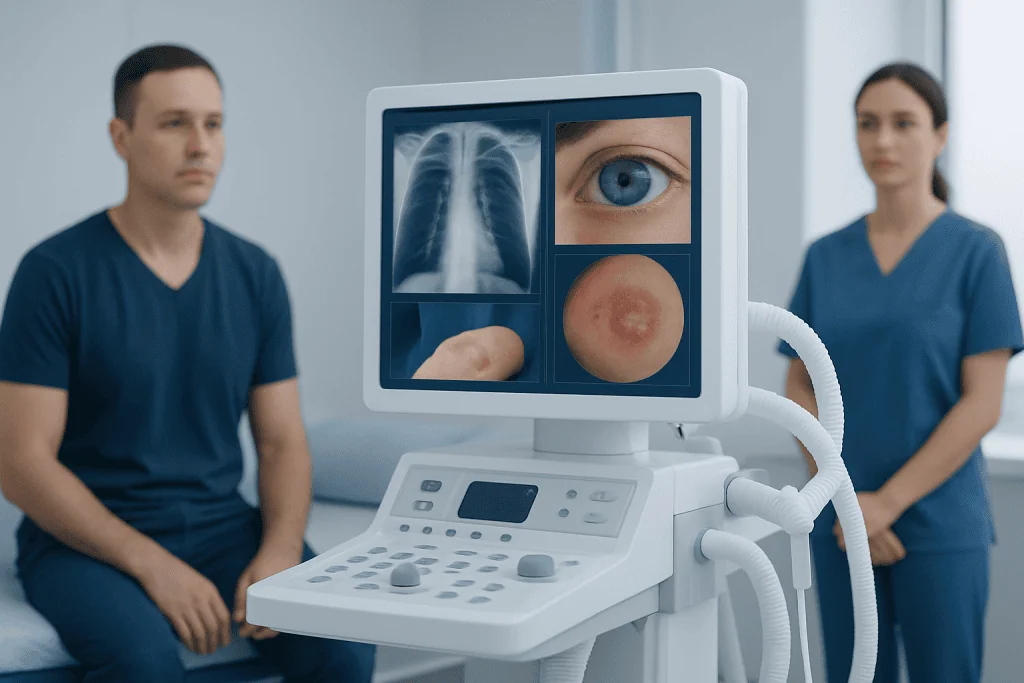
Symptoms of sarcoidosis depend on which organs are involved. Some people have no symptoms at all, while others develop problems gradually. General symptoms may include fatigue, fever, night sweats, weight loss, or a feeling of being unwell. These symptoms are not specific to sarcoidosis, so they need medical evaluation in context.
When the lungs are involved, people may have a dry cough, shortness of breath, wheezing, chest discomfort, or reduced exercise tolerance. Lung sarcoidosis is common and may be found even in people with mild breathing symptoms. In some cases, chest imaging shows enlarged lymph nodes or inflammation before a person notices clear respiratory complaints.
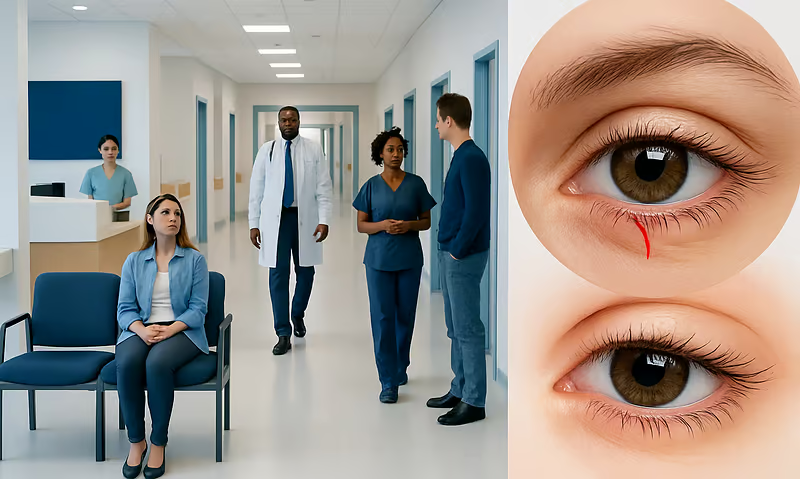
Skin sarcoidosis may appear as tender red bumps, commonly on the shins, patches of darker or lighter skin, raised plaques, or nodules under the skin. Some people develop changes around scars or tattoos. Eye sarcoidosis can cause redness, pain, blurred vision, light sensitivity, floaters, or excessive tearing. Because eye inflammation can sometimes threaten vision if untreated, new or persistent eye symptoms should not be ignored.
- Lung symptoms: dry cough, breathlessness, chest tightness
- Skin symptoms: rash, tender lumps, plaques, scar changes
- Eye symptoms: redness, pain, blurred vision, light sensitivity
- General symptoms: fatigue, fever, weight loss, swollen lymph nodes
Causes and risk factors

The exact cause of sarcoidosis remains unclear. Experts believe it may develop when the immune system reacts abnormally to a trigger in someone who is genetically susceptible. Possible triggers may include environmental exposures, infectious particles, or other factors, but no single cause explains all cases.
Having a family history may slightly increase the chance of developing sarcoidosis, suggesting that genetics play a role. Researchers also study how immune signaling and certain environmental exposures may contribute. However, this does not mean that everyone with a risk factor will develop the disease.
Sarcoidosis is sometimes confused with other conditions that can also cause inflammation, enlarged lymph nodes, or lung findings. Doctors may consider infections, autoimmune diseases, and other inflammatory lung disorders when evaluating a patient. In some cases, related respiratory conditions such as interstitial lung disease may need to be ruled out during the diagnostic process.
How sarcoidosis is diagnosed
There is no single test that confirms sarcoidosis in every patient. Diagnosis usually begins with a medical history and physical examination, followed by tests to look for inflammation and organ involvement. Doctors often combine symptoms, imaging results, lab tests, and tissue findings to make the diagnosis and to exclude other causes.
Common tests include a chest X-ray or computed tomography scan to look at the lungs and lymph nodes, breathing tests to assess lung function, blood tests, and an eye examination. Depending on symptoms, a heart assessment, liver testing, skin evaluation, or neurological assessment may also be needed. If a suspicious area is accessible, a biopsy may be recommended to confirm granulomas and help rule out infection or other diseases.
Because the condition can affect several organs, diagnosis may involve more than one specialist. A pulmonologist may assess lung disease, a dermatologist may examine skin lesions, and an ophthalmologist may evaluate eye inflammation. In selected cases, advanced approaches such as bronchoscopy can help obtain samples from the airways or lymph nodes for analysis.
Treatment options for sarcoidosis
Not everyone with sarcoidosis needs immediate treatment. If symptoms are mild and organ function is stable, doctors may recommend careful observation with regular follow-up visits and repeat testing. This is because some cases improve spontaneously over time.
When treatment is needed, the goal is to reduce inflammation, protect organ function, and improve symptoms. Corticosteroids are commonly used as a first-line treatment, especially for significant lung, eye, heart, or nervous system involvement. If long-term control is needed or steroids cause side effects, doctors may prescribe other immune-modulating medicines.
Treatment decisions depend on the organs involved and the severity of disease. Lung symptoms may improve with medical therapy and monitoring of breathing function. Skin disease may be managed with topical or systemic treatment, while eye inflammation often requires prompt care from an eye specialist. If chest symptoms are under evaluation, imaging such as chest X-ray or more detailed CT scanning may be part of ongoing assessment.
People with complex or multi-organ sarcoidosis often benefit from coordinated care. In selected situations, evaluation by respiratory medicine, dermatology, ophthalmology, cardiology, or rheumatology may all be useful. Acibadem International’s multidisciplinary specialists and JCI-accredited hospitals diagnose and treat sarcoidosis for international patients when broader assessment is needed.
Prevention, self-care, and living with sarcoidosis
There is no known way to fully prevent sarcoidosis because its exact cause is still uncertain. Even so, healthy habits can support overall lung and immune health. Avoiding smoking, limiting exposure to dust or chemical irritants when possible, staying physically active within personal limits, and following a balanced diet may all help general well-being.
Self-care is an important part of long-term management. People with sarcoidosis should take medicines exactly as prescribed, attend follow-up visits, and report any new symptoms. Because the disease can affect more than one organ, regular checkups may include lung tests, blood work, and eye examinations even when a person feels well.
Fatigue is a common challenge. Pacing activities, protecting sleep, managing stress, and asking for support at work or home may make day-to-day life easier. If vision changes, worsening breathlessness, palpitations, or fainting occur, medical advice should be sought promptly rather than waiting for the next routine appointment.
When to see a doctor
A doctor should be consulted if persistent cough, unexplained shortness of breath, ongoing fatigue, new skin lesions, swollen lymph nodes, or unexplained weight loss develop. These symptoms do not always mean sarcoidosis, but they deserve proper evaluation. Early assessment can help identify whether the lungs, skin, eyes, or other organs are involved.
Urgent medical attention is especially important for eye pain, sudden blurred vision, chest pain, severe shortness of breath, fainting, or a racing or irregular heartbeat. These symptoms may suggest more serious organ involvement and should not be delayed. Prompt treatment can help protect vision, breathing, or heart function.
Anyone already diagnosed with sarcoidosis should also seek review if symptoms return or treatment side effects become difficult to manage. Regular follow-up allows doctors to adjust therapy, monitor recovery, and look for complications. A clear, ongoing care plan can help many people live well with this condition.
Frequently asked questions
What is sarcoidosis in simple terms?
Sarcoidosis is an inflammatory disease that causes tiny clumps of immune cells, called granulomas, to form in the body. These clumps most often affect the lungs, skin, and eyes, but they can involve other organs too.
Is sarcoidosis always a lung disease?
No. Although the lungs are the most commonly affected organ, sarcoidosis can also involve the skin, eyes, lymph nodes, heart, liver, joints, and nervous system. Some people have symptoms in more than one area at the same time.
Can sarcoidosis go away on its own?
Yes, some cases improve without long-term treatment, especially when symptoms are mild. However, others persist or affect important organs, so regular follow-up is important even if a person feels better.
How serious is eye sarcoidosis?
Eye sarcoidosis can range from mild irritation to significant inflammation that may affect vision if not treated. Any eye redness, pain, blurred vision, or sensitivity to light should be assessed by an eye specialist promptly.
How do doctors confirm sarcoidosis?
Doctors usually combine a physical exam with imaging, breathing tests, blood tests, and sometimes a biopsy. The goal is both to identify granulomas and to rule out other conditions that can look similar.
What treatments are used for sarcoidosis?
Treatment depends on the organs involved and how severe the disease is. Some people only need monitoring, while others may need corticosteroids or other medicines that reduce inflammation and help protect organ function.
References
- National Heart, Lung, and Blood Institute
- National Institute of Arthritis and Musculoskeletal and Skin Diseases
- American Lung Association
- Mayo Clinic
- Merck Manual Consumer Version
This article is for general information only and is not a substitute for professional medical advice. Please consult a qualified doctor about your individual situation.
Sarcoidosis in Turkey — costs, top hospitals & a free quote
JCI-accredited · board-certified surgeons · reply within 24h
Add us as a Preferred Source to see more of our trusted health content across Google Search, AI Overviews and Discover.