Scfe Surgery: Procedure, Recovery and Results
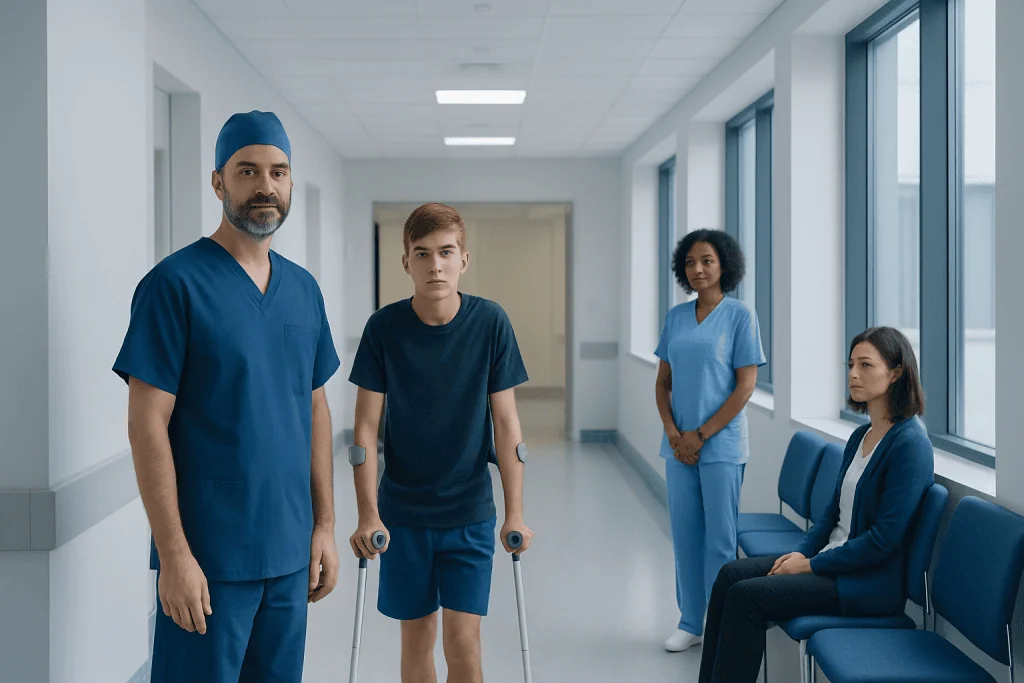
SCFE surgery usually involves placing one or more screws across the growth plate to prevent further slipping. A stable SCFE generally requires prompt surgery, while an unstable SCFE needs urgent specialist assessment.
Key Takeaways
- SCFE surgery usually involves placing one or more screws across the growth plate to prevent further slipping.
- A stable SCFE generally requires prompt surgery, while an unstable SCFE needs urgent specialist assessment.
- Recovery commonly includes a period of restricted weight-bearing, followed by gradual rehabilitation and regular imaging follow-up.
- Long-term outcomes depend on the severity and stability of the slip, timing of treatment, and whether complications develop.
- Children with SCFE need monitoring of both hips because the opposite hip may also be at risk.
SCFE surgery is an orthopedic procedure used to stabilize a slipped capital femoral epiphysis (SCFE), a condition in which the upper end of the thigh bone slips at the hip growth plate. Early assessment and treatment can limit further slipping, relieve pain, and help preserve the hip joint during growth.
SCFE Surgery: What It Is and Why It Is Performed
SCFE surgery treats slipped capital femoral epiphysis, often shortened to SCFE. In this condition, the rounded upper part of the thigh bone, called the femoral head, shifts backward and downward through the growth plate at the top of the femur. The hip may become painful and stiff, and a child or teenager may begin limping or turning the leg outward while walking.
The main aim of scfe surgery is to stop the slip from progressing. The standard operation is usually in-situ fixation, meaning the surgeon stabilizes the hip in its current position rather than attempting to force it back into place. A screw is placed across the growth plate to hold the femoral head securely while the growth plate closes and heals.
SCFE is most often diagnosed during adolescence, when growth plates are still open. It can affect one hip or both. Although the condition is uncommon, it is an important cause of hip and knee pain in growing children and needs assessment by an orthopedic specialist.
How SCFE Surgery Works and Who May Need It
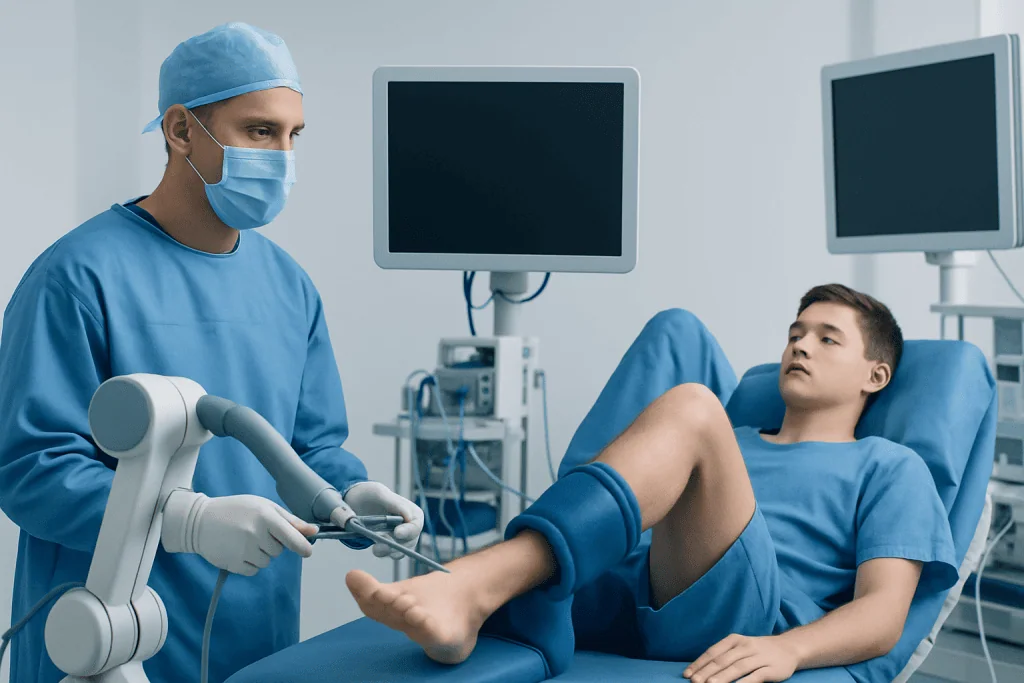
Most children and adolescents diagnosed with SCFE are advised to have surgical stabilization. Without treatment, the slip can worsen, potentially damaging the shape and function of the hip joint. Surgery is generally recommended even for mild slips because limiting further movement at the growth plate is important for protecting the hip.
Before the procedure, the orthopedic team assesses symptoms, walking ability, physical examination findings, and hip X-rays. Imaging helps classify the slip as stable or unstable. A stable SCFE means the child can still bear some weight on the affected leg, even if walking is painful. An unstable SCFE means they cannot bear weight; this carries a higher risk of interrupted blood supply to the femoral head.
Some patients may also be assessed for risk in the other hip. Younger age, certain endocrine conditions, kidney disease, and particular growth patterns can increase the chance of a slip on the opposite side. In selected higher-risk situations, the surgeon may discuss preventive fixation of the unaffected hip. This is an individualized decision that balances potential benefit against surgical risk.
Children with obesity or possible hormonal or metabolic concerns may benefit from coordinated orthopedic, pediatric, endocrine, nutrition, and rehabilitation care. The goal is to address the hip problem while also identifying any health factors that may affect bone growth or future risk.
What Happens During SCFE Surgery?
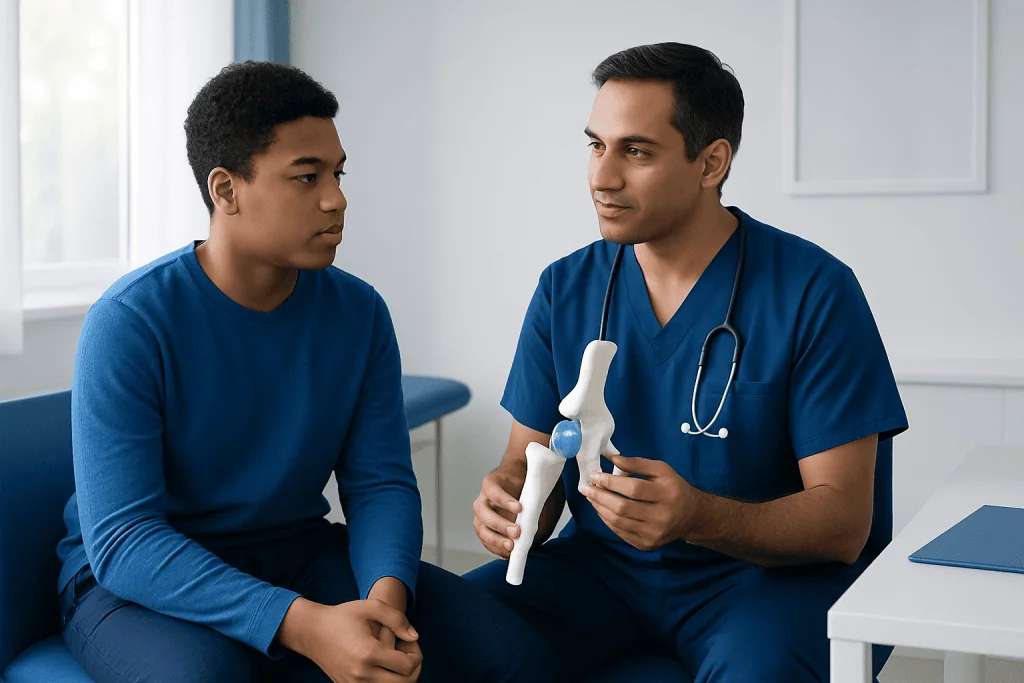
SCFE surgery is performed in an operating room under general anesthesia, so the child is asleep and does not feel the procedure. The patient is positioned carefully, and the surgical team uses live X-ray guidance, called fluoroscopy, to view the hip and guide the placement of fixation hardware accurately.
For a typical stable slip, the surgeon makes a small incision near the upper thigh. A guide wire is advanced into the femoral head under X-ray guidance, followed by placement of a cannulated screw over the wire. The screw crosses the growth plate and stabilizes the femoral head relative to the femur. The incision is then closed and covered with a dressing.
In-situ fixation is designed to avoid unnecessary manipulation of the femoral head. More complex surgery may be considered in selected severe deformities or later problems with hip movement, but this is not required for every patient. The exact approach depends on the amount of slip, hip stability, skeletal maturity, and the surgeon’s assessment.
Families can learn more about SCFE surgery and orthopedic surgical care when discussing treatment planning. The care team explains the planned technique, anesthesia, expected hospital stay, activity restrictions, and follow-up schedule before the procedure.
How Long Is Recovery After SCFE Surgery?
Recovery after SCFE surgery varies according to whether the slip was stable or unstable, the degree of slipping, and the child’s overall health. Many patients go home within a short period after surgery, although those with an unstable SCFE or other medical needs may require closer inpatient observation.
For the first stage of recovery, the surgeon may recommend no weight-bearing or limited weight-bearing on the operated leg. Crutches, a walker, or a wheelchair may be needed. This restriction often lasts several weeks, but the exact duration is determined at follow-up visits based on X-rays, symptoms, and healing progress.
Over the following weeks to months, activity is gradually increased under orthopedic guidance. Physical therapy may help restore safe movement, muscle strength, balance, and walking patterns. Returning to school may be possible before returning to sports, depending on comfort, mobility, and practical support needs.
Follow-up appointments commonly include repeated hip X-rays to confirm that the screw remains in position and the slip is stable. Running, impact exercise, and sports should only resume after clearance from the orthopedic team. Full recovery and return to higher-level activities may take several months, particularly after an unstable slip.
Benefits, Risks and Expected Results
The principal benefit of scfe surgery is stabilization of the hip. By preventing further slipping, surgery can reduce the risk of additional joint damage and may improve the chances of retaining comfortable, useful hip function over the long term. Many young people return to daily activities after recovery, although their ongoing follow-up remains important.
As with any operation, there are potential risks. These include infection, bleeding, blood clots, anesthesia-related problems, pain, hardware irritation, and the need for additional surgery. Hip-specific concerns include further slipping, changes in leg or hip shape, reduced range of motion, and impingement, in which bone shapes rub during movement.
More serious complications can include avascular necrosis, where blood supply to the femoral head is affected, and chondrolysis, involving loss of hip cartilage. These complications are uncommon but can have lasting effects on the joint. They are more likely in some severe or unstable slips, which is why urgent expert management and continued follow-up are essential.
Results differ from person to person. Earlier stabilization of a mild, stable slip is generally associated with a more favorable outlook than treatment after a severe or unstable slip. Regular monitoring enables the team to identify hip shape changes or early signs of arthritis and discuss appropriate care over time.
Is SCFE an Emergency Surgery?
SCFE should be treated as an urgent orthopedic problem. Once it is suspected or diagnosed, the child should avoid putting weight on the affected leg and be assessed promptly by an orthopedic specialist. Continuing to walk on the hip can allow the slip to worsen.
A stable SCFE usually requires prompt surgical planning rather than a delay of weeks or months. An unstable SCFE, in which the child cannot bear weight, is more urgent because of the increased risk of complications affecting the femoral head. The timing and details of surgery are decided by the orthopedic team after assessment.
Sudden severe hip, groin, thigh, or knee pain with an inability to walk warrants urgent medical evaluation. Parents and caregivers should not try to stretch, manipulate, or encourage the child to walk through the pain. Keeping the child comfortable and avoiding weight-bearing until medical advice is received is safer.
Does SCFE Lead to Hip Replacement?
SCFE does not automatically lead to hip replacement. Many people treated appropriately maintain their natural hip joint for many years. However, SCFE can alter the shape of the hip, and some individuals later develop pain, limited movement, femoroacetabular impingement, or osteoarthritis.
The likelihood of long-term joint problems is influenced by the severity of the original slip, whether complications such as avascular necrosis occurred, the amount of remaining deformity, activity demands, body weight, and overall hip health. Continued orthopedic follow-up during growth helps identify concerns early.
Some people may need additional hip-preserving treatment later in adolescence or adulthood if they develop symptoms related to hip shape or cartilage damage. Hip replacement is generally considered only when there is advanced joint damage and symptoms are no longer controlled with other appropriate measures. It is not an expected outcome for every child with SCFE.
Is SCFE a Rare Condition? When to Seek Medical Care
SCFE is an uncommon condition, but it is one of the more important hip disorders seen during adolescence. It occurs most often during periods of rapid growth and may be associated with higher body weight, family history, endocrine disorders, or other conditions that influence bone development. In some children, no clear contributing factor is identified.
Medical assessment is needed promptly for a child or teenager with a new limp, hip or groin pain, thigh pain, or unexplained knee pain. Symptoms may develop gradually or begin suddenly. A child who has pain and cannot bear weight, has severe symptoms after a fall, or develops worsening pain should receive urgent evaluation.
After one hip is diagnosed with SCFE, any new symptoms in the other hip should also be assessed without delay. Regular follow-up allows the team to monitor both hips throughout skeletal maturity. Acibadem International’s multidisciplinary specialists and JCI-accredited hospitals provide diagnosis and treatment for SCFE for international patients, with care coordinated around orthopedic follow-up and rehabilitation needs.
Frequently asked questions
What is the most common operation for SCFE?
The most common operation is in-situ fixation. During this procedure, a surgeon places a screw across the growth plate to prevent the femoral head from slipping further. The exact number and type of screws depend on the hip and the surgeon's plan.
Will my child need to stay in hospital after SCFE surgery?
Many patients stay for a short time after surgery so pain control, mobility, and safe use of crutches or other aids can be assessed. The length of stay varies based on the stability of the slip, the operation performed, and the child's recovery. The orthopedic team provides individualized discharge guidance.
Can a child walk after SCFE surgery?
Walking is often restricted initially to protect the hip while it heals. Some children need to avoid weight-bearing completely, while others may be allowed limited weight-bearing with crutches or a walker. The surgeon determines when and how weight-bearing can increase.
Will the screw be removed after SCFE surgery?
The screw is often left in place, but removal may be considered in selected situations, such as symptoms from the hardware or future hip procedures. Removal is not automatic and should be discussed with the orthopedic surgeon. Decisions depend on symptoms, growth, imaging findings, and hip function.
Can SCFE happen in the other hip?
Yes. SCFE can affect both hips, either at the same time or at different times. The orthopedic team monitors the unaffected hip and may discuss preventive fixation for some children with higher risk factors.
When can sports resume after SCFE surgery?
Return to sports should occur only after the orthopedic team confirms adequate healing, strength, movement, and hip stability. This often takes months rather than weeks. The timeline is individualized, especially after an unstable or more severe slip.
References
- American Academy of Orthopaedic Surgeons
- Pediatric Orthopaedic Society of North America
- OrthoInfo
- National Institute of Arthritis and Musculoskeletal and Skin Diseases
This article is for general information only and is not a substitute for professional medical advice. Please consult a qualified doctor about your individual situation.
Joint and spine care in Turkey — expert assessment & treatment
JCI-accredited · board-certified surgeons · reply within 24h
Add us as a Preferred Source to see more of our trusted health content across Google Search, AI Overviews and Discover.