

Sciatica Symptoms: Common Causes, Related Conditions, and When to See a Doctor

Sciatica symptoms usually affect one side and radiate from the lower back or buttock into the leg. Pain may be accompanied by tingling, numbness, burning, or muscle weakness.
Key Takeaways
- Sciatica symptoms usually affect one side and radiate from the lower back or buttock into the leg.
- Pain may be accompanied by tingling, numbness, burning, or muscle weakness.
- A herniated disc is a common cause, but spinal stenosis, bone spurs, and related conditions can also trigger symptoms.
- Most cases improve with time, activity modification, and guided conservative care.
- Urgent evaluation is needed for new bladder or bowel problems, severe weakness, or numbness in the groin area.
Sciatica symptoms most often include pain that starts in the lower back or buttock and travels down one leg, sometimes with tingling, numbness, or weakness. The pattern matters: these symptoms suggest irritation of the sciatic nerve, but the cause can range from a temporary disc problem to another spine or nerve condition that needs medical assessment.
Overview: what sciatica symptoms usually feel like
Sciatica symptoms describe a pattern of nerve-related pain rather than a disease on their own. In many people, the discomfort begins in the lower back, buttock, or hip and travels down the back or side of one leg. It may feel sharp, burning, electric, or deep and aching, and it often becomes more noticeable when sitting for long periods, coughing, sneezing, or changing position.
The reason this pattern is distinctive is that the sciatic nerve is the body’s largest nerve. It forms from several nerve roots in the lower spine and runs through the buttock into the leg. When one of these nerve roots is compressed or irritated, the brain may perceive pain not only in the back but anywhere along the nerve’s path.
Sciatica is often confused with general low back pain, but the two are not the same. Back pain may stay localized in the spine or muscles, while sciatica usually radiates below the buttock and into the thigh, calf, or foot. Understanding that difference can help people recognize when symptoms may involve a nerve and deserve targeted evaluation.
Common sciatica symptoms and how they can vary
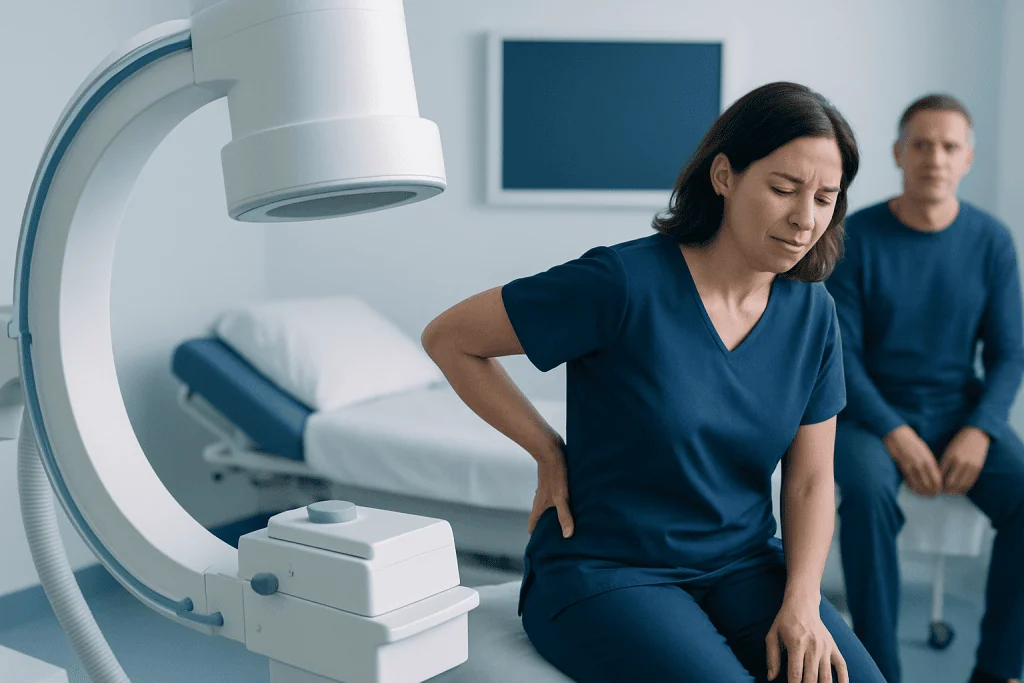
The hallmark of sciatica symptoms is radiating pain on one side of the body. Some people notice mild aching, while others describe sudden, shooting pain that travels from the lower back into the leg. The discomfort may be constant or come and go, and it can shift depending on posture, walking, or activity.
Other symptoms are often linked to nerve irritation rather than pain alone. Tingling, pins-and-needles sensations, numbness, or a sense of heaviness in the leg may occur. In some cases, the pain is mainly in the leg rather than the back, which can make the source less obvious.
Muscle weakness can also occur if the irritated nerve affects movement as well as sensation. A person may notice trouble lifting the front of the foot, standing on the toes, or pushing off while walking. Typical symptom patterns may include:
- Pain starting in the lower back, buttock, or hip and traveling down one leg
- Burning, electric, stabbing, or shooting pain
- Tingling or numbness in the thigh, calf, foot, or toes
- Worsening symptoms with sitting, coughing, sneezing, or straining
- Weakness in the leg or foot
Not everyone experiences every symptom. The exact pattern depends on which nerve root is affected and how much pressure or inflammation is present. That is why similar symptoms can have different underlying causes and require an individualized assessment.
Common causes and related conditions
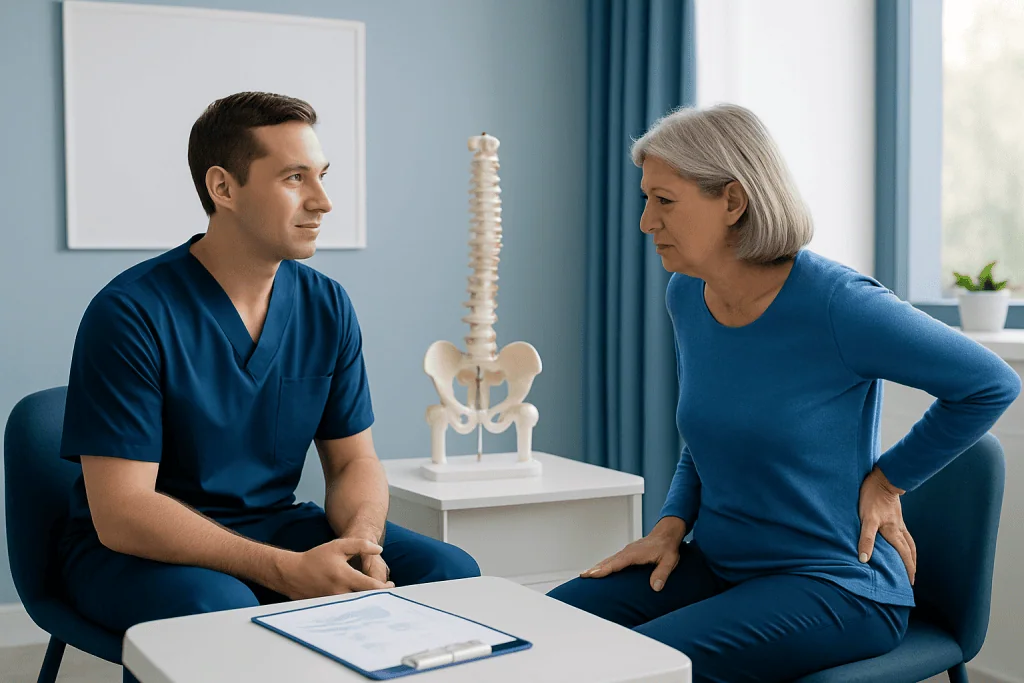
Sciatica symptoms happen when the sciatic nerve or one of its contributing nerve roots becomes compressed, inflamed, or irritated. A herniated disc is one of the most common reasons. In this situation, disc material pushes outward and irritates a nearby nerve root, often causing leg pain that is more noticeable than back pain.
Other causes include age-related wear in the spine, such as bone spurs or narrowing of the spaces where nerves travel. This narrowing, called spinal stenosis, can place pressure on nerve roots and cause pain, tingling, or weakness, especially during walking or standing. In some people, one vertebra may slip forward over another, which can also irritate nerves.
There are also conditions that can mimic or contribute to sciatica-like symptoms. Muscle spasm or deep buttock pain, including piriformis syndrome, may irritate the sciatic nerve outside the spine. Pregnancy, prolonged sitting, certain occupations involving repetitive lifting, and prior spine injury may increase strain on the lower back and nerves.
Less commonly, infection, fracture, tumor, or significant inflammatory disease may be involved. These causes are not typical, but doctors consider them when symptoms are severe, unexplained, persistent, or accompanied by warning signs such as fever, unexplained weight loss, recent major trauma, or a history of cancer.
How doctors diagnose the cause of sciatica symptoms
Diagnosis usually begins with a careful history and physical examination. A doctor asks where the pain starts, how far it travels, what makes it worse, and whether numbness or weakness is present. The pattern of pain can offer important clues about which nerve root may be irritated.
During the examination, movement, reflexes, sensation, and muscle strength are checked. Tests that gently stretch the sciatic nerve may reproduce symptoms and help support the diagnosis. The main goal is not only to confirm sciatica but also to identify the likely cause and rule out emergencies.
Imaging is not always needed right away, especially when symptoms are mild and improving. However, magnetic resonance imaging may be used when pain is severe, persistent, associated with neurological deficits, or being considered for procedures or surgery. Depending on the situation, doctors may also recommend MRI or other studies to assess the spine and surrounding tissues.
In selected cases, nerve testing or additional blood tests may help distinguish sciatica from peripheral nerve disorders, hip conditions, vascular problems, or other sources of leg pain. A precise diagnosis helps guide treatment and avoids unnecessary interventions.
Treatment options and what usually helps
Most people with sciatica symptoms improve with conservative treatment over time. Early care often focuses on maintaining gentle activity, avoiding prolonged bed rest, and reducing strain on the lower back. Short-term use of doctor-recommended pain relief, heat or cold, and posture adjustments may support recovery.
Physical therapy is commonly recommended, especially when symptoms last beyond the first phase or keep returning. A tailored program may include stretching, nerve-mobilizing exercises, core and hip strengthening, and advice on lifting, sitting, and sleep position. For many patients, physical therapy and rehabilitation plays a central role in restoring movement and reducing recurrence.
When pain remains significant, doctors may consider other non-surgical options. Depending on the cause and overall health, these may include prescription medications, image-guided injections, or specialist pain management. If there is persistent nerve compression with ongoing weakness, severe pain, or failure of conservative care, procedures such as microdiscectomy may be discussed for selected patients.
Treatment should match the underlying cause rather than the symptom label alone. Sciatica from a disc problem may be managed differently from symptoms caused by spinal narrowing or another condition. A clear diagnosis helps balance symptom relief with long-term function and safety.
Self-care, recovery, and preventing flare-ups
Recovery is often gradual, and symptom intensity may change from day to day. Gentle walking and regular movement are usually better than prolonged inactivity. Many people benefit from limiting activities that clearly aggravate pain, such as heavy lifting, repeated twisting, or sitting for extended periods without breaks.
At home, supportive habits can reduce strain on the lower back and sciatic nerve. These include using good posture, changing position frequently, keeping frequently used items within easy reach, and practicing exercises recommended by a clinician. A structured rehabilitation plan can also help after the acute phase passes.
Prevention focuses on spine-friendly daily routines rather than a single fix. Helpful strategies include:
- Strengthening core, hip, and leg muscles
- Using safe lifting techniques
- Maintaining regular physical activity
- Avoiding long periods of sitting when possible
- Managing body weight if advised by a healthcare professional
- Stopping smoking, which may affect spinal disc health
If symptoms are frequent or recurrent, medical review is worthwhile even if each episode improves. Repeated flare-ups can signal an ongoing spine problem that may benefit from further evaluation, rehabilitation, or specialist care.
When to seek medical care
Many cases of sciatica symptoms are not dangerous and improve with time, but certain features call for prompt medical assessment. A person should contact a doctor if pain is severe, lasts longer than expected, keeps returning, or interferes with walking, sleep, work, or daily activities. Increasing numbness or weakness also deserves timely review.
Urgent medical care is needed if sciatica symptoms are accompanied by loss of bladder or bowel control, new numbness around the inner thighs or groin, rapidly worsening leg weakness, or inability to walk normally. These can be signs of serious nerve compression requiring emergency evaluation.
People should also seek medical advice sooner if symptoms follow a significant injury, occur with fever, unexplained weight loss, or are associated with a history of cancer, infection, or immune suppression. These situations do not always point to a serious cause, but they require a careful assessment to rule one out.
For international patients who need further evaluation, Acibadem International’s multidisciplinary specialists in JCI-accredited hospitals diagnose and treat spine and nerve conditions, including sciatica-related disorders, with individualized care planning.
Frequently asked questions
What are the first signs of sciatica?
The first signs of sciatica are often pain or discomfort that starts in the lower back, buttock, or hip and travels down one leg. Some people notice tingling, numbness, or a burning sensation before strong pain develops.
Can sciatica happen without back pain?
Yes. Some people have sciatica symptoms mainly in the buttock, leg, calf, or foot with very little back pain. This can happen because the irritated nerve root causes pain to be felt along the nerve’s path rather than only at the spine.
How long do sciatica symptoms usually last?
The duration varies depending on the cause and severity. Many cases improve over days to several weeks with conservative care, but persistent, recurrent, or worsening symptoms should be assessed by a doctor.
Is walking good for sciatica symptoms?
Gentle walking is often helpful because it keeps the body moving without prolonged strain. However, if walking sharply increases leg pain, weakness, or numbness, the person should reduce activity and seek medical advice.
What is the difference between sciatica and a pulled muscle?
A pulled muscle usually causes localized soreness or stiffness, often in the back or buttock, without pain traveling below the knee. Sciatica more often causes radiating pain, tingling, numbness, or weakness along the leg because a nerve is involved.
When is sciatica an emergency?
Sciatica is an emergency if it comes with loss of bladder or bowel control, numbness in the groin or saddle area, or rapidly worsening weakness in the leg. These symptoms can suggest serious nerve compression and need immediate medical attention.
References
- National Institute of Neurological Disorders and Stroke
- American Academy of Orthopaedic Surgeons
- National Institute for Health and Care Excellence
- American Association of Neurological Surgeons
- Mayo Clinic
This article is for general information only and is not a substitute for professional medical advice. Please consult a qualified doctor about your individual situation.
Joint and spine care in Turkey — expert assessment & treatment
JCI-accredited · board-certified surgeons · reply within 24h
Add us as a Preferred Source to see more of our trusted health content across Google Search, AI Overviews and Discover.

More from the Health Library



Related Specialists

Dr. Shahad Abdulhadı Abdulrahman Al Amoudı
Inpatient Clinic Physicians
Dr. Aziz Pak
Emergency Service
Prof. Dr. Hüseyin Engin
Medical Oncology
Dr. Murat Yildirim
Physical Medicine & Rehabilitation