

Scissor Kicks — Explained by Medical Evidence, Not Myths
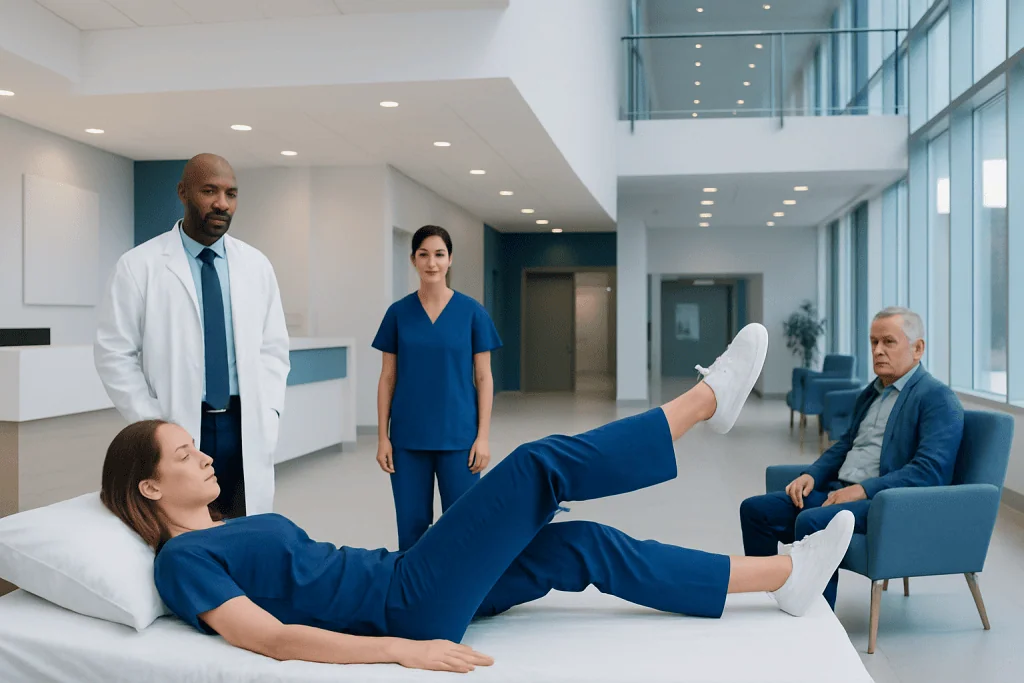
Scissor kicks mainly work the lower abdominal muscles, hip flexors, and muscles that help stabilize the pelvis. They do not selectively burn belly fat, but they can support overall core strength as part of regular exercise.
Key Takeaways
- Scissor kicks mainly work the lower abdominal muscles, hip flexors, and muscles that help stabilize the pelvis.
- They do not selectively burn belly fat, but they can support overall core strength as part of regular exercise.
- Poor technique may place stress on the lower back or neck, especially in people with weak core control or existing spine problems.
- Modifications, slower movement, and a smaller leg range can make scissor kicks safer and more effective.
- Persistent pain, numbness, or symptoms during exercise should be assessed by a qualified healthcare professional.
Scissor kicks are a floor-based exercise that targets the lower abdominal muscles and hip flexors. They can be useful in a balanced fitness routine, but the exercise is not a cure-all for belly fat or core weakness, and technique matters to reduce strain.
What are scissor kicks?
Scissor kicks are a mat exercise performed while lying on the back and moving the legs in an alternating up-and-down or crossing pattern. In fitness settings, they are commonly used to challenge the core, especially the lower abdominal region, while also engaging the hip flexors and muscles that stabilize the pelvis. They are simple in appearance, but they require control rather than speed.
Medical evidence does not support many of the dramatic claims sometimes attached to this exercise. Scissor kicks do not “melt” abdominal fat from one area of the body, and they are not automatically safe for everyone. What they can do is contribute to muscular endurance and trunk stability when included in a broader exercise plan that matches a person’s health status.
For some people, scissor kicks are appropriate and effective. For others, particularly those with back pain, poor abdominal control, or certain hip conditions, they may need modification or replacement with gentler core exercises. The key question is not whether scissor kicks are good or bad in general, but whether they are suitable for the individual and performed with proper technique.
Which muscles do scissor kicks work?
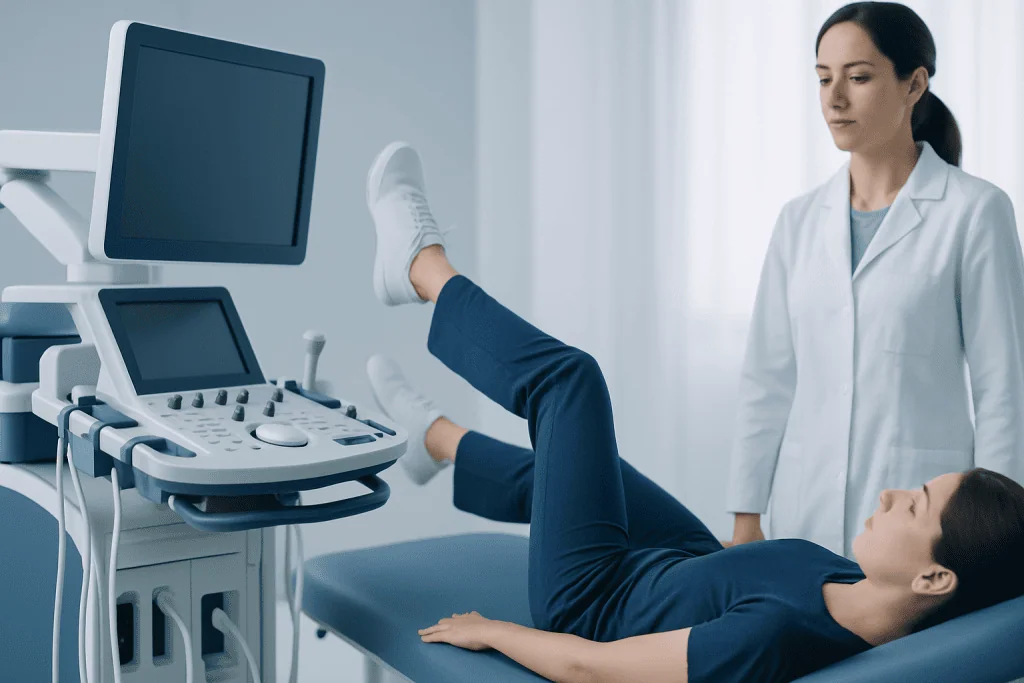
Scissor kicks primarily involve the abdominal wall, including the rectus abdominis and the deeper stabilizing muscles such as the transverse abdominis. These muscles help brace the trunk and reduce excessive movement in the lower back. The exercise also recruits the obliques to support pelvic control, especially when the legs move asymmetrically.
The hip flexors, located at the front of the hips, are heavily involved because they help lift and hold the legs off the floor. This is one reason some people feel the exercise more in the front of the hips than in the abdomen. If the abdominal muscles are not adequately engaged, the hip flexors may dominate the movement and increase strain on the lower back.
Secondary support comes from the pelvic floor, lower back stabilizers, and thigh muscles. This shared muscular effort can be helpful when technique is good. However, in people with pre-existing herniated disc symptoms or chronic mechanical back pain, these demands may aggravate discomfort if the spine arches excessively during the exercise.
Potential benefits and common myths

Scissor kicks may help improve core endurance, pelvic control, and body awareness. They can be useful in home workouts because they require no equipment and can be adjusted by changing tempo, range of motion, or leg height. In rehabilitation-informed exercise programs, similar controlled leg-lowering movements are sometimes used to retrain trunk stability, though the exact exercise should be selected by a clinician or therapist based on the person’s needs.
A common myth is that scissor kicks alone can flatten the stomach or produce visible abdominal definition. Body fat reduction happens through overall energy balance, regular physical activity, sleep, and dietary patterns rather than from one targeted exercise. Another misconception is that a harder version is always better. In reality, slower and smaller movements often train the core more effectively because they reduce compensation and improve control.
Scissor kicks are also sometimes promoted as universally safe for postpartum recovery, older adults, or anyone with low back pain. That is too broad. Some people may tolerate them well, while others may need guided alternatives such as bent-knee variations, dead bugs, or supervised physical therapy and rehabilitation to build core stability with less strain.
Risks, mistakes, and who should be cautious
The most common problem with scissor kicks is excessive arching of the lower back. This often happens when the legs are lowered too close to the floor before the abdominal muscles can maintain pelvic control. When the lumbar spine lifts away from the mat, the exercise may shift load toward the back rather than the intended core muscles, increasing the chance of discomfort.
Another frequent mistake is pulling on the neck or lifting the head in a strained position. Although some exercise versions suggest raising the shoulders, this is not necessary for everyone and may worsen neck tension. Fast, uncontrolled repetitions are also less useful than deliberate movement, because momentum can hide weak control and increase joint stress.
People should be cautious with scissor kicks if they have recent abdominal surgery, significant hip pain, pregnancy-related concerns, pelvic floor symptoms, or known spine conditions. Those with recurring back pain, sciatica, or symptoms linked to scoliosis may benefit from an individualized assessment before doing repetitive leg-lowering exercises. If exercise repeatedly causes pain rather than muscular effort, it is sensible to stop and seek advice.
How to do scissor kicks with safer form
To begin, a person lies on the back on a firm mat with the arms resting by the sides or slightly under the pelvis for support if advised by a professional. The abdominal wall is gently braced, and the lower back is kept in a comfortable neutral-to-lightly-supported position rather than forcefully pressed flat. One leg lifts slightly as the other lowers, with small, controlled alternating movements.
The legs do not need to come close to the floor. A higher leg position is often better for beginners because it reduces lever stress on the lower back. Breathing should remain steady rather than held. If the pelvis tips forward, the lower back arches, or the neck tightens, the movement should be made smaller or stopped.
Helpful modifications include bending the knees, reducing the number of repetitions, or performing one leg at a time. People recovering from injury or surgery may be advised to use other exercises first and progress gradually under supervision. In some cases, a structured program that includes orthopedic rehabilitation can help restore trunk control and movement confidence before more demanding core work is introduced.
- Move slowly and with control.
- Keep the leg range small if the back begins to arch.
- Do not continue through sharp pain, numbness, or tingling.
- Choose quality of movement over speed or repetition count.
How scissor kicks fit into a healthy exercise plan
Scissor kicks are best viewed as one option within a balanced program, not as a complete core solution. A healthy routine usually includes aerobic activity, strength training, mobility work, and recovery. For core health specifically, exercise variety matters because the trunk must perform different roles such as stabilizing, rotating, resisting motion, and supporting posture during daily activity.
Pairing scissor kicks with other low-impact exercises may help create a more rounded approach. Examples include walking, swimming, resistance training, and supervised flexibility work. Many people also benefit from learning foundational exercises such as pelvic tilts, bridges, side planks, or dead bugs before progressing to longer lever movements like scissor kicks.
If discomfort persists despite modifications, further evaluation may be appropriate to look for an underlying issue such as muscle imbalance, hip dysfunction, or a spinal condition. Depending on the cause, treatment may focus on exercise retraining, posture and movement education, or specialist assessment through services such as spine surgery when clearly indicated for structural problems rather than routine exercise soreness.
When to seek medical care
Medical advice is appropriate if scissor kicks or similar exercises repeatedly trigger sharp back pain, radiating leg pain, numbness, weakness, groin pain, or loss of bladder or bowel control. These symptoms are not typical signs of normal muscle effort. They may indicate nerve irritation, significant strain, or another condition that deserves prompt assessment.
A doctor or physiotherapist can help determine whether the issue is related to exercise technique, deconditioning, or an underlying musculoskeletal problem. Evaluation may include a physical examination and, in some cases, imaging if there are concerning features or persistent symptoms. Early guidance can help prevent repeated aggravation and support a safer return to activity.
Near the end of the care pathway, some people may need multidisciplinary support rather than simple exercise advice alone. Acibadem International’s multidisciplinary specialists in JCI-accredited hospitals diagnose and treat musculoskeletal and spine-related conditions for international patients, especially when symptoms continue despite basic self-care.
Frequently asked questions
Are scissor kicks a good exercise for the core?
Scissor kicks can be a useful core exercise when they are performed with good control and appropriate range of motion. They mainly challenge the abdominal muscles and hip flexors, but they are most helpful when combined with a broader strengthening program.
Do scissor kicks burn belly fat?
Scissor kicks do not specifically burn fat from the abdomen alone. Fat loss happens throughout the body through overall physical activity, nutrition, sleep, and long-term lifestyle patterns rather than one targeted movement.
Why do scissor kicks hurt the lower back?
Lower back discomfort often happens when the abdominal muscles cannot keep the pelvis stable and the back arches during the exercise. Lowering the legs too far, moving too quickly, or using poor technique can increase strain.
Are scissor kicks safe for beginners?
They can be safe for some beginners if the movement is modified and done slowly. A smaller range of motion, bent knees, and fewer repetitions often make the exercise more manageable and reduce unnecessary strain.
Should the legs stay straight during scissor kicks?
Not always. Straight legs make the exercise harder by increasing the lever length, so bending the knees is a reasonable modification for people who are building strength or trying to protect the lower back.
When should someone stop doing scissor kicks?
A person should stop if the exercise causes sharp pain, tingling, numbness, significant neck strain, or worsening back symptoms. If discomfort continues even with modifications, it is wise to seek assessment from a qualified healthcare professional.
References
- World Health Organization
- American College of Sports Medicine
- National Institute of Arthritis and Musculoskeletal and Skin Diseases
- National Health Service
- MedlinePlus
This article is for general information only and is not a substitute for professional medical advice. Please consult a qualified doctor about your individual situation.
Medical weight-loss options in Turkey — costs & eligibility
JCI-accredited · board-certified surgeons · reply within 24h
Add us as a Preferred Source to see more of our trusted health content across Google Search, AI Overviews and Discover.
Check your numbers in seconds
BMI, calories, due date, blood pressure and 30+ more clinical calculators — free, instant, doctor-reviewed ranges.

More from the Health Library



Related Specialists

Dt. Mutlu Keskin
Oral & Dental Health
Prof. Dr. Hakan Yavuzer
Internal Medicine
Prof. Dr. Ahmet Ümit Güllü
Cardiovascular Surgery
Assoc. Prof. Dr. Sebahat Nacar Doğan
Radiology