Scoliosis in Adults: When Back Pain or Curve Progression Needs Specialist Care
Adult scoliosis may be longstanding from adolescence or may develop later from spinal wear-and-tear. Symptoms can include back pain, uneven posture, fatigue, stiffness, and sometimes numbness or weakness in the legs.
Key Takeaways
- Adult scoliosis may be longstanding from adolescence or may develop later from spinal wear-and-tear.
- Symptoms can include back pain, uneven posture, fatigue, stiffness, and sometimes numbness or weakness in the legs.
- Diagnosis usually involves a physical examination and standing spine X-rays, with MRI or CT used when nerve compression or other concerns are suspected.
- Treatment depends on symptoms and curve progression and may include exercise, physical therapy, pain management, bracing in selected cases, or surgery.
- Specialist evaluation is important if pain is worsening, walking becomes difficult, or bowel, bladder, or significant nerve symptoms appear.
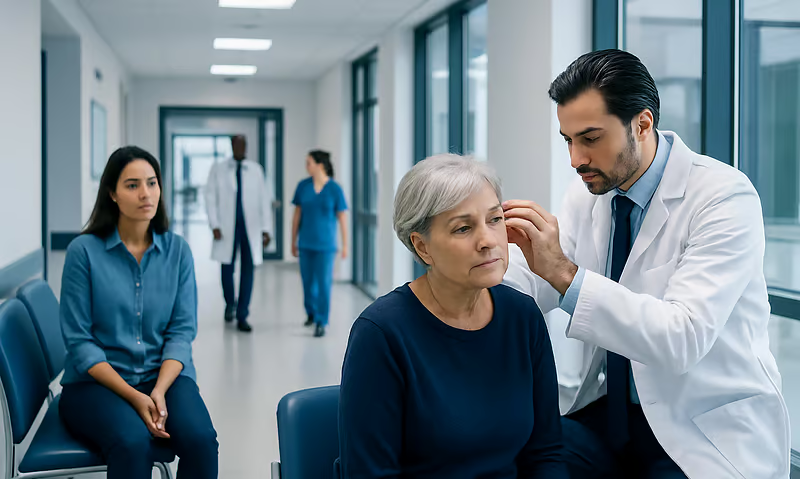
Adult scoliosis is a curvature of the spine diagnosed in adulthood, either because it continued from adolescence or developed later due to age-related changes. Many people have mild symptoms, but increasing pain, posture changes, balance problems, or nerve symptoms can signal the need for specialist care.
Overview of Adult Scoliosis
Adult scoliosis refers to an abnormal sideways curve of the spine identified in a person who has reached skeletal maturity. Some adults have a curve that began in adolescence and persisted over time. Others develop a new curve later in life because of age-related changes in the discs, joints, and bones of the spine. This second type is often called degenerative scoliosis.
The condition affects more than appearance or posture alone. In some people, the curve remains stable and causes few problems. In others, the spine gradually shifts out of balance, leading to back pain, muscle fatigue, stiffness, reduced mobility, or pressure on spinal nerves.
Adult scoliosis is not always severe, and many people can manage it well with conservative care. However, when symptoms become more limiting or the curve appears to progress, assessment by a spine specialist can help clarify the cause and guide treatment. Early evaluation may also help distinguish scoliosis from other causes of chronic back pain, including scoliosis that started earlier in life.
Symptoms and Signs to Watch For
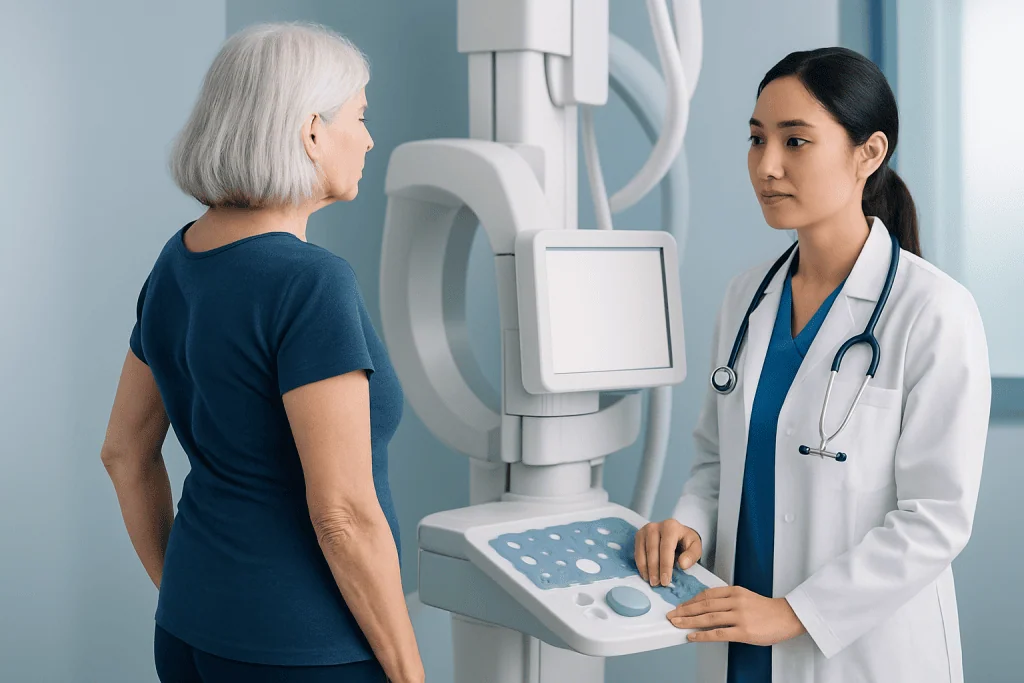
Symptoms of adult scoliosis vary widely. Some people notice little more than mild back discomfort, while others develop more persistent pain or visible changes in posture. Pain may come from strained muscles, arthritic joints, disc degeneration, or narrowing around the nerves.
Common signs and symptoms include:
- Chronic low back or mid-back pain
- One shoulder or hip appearing higher than the other
- A visible curve or shift in body alignment
- Leaning to one side when standing or walking
- Muscle fatigue after standing for long periods
- Stiffness and reduced flexibility
- Numbness, tingling, or pain radiating into the buttock or leg
- Weakness or difficulty walking longer distances
Adults often seek help because symptoms gradually interfere with everyday life. Tasks such as standing in a queue, carrying groceries, climbing stairs, or walking outdoors may become more tiring. In more advanced cases, the trunk may lean forward or sideways, making balance and posture harder to maintain.
If nerve compression develops, symptoms may resemble other spinal conditions, such as sciatica or spinal stenosis. For this reason, changes in leg strength, coordination, or walking endurance should not be ignored.
Causes and Risk Factors
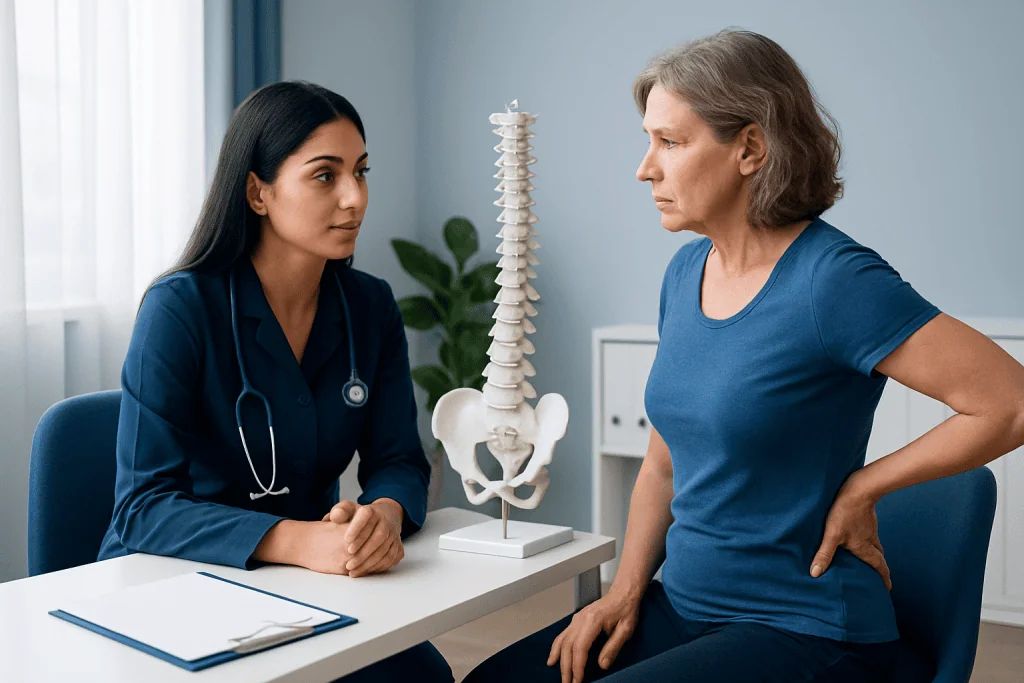
Adult scoliosis usually falls into two broad groups. The first is adult idiopathic scoliosis, meaning the curve began earlier in life and persisted into adulthood. The second is adult degenerative scoliosis, which develops later because the spinal discs and facet joints wear down unevenly over time.
Age-related spinal changes are a common driver. As discs lose height and joints become arthritic, the spine may tilt or rotate. Osteoporosis can add to the problem by weakening bone and increasing the risk of spinal imbalance or compression fractures. Previous spine surgery, longstanding poor spinal alignment, and degeneration in the lower back can also contribute.
Risk factors may include:
- Older age
- A history of scoliosis during adolescence
- Degenerative disc disease or spinal arthritis
- Osteoporosis or low bone density
- Previous spinal injury or surgery
- Family history of spinal curvature
It is important to remember that back pain in adults is common and does not always mean scoliosis is worsening. A specialist assessment can help determine whether symptoms are mainly related to the curve itself, to nerve compression, or to another spinal problem such as spinal stenosis.
How Adult Scoliosis Is Diagnosed
Diagnosis begins with a medical history and physical examination. The doctor asks about pain, posture changes, walking tolerance, numbness, weakness, and how symptoms affect daily life. During the examination, they look at shoulder and pelvic alignment, spinal balance, flexibility, nerve function, and signs of muscle weakness or altered sensation.
Standing X-rays are the main imaging test for adult scoliosis. They show the degree and location of the curve and help the doctor assess spinal balance from the front and side. Comparing new and previous X-rays can reveal whether the curve is progressing.
Additional tests may be needed in some cases. MRI is useful when leg pain, numbness, weakness, or suspected nerve compression is present, and it may be arranged as part of MRI evaluation. CT can help define bone anatomy more clearly, especially if surgery is being considered. Bone density testing may also be recommended when osteoporosis is suspected.
The aim of diagnosis is not only to measure the curve but also to understand why symptoms are happening. This is what guides the choice between monitoring, rehabilitation, pain-focused treatment, or surgery.
Treatment Options for Adult Scoliosis
Treatment depends on several factors, including the degree of curvature, whether the curve is progressing, the person’s age, bone health, overall fitness, and the presence of nerve symptoms. Many adults do well with non-surgical care, especially when symptoms are mild to moderate and the curve is relatively stable.
Conservative treatment may include targeted exercise, physical therapy, posture training, and measures to improve core strength and flexibility. Pain management can involve activity modification, heat or cold therapy, and medications recommended by a doctor. In selected patients, a structured rehabilitation plan such as physical therapy and rehabilitation can improve comfort, mobility, and function.
Spinal injections may be considered when inflammation or nerve irritation is contributing to pain. These do not correct the curve, but they may help some people manage symptoms while continuing exercise and daily activities. Attention to osteoporosis is also important, since stronger bones support better spine care overall.
Surgery may be considered when pain is severe, quality of life is significantly affected, the curve keeps progressing, or nerves are being compressed. Depending on the pattern of the problem, procedures may include decompression to relieve nerve pressure and stabilization with spinal fusion surgery. A specialist team can explain expected benefits, recovery, and risks in an individualized way.
Prevention, Self-care, and Living Well
Not all adult scoliosis can be prevented, especially when it is related to prior scoliosis or age-related degeneration. Still, everyday habits can support spinal health and may reduce symptom flare-ups. Regular movement helps maintain strength, flexibility, and endurance, while avoiding long periods in one position can ease strain on the back.
Helpful self-care strategies include:
- Staying physically active with doctor-approved exercise
- Strengthening the core and supporting muscles
- Maintaining a healthy body weight
- Using good lifting technique and avoiding sudden twisting
- Addressing bone health through adequate calcium, vitamin D, and medical guidance when needed
- Stopping smoking, which can affect bone and disc health
People with adult scoliosis often benefit from pacing activities rather than pushing through increasing pain. A supportive mattress, ergonomic seating, and frequent posture changes at work can also make daily life more comfortable. If walking becomes difficult, a tailored rehabilitation plan may help improve balance and stamina.
Living with adult scoliosis often means long-term monitoring rather than constant treatment. Periodic review is useful when symptoms change, even if the condition has been stable for years.
When Specialist Care Is Needed
Specialist care becomes especially important when symptoms are progressing or when the diagnosis is uncertain. Increasing back or leg pain, new numbness, weakness, difficulty walking, or a noticeable change in posture can all suggest that the spine or nerves need closer evaluation. The goal is to understand whether the issue is curve progression, spinal imbalance, nerve compression, or another condition.
Urgent medical assessment is needed if there is sudden severe weakness, loss of bladder or bowel control, fever with back pain, or pain after a significant fall or injury. These symptoms may point to problems that need prompt attention and should not be managed with home remedies alone.
Specialist input can also help when conservative measures are no longer enough, or when treatment choices become more complex because of age, osteoporosis, or other medical conditions. In these situations, input from orthopedics, neurosurgery, rehabilitation, pain specialists, and imaging experts may all be valuable. For international patients, Acibadem International’s multidisciplinary specialists and JCI-accredited hospitals diagnose and treat adult scoliosis with individualized care planning.
Seeking an expert opinion does not automatically mean surgery is needed. In many cases, it simply provides a clearer picture of the condition and a more focused plan for symptom relief, function, and long-term monitoring.
Frequently asked questions
Can scoliosis get worse in adulthood?
Yes, some spinal curves can progress during adulthood, especially if they are related to degeneration, imbalance, or osteoporosis. Progression is not the same for everyone, which is why follow-up and imaging may be recommended when symptoms or posture change.
Does adult scoliosis always cause pain?
No, not all adults with scoliosis have pain. Some people discover the condition incidentally, while others develop discomfort from muscles, joints, discs, or compressed nerves rather than from the curve alone.
Is surgery the only effective treatment for adult scoliosis?
No, many adults improve with non-surgical care such as exercise, rehabilitation, pain management, and monitoring. Surgery is usually considered only when symptoms are severe, the curve progresses, or nerve compression causes significant problems.
What kind of doctor treats adult scoliosis?
Adult scoliosis is often managed by spine specialists, including orthopedic spine surgeons, neurosurgeons, and rehabilitation physicians. Depending on symptoms, care may also involve pain specialists, radiologists, and physical therapists.
Can exercise help adult scoliosis?
Exercise can help many people by improving strength, flexibility, posture awareness, and endurance. It does not usually straighten the spine, but it can reduce pain and improve function when tailored to the individual.
When should an adult with scoliosis seek urgent medical help?
Urgent care is important if there is sudden leg weakness, loss of bladder or bowel control, severe pain after injury, or fever with back pain. These symptoms can indicate a more serious spinal problem that needs prompt evaluation.
References
- World Health Organization
- American Academy of Orthopaedic Surgeons
- National Institute of Arthritis and Musculoskeletal and Skin Diseases
- Scoliosis Research Society
- National Health Service
This article is for general information only and is not a substitute for professional medical advice. Please consult a qualified doctor about your individual situation.
Joint and spine care in Turkey — expert assessment & treatment
JCI-accredited · board-certified surgeons · reply within 24h
Add us as a Preferred Source to see more of our trusted health content across Google Search, AI Overviews and Discover.