Seborrheic Dermatitis: Diagnosis, Outlook, and Modern Treatment Approaches

Seborrheic dermatitis commonly affects the scalp, eyebrows, sides of the nose, ears, beard area, and upper chest. It often causes greasy scales, dandruff-like flaking, redness, and mild to moderate itching.
Key Takeaways
- Seborrheic dermatitis commonly affects the scalp, eyebrows, sides of the nose, ears, beard area, and upper chest.
- It often causes greasy scales, dandruff-like flaking, redness, and mild to moderate itching.
- Diagnosis is usually based on a skin examination, but other conditions may need to be ruled out.
- Treatment may include medicated shampoos, antifungal products, anti-inflammatory creams, and gentle skin care.
- The condition often comes and goes over time, so long-term management is usually more realistic than a permanent cure.
- Medical review is important if symptoms are severe, widespread, infected, or not improving with standard care.
Seborrheic dermatitis is a common, long-term inflammatory skin condition that causes flaky, greasy, and sometimes itchy patches, especially on the scalp, face, and chest. It is not dangerous or contagious, and modern treatment usually focuses on controlling flares, soothing symptoms, and reducing recurrence.
Overview: what seborrheic dermatitis is and what to expect
Seborrheic dermatitis is a common skin condition that causes flaky, greasy, and inflamed patches of skin. It most often appears in areas rich in oil-producing glands, such as the scalp, eyebrows, eyelids, sides of the nose, ears, beard area, and upper chest. In babies, a related form is often called cradle cap.
Although it can look persistent and frustrating, seborrheic dermatitis is usually manageable. It is not caused by poor hygiene, and it is not contagious. Many people notice that symptoms improve with treatment but may return from time to time, especially during stress, seasonal changes, or periods of skin irritation.
Modern care focuses on control rather than a one-time cure. This means reducing inflammation, lowering the amount of surface yeast involved in flares, loosening scale, and protecting the skin barrier. With the right approach, most people can keep symptoms mild and reduce how often flare-ups happen.
How it appears on the skin
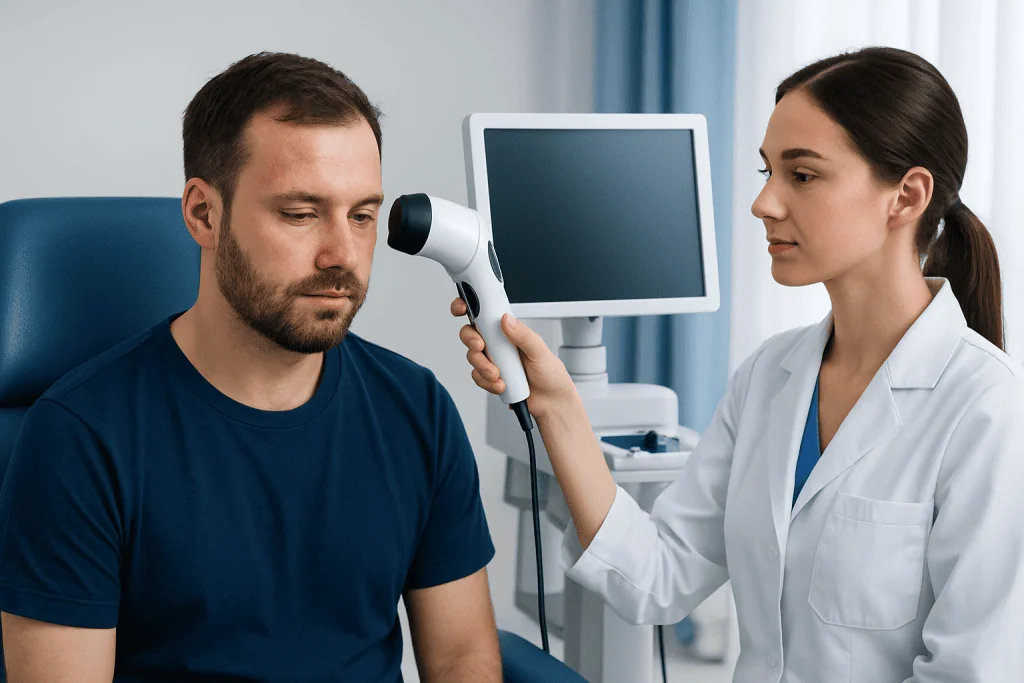
The appearance of seborrheic dermatitis can vary by age, skin type, and body area. On the scalp, it may show up as dandruff-like flaking or thicker yellowish or white scales attached to the skin. On the face and body, it often causes pink or red patches with greasy scale.
Common symptoms include:
- Flaking on the scalp, hairline, eyebrows, or beard
- Greasy or waxy scales
- Redness or darker inflamed patches, depending on skin tone
- Itching, burning, or skin sensitivity
- Irritation around the ears, nose folds, or eyelids
Symptoms can look different on darker skin tones, where inflammation may appear more purple, gray-brown, or lighter or darker than surrounding skin rather than obviously red. In some people, the main complaint is scalp flaking, while in others the face is more affected. Severe scratching can lead to soreness, crusting, or secondary infection.
Because flaky facial and scalp conditions can overlap, seborrheic dermatitis is sometimes confused with eczema or psoriasis. A dermatologist may consider the distribution of the rash, the type of scale, and whether other skin signs are present to make the distinction.
Why seborrheic dermatitis happens

Seborrheic dermatitis is linked to a combination of factors rather than a single cause. One important factor is the skin’s reaction to Malassezia, a type of yeast that normally lives on the skin. In people who are prone to seborrheic dermatitis, this normal organism may trigger more inflammation in oily areas.
Skin oil production also plays a role, which helps explain why the condition tends to affect the scalp, face, and chest. In addition, the skin barrier may be more easily irritated in some people, making it harder for the skin to stay calm and balanced.
Risk factors and triggers can include:
- Stress or emotional strain
- Cold, dry weather or seasonal changes
- Oily skin
- Fatigue or lack of sleep
- Neurologic conditions such as Parkinson disease
- Immune system changes
- Use of irritating skin or hair products
Seborrheic dermatitis is also more common in infants and in adults during certain age ranges. It can coexist with other skin conditions, including eczema, which may make symptoms more complex. Even when triggers are recognized, flare patterns can still vary from person to person.
How doctors diagnose it
Diagnosis is usually clinical, meaning a doctor or dermatologist can often identify seborrheic dermatitis by asking about symptoms and examining the affected skin. The location of the rash and the type of scale are often very characteristic. A detailed history can also help, including when symptoms started, whether they come and go, and what products have been used.
Sometimes doctors consider other conditions that can resemble seborrheic dermatitis, such as psoriasis, atopic dermatitis, rosacea, fungal infections, contact dermatitis, or lupus affecting the skin. If the rash is unusual, widespread, resistant to treatment, or associated with hair loss or broken skin, further assessment may be needed.
In selected cases, a skin scraping, patch testing, or rarely a skin biopsy may be used to rule out other causes. This is not needed for most people, but it can be helpful when the picture is unclear or symptoms are not responding as expected. If scalp symptoms are significant, a specialist may also assess whether other inflammatory scalp disorders are present.
Modern treatment approaches
Treatment is tailored to the area involved, the severity of symptoms, and the person’s age and skin sensitivity. For the scalp, medicated shampoos are often the first step. Products may contain antifungal, keratolytic, or anti-inflammatory ingredients to reduce yeast, loosen scale, and calm redness and itching. For the face and body, creams, gels, or lotions are commonly used instead.
Antifungal treatments are a core part of care because they help reduce the skin yeast associated with flares. Short courses of anti-inflammatory medicines may also be used when symptoms are more inflamed or uncomfortable, especially on the scalp or face. Because facial skin can be sensitive, treatment plans are usually designed to be effective while minimizing irritation.
When scaling is thicker, a doctor may advise softening and gently removing scale before applying treatment. If eyelids are affected, lid hygiene and careful product selection are important. For persistent or more complex cases, a dermatologist may review other options and make sure there is not a second diagnosis contributing to symptoms. In specialist settings, evaluation by dermatology services can help guide long-term management, and in selected patients skin disease treatment plans may combine scalp, facial, and body care strategies.
Most people improve with consistent treatment, but maintenance care is often needed. This may mean using a medicated shampoo regularly even after symptoms settle or restarting treatment early when mild flaking begins. A stepwise plan is usually the most practical approach for a condition that tends to recur.
Daily care, prevention, and long-term outlook
Self-care can make a meaningful difference, especially between flares. Gentle cleansing, regular scalp care, and avoiding harsh or heavily fragranced products can help reduce irritation. It is usually better to use products consistently and carefully rather than trying many different remedies at once.
Helpful habits may include:
- Washing the scalp regularly with an appropriate shampoo for the hair type and severity of flaking
- Using gentle, non-irritating cleansers on the face
- Avoiding scratching or picking at scales
- Managing stress where possible
- Protecting the skin barrier with suitable moisturizers if dryness is present
- Following maintenance treatment as advised after a flare settles
The long-term outlook is generally good. Seborrheic dermatitis does not usually lead to serious health problems, but it can affect comfort, appearance, and confidence if flares are frequent. Many people benefit from understanding that the condition often behaves in cycles and that early treatment of mild symptoms can prevent a more noticeable flare.
If symptoms are unusually persistent or severe, doctors may look for additional factors such as irritation from hair products, another inflammatory skin disorder, or infection. In more resistant cases, specialist review can help refine treatment. Acibadem International’s multidisciplinary specialists in JCI-accredited hospitals diagnose and treat skin conditions for international patients, including cases that need a more individualized assessment.
When to seek medical care
Medical care is advisable if seborrheic dermatitis is not improving with over-the-counter measures, is spreading, or is causing significant discomfort. A professional assessment is also important when the diagnosis is uncertain, especially if there is pain, bleeding, swelling, or major crusting.
People should seek medical review sooner if they notice signs that may suggest another condition or a complication. Examples include patchy hair loss, rash outside the usual seborrheic areas, marked eyelid inflammation, or symptoms of infection such as pus, warmth, or tenderness. Infants with severe cradle cap or extensive rash should also be checked by a clinician.
For adults with recurring or difficult scalp disease, a specialist may assess whether the problem overlaps with another inflammatory scalp condition and whether additional support from dermatology and venereology is appropriate. Prompt review can help relieve symptoms more quickly and reduce unnecessary use of irritating products.
Frequently asked questions
Is seborrheic dermatitis the same as dandruff?
Dandruff is often considered a mild form of seborrheic dermatitis that mainly affects the scalp. Seborrheic dermatitis can be more inflammatory and may also involve the face, ears, chest, and other oily areas.
Can seborrheic dermatitis be cured permanently?
It is usually a long-term condition that tends to come and go rather than disappear permanently. Many people control it well with the right treatment plan and maintenance skin care.
What triggers seborrheic dermatitis flare-ups?
Common triggers include stress, cold or dry weather, fatigue, oily skin, and irritating skin or hair products. Some people also notice worsening during periods of illness or general skin sensitivity.
Is seborrheic dermatitis contagious?
No, seborrheic dermatitis is not contagious. It cannot be passed from one person to another through contact, towels, or shared personal items.
Can diet cause seborrheic dermatitis?
Diet is not considered a direct cause in most people. However, overall health, stress, and individual sensitivities may influence skin symptoms, so some people notice personal patterns worth discussing with a doctor.
When should someone see a doctor for seborrheic dermatitis?
A doctor should be seen if symptoms are severe, widespread, painful, infected, or not improving with routine care. Medical advice is also helpful when the diagnosis is uncertain or the rash involves the eyelids, infants, or significant hair loss.
References
- American Academy of Dermatology
- National Institute of Arthritis and Musculoskeletal and Skin Diseases
- Mayo Clinic
- DermNet
- National Health Service
This article is for general information only and is not a substitute for professional medical advice. Please consult a qualified doctor about your individual situation.
Seborrheic Dermatitis in Turkey — costs, top hospitals & a free quote
JCI-accredited · board-certified surgeons · reply within 24h
Add us as a Preferred Source to see more of our trusted health content across Google Search, AI Overviews and Discover.

More from the Health Library



Related Specialists

Prof. Dr. K. Fehmi Narter
Urology
Prof. Dr. Yasemin Alanay
Pediatric Genetic Diseases
Dr. Ecem Yurdadoğan
Physical Medicine & Rehabilitation
Dr. Kutluhan Demirarslan
Inpatient Clinic Physicians Clinical Service