Seeing a Geriatric Neurologist in Turkey: Evaluation, Travel Planning, and Follow-Up

A geriatric neurology visit often reviews memory, balance, movement, sleep, mood, and daily function. Bringing past records, medication lists, and a family member or caregiver can improve the accuracy of the evaluation.
Key Takeaways
- A geriatric neurology visit often reviews memory, balance, movement, sleep, mood, and daily function.
- Bringing past records, medication lists, and a family member or caregiver can improve the accuracy of the evaluation.
- Testing may include neurological examination, blood work, brain imaging, and cognitive assessments, depending on symptoms.
- Travel planning should cover mobility needs, insurance questions, medical documents, and how follow-up will continue after returning home.
- Many neurological conditions in older adults are manageable, especially when diagnosis and care planning happen early.
A geriatric neurologist focuses on brain, nerve, and movement conditions that affect older adults. When someone travels to Turkey for this type of care, good preparation can make the evaluation, treatment planning, and follow-up more organized and less stressful.
Overview: What a Geriatric Neurologist Does
A geriatric neurologist is a doctor with expertise in neurological conditions that commonly affect older adults. These may include memory problems, tremor, walking difficulty, neuropathy, stroke-related changes, dizziness, sleep concerns, and disorders that affect thinking or movement. The goal is not only to identify a diagnosis, but also to understand how symptoms influence daily life, independence, and safety.
Seeing a geriatric neurologist in Turkey may be considered when a person wants a comprehensive assessment, a second opinion, or a coordinated plan for complex symptoms. Some people travel because symptoms have changed over time, while others want further testing after an unclear diagnosis. In many cases, the visit includes input from more than one specialist, especially when symptoms involve memory, balance, mood, or chronic medical conditions.
Older adults often have more than one health issue at the same time, so geriatric neurology care is usually broad and practical. The neurologist may review medications, hearing or vision problems, fall risk, nutrition, sleep quality, and the support available at home. This whole-person approach can help explain symptoms that may not be caused by one single condition.
When an Older Adult May Need Evaluation
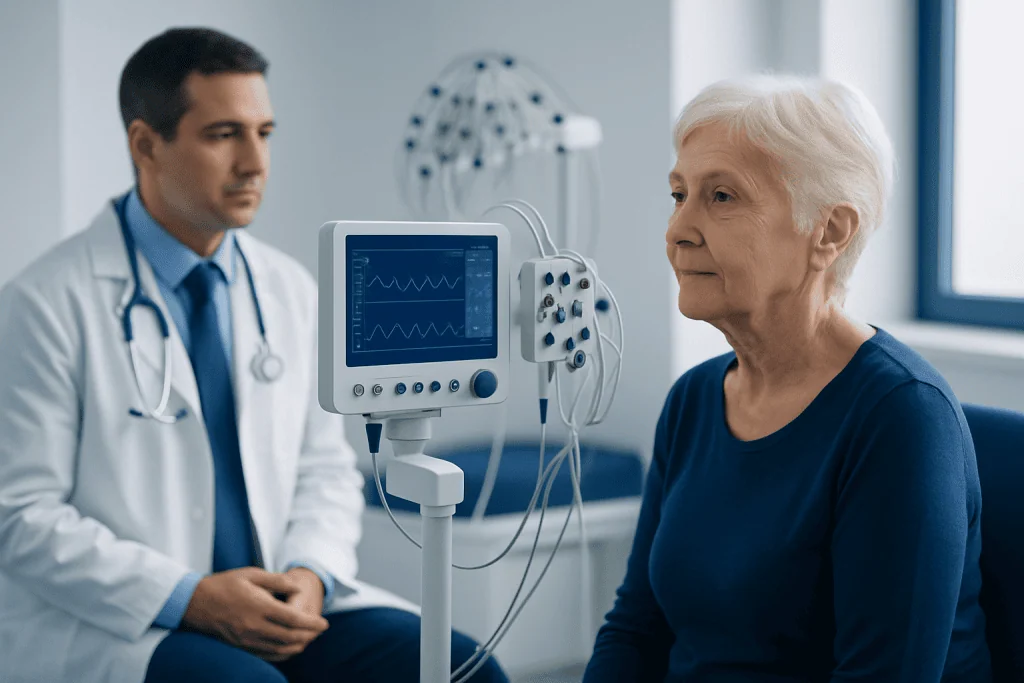
A referral to a geriatric neurologist may be helpful when new neurological symptoms appear or when long-standing symptoms worsen. Common reasons include forgetfulness that disrupts routines, confusion, personality or behavior changes, slowed movement, tremor, poor balance, repeated falls, numbness, weakness, or difficulty speaking. Headache, fainting, and episodes that look like seizures can also require specialist review.
Families sometimes notice changes before the person does. Missed medications, getting lost in familiar places, trouble managing bills, changes in handwriting, or increasing dependence in daily tasks can all be important clues. These changes do not always mean a serious disease, but they should be assessed carefully, especially if they are progressive.
In older adults, symptoms can have several possible causes. For example, memory difficulties may be related to sleep problems, depression, medication side effects, vitamin deficiencies, or neurodegenerative disease. Walking problems may come from the brain, spine, inner ear, muscles, nerves, or joints. A careful evaluation helps sort through these possibilities and guides the next steps.
- Memory loss or confusion
- Tremor, stiffness, or slowed movement
- Balance problems, dizziness, or falls
- Numbness, burning, or weakness in the limbs
- Speech, swallowing, or coordination changes
- Unexplained episodes such as blackouts or seizure-like events
What Happens During the Evaluation

The first appointment usually starts with a detailed medical history. The neurologist asks when symptoms began, how they have changed, what makes them better or worse, and how they affect everyday activities. A full medication review is especially important in older adults, since some prescription drugs, over-the-counter products, or combinations of medicines can affect alertness, balance, memory, or blood pressure.
A neurological examination then checks strength, reflexes, sensation, coordination, eye movements, walking, and speech. The doctor may also assess mood, attention, memory, and problem-solving with short cognitive tests. If a family member or caregiver is present, their observations can be very useful because they may notice changes in behavior, sleep, or function that the patient does not report.
Depending on the symptoms, the neurologist may recommend additional tests. These can include blood tests, brain imaging such as MRI or CT, nerve studies, EEG, sleep assessment, or more formal neuropsychological testing. If there are concerns about memory or movement, the evaluation may overlap with care for conditions such as Alzheimer’s disease or Parkinson’s disease, but the specialist first works to confirm whether those diagnoses truly fit.
At the end of the visit, the team often summarizes the findings and outlines the next step. Sometimes a diagnosis is clear after the first consultation, while in other cases the plan may involve more testing or a period of observation. This stepwise approach can be reassuring, because not every neurological symptom needs urgent intervention, but each symptom deserves careful interpretation.
Travel Planning Before a Neurology Visit in Turkey
Good preparation can make international care much smoother. Before travel, patients should gather previous clinic notes, hospital discharge summaries, brain scans, lab results, and a complete medication list. It helps to include the original language documents if available, along with translated summaries when possible. A written timeline of symptoms is often useful, especially for memory or movement problems that developed gradually.
Travel plans should also match the person’s physical and cognitive needs. Older adults who have balance problems, poor stamina, confusion, or wheelchair needs may require airport assistance, extra time between connections, and a travel companion. If there is any concern about flying with recent stroke symptoms, frequent fainting, or unstable medical conditions, the patient should speak with their usual doctor before making arrangements.
It is practical to confirm in advance what the first visit may include, how long the evaluation usually takes, and whether scans or tests might be scheduled on the same trip. Some patients need a hotel close to the hospital, easy transport, or mobility-friendly rooms. If treatment planning may involve advanced imaging or procedures, coordination with MRI scanning or EEG testing can be part of the itinerary when these are relevant to the symptoms.
Patients should also plan for communication after the visit. This includes asking how reports will be shared, whether translation support is available, and how follow-up questions can be addressed once the patient returns home. Clear expectations before travel often reduce uncertainty and help families feel more prepared.
Diagnosis and Treatment Options
Treatment depends on the diagnosis and on the person’s overall health, goals, and daily function. In some cases, the main recommendation is medication adjustment, especially if side effects or drug interactions are contributing to confusion, sleepiness, low blood pressure, or imbalance. In other cases, the neurologist may prescribe treatment to help control symptoms such as tremor, neuropathic pain, seizures, or certain memory-related changes.
Non-drug strategies are often just as important. These may include physical therapy for gait and balance, occupational therapy for safer daily activities, speech therapy for communication or swallowing, sleep evaluation, hearing review, and support for nutrition and hydration. When cognitive symptoms are present, structured routines, home safety changes, and caregiver education can improve quality of life and reduce stress.
Some patients need further imaging or procedures to clarify the diagnosis. For example, stroke-related concerns may require CT scanning or additional vascular assessment, while nerve or muscle symptoms may benefit from other targeted tests. If the neurologist suspects a broader neurodegenerative condition, the care plan may include ongoing monitoring rather than immediate major treatment changes, because symptom patterns over time can be diagnostically important.
When care is provided in Turkey, treatment planning should include what can realistically continue at home. This may involve sharing recommendations with the patient’s local physician, arranging rehabilitation near home, and deciding which follow-up reviews are best done in person versus remotely. Near the end of the care journey, patients may also learn that Acibadem International’s multidisciplinary specialists and JCI-accredited hospitals support diagnosis and treatment planning for international patients with complex neurological needs.
Follow-Up After Returning Home
Follow-up is a key part of good geriatric neurology care. Many neurological conditions change gradually, so one visit is often the beginning rather than the end of care. After returning home, patients should keep copies of consultation notes, test results, imaging reports, and any updated medication plan. These documents help local doctors continue care safely and consistently.
Families should monitor whether symptoms improve, remain stable, or progress. Useful observations include changes in walking, falls, appetite, sleep, mood, memory, and the ability to manage personal care or household tasks. If a new medicine was started, it is important to watch for side effects such as dizziness, drowsiness, stomach upset, or behavior changes and to discuss them promptly with a qualified doctor.
Remote follow-up may be suitable for reviewing test results, discussing response to treatment, or deciding whether another visit is needed. However, urgent problems such as sudden weakness, new confusion, chest pain, severe dehydration, or a major fall should be assessed locally without delay. A successful international consultation usually works best when it complements, rather than replaces, ongoing care close to home.
Self-Care, Safety, and When to Seek Medical Help
While waiting for evaluation or during follow-up, simple supportive steps can help protect health. Regular sleep, hydration, physical activity suited to the person’s ability, hearing and vision checks, and taking medicines exactly as prescribed may all support brain and nerve function. For people with memory or balance concerns, home safety measures such as better lighting, removing loose rugs, and using assistive devices when advised can reduce fall risk.
Caregivers also play an important role. They can help organize medications, accompany the patient to appointments, note changes in symptoms, and support routines for meals, mobility, and sleep. It is equally important for caregivers to ask questions and seek support for themselves, because neurological illness in later life often affects the whole family.
Medical help should be sought promptly if there are red-flag symptoms. These include sudden weakness on one side, new trouble speaking, facial drooping, severe or sudden confusion, a seizure, loss of consciousness, a severe new headache, or a fall with injury. These symptoms may point to an emergency and should not wait for a routine travel appointment or remote review.
Less urgent but still important reasons to contact a doctor include worsening memory, repeated falls, progressive tremor, marked sleep changes, hallucinations, swallowing difficulty, or new numbness and weakness. Early attention to these changes can improve comfort, safety, and care planning.
Frequently asked questions
What is the difference between a general neurologist and a geriatric neurologist?
A general neurologist treats neurological conditions across many age groups, while a geriatric neurologist focuses on problems that are especially common or complex in older adults. This includes attention to memory, movement, falls, multiple medical conditions, and medication side effects.
Should a family member come to the appointment?
In many cases, yes. A relative or caregiver can describe changes in memory, behavior, walking, sleep, or daily function that may be difficult for the patient to notice or remember. They can also help keep track of instructions and follow-up plans.
What records should be brought when traveling for a neurology consultation?
It is helpful to bring previous consultation notes, hospital summaries, imaging reports, scan discs if available, blood test results, and a complete medication list. A short written timeline of symptoms and major medical events can also make the visit more efficient.
Will one visit be enough to get a diagnosis?
Sometimes, but not always. Some conditions can be identified during the first evaluation, while others require blood tests, imaging, cognitive assessment, or observation over time. The doctor may give a working diagnosis first and refine it as more information becomes available.
Can follow-up happen after the patient returns home?
Yes, many parts of follow-up can be coordinated after travel, especially review of results and response to treatment. The best plan usually includes communication with the patient’s local doctor so care can continue safely and consistently near home.
Are memory problems always dementia?
No. Memory changes can have many causes, including poor sleep, depression, anxiety, medication effects, thyroid problems, vitamin deficiencies, infection, or hearing loss. A careful evaluation helps determine whether the changes are temporary, treatable, or part of a longer-term neurological condition.
References
- World Health Organization
- National Institute on Aging
- American Academy of Neurology
- Alzheimer's Association
- Parkinson's Foundation
This article is for general information only and is not a substitute for professional medical advice. Please consult a qualified doctor about your individual situation.
Explore treatments in Turkey — costs, top hospitals & a free quote
JCI-accredited · board-certified surgeons · reply within 24h
Add us as a Preferred Source to see more of our trusted health content across Google Search, AI Overviews and Discover.
Check your numbers in seconds
BMI, calories, due date, blood pressure and 30+ more clinical calculators — free, instant, doctor-reviewed ranges.

More from the Health Library



Related Specialists

Dr. Tahir Ateş
Gynecology & Obstetrics
Assoc. Prof. Dr. Mine Yavuz Taşlipinar
Clinical Laboratory
Dr. Asiye Merve Erdoğan
Otorhinolaryngology
Dyt. Begüm Biber
Nutrition & Diet