Seeing a Neuroimmunologist: What to Expect at Your First Appointment

A neuroimmunologist evaluates conditions where the immune system affects the brain, spinal cord, nerves, or muscles. The first appointment often focuses on symptom history, previous test results, and a neurological exam.
Key Takeaways
- A neuroimmunologist evaluates conditions where the immune system affects the brain, spinal cord, nerves, or muscles.
- The first appointment often focuses on symptom history, previous test results, and a neurological exam.
- Additional testing may include blood work, MRI, spinal fluid analysis, or nerve-related studies depending on symptoms.
- Not every patient leaves with a final diagnosis after one visit; sometimes careful follow-up is needed.
- Bringing medical records, medication lists, and a symptom timeline can make the consultation more productive.
A first visit with a neuroimmunologist is designed to understand symptoms that may involve the immune system and the nervous system. The appointment usually includes a detailed history, neurological examination, review of scans or lab tests, and a clear discussion of next steps.
Overview: What a Neuroimmunologist Does
A neuroimmunologist is a doctor who specializes in conditions in which the immune system affects the nervous system. This can involve the brain, spinal cord, optic nerves, peripheral nerves, or sometimes the connection between nerves and muscles. These specialists often care for people with suspected autoimmune or inflammatory neurological conditions, including disorders such as multiple sclerosis or other immune-mediated diseases.
The first appointment is usually an information-gathering visit. The goal is to understand what symptoms have happened, when they started, how they have changed over time, and whether they fit a pattern that suggests inflammation, autoimmunity, infection, or another neurological cause. In many cases, the specialist also reviews whether earlier test results fully explain the symptoms or whether further evaluation is needed.
For patients, this visit can feel both reassuring and detailed. Neuroimmunology conditions may overlap with general neurology, rheumatology, ophthalmology, rehabilitation, or immunology, so the appointment may cover many areas of health. A careful and structured assessment helps the doctor decide what is most likely and what should be ruled out.
When Someone May Be Referred to a Neuroimmunologist
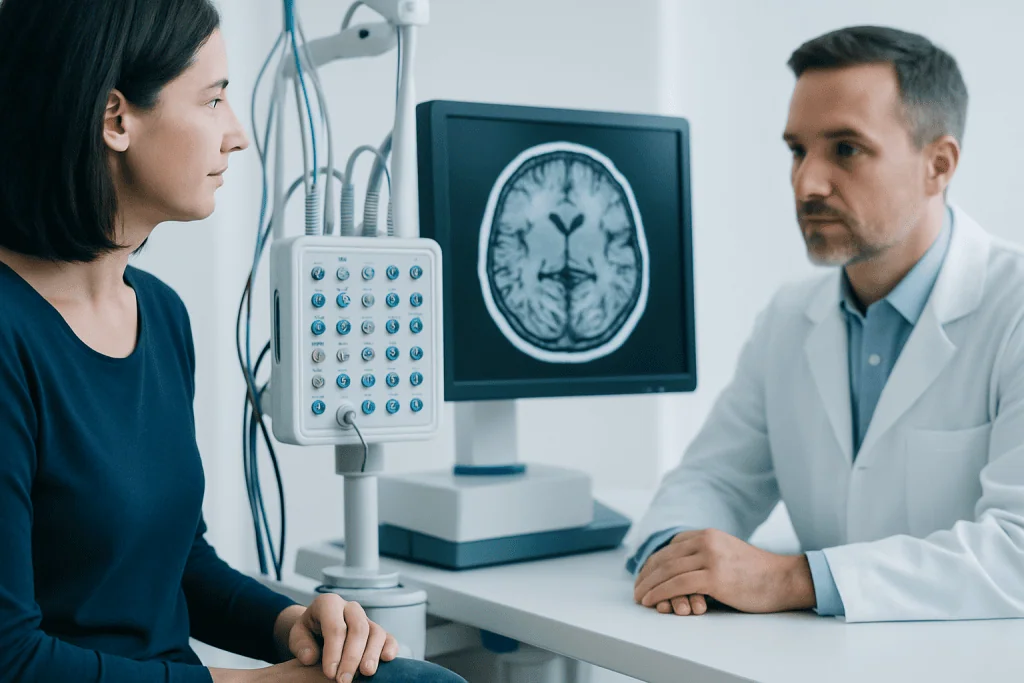
People are often referred to a neuroimmunologist when they have neurological symptoms that could be related to inflammation or an abnormal immune response. Common reasons include episodes of vision loss, numbness, weakness, balance problems, unexplained fatigue, sensory changes, muscle stiffness, or symptoms that come and go over time. Some patients already have a diagnosis, while others are still trying to understand the cause of their symptoms.
A referral may also happen after an abnormal MRI, spinal fluid result, or blood test. For example, a person might be sent for specialist review after signs of demyelination, inflammation, or suspected autoimmune activity are seen. In other situations, the referral is made because symptoms are complex and do not clearly fit one diagnosis.
Neuroimmunologists may also evaluate conditions beyond multiple sclerosis, such as autoimmune encephalitis, neuromyelitis optica spectrum disorder, myelin oligodendrocyte glycoprotein antibody-associated disease, inflammatory neuropathies, or selected cases of myasthenia gravis. The purpose of the first visit is not only to name the condition, but also to understand how active it may be and what support or treatment may be appropriate.
How to Prepare Before the First Appointment

Preparation can make the consultation more efficient and helpful. Patients are usually encouraged to bring previous medical records, a list of medications and supplements, and copies of imaging reports if available. If actual MRI images or discs are available, these can be especially useful because the specialist may want to review the images directly rather than rely only on the written report.
It also helps to prepare a symptom timeline. This can include when symptoms first started, whether they appeared suddenly or gradually, how long they lasted, whether they improved, and whether any triggers were noticed. If there were hospitalizations, steroid treatment, infections, pregnancies, vaccinations, or major life events around the same time, those details may be relevant as well.
Some people find it useful to bring a family member or friend, especially if symptoms affect memory, concentration, or mobility. Writing down questions in advance can also reduce stress during the visit. Helpful questions may include what diagnoses are being considered, whether more tests are needed, and what signs should prompt urgent medical attention.
- Bring identification and referral documents if needed.
- Prepare a list of current symptoms and past episodes.
- Include all medications, allergies, and previous treatments.
- Bring prior MRI, CT, blood test, and spinal tap results if available.
What Happens During the Appointment
The visit usually begins with a detailed conversation about symptoms and medical history. The neuroimmunologist may ask about vision changes, limb weakness, numbness, pain, bladder symptoms, fatigue, falls, memory concerns, headaches, or episodes of confusion. They may also ask about autoimmune diseases, infections, cancers, recent travel, and family history, because these can sometimes offer important clues.
Next, the doctor typically performs a neurological examination. This may include checking eye movements, facial strength, speech, coordination, reflexes, muscle strength, sensation, walking, and balance. The exam helps identify which part of the nervous system may be involved and whether the pattern is consistent with inflammation, nerve disease, muscle-related weakness, or another neurological problem.
The specialist will often review earlier records in detail and explain what they mean in everyday language. If MRI findings, blood tests, or spinal fluid results are available, the doctor may compare them with the patient’s symptoms and exam findings. Sometimes a likely diagnosis becomes clearer during this first visit; in other cases, the appointment helps narrow the possibilities and build a step-by-step plan.
Many patients worry that they need to describe everything perfectly. In reality, it is normal to forget exact dates or struggle to explain unusual sensations. What matters most is giving an honest overview of what has happened, what is changing, and how symptoms affect daily life.
Tests That May Be Recommended
Not every patient needs the same tests. Recommendations depend on the symptoms, examination findings, and prior results. If immune-related disease is suspected, the doctor may order blood work to look for markers of inflammation, autoimmune antibodies, infections, nutritional deficiencies, or other medical conditions that can mimic neurological disease.
Imaging is often an important part of neuroimmunology care. A brain or spinal MRI may be used to look for inflammation, demyelination, or structural changes. In some situations, the doctor may recommend repeat imaging to compare old and new findings or to check whether there is ongoing disease activity. When spinal fluid analysis is needed, a lumbar puncture may help identify inflammation, certain proteins, or immune markers.
Depending on the clinical picture, other tests may also be useful. These can include visual testing, nerve conduction studies, electromyography, or specialized antibody panels. If the doctor suspects a condition such as myasthenia gravis, they may focus more on testing related to the nerve-muscle junction. If imaging is required, a patient may be directed for MRI imaging as part of the diagnostic process.
Testing is generally used to answer specific questions rather than to order everything at once. A thoughtful approach helps avoid unnecessary procedures while still making sure important conditions are not missed.
Possible Diagnoses and Treatment Planning
After the history, examination, and review of results, the neuroimmunologist will usually discuss the leading possibilities. Sometimes the diagnosis is confirmed quickly, but many neuroimmunology conditions require time, repeated assessment, or additional testing. Symptoms can overlap with migraine, infection, vitamin deficiency, vascular disease, metabolic disorders, functional neurological symptoms, or general autoimmune conditions, so careful interpretation is important.
If a diagnosis is established, treatment planning focuses on reducing inflammation, preventing relapses, managing symptoms, and protecting long-term function. Depending on the condition, treatment may involve corticosteroids for acute inflammation, disease-modifying therapies, immunotherapy, rehabilitation, or supportive care. For selected immune-mediated conditions, therapies may include approaches such as plasmapheresis when clinically appropriate.
The doctor may also explain the difference between treating an active flare and preventing future disease activity. In some conditions, urgent treatment is needed to reduce the risk of permanent neurological injury. In others, it is safer to complete the full diagnostic work-up before starting long-term therapy.
When care is complex, a multidisciplinary plan may be recommended. This can involve physical therapy, vision specialists, pain management, mental health support, continence care, or infusion-based treatments. In some patients, ongoing management may include immunotherapy as part of a broader treatment strategy guided by diagnosis and response.
Follow-Up, Self-Care, and Living With Uncertainty
One of the most important parts of a first neuroimmunology appointment is understanding what happens next. Follow-up may involve repeat visits, repeat imaging, lab monitoring, or referral to another specialist. Some patients leave with a confirmed diagnosis and treatment plan, while others leave with a working diagnosis and a plan to gather more information over time.
Waiting for answers can be emotionally difficult, especially when symptoms are disruptive. It can help to keep a symptom diary, track relapses or improvements, and note any side effects from medicines. Good sleep, regular hydration, balanced nutrition, and physical activity within a person’s ability can support general health, although they do not replace medical treatment for inflammatory neurological disease.
Patients should also know that self-care includes practical planning. This may mean asking about work restrictions, driving safety, mobility support, vaccinations, or pregnancy planning if relevant. Clear communication with the care team can make daily life more manageable while the evaluation is ongoing.
Near the end of the process, some people seek care in specialized centers. Acibadem International’s multidisciplinary specialists and JCI-accredited hospitals evaluate and treat neuroimmunological conditions for international patients, with care plans tailored to the individual’s diagnosis and needs.
When to Seek Prompt Medical Attention
Although many symptoms can be assessed through a routine outpatient visit, some neurological changes need urgent medical review. Sudden vision loss, new severe weakness, trouble walking, rapidly worsening numbness, confusion, seizures, or difficulty breathing should be taken seriously. These symptoms do not always mean an immune-related neurological condition, but they require timely evaluation.
Patients who are already being monitored for a neuroimmunological disorder should also ask their doctor what counts as a possible relapse or treatment side effect. Fever, signs of infection, or unexpected new neurological symptoms can be especially important in people taking medicines that affect the immune system. Prompt attention allows the medical team to decide whether emergency care, urgent testing, or treatment changes are needed.
In general, the first appointment is the beginning of a partnership rather than a one-time event. A thoughtful evaluation, clear questions, and ongoing follow-up can help patients move toward a more confident diagnosis and a well-informed treatment plan.
Frequently asked questions
What is the difference between a neurologist and a neuroimmunologist?
A neurologist treats disorders of the nervous system broadly, including stroke, epilepsy, headaches, and movement disorders. A neuroimmunologist has additional expertise in conditions where the immune system affects the brain, spinal cord, nerves, or muscles. A patient may see both specialists depending on the condition.
Will a diagnosis be confirmed at the first neuroimmunologist appointment?
Sometimes a likely diagnosis is clear after the first visit, especially if prior tests are already available. However, many neuroimmunological conditions need further blood work, imaging, or follow-up over time before a diagnosis can be confirmed. It is common for the first appointment to focus on narrowing the possibilities and planning next steps.
Should previous MRI scans and lab results be brought to the visit?
Yes, bringing previous records can be very helpful. MRI reports, scan images, blood test results, hospital summaries, and spinal fluid findings may save time and prevent unnecessary repeat testing. A complete medication list is also useful.
What kinds of symptoms does a neuroimmunologist usually evaluate?
Symptoms may include vision changes, numbness, weakness, tingling, balance problems, fatigue, muscle stiffness, memory or concentration changes, and episodes that come and go. These symptoms can have many causes, so the specialist looks for patterns that suggest inflammation or autoimmunity. The exact evaluation depends on the person's age, history, and examination findings.
Are neuroimmunology tests painful or risky?
Many common tests, such as blood work and MRI, are routine and generally well tolerated. Some procedures, like lumbar puncture or nerve studies, can cause temporary discomfort, but the doctor will explain why they are recommended and what to expect. Tests are usually chosen carefully to answer specific questions.
How long does a neuroimmunology evaluation usually take?
The first appointment is often longer than a standard follow-up because it includes a detailed history and neurological examination. The overall evaluation may continue over several weeks or months if additional tests or repeat imaging are needed. This careful process helps improve diagnostic accuracy.
References
- National Institute of Neurological Disorders and Stroke
- National Multiple Sclerosis Society
- American Academy of Neurology
- Mayo Clinic
- MS International Federation
This article is for general information only and is not a substitute for professional medical advice. Please consult a qualified doctor about your individual situation.
Joint and spine care in Turkey — expert assessment & treatment
JCI-accredited · board-certified surgeons · reply within 24h
Add us as a Preferred Source to see more of our trusted health content across Google Search, AI Overviews and Discover.