Selective Dorsal Rhizotomy Surgery: Procedure, Recovery and Results
Selective dorsal rhizotomy surgery targets selected sensory nerve rootlets in the lower spine to reduce abnormal muscle stiffness. Careful assessment of movement, strength, walking ability, orthopedic health and rehabilitation readiness is essential before surgery.
Key Takeaways
- Selective dorsal rhizotomy surgery targets selected sensory nerve rootlets in the lower spine to reduce abnormal muscle stiffness.
- Careful assessment of movement, strength, walking ability, orthopedic health and rehabilitation readiness is essential before surgery.
- The operation is only one stage of care; intensive physiotherapy is central to recovery and functional progress.
- Benefits may include less spasticity and improved comfort or mobility, but results vary between individuals.
- Risks include weakness, sensory changes, bladder or bowel problems, spinal fluid leakage and infection, although serious complications are uncommon in experienced centers.
Selective dorsal rhizotomy surgery is a neurosurgical procedure used to reduce leg spasticity, most often in carefully selected children with spastic cerebral palsy. It can support easier movement, comfort and daily care when combined with a structured, long-term rehabilitation program.
Selective dorsal rhizotomy surgery: an overview
Selective dorsal rhizotomy surgery (SDR) is an operation that aims to permanently reduce spasticity, or involuntary muscle tightness, in the legs. It is most commonly considered for children with spastic cerebral palsy, particularly when spasticity limits walking, balance, comfort, dressing, hygiene or other everyday activities despite appropriate rehabilitation and medical care.
The procedure works on sensory nerves entering the spinal cord, rather than directly operating on the muscles. A neurosurgeon identifies and divides carefully selected small nerve rootlets that are contributing to exaggerated reflex signals. This can reduce the excessive muscle activation that causes stiffness, scissoring of the legs, toe walking or difficulty controlling movement.
SDR does not cure cerebral palsy or reverse injury to the developing brain. It is designed to address one feature of the condition: spasticity. Because reduced tone can reveal underlying muscle weakness or movement-control difficulties, surgery must be planned alongside a realistic, individualized rehabilitation program. Cerebral palsy care often involves pediatric neurology, neurosurgery, orthopedics, physiotherapy and occupational therapy.
Who may be a candidate for SDR?
Not every person with spasticity benefits from selective dorsal rhizotomy surgery. Candidates are assessed individually by a multidisciplinary team. In many programs, suitable children have spastic diplegia, meaning that both legs are more affected than the arms, and have muscle tone that is mainly spastic rather than dystonic, rigid or weak.
Assessment usually considers the person’s age, ability to sit, stand or walk, muscle strength, joint range of motion, balance, hip and spine health, previous treatments and personal goals. The team also reviews brain and spine imaging where appropriate. Children who can participate consistently in therapy before and after surgery are often better placed to make functional gains.
SDR may be less suitable when dystonia is a major cause of abnormal movement, when there is marked fixed joint contracture, severe weakness, substantial hip instability, progressive spinal deformity or a health condition that makes major surgery unsafe. These factors do not automatically rule out treatment, but they require specialist discussion. Other approaches may include spasticity treatment with rehabilitation, medication, injections or orthopedic care.
- Spasticity is significantly affecting mobility, comfort or care.
- Goals for treatment are specific and achievable.
- Strength and selective motor control are sufficient for the person’s planned activities.
- The family and rehabilitation team can commit to the recovery program.
How selective dorsal rhizotomy surgery works
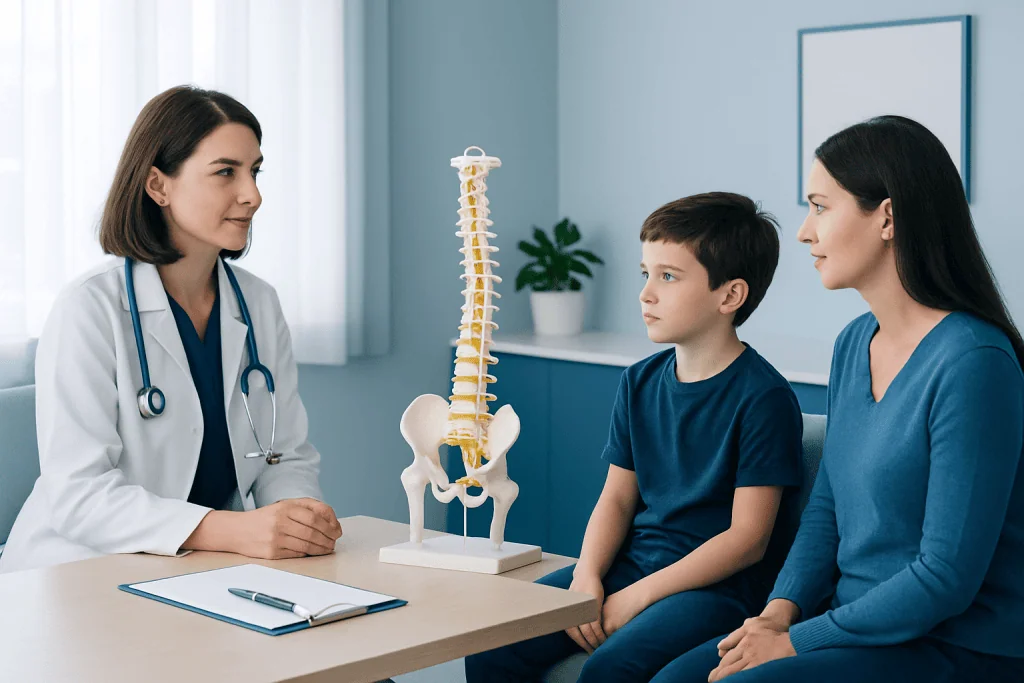
Movement is controlled by communication between the brain, spinal cord, nerves and muscles. In spastic cerebral palsy, damage to the brain can disrupt normal movement regulation. Sensory input from muscles may then trigger overly strong spinal reflexes, causing muscles to contract more than needed.
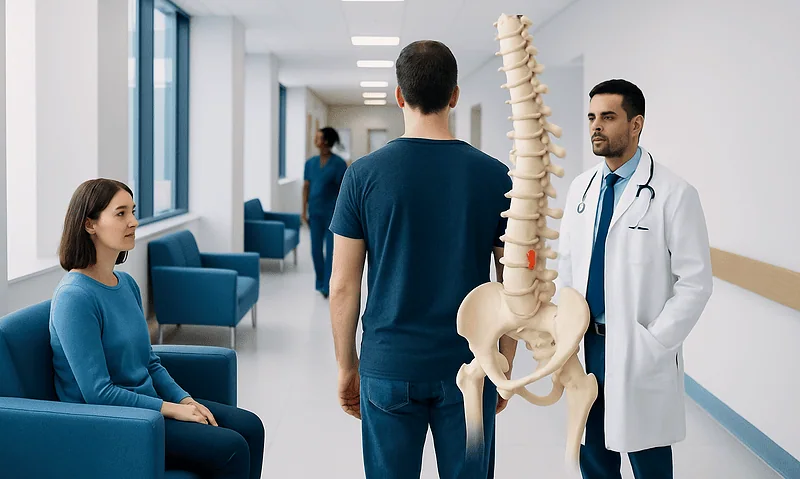
During SDR, the surgeon accesses sensory, or dorsal, nerve roots in the lower spine. Each root divides into fine rootlets. Using electrical stimulation and direct observation of muscle responses, the surgical team identifies rootlets that show abnormal reflex activity. A selected proportion of these rootlets is divided while motor nerve roots, which carry signals from the spinal cord to muscles, are preserved.
The aim is not to remove all muscle tone. Normal tone is necessary for posture and movement. Instead, the goal is to reduce the excessive reflex drive that contributes to spasticity, allowing movement training to become easier and more effective. The choice of surgical technique and spinal level varies by the person’s anatomy and the center’s established practice.
How long does a selective dorsal rhizotomy take?
A selective dorsal rhizotomy commonly takes several hours, although the exact time varies. It depends on the surgical approach, the number of nerve rootlets assessed, the need for intraoperative monitoring and each patient’s anatomy. Time spent preparing for anesthesia and monitoring, as well as time in recovery after surgery, adds to the overall day in the operating area.
The procedure is performed under general anesthesia, so the patient is asleep and does not feel pain during the operation. A small section of bone may be temporarily opened at the lower spine to allow access to the nerve roots. The surgeon then closes the tissues and skin after the selected rootlets have been treated.
Families should ask the surgical team what to expect at their specific center, including the likely operating time, where the child will wake after anesthesia and the anticipated hospital stay. Clear planning can make the day of surgery feel more manageable.
Recovery timeline after dorsal rhizotomy
Recovery begins in hospital with pain relief, wound care and close observation of leg strength, sensation, bladder function and general wellbeing. Early movement is guided by the clinical team. The legs may initially feel weak, heavy or unfamiliar because spasticity has been reduced and the body must learn new movement patterns.
Hospital stay varies, but rehabilitation typically starts soon after surgery and continues for many months. Physiotherapy focuses on range of motion, core and leg strength, balance, standing, transfers, walking practice and functional skills. The frequency and duration of therapy are tailored to the person’s age, baseline function and goals.
During the first weeks, fatigue and fluctuations in progress are common. Over subsequent months, many patients build strength and practice more efficient movement. Functional improvements can continue over a year or longer, particularly when therapy remains consistent. Some people also need orthoses, mobility aids or later orthopedic assessment to manage alignment or fixed contractures.
Families should follow the surgeon’s instructions about bathing, incision care, activity restrictions, school attendance and travel. They should contact the care team promptly if they notice fever, increasing wound redness, drainage, severe headache, worsening pain, new weakness, difficulty passing urine or other concerning changes.
How long does it take to recover from a rhizotomy?
Initial physical recovery from a dorsal rhizotomy generally takes weeks, while rehabilitation and functional recovery take months. Many patients stay in hospital for several days to around a week, then continue planned outpatient or inpatient rehabilitation. The exact timeline differs substantially according to baseline mobility, strength, age, therapy access and the goals of surgery.
It is helpful to view recovery as a period of retraining rather than simply healing from an incision. Spasticity may reduce immediately, but improved walking, endurance, coordination and independence require repeated practice. Children who walked before surgery may need temporary support while they learn to use their muscles with less stiffness.
By several months, the surgical wound is usually healed and many patients have made meaningful progress in mobility or ease of care. However, progress is rarely linear. Regular follow-up helps the team adjust therapy, braces and activity plans while monitoring musculoskeletal development.
Benefits, risks and expected results
The most consistent intended effect of SDR is a lasting reduction in lower-limb spasticity. For an appropriately selected patient, this may make walking patterns easier to train, reduce scissoring or toe walking, improve comfort, simplify dressing and hygiene, and make positioning or transfers easier. Some patients gain improved balance, endurance or independence, but the degree of functional change varies.
SDR is irreversible because the divided sensory rootlets do not reconnect in the same way. It cannot correct every cause of mobility difficulty. Existing weakness, poor balance, joint deformity, pain, dystonia and challenges with motor planning may continue to affect function. In some cases, orthopedic treatment is still needed as a child grows.
As with any spinal operation, risks include bleeding, infection, wound problems, spinal fluid leakage, headache, pain, sensory changes, bladder or bowel disturbance and weakness. Rarely, complications can be more serious. A specialist team discusses individual risks, anesthesia considerations and alternatives before consent.
For international patients, Acibadem International’s multidisciplinary specialists and JCI-accredited hospitals can assess and treat spasticity-related conditions with coordinated neurosurgical and rehabilitation care. A consultation for selective dorsal rhizotomy should include a discussion of expected benefits, limitations and the rehabilitation plan.
Do nerves grow back after rhizotomy?
The nerve rootlets divided during selective dorsal rhizotomy are not expected to grow back in a way that restores the original abnormal reflex pathway. For this reason, the reduction in spasticity is generally considered permanent. This is also why careful candidate selection and detailed informed consent are so important.
Nerves and the nervous system can adapt over time, and muscles, joints and movement habits continue to change as a child grows. However, this adaptation is not the same as the cut rootlets reconnecting. Ongoing physiotherapy helps the person make the best use of reduced spasticity and develop improved movement strategies.
If stiffness, pain or mobility difficulties remain after surgery, they may reflect factors other than spasticity, such as muscle weakness, fixed contracture, dystonia or skeletal alignment. Follow-up with the multidisciplinary team can clarify the cause and guide further treatment.
How effective is dorsal rhizotomy?
Dorsal rhizotomy is effective at reducing spasticity in carefully selected patients, especially those with predominantly spastic cerebral palsy affecting the legs. The operation’s effect on muscle tone is usually durable. Its effect on walking, independence and quality of life is more individual and depends on the person’s preoperative abilities, coexisting movement difficulties, orthopedic status and commitment to rehabilitation.
Success should be defined by personal goals rather than by a single measure. For one child, success may mean more comfortable standing, easier use of braces or less effort during dressing. For another, it may mean improved walking efficiency, fewer falls or greater independence in daily tasks. The team may use standardized gait, tone and functional assessments to track change over time.
Families should be cautious about promises of a specific walking outcome. A thorough preoperative evaluation helps establish realistic expectations and identifies whether another treatment pathway may better meet the person’s needs. Physical therapy and rehabilitation remain essential before and after SDR.
When to seek medical care
A doctor should assess a child or adult with persistent muscle stiffness, scissoring of the legs, toe walking, pain from tight muscles, declining mobility or increasing difficulty with daily care. Early review is also helpful if braces no longer fit well, walking changes noticeably, joints appear increasingly restricted or caregivers are concerned about balance and falls.
After SDR, urgent medical advice is needed for fever, increasing redness or discharge at the wound, severe or worsening headache, new numbness, a sudden loss of strength, inability to pass urine, loss of bowel control or symptoms that are rapidly getting worse. These symptoms do not always indicate a serious complication, but they need prompt assessment.
Regular follow-up with the neurosurgical, rehabilitation and orthopedic teams supports safe recovery and long-term planning. Families should bring questions about school, exercise, orthoses, pain, therapy goals and changing mobility needs to follow-up appointments.
Frequently asked questions
Is selective dorsal rhizotomy only used for cerebral palsy?
Selective dorsal rhizotomy is most often used for selected people with spastic cerebral palsy, particularly when the legs are mainly affected. In uncommon situations, specialists may consider similar approaches for other causes of severe spasticity, but suitability must be assessed individually. The underlying neurological condition and rehabilitation potential are important factors.
Will selective dorsal rhizotomy stop the need for physiotherapy?
No. Physiotherapy is a central part of treatment before and especially after SDR. Reduced spasticity creates an opportunity to build strength, balance, coordination and functional skills, but these improvements require guided practice over time.
Is SDR painful?
The operation is performed under general anesthesia, so the patient is asleep during surgery. Pain and discomfort can occur during early recovery, but the hospital team provides age-appropriate pain management and monitors healing. Pain should gradually improve, and worsening or unusual pain should be reported.
Can a child walk after SDR if they could not walk before?
Some children may improve standing, transfers or supported stepping, but SDR does not guarantee independent walking. Outcomes depend on muscle strength, balance, motor control, joint range, orthopedic health and rehabilitation participation. The team should discuss realistic mobility goals before surgery.
Can spasticity return after selective dorsal rhizotomy?
The reduction in spasticity from the divided nerve rootlets is generally permanent because those rootlets do not reconnect in the same way. However, movement difficulties can persist or evolve because of growth, weakness, contractures, dystonia or skeletal alignment. Continued follow-up remains important.
What tests are needed before selective dorsal rhizotomy surgery?
Assessment commonly includes a detailed neurological and physical examination, physiotherapy evaluation and review of walking or functional ability. Brain or spine imaging, gait analysis and orthopedic assessment may be used when appropriate. The exact evaluation is individualized to the patient and the surgical center.
References
- National Institute of Neurological Disorders and Stroke
- National Institute for Health and Care Excellence
- American Academy for Cerebral Palsy and Developmental Medicine
- Cerebral Palsy Alliance
- American Association of Neurological Surgeons
This article is for general information only and is not a substitute for professional medical advice. Please consult a qualified doctor about your individual situation.
Explore treatments in Turkey — costs, top hospitals & a free quote
JCI-accredited · board-certified surgeons · reply within 24h
Add us as a Preferred Source to see more of our trusted health content across Google Search, AI Overviews and Discover.