Self Ligating Braces: An Evidence-Based Guide for Patients

Self ligating braces use clips or doors rather than elastic ligatures to hold the wire in place. They may be easier to clean than traditional braces because they have fewer parts that trap plaque.
Key Takeaways
- Self ligating braces use clips or doors rather than elastic ligatures to hold the wire in place.
- They may be easier to clean than traditional braces because they have fewer parts that trap plaque.
- Research does not show that self ligating braces are always faster or less painful than conventional braces.
- The success of treatment depends more on diagnosis, planning, and follow-up than on bracket type alone.
- Regular orthodontic visits, careful brushing, and wearing any prescribed appliances are essential for good results.
Self ligating braces are orthodontic braces that use a small built-in clip to hold the archwire, instead of elastic bands. They can make cleaning easier and may reduce friction during tooth movement, but the best choice still depends on a person’s bite, tooth alignment, age, and treatment goals.
Overview: what self ligating braces are
Self ligating braces are fixed orthodontic braces that straighten teeth using brackets attached to the teeth and a metal archwire, but they differ from standard braces in one main way: each bracket has a built-in clip or sliding door that holds the wire. Traditional braces usually need small elastic bands or fine metal ties to secure the wire. This design change may reduce friction between the wire and bracket in some stages of treatment.
For patients, the most practical differences are often related to maintenance and appointment routines. Because there are no elastic ties on each bracket, self ligating braces may collect less plaque and staining around the bracket itself, which can make oral hygiene somewhat easier. Some people also notice that wire changes feel simpler during orthodontic visits.
It is important to understand that self ligating braces are still braces. They apply controlled forces to guide teeth and, in some cases, jaw relationships over time. They are used to treat crowding, spacing, bite problems, and certain alignment concerns, but they are not a separate category of care from orthodontics. Many of the same expectations, responsibilities, and possible side effects apply as with conventional braces.
How they work and how they differ from traditional braces
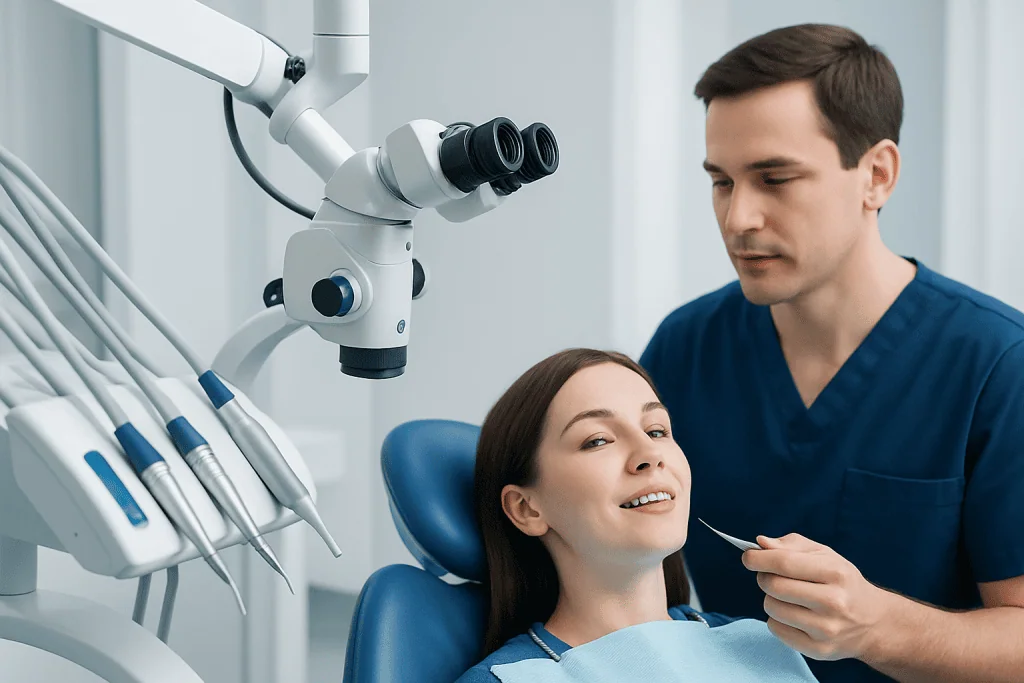
In all fixed brace systems, the orthodontist places brackets on the teeth and threads an archwire through them. The wire has a shape that helps guide teeth into better alignment. In self ligating braces, the bracket’s clip or door closes over the wire. In traditional braces, an elastic ligature or metal tie usually keeps the wire in place. This mechanical difference can influence friction, especially when lighter wires are used early in treatment.
There are two broad types of self ligating systems: passive and active. Passive systems hold the wire with less pressure from the clip, while active systems place some pressure on the wire. Orthodontists choose among these designs based on the tooth movement needed and their preferred treatment approach. For most patients, these technical details matter less than whether the overall plan is well suited to their bite and dental anatomy.
Many people ask whether self ligating braces are always better than traditional braces. Current evidence suggests the answer is no. Some studies show practical advantages such as easier cleaning or shorter chairside adjustments in certain appointments, but research has not consistently shown major differences in total treatment time, final results, or discomfort for every patient. In other words, the bracket system is only one part of successful care.
Patients considering fixed orthodontic treatment may also want to learn about broader dental treatments and how orthodontics fits into long-term oral health. Straightening teeth is not only cosmetic; in some cases, it can improve bite function, make cleaning easier, and support healthier gums.
Who may benefit from self ligating braces

Self ligating braces may be suitable for children, teenagers, and adults with a wide range of orthodontic concerns. They are commonly used for crowded teeth, gaps between teeth, rotated teeth, overbite, underbite, crossbite, and other alignment issues. A patient who wants fixed braces but hopes for easier cleaning around the brackets may find them appealing.
They can also be helpful for people who are likely to stain clear elastic ties, such as those who regularly drink coffee, tea, or red wine. Because self ligating brackets do not require elastics around each bracket, there may be less visible discoloration over time. This is a practical rather than medical benefit, but it can matter to many patients during a long course of treatment.
However, not every case is ideal for the same appliance. Some complex bite problems may require additional tools such as elastics, expanders, temporary anchorage devices, or even combined surgical-orthodontic planning. In certain situations, alternatives such as aligners or conventional braces may be recommended instead. The right choice depends on the position of the teeth, jaw structure, gum health, age, and treatment goals.
Patients with existing oral health issues may need those addressed before braces are placed. For example, active gum inflammation, untreated cavities, or significant enamel problems should be managed first. If there are signs of jaw-related problems, the orthodontist may also evaluate conditions linked to the bite or refer for broader assessment, including issues such as temporomandibular joint (TMJ) disorders when symptoms suggest it.
Benefits, limitations, and possible side effects
The main potential benefits of self ligating braces are practical. Many patients find them easier to clean than traditional braces because there are fewer elastic components where plaque can collect. Some orthodontists also report efficient wire changes and reduced chairside time at certain visits. Depending on the system and treatment stage, lower friction may help with selected types of tooth movement.
Still, it is important to keep expectations realistic. Self ligating braces are not automatically faster, less painful, or more effective in every case. The quality of the diagnosis, the orthodontist’s planning, and the patient’s cooperation are usually more important than the bracket design alone. A patient who misses appointments, has poor brushing habits, or does not wear rubber bands as instructed may still have delayed or less satisfactory results.
As with other braces, common side effects include mild soreness after placement or adjustment, temporary mouth irritation, and difficulty cleaning around the brackets. Food may catch around the hardware, and plaque buildup can lead to gum swelling or white spot lesions on the enamel if oral hygiene is not good. Rarely, brackets can loosen or wires can poke the inside of the cheek.
- Possible advantages: easier cleaning, no elastic ligatures, less staining around brackets, simpler wire changes in some appointments
- Possible limitations: not proven to be best for all cases, still requires careful hygiene and follow-up, may not shorten total treatment for everyone
- Common side effects: temporary discomfort, irritation, food trapping, plaque buildup if brushing is poor
Evaluation and diagnosis before treatment
Before recommending self ligating braces, an orthodontist performs a full orthodontic assessment. This usually includes a discussion of symptoms and goals, an examination of the teeth and bite, photographs, and dental imaging. Digital scans or impressions are often used to study spacing, crowding, and how the upper and lower teeth fit together. This step is essential because many different bite problems can look similar to patients but require different treatment strategies.
The clinician also checks for oral health conditions that could affect treatment. Cavities, gum disease, poor oral hygiene, and certain habits such as nail biting or tooth grinding may need attention first. In some people, wisdom teeth, missing teeth, or previous dental work can influence the orthodontic plan. Jaw growth and facial balance are especially important in children and adolescents, while adults may need a more detailed periodontal evaluation.
When teeth are crowded or the bite is significantly off, the orthodontist will explain whether extractions, expansion, interproximal reduction, or other supportive procedures may be part of care. Some patients may be candidates for orthodontics with self ligating braces, while others may do better with another appliance. A careful diagnosis helps avoid oversimplified promises and supports safe, predictable treatment.
Treatment process and daily care
Treatment begins when the brackets are bonded to the teeth and an archwire is inserted. The orthodontist then sees the patient periodically to check progress, change wires, adjust the system, and add supportive elements such as elastics if needed. Appointments are commonly spaced several weeks apart, but the exact schedule depends on the case. Total treatment length varies widely according to the severity of the alignment issue and how well the patient follows instructions.
Daily care is a major part of success. Patients should brush carefully around each bracket and along the gumline, floss using braces-friendly tools when advised, and limit foods that can damage the appliance. Hard, sticky, and very crunchy foods can loosen brackets or bend wires. Good oral hygiene reduces the risk of cavities, gum inflammation, and lasting marks on the teeth after the braces come off.
Some soreness is common for a few days after braces are placed or adjusted. Eating softer foods, rinsing with water, and using orthodontic wax can help with comfort if a bracket rubs the cheek or lip. If a wire is sharp, a bracket comes loose, or a part breaks, the patient should contact the dental team rather than trying to fix it alone.
In selected cases, orthodontic treatment may be coordinated with other care, such as restorative or cosmetic dental implants planning after tooth movement is completed. This is more relevant for adults with missing teeth, where alignment may be needed to create the right space and bite conditions before replacement.
Long-term results, retention, and self-care after braces
When active treatment ends, the teeth are straighter, but they are not yet fully stable in their new positions. Retainers are therefore an essential part of treatment, whether the patient had self ligating braces or conventional braces. Without retention, teeth can gradually shift back, especially in the months after braces are removed. The orthodontist will recommend fixed or removable retainers based on the individual case.
Patients should continue routine dental care, including checkups and professional cleaning. Straight teeth can be easier to clean, but they still need regular maintenance to protect enamel and gum health. If white spots, gum recession, or worn teeth are present after orthodontics, the dentist may discuss additional supportive care.
It also helps to keep expectations realistic about perfection and stability. Teeth naturally change slightly with age, and no orthodontic system can stop all future movement. Wearing retainers as instructed is the best way to preserve the result. For international patients seeking coordinated assessment and treatment, Acibadem International’s multidisciplinary specialists and JCI-accredited hospitals provide diagnosis and care in orthodontic and broader dental cases.
When to seek medical care
A person should arrange a dental or orthodontic evaluation if they have crowded teeth, gaps, bite problems, difficulty cleaning due to tooth overlap, or concerns about the way the teeth and jaws fit together. Early assessment can be especially helpful for children if permanent teeth are coming in irregularly or if there are visible bite problems.
During treatment, prompt professional advice is important if there is significant pain that does not improve, swelling of the gums or face, bleeding that seems unusual, a broken bracket or wire, or signs of infection such as pus or fever. New jaw locking, clicking with pain, or difficulty chewing should also be assessed rather than ignored.
Patients should also seek care if they notice worsening tooth sensitivity, dark spots on the enamel, or persistent bad breath despite brushing, as these may signal cavities or gum disease developing around the braces. A qualified dentist or orthodontist can determine whether self ligating braces are appropriate and whether any underlying oral health problem needs treatment first, including evaluation for issues such as gum disease.
Frequently asked questions
Are self ligating braces faster than regular braces?
Not always. Research has not consistently shown that self ligating braces shorten total treatment time for every patient. The speed of treatment depends more on the complexity of the case, the treatment plan, and how well the patient follows instructions.
Do self ligating braces hurt less?
They can still cause temporary soreness, especially after placement and adjustments. Some patients find them comfortable, but studies do not show a clear pain advantage in all cases. Mild discomfort is common with any system that moves teeth.
Are self ligating braces easier to clean?
They may be somewhat easier to clean because they do not use elastic ties around each bracket. Fewer small parts can mean fewer places for plaque and stains to collect. Even so, careful brushing and flossing are still essential.
Can adults get self ligating braces?
Yes. Adults can be good candidates if their teeth, gums, and supporting bone are healthy enough for orthodontic movement. Many adults choose them for practical reasons, but an orthodontic exam is needed to decide which appliance is most appropriate.
Are self ligating braces better than clear aligners?
Neither option is universally better. Self ligating braces are fixed to the teeth and do not depend on patient removal habits, while aligners are removable and may be preferred for appearance or convenience. The best option depends on the bite problem, lifestyle, oral hygiene, and treatment goals.
Do self ligating braces cost more?
Costs vary by country, clinic, treatment complexity, and the overall orthodontic plan. It is not safe to assume one appliance is always more expensive or more economical. Patients should ask their orthodontic provider for a clear treatment estimate based on their own case.
References
- American Association of Orthodontists
- American Dental Association
- National Institute of Dental and Craniofacial Research
- British Orthodontic Society
This article is for general information only and is not a substitute for professional medical advice. Please consult a qualified doctor about your individual situation.
Explore treatments in Turkey — costs, top hospitals & a free quote
JCI-accredited · board-certified surgeons · reply within 24h
Add us as a Preferred Source to see more of our trusted health content across Google Search, AI Overviews and Discover.