Sensitive Teeth: What Patients Need to Know

Sensitive teeth often cause brief, sharp pain with cold, hot, sweet, or acidic triggers. Common causes include enamel wear, gum recession, cavities, cracked teeth, and teeth grinding.
Key Takeaways
- Sensitive teeth often cause brief, sharp pain with cold, hot, sweet, or acidic triggers.
- Common causes include enamel wear, gum recession, cavities, cracked teeth, and teeth grinding.
- A dentist can confirm whether sensitivity is harmless dentin exposure or a sign of another dental problem.
- Treatment may include desensitizing toothpaste, fluoride, bonding, gum care, or other dental procedures.
- Ongoing or severe sensitivity should be checked, especially if pain lingers or occurs without a trigger.
Sensitive teeth usually mean the inner part of a tooth is less protected, allowing heat, cold, sweet, or acidic foods to trigger a short, sharp pain. In many cases, the cause can be identified and treated with simple dental care, changes in habits, or targeted procedures.
Overview: what sensitive teeth usually mean
Sensitive teeth are teeth that hurt or feel sharply uncomfortable when exposed to cold air, hot drinks, ice cream, sweet foods, acidic items, or sometimes even brushing. This often happens because the protective outer layer of the tooth or the gumline has changed, exposing dentin, the layer underneath. Dentin contains tiny channels that connect to the tooth’s nerve, so everyday triggers can cause a sudden pain signal.
For many people, the pain is brief and comes only with a trigger. This pattern is often called dentin hypersensitivity. It is common and treatable, but it should not be ignored because similar symptoms can also happen with cavities, a cracked tooth, worn fillings, or gum disease. The key is not only to reduce discomfort, but also to find the reason the tooth became sensitive in the first place.
Sensitive teeth are not always a sign of serious disease, and they do not automatically mean a tooth needs major treatment. Still, a professional dental evaluation is useful when symptoms are new, getting worse, or affecting eating and drinking. Early care can prevent small dental problems from becoming larger ones.
Symptoms and common triggers
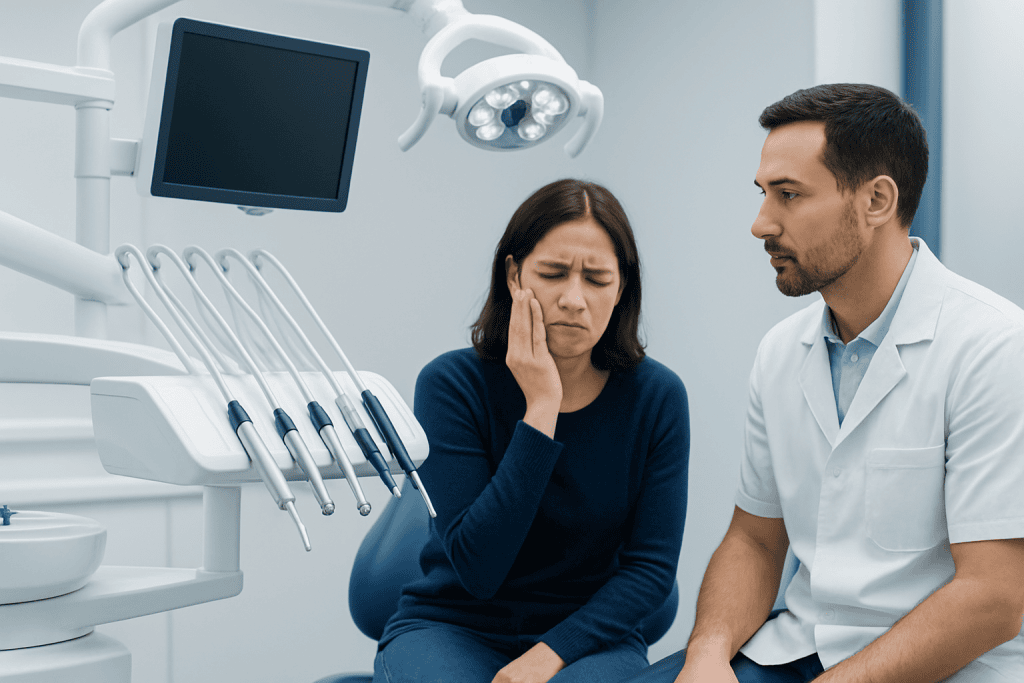
The typical symptom of sensitive teeth is a short, sharp pain that starts quickly when the tooth meets a trigger and then settles once the trigger is removed. Some people notice it in one tooth, while others feel it in several areas of the mouth. The sensation may come and go over time.
Common triggers include:
- Cold drinks or foods such as water, iced drinks, or ice cream
- Hot tea, coffee, soup, or other warm foods
- Sweet foods or sugary drinks
- Acidic foods and beverages, including citrus or soda
- Cold air
- Brushing or flossing, especially near the gumline
Not all tooth pain is sensitivity. Pain that throbs, keeps a person awake, lasts for a long time after eating or drinking, or happens without any clear trigger may point to a different problem. Sensitivity can also be confused with discomfort from tooth decay or inflamed gums, so it is helpful to pay attention to when the pain happens and how long it lasts.
Why teeth become sensitive

The most common reason for sensitive teeth is exposed dentin. Normally, enamel protects the crown of the tooth and gum tissue covers the root. If enamel becomes thinner or the gums recede, dentin can be uncovered. Because dentin has microscopic tubules that lead toward the nerve, temperature and chemical changes can stimulate the tooth more easily.
Several everyday conditions can lead to this exposure. Brushing too hard or using a hard-bristled toothbrush may wear the enamel near the gumline. Acidic foods, frequent vomiting, or acid reflux can gradually erode enamel. Gum recession may occur with aging, gum disease, or overly aggressive brushing. Teeth grinding and clenching can also contribute to wear over time.
Other causes deserve attention because they may need treatment rather than only symptom relief. These include cavities, cracked or chipped teeth, leaking fillings, recent dental procedures, and gum inflammation. In some cases, sensitivity starts after whitening products or professional cleaning and improves with time. If there is visible damage, bleeding gums, or localized pain in one tooth, a dentist may look for a more specific dental problem such as gum disease.
How dentists diagnose tooth sensitivity
Diagnosis starts with a dental history and an examination. The dentist usually asks what triggers the pain, whether it is brief or lingering, and whether it affects one tooth or multiple teeth. This helps distinguish simple dentin hypersensitivity from conditions involving the tooth pulp, infection, or structural damage.
During the exam, the dentist may inspect the teeth for enamel wear, cavities, cracks, gum recession, or faulty restorations. They may gently test the area with air, a dental instrument, or temperature to reproduce the symptom in a controlled way. Bite patterns and signs of grinding may also be checked, especially if teeth show flattening or wear.
Dental X-rays are sometimes needed to look for decay between teeth, bone loss, root problems, or changes inside the tooth. The goal is to identify the cause, not just the symptom. This step matters because treatment for sensitivity from exposed dentin is different from treatment for a cavity, fracture, or infection.
Treatment options for sensitive teeth
Treatment depends on the cause and severity of symptoms. If exposed dentin is the main issue, a dentist may recommend desensitizing toothpaste, which can help block pain signals over time. Fluoride gels, varnishes, or other in-office treatments may also strengthen the tooth surface and reduce sensitivity. These approaches are often tried first when symptoms are mild to moderate.
If there is an identifiable dental defect, treatment is aimed at correcting it. A cavity may require a filling. Areas of worn enamel or exposed root surface may be treated with bonding materials to cover the sensitive part of the tooth. If gum recession is significant, periodontal care may be needed to improve gum health and protect the roots. In more persistent cases, targeted dental fillings or root canal treatment may be considered, depending on how deep the problem goes.
When grinding or clenching is contributing, a night guard may help protect the teeth from further wear. If recent whitening has caused temporary sensitivity, a dentist may advise pausing the product or changing the method. People with ongoing gum problems may benefit from periodontal treatment and careful follow-up.
Most people improve once the trigger and cause are addressed. The best results usually come from combining daily home care with professional treatment when needed. A dentist can explain which option is most suitable based on the tooth structure, gum condition, and pattern of pain.
Self-care and prevention
Gentle daily care is one of the most effective ways to reduce sensitive teeth and prevent symptoms from returning. Brushing twice a day with a soft-bristled toothbrush and a non-abrasive fluoride toothpaste can protect enamel and reduce irritation at the gumline. It is usually better to use small, gentle strokes rather than forceful scrubbing.
Diet and habits also matter. Limiting frequent acidic drinks and snacks may reduce enamel erosion. If acidic foods are consumed, rinsing with water afterward can help. It may be helpful to avoid brushing immediately after highly acidic foods or vomiting, because enamel can be temporarily softened. People who grind their teeth, especially at night, should discuss protection strategies with a dentist.
Other practical steps include:
- Using toothpaste made for tooth sensitivity as directed
- Flossing gently every day to support gum health
- Keeping regular dental checkups and cleanings
- Avoiding very hard brushing or hard-bristled toothbrushes
- Discussing reflux symptoms or frequent vomiting with a doctor, as these can affect enamel
Good oral care does not always eliminate sensitivity immediately. Some products need regular use for several days or weeks before improvement is noticeable. If symptoms continue despite home care, professional evaluation is the next step.
When to seek medical or dental care
It is sensible to seek dental care if sensitive teeth are new, worsening, or interfering with normal eating and drinking. A person should also make an appointment if one tooth is much more sensitive than the others, if the pain lasts after the trigger is gone, or if there is visible damage such as a chip, crack, or hole in the tooth. Bleeding gums, bad breath, or gum recession are also reasons to be checked.
Urgent assessment may be needed if tooth pain is severe, constant, associated with swelling, fever, or trouble chewing, or if the face becomes swollen. These features can suggest infection or deeper tooth involvement rather than simple sensitivity.
If symptoms seem linked to reflux, an eating disorder, frequent vomiting, or jaw clenching, a broader medical assessment may help address the underlying cause. Near the end of the care pathway, some patients may need coordinated support from dental and medical professionals. Acibadem International’s multidisciplinary specialists and JCI-accredited hospitals diagnose and treat dental conditions for international patients, including evaluation when sensitivity may be related to dental treatment needs or other oral health problems.
Frequently asked questions
Can sensitive teeth go away on their own?
Sometimes mild sensitivity improves if the trigger is temporary, such as recent whitening or minor gum irritation. However, ongoing sensitivity often continues until the underlying cause is addressed, so a dental check is helpful if symptoms persist.
Is sensitive teeth the same as a cavity?
No. Sensitive teeth often involve exposed dentin, while a cavity is an area of tooth decay. The symptoms can overlap, which is why a dentist may need to examine the tooth and sometimes take X-rays.
Does sensitive teeth mean the tooth nerve is damaged?
Not usually. Many cases involve surface or root exposure rather than nerve damage. If pain becomes prolonged, spontaneous, or severe, the dentist may check whether the deeper part of the tooth is affected.
What toothpaste helps sensitive teeth?
Toothpaste labeled for sensitivity is commonly recommended because it is designed to reduce pain signals or block exposed dentin channels. It often works best when used consistently for at least several days to a few weeks, as advised by a dentist.
Can whitening make teeth sensitive?
Yes. Whitening products can temporarily increase sensitivity in some people. This often improves after treatment stops, but persistent symptoms should be discussed with a dentist, especially if there are other signs of enamel wear or gum recession.
Should a person stop eating cold foods if teeth are sensitive?
Avoiding triggers may reduce discomfort in the short term, but it does not treat the cause. It is usually better to identify why the teeth are sensitive and treat that problem while using sensible temporary adjustments as needed.
This article is for general information only and is not a substitute for professional medical advice. Please consult a qualified doctor about your individual situation.
Explore treatments in Turkey — costs, top hospitals & a free quote
JCI-accredited · board-certified surgeons · reply within 24h
Add us as a Preferred Source to see more of our trusted health content across Google Search, AI Overviews and Discover.

More from the Health Library

Mediums: An Evidence-Based Guide for Patients

Voquezna: An Evidence-Based Guide for Patients

Burnt Tongue: What Patients Need to Know

Hyperacusis: What Patients Need to Know

Lipedema Versus Cellulite: An Evidence-Based Guide for Patients