Sepsis: A Complete Medical Overview

Sepsis is a medical emergency caused by the body’s harmful response to infection. Symptoms can include fever or low temperature, fast heart rate, rapid breathing, confusion, severe weakness, and low blood pressure.
Key Takeaways
- Sepsis is a medical emergency caused by the body’s harmful response to infection.
- Symptoms can include fever or low temperature, fast heart rate, rapid breathing, confusion, severe weakness, and low blood pressure.
- Anyone can develop sepsis, but the risk is higher in older adults, infants, people with chronic illness, and those with weakened immune systems.
- Diagnosis relies on symptoms, examination, blood tests, and identifying the source of infection.
- Treatment usually includes urgent antibiotics, intravenous fluids, oxygen support, and close monitoring in hospital.
- Prompt medical care for a serious infection may help prevent sepsis and its complications.
Sepsis is a life-threatening condition that happens when the body’s response to an infection becomes unbalanced and starts damaging its own tissues and organs. Early recognition and urgent treatment can greatly improve outcomes, so sudden confusion, fast breathing, fever, or extreme illness after an infection should never be ignored.
What sepsis is and why it is serious
Sepsis is a dangerous medical condition that develops when the body’s response to an infection becomes dysregulated and starts injuring its own organs and tissues. It is not simply the infection itself and it is not the same as ordinary fever or flu-like illness. Sepsis can begin with a lung infection, urinary tract infection, abdominal infection, skin infection, or another source, then progress quickly if the body’s inflammatory and immune responses become widespread.
Doctors consider sepsis an emergency because it can reduce blood flow to vital organs such as the brain, kidneys, lungs, and heart. In more severe cases, blood pressure drops significantly, a state called septic shock. Without prompt treatment, this can lead to organ failure and can become life-threatening.
One reason sepsis can be difficult to recognize is that it does not look the same in every person. Some people have a clear fever and chills, while others mainly seem confused, unusually sleepy, weak, or short of breath. The key concern is a person who appears acutely unwell during or after an infection, especially if symptoms worsen quickly.
Common signs and symptoms of sepsis
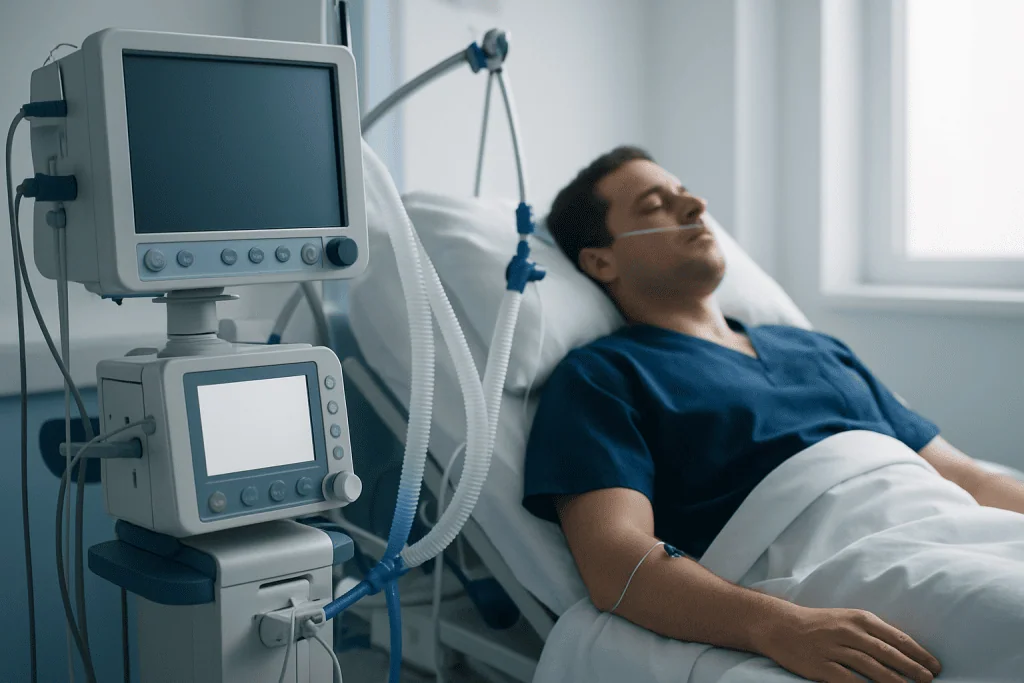
Sepsis symptoms vary depending on the person, the infection involved, and how advanced the condition has become. Early symptoms may resemble other illnesses, but sepsis often causes a combination of systemic signs that suggest the whole body is under stress rather than only one area.
Possible symptoms include:
- Fever, chills, or sometimes an unusually low body temperature
- Fast heart rate
- Rapid breathing or shortness of breath
- Extreme weakness, fatigue, or feeling very unwell
- Confusion, drowsiness, agitation, or difficulty staying alert
- Low blood pressure, dizziness, or faintness
- Reduced urination
- Cold, clammy, pale, or mottled skin
In children, warning signs may include poor feeding, lethargy, breathing difficulties, unusual irritability, fever, or a child who seems hard to wake. In older adults, confusion may be one of the first noticeable signs. Because symptoms can overlap with many other illnesses, any rapid decline or severe change in behavior or breathing deserves urgent assessment.
Septic shock is the most severe end of the spectrum. It is usually suspected when sepsis leads to persistently low blood pressure and signs that organs are not getting enough oxygen despite treatment with fluids. This requires intensive medical care.
How infections lead to sepsis: causes and risk factors

Sepsis starts with an infection, but the main problem is the body’s overwhelming and harmful response to that infection. Bacteria are a common cause, but viruses, fungi, and other microbes can also trigger sepsis. The original infection may begin in the lungs, urinary tract, abdomen, skin, or bloodstream. For example, severe pneumonia or a complicated urinary tract infection may progress to sepsis if not controlled quickly.
Many people recover from infections without developing sepsis, so doctors also look at risk factors. The risk is higher in infants and young children, adults over 65, pregnant people, and anyone with a weakened immune system. This includes people receiving chemotherapy, taking immunosuppressive medicines, living with uncontrolled diabetes, kidney disease, liver disease, or advanced cancer, or recovering from major surgery or trauma.
Hospitalization itself can increase risk because some people need catheters, intravenous lines, breathing support, or other devices that may create an opportunity for infection. Open wounds, burns, pressure sores, and recent invasive procedures can also raise the chance of serious infection.
Although sepsis is sometimes described casually as a “blood infection,” that phrase is not fully accurate. Some people with sepsis do have bacteria in the bloodstream, but others do not. What defines sepsis is organ-threatening dysfunction caused by the body’s response to infection.
How doctors diagnose sepsis
There is no single test that confirms every case of sepsis on its own. Diagnosis is based on the overall clinical picture: symptoms, vital signs, physical examination, medical history, and evidence of infection and organ stress. Because time matters, treatment may begin while tests are still underway.
Doctors usually assess temperature, pulse, breathing rate, blood pressure, oxygen levels, mental status, and urine output. Blood tests may help show inflammation, organ function, blood clotting changes, or abnormal acid levels. Blood cultures and other samples can help identify the responsible organism, although results may take time and can sometimes remain negative even when sepsis is present.
Imaging may be used to find the infection source. For example, a chest X-ray or chest CT can help when pneumonia is suspected, and an ultrasound or CT scan may be useful for abdominal, urinary, or soft tissue infections. When patients have symptoms related to the lungs or chest, doctors may consider diagnostic imaging to look for the source and extent of infection.
In the hospital, clinicians also look for signs of organ dysfunction, such as worsening kidney function, low oxygen levels, altered consciousness, or dangerously low blood pressure. Identifying the source of infection is important because treatment often needs both broad early support and a targeted plan once more information is available.
Treatment options and hospital care
Sepsis treatment begins urgently in hospital and usually starts before all test results are back. The main goals are to control the infection, support blood pressure and oxygen delivery, and protect organ function. Early treatment often includes intravenous fluids and broad-spectrum antibiotics, which may be adjusted later once doctors know more about the likely organism or culture results.
Some patients need oxygen therapy, close heart and blood pressure monitoring, or admission to an intensive care unit. If blood pressure remains too low after fluids, medicines called vasopressors may be required to keep blood flowing to vital organs. When breathing becomes severely affected, advanced respiratory support may be needed, including care similar to intensive care support.
Treatment also focuses on the source of infection. A blocked urinary tract may need drainage, an abscess may need a procedure, infected tissue may require surgical cleaning, and infected devices such as catheters may need removal. If the source is in the lungs, urinary tract, or abdomen, specialists may tailor treatment to those findings, and in some cases infectious diseases care can help guide antimicrobial therapy and follow-up.
Recovery varies widely. Some people improve quickly once treatment begins, while others need prolonged support. Even after hospital discharge, fatigue, poor concentration, muscle weakness, sleep problems, or emotional distress may continue for some time. Follow-up care can be important after severe illness.
Prevention and self-care after infection
Not every case of sepsis can be prevented, but reducing the risk of serious infection is an important step. Vaccinations, good hand hygiene, wound care, and early medical attention for worsening infections can all help. People with chronic conditions should work with their doctors to keep those conditions as stable as possible, because uncontrolled illness can make infections harder to fight.
Home self-care is appropriate only for mild illness when a doctor has advised it. A person with a known infection should monitor how they are feeling overall, not just the local symptoms. Worsening weakness, reduced urination, confusion, fast breathing, or a sense that the person is suddenly much sicker than expected should not be treated as routine.
After a severe infection or sepsis, recovery may continue at home for weeks or months. Gentle activity as tolerated, adequate hydration, balanced meals, sleep, and follow-up appointments can support healing. If memory, mood, energy, or physical function remain impaired, medical review is important because post-sepsis recovery often benefits from a structured plan.
For international patients needing evaluation or follow-up, Acibadem International’s multidisciplinary specialists and JCI-accredited hospitals provide diagnosis and treatment for serious infections and sepsis-related complications when appropriate.
When to seek medical care
Urgent medical care is needed if someone with a current or recent infection becomes confused, unusually sleepy, difficult to wake, breathless, very weak, faint, or shows signs of low blood pressure such as cold clammy skin or severe dizziness. Medical help is also important for high fever with severe illness, a very fast heart rate, or rapidly worsening symptoms. Sepsis should always be assessed promptly because early treatment can be critical.
People at higher risk, including infants, older adults, pregnant people, and those with weakened immune systems, should seek care sooner rather than later if an infection seems to be getting worse. It is also sensible to get medical advice for persistent symptoms after treatment of an infection, especially if there is new confusion, reduced urination, or trouble breathing.
If a doctor suspects a severe infection source, further specialist evaluation may be needed. Depending on the symptoms, this may include assessment for conditions such as urinary tract infection or other internal infections that need prompt control. Severe infection with unstable blood pressure or organ dysfunction is an emergency and should not be managed only at home.
Frequently asked questions
Is sepsis the same as an infection?
No. Sepsis is not the infection itself; it is the body’s harmful, overwhelming response to an infection. A person can have an infection without sepsis, but sepsis develops when that response begins affecting organs and overall body function.
Can sepsis happen without bacteria in the blood?
Yes. Sepsis can occur even when blood cultures do not show bacteria. The diagnosis is based on how the body is reacting to an infection and whether organs are being affected, not only on whether the bloodstream test is positive.
What is the difference between sepsis and septic shock?
Septic shock is a more severe form of sepsis. It usually means sepsis has caused dangerously low blood pressure and poor circulation despite treatment with fluids, so the risk of organ failure is higher and intensive care is often needed.
Who is most at risk for sepsis?
Anyone can develop sepsis, but some people are more vulnerable. Higher-risk groups include older adults, infants, pregnant people, those with weakened immune systems, and people with chronic illnesses such as diabetes, kidney disease, or cancer.
Can sepsis be treated successfully?
Yes, many people recover, especially when treatment starts early. Outcomes depend on how quickly care begins, the person’s overall health, the source of infection, and whether organ damage has already developed.
Does sepsis always require hospitalization?
Sepsis requires urgent medical assessment and is usually treated in hospital. This is because patients often need intravenous antibiotics, fluids, monitoring, and sometimes intensive organ support that cannot be provided safely at home.
References
- World Health Organization
- Centers for Disease Control and Prevention
- National Institute of General Medical Sciences
- Society of Critical Care Medicine
- National Health Service
This article is for general information only and is not a substitute for professional medical advice. Please consult a qualified doctor about your individual situation.
Explore treatments in Turkey — costs, top hospitals & a free quote
JCI-accredited · board-certified surgeons · reply within 24h
Add us as a Preferred Source to see more of our trusted health content across Google Search, AI Overviews and Discover.
Check your numbers in seconds
BMI, calories, due date, blood pressure and 30+ more clinical calculators — free, instant, doctor-reviewed ranges.