

Septoplasty Surgery: Procedure, Recovery and Results

Septoplasty corrects structural blockage inside the nose and does not usually change the outside appearance of the nose. Most people have the procedure as an outpatient operation under anesthesia and return home the same day.
Key Takeaways
- Septoplasty corrects structural blockage inside the nose and does not usually change the outside appearance of the nose.
- Most people have the procedure as an outpatient operation under anesthesia and return home the same day.
- Initial congestion and swelling are common after surgery; breathing often improves gradually over several weeks to months.
- Septoplasty may be combined with turbinate reduction, sinus surgery or rhinoplasty when clinically appropriate.
- A specialist assessment is important because allergies, sinus inflammation and nasal valve problems can also cause blocked-nose symptoms.
Septoplasty surgery is an operation that reshapes or repositions a crooked nasal septum, the wall of cartilage and bone between the nostrils. It is usually performed to improve persistent nasal blockage and can also support treatment for related sinus or sleep-breathing concerns.
What Is Septoplasty Surgery?
Septoplasty surgery is a procedure used to correct a deviated septum. The septum is the internal partition made of cartilage and bone that separates the right and left nasal passages. When it is significantly bent, displaced or uneven, it may narrow one or both sides of the nose and make breathing difficult.
During septoplasty, an ear, nose and throat (ENT) surgeon works through the nostrils to straighten, reposition or remove the portions of septal cartilage and bone causing obstruction. Because the incisions are usually inside the nose, septoplasty alone generally does not alter the external shape of the nose. The goal is improved airflow and nasal function rather than a cosmetic change.
A deviated septum may be present from birth, develop as the face grows, or follow an injury. Not every deviation requires treatment. Surgery is considered when symptoms are persistent and troublesome despite appropriate non-surgical care, or when the septum prevents access for another necessary nasal procedure.
How Septoplasty Can Help and Who May Be a Candidate
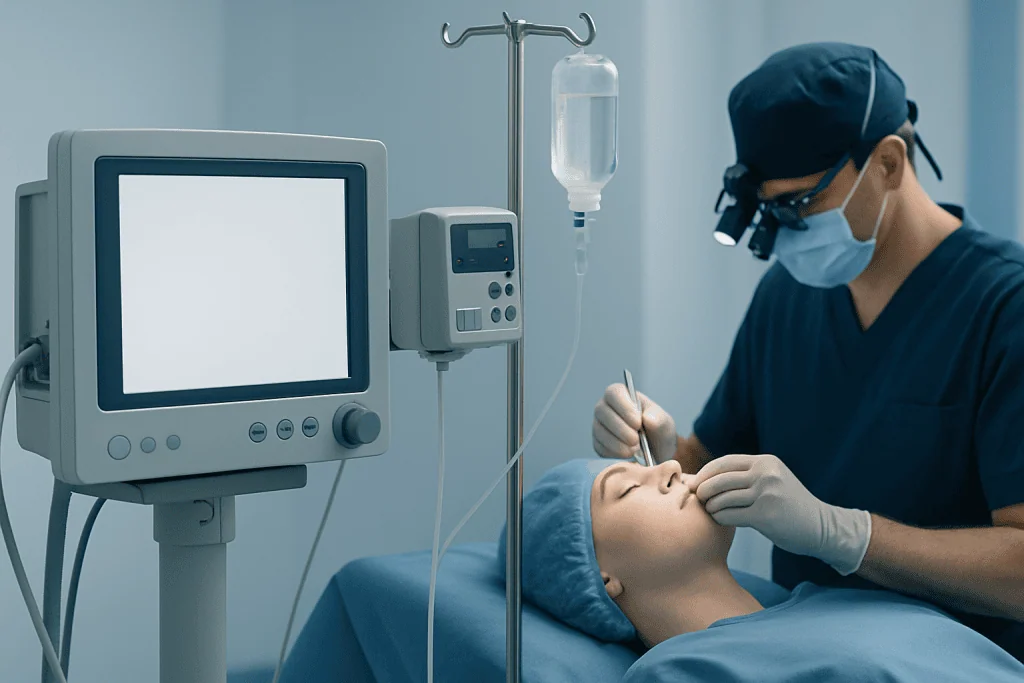
The main potential benefit of septoplasty surgery is easier airflow through the nose. People may notice one-sided or alternating blockage, difficulty breathing during exercise, mouth breathing, disturbed sleep, frequent crusting or nosebleeds, or congestion that does not fully settle with treatment for allergies or colds. A septal deviation can also contribute to impaired sinus drainage in selected individuals.
Good candidates usually have symptoms that match a structural narrowing found during an ENT examination. The specialist will ask about the pattern of blockage, previous nasal injuries, allergies, infections, medication use and sleep symptoms. They will also consider whether enlarged turbinates, nasal polyps, chronic rhinosinusitis, or collapse of the nasal valve may be contributing. For related information, see deviated septum.
Septoplasty is often considered after measures such as saline rinses, treatment for allergies, or nasal steroid sprays have been tried when appropriate. These treatments can reduce swelling of the nasal lining, but they cannot straighten the septum itself. Surgery is individualized; symptoms, examination findings, overall health and personal goals all matter.
- Persistent nasal obstruction linked to septal deviation
- Recurrent nosebleeds or crusting associated with an uneven airflow pattern
- Need for surgical access during selected sinus procedures
- Breathing difficulty after nasal trauma once swelling has settled
- Symptoms that remain significant despite suitable medical treatment
Assessment and Planning Before Surgery

An ENT specialist commonly examines the nose using a lighted instrument and may use nasal endoscopy, a thin camera that provides a closer view inside the nasal passages. Imaging is not needed for every person, but a CT scan may be helpful when chronic sinus disease, prior injury or more complex anatomy is suspected.
Before septoplasty surgery, the care team reviews medical conditions, prior operations, allergies and all medicines and supplements. Some medications can increase bleeding risk or affect anesthesia, so patients should only stop or adjust them according to instructions from their surgeon or prescribing clinician. Smoking and nicotine exposure may impair healing, and stopping before and after surgery is strongly advised.
Septoplasty may be performed alone or combined with another procedure. Turbinate reduction can be considered when the structures along the side walls of the nose are enlarged. Functional rhinoplasty may be discussed if nasal valve weakness or external structural issues also restrict airflow. When sinus disease is present, the surgeon may consider endoscopic sinus surgery at the same time if this is clinically indicated.
Septoplasty Procedure: Step by Step
Septoplasty is usually an outpatient procedure, meaning most patients go home on the day of surgery. It may be performed under general anesthesia, where the person is asleep, or in selected situations with local anesthesia and sedation. The choice depends on the planned procedure, medical history and the anesthesia team’s assessment.
After anesthesia is given, the surgeon makes an incision inside the nose and gently lifts the lining that covers the septum. The bent portions of cartilage or bone are then carefully reshaped, moved into a more central position, or removed when necessary. The surgeon aims to preserve enough supporting structure to maintain the stability of the nose.
The lining is repositioned and typically closed with dissolvable stitches. Soft internal splints, silicone sheets or absorbable packing may be placed to support healing, although techniques vary. If splints are used, they are commonly removed at a follow-up visit. The operation length varies, especially if it is combined with turbinate, sinus or nasal-shape surgery.
Patients remain in a recovery area until they are awake, comfortable and medically ready to leave. Because anesthesia and pain medicines can affect alertness, a responsible adult should accompany the patient home and remain available during the first night, according to the surgical team’s instructions.
Septoplasty Recovery Timeline and Self-Care
In the first few days after septoplasty surgery, the nose may feel blocked because of swelling, dried blood, splints or packing. Mild bleeding or blood-tinged drainage is common. Discomfort is often manageable with the pain-relief plan recommended by the surgeon. A small dressing beneath the nose may be used temporarily if there is drainage.
Many people return to desk-based work or school after about one week, although this varies with the type of work, the extent of surgery and individual recovery. Swelling and congestion improve progressively rather than immediately. Some people recognize a meaningful change in breathing within several weeks, while internal healing and the final functional result may continue to develop over a few months.
Follow-up appointments are an important part of recovery. The clinician may remove splints, examine healing and clear crusting if needed. Patients should attend these appointments even if they feel well, as the care team can identify concerns early and tailor aftercare advice.
- Use saline sprays or rinses only as advised to keep the nasal lining moist and clear.
- Avoid forceful nose blowing, straining and heavy lifting during the period recommended by the surgeon.
- Sneeze with the mouth open to reduce pressure inside the nose.
- Keep the head elevated when resting during the early recovery period if advised.
- Avoid contact sports until the surgeon confirms that it is safe to resume them.
Benefits, Limitations and Possible Risks
For appropriately selected patients, septoplasty can improve nasal breathing and reduce the sense of chronic obstruction. It may also make medical treatments such as nasal sprays more effective by improving access within the nose. If a person has multiple causes of congestion, however, septoplasty does not treat all of them. Allergies, asthma, chronic sinus inflammation and nasal valve problems may need separate treatment.
As with any operation, septoplasty has possible risks. These include bleeding, infection, persistent blockage, temporary changes in smell, crusting, numbness around the upper teeth or nose, and reactions to anesthesia. Less common complications include a hole in the septum, a collection of blood under the lining, changes in nasal shape, or the need for further surgery.
Results are generally judged by symptoms and quality of breathing rather than by appearance. It is important for patients to discuss realistic goals with their surgeon before the procedure. If external nasal appearance or a prior injury is also a concern, the specialist can explain whether septoplasty alone is sufficient or whether rhinoplasty may be relevant.
When to Seek Medical Care
A person should arrange a medical assessment for ongoing nasal blockage, frequent nosebleeds, recurrent sinus symptoms, sleep disruption from breathing difficulty, or obstruction after a nasal injury. These symptoms are common and often have treatable causes, but an examination helps clarify whether a deviated septum is involved and whether surgery is likely to help.
After septoplasty, patients should contact their surgical team promptly for bleeding that does not slow with the advised measures, fever, increasing pain or swelling, foul-smelling drainage, vision changes, severe headache, or difficulty breathing. Emergency care is appropriate for severe bleeding, serious breathing difficulty, fainting or any rapidly worsening symptoms.
For international patients considering evaluation or treatment, Acibadem International’s multidisciplinary specialists and JCI-accredited hospitals diagnose and treat nasal breathing conditions, including surgical options when appropriate. A consultation with a qualified ENT surgeon remains the best way to understand individual suitability, expected recovery and alternatives to surgery.
Frequently asked questions
Is septoplasty surgery painful?
Septoplasty is performed with anesthesia, so pain is not felt during the operation. Afterward, many people experience pressure, congestion and mild to moderate discomfort rather than severe pain. The surgeon will recommend appropriate pain relief and aftercare based on the individual procedure and health history.
How long does it take to recover from septoplasty surgery?
Initial recovery commonly takes around one to two weeks, and many people can resume sedentary daily activities after about a week if their surgeon agrees. Nasal stuffiness may last longer because internal swelling needs time to settle. Full healing and the clearest sense of improved airflow can take several weeks to a few months.
Will septoplasty change the shape of the nose?
Septoplasty is designed to correct the internal septum and usually does not change the outside appearance of the nose. However, major deviations, prior trauma or combined procedures can affect surgical planning. Anyone concerned about appearance should discuss this clearly with the ENT surgeon before surgery.
Can a deviated septum return after septoplasty?
The corrected septum does not usually return to its previous position, but symptoms can persist or recur for several reasons. Ongoing allergies, turbinate enlargement, scar tissue, additional nasal conditions or a new injury can affect airflow. Follow-up assessment can identify the likely cause if blockage continues.
Do nasal sprays fix a deviated septum?
Nasal sprays cannot straighten cartilage or bone that is physically deviated. Saline rinses, allergy treatments and steroid nasal sprays may reduce inflammation in the nasal lining and improve symptoms for some people. They are often used before surgery is considered or alongside surgery when allergies are also present.
When can someone exercise after septoplasty?
Light walking is often encouraged soon after surgery, but strenuous exercise, heavy lifting and activities that raise the risk of a blow to the nose should be avoided initially. The safe timing depends on healing, bleeding risk and whether other procedures were performed. The operating surgeon should provide individualized guidance at follow-up.
References
- American Academy of Otolaryngology–Head and Neck Surgery
- Mayo Clinic
- Cleveland Clinic
- National Health Service
- Merck Manual Consumer Version
This article is for general information only and is not a substitute for professional medical advice. Please consult a qualified doctor about your individual situation.
Septoplasty in Turkey — costs, top hospitals & a free quote
JCI-accredited · board-certified surgeons · reply within 24h
Add us as a Preferred Source to see more of our trusted health content across Google Search, AI Overviews and Discover.

Otorhinolaryngology (ENT)
Care for ear, nose, throat and head-and-neck conditions, including hearing and balance disorders.
126 specialists in this unitMore from the Health Library



Related Specialists

Dt. Hakan Necip İşcan
Dentistry
Assoc. Prof. Dr. Çağlar Baysal
Gastroenterology
Dt. Özge Ceren Şeker
Oral & Dental Health
Prof. Dr. Sinan Yavuz
Internal Medicine