Shaken Baby Syndrome: Diagnosis, Outlook, and Modern Treatment Approaches
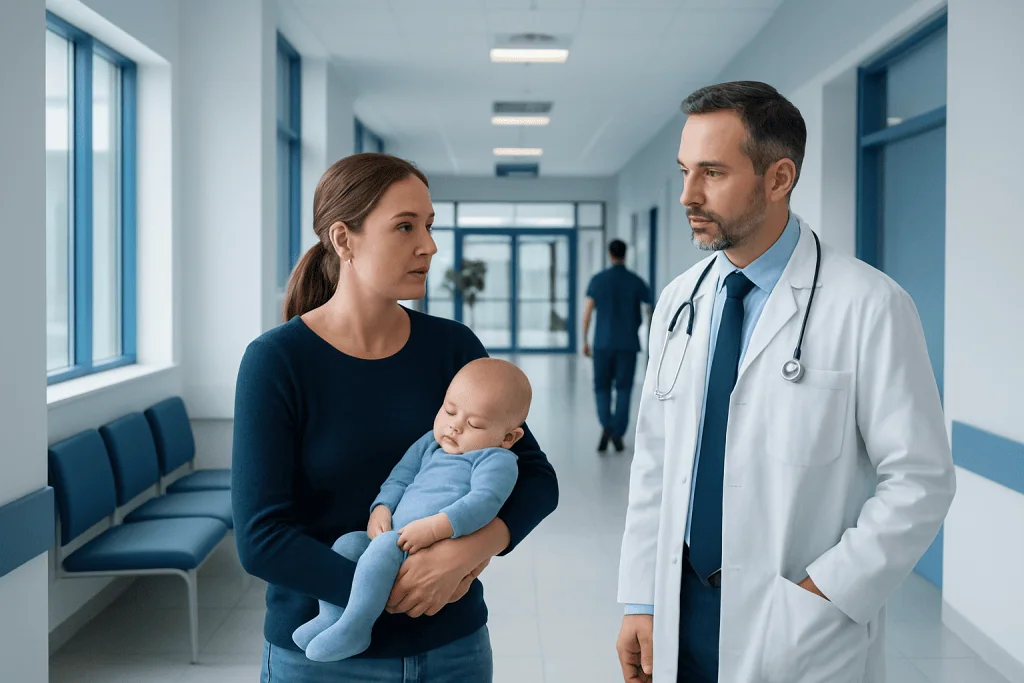
Shaken baby syndrome is a medical emergency and requires immediate evaluation. Symptoms can range from irritability and vomiting to seizures, breathing problems, or unresponsiveness.
Key Takeaways
- Shaken baby syndrome is a medical emergency and requires immediate evaluation.
- Symptoms can range from irritability and vomiting to seizures, breathing problems, or unresponsiveness.
- Diagnosis usually combines physical examination, brain imaging, eye examination, and laboratory testing.
- Treatment does not reverse the injury itself but can stabilize the child and reduce complications.
- Outlook varies widely and depends on how severe the brain injury is and how quickly care begins.
- Prevention centers on never shaking a baby and getting help early when caregiving stress feels overwhelming.
Shaken baby syndrome is a serious form of abusive head trauma that happens when violent shaking causes injury to a baby’s brain, eyes, and sometimes the spine or bones. Modern care focuses on urgent diagnosis, life-saving stabilization, treatment of brain injury complications, and careful long-term follow-up to support recovery and safety.
Overview: What shaken baby syndrome means
Shaken baby syndrome is a severe form of abusive head trauma that occurs when an infant or young child is violently shaken. The rapid back-and-forth motion can cause the brain to move within the skull, leading to bleeding, swelling, and damage to delicate brain tissues and blood vessels. This is a medical emergency, not a minor injury, and it needs immediate professional care.
The term is still widely used in public education, although many specialists also use the broader medical term abusive head trauma. That broader term can include injuries caused by shaking alone or by shaking combined with impact. In practical terms, both terms refer to serious trauma that may affect the brain, eyes, breathing, and development.
Infants are especially vulnerable because their neck muscles are weak, their heads are relatively large compared with their bodies, and their brains are still developing. Even if there are no obvious bruises or external injuries, major internal harm can occur. For this reason, any suspected abusive head injury should be assessed urgently by pediatric emergency and neurology teams.
Symptoms and signs to watch for
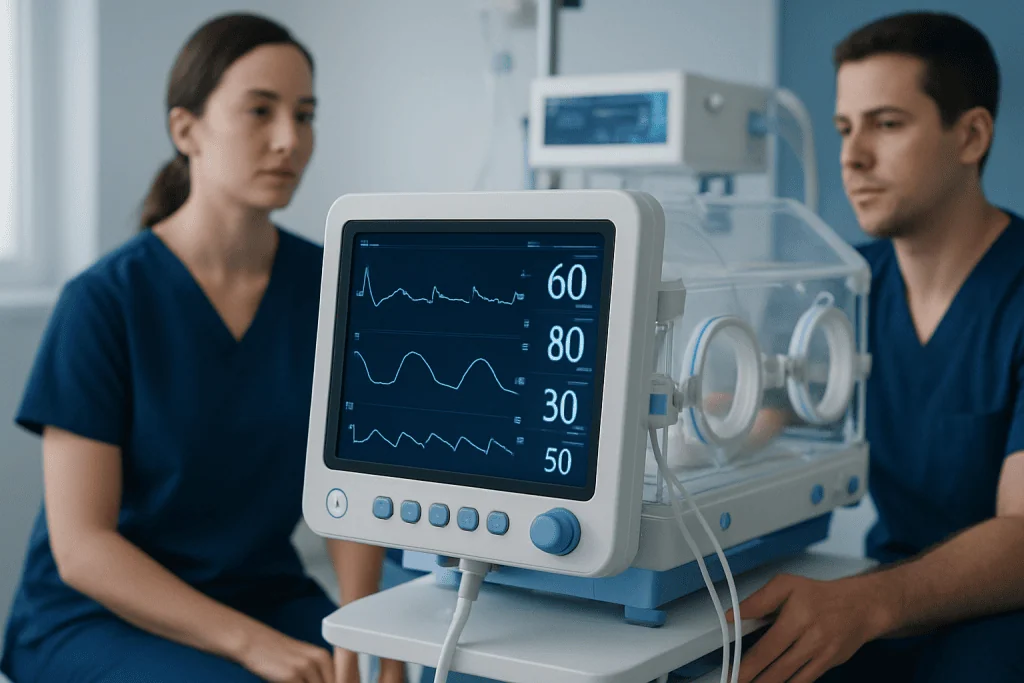
Symptoms of shaken baby syndrome can appear suddenly, but they are not always dramatic at first. Some babies seem unusually sleepy, irritable, or difficult to feed. Others may vomit, cry in a different way than usual, or show decreased interaction and poor eye contact. Because these signs can overlap with other illnesses, careful medical assessment is important.
More severe symptoms can include trouble breathing, limpness, seizures, repeated vomiting, unequal pupil size, poor responsiveness, or loss of consciousness. A baby may also stop smiling, stop tracking faces, or seem unable to wake normally. In some cases, there may be bruising, fractures, or other injuries, but external signs can be absent.
Doctors may also find signs that are not visible to caregivers, such as bleeding around the brain or bleeding in the retinas of the eyes. These findings help clinicians understand the pattern and severity of the injury. Any sudden neurological change in an infant should be taken seriously and evaluated without delay.
- Unusual sleepiness or difficulty waking
- Poor feeding or vomiting
- Irritability or high-pitched crying
- Seizures or abnormal movements
- Breathing pauses or trouble breathing
- Limpness, weakness, or reduced responsiveness
How injury happens and who is at risk

Shaken baby syndrome happens when forceful shaking causes the head to whip back and forth. This motion can tear tiny veins, lead to bleeding around the brain, and trigger swelling that increases pressure inside the skull. The injury may also damage the retina and, in some cases, the cervical spine. A baby does not need to be thrown or struck for severe injury to occur, although impact can also be part of abusive head trauma.
Most cases involve infants, especially in the first year of life. Crying that is prolonged or difficult to soothe is one known trigger for caregiver frustration, but crying itself never justifies or explains away the injury. The cause is the violent handling, not the baby’s behavior.
Risk factors are more related to caregiver stress and unsafe responses than to a child’s health. Lack of support, fatigue, unrealistic expectations about infant crying, substance misuse, and family violence can increase risk in the home environment. Recognizing these pressures early and offering help is an important part of prevention.
It can be helpful for families to understand that ordinary play, gentle bouncing, or short accidental movements do not cause this pattern of severe injury. Clinicians look at the full medical picture to distinguish abusive head trauma from accidents or medical conditions that may produce some overlapping symptoms.
How doctors diagnose shaken baby syndrome
Diagnosis begins with urgent stabilization and a thorough examination. Doctors assess breathing, circulation, level of consciousness, and any signs of seizure activity. They then gather a careful medical history, including when symptoms started and whether there was any possible injury, illness, or concerning event. Because infants cannot describe symptoms, clinicians rely heavily on observation and testing.
Brain imaging is central to diagnosis. A CT scan may be used quickly in emergency settings to detect acute bleeding or swelling, while MRI scanning can provide more detailed information about brain injury, older bleeding, and possible damage to deeper tissues. An eye examination by a specialist may be performed to look for retinal hemorrhages. Blood tests may help rule out bleeding disorders, infection, or metabolic conditions that can mimic some features of trauma.
Doctors also often evaluate for injuries beyond the head. This may include a skeletal survey to look for fractures in different stages of healing and additional imaging if spinal injury is suspected. When seizures are a concern, the child may need neurological monitoring and specialist input from pediatric teams experienced in neurological care.
Diagnosis is not based on one test alone. It is made by combining the clinical examination, imaging findings, eye findings, laboratory results, and the overall injury pattern. Because shaken baby syndrome is both a medical and child-protection emergency, hospitals follow established protocols to ensure the child’s safety while treatment proceeds.
Modern treatment approaches
There is no single medicine that reverses shaken baby syndrome, so treatment focuses on stabilizing the child, protecting the brain, and addressing complications as quickly as possible. Emergency care may include oxygen support, help with breathing, seizure control, fluids, and careful monitoring in a pediatric intensive care setting. The goal is to maintain oxygen delivery to the brain and limit secondary injury from swelling or reduced blood flow.
If brain swelling or bleeding is significant, neurosurgical evaluation may be needed. Some children require drainage procedures or surgery to relieve pressure, depending on the imaging findings and neurological condition. Hospitals may use advanced monitoring and repeated imaging to guide decisions. In selected cases, neurosurgical treatment becomes part of urgent care.
As the child becomes medically stable, treatment often expands to include rehabilitation and developmental support. This can involve physical therapy, occupational therapy, feeding support, and vision or hearing assessment. Children with ongoing seizures may need structured follow-up in pediatric epilepsy care. If movement, communication, or behavior are affected, early intervention can make a meaningful difference over time.
Because abusive head trauma can affect many body systems, modern care is usually multidisciplinary. Pediatricians, emergency physicians, neurologists, neurosurgeons, ophthalmologists, radiologists, rehabilitation specialists, and social workers may all be involved. Near the end of the care pathway, families may also seek coordinated assessment at centers such as Acibadem International, where multidisciplinary specialists in JCI-accredited hospitals diagnose and treat complex neurological conditions for international patients.
Outlook and possible long-term effects
The outlook after shaken baby syndrome varies greatly. Some children survive with limited lasting effects, while others have significant long-term neurological disability. Outcome depends on several factors, including how severe the initial brain injury was, whether breathing was interrupted, how quickly treatment began, and whether repeated injury occurred.
Possible long-term effects include developmental delay, learning difficulties, cerebral palsy, seizures, vision impairment, hearing problems, feeding challenges, and behavioral or emotional difficulties. Some effects may become more noticeable as a child grows and faces more complex language, school, and social demands. For this reason, follow-up should continue beyond the immediate recovery period.
Families often benefit from a structured plan for developmental surveillance. Regular visits can help detect emerging concerns early and connect the child with therapies at the right time. If there are persistent brain-related symptoms or recovery needs, doctors may recommend pediatric rehabilitation and, when appropriate, physical therapy and rehabilitation.
It is also important to recognize the emotional impact on families and caregivers. Support from social work, mental health professionals, and community resources can help families navigate medical care, safety planning, and the long recovery process.
Prevention and self-care for caregivers
Shaken baby syndrome is preventable. The most important message is simple: never shake a baby, even for a moment. Normal infant crying can be exhausting, but crying is common and often peaks in early infancy. A baby may cry from hunger, discomfort, tiredness, overstimulation, illness, or sometimes no clear reason at all.
Caregivers can reduce stress by using safe calming strategies such as feeding, burping, diaper changes, swaddling if age-appropriate, holding, gentle rocking, or walking with the baby. If frustration builds, it is safer to place the baby on their back in a crib and step away briefly while another trusted adult is contacted for help. A few minutes of cooling down can prevent a life-changing injury.
Households benefit from discussing a plan before stress escalates. Parents, relatives, and babysitters should all understand that rough handling is dangerous and unacceptable. Education is especially important for anyone who may care for the infant during difficult crying periods or overnight fatigue.
- Share soothing techniques with all caregivers
- Plan breaks and ask for help early
- Avoid caregiving when impaired by alcohol or drugs
- Learn normal infant crying patterns
- Seek support for stress, depression, or family conflict
When to seek medical care
Immediate medical care is needed if a baby has seizures, trouble breathing, repeated vomiting, unusual sleepiness, limpness, poor feeding, sudden irritability, or any reduced responsiveness. Emergency evaluation is also important if there is concern that the baby may have been shaken or otherwise handled violently, even if symptoms seem mild at first. Serious brain injury can be present without obvious external signs.
Caregivers should call emergency services right away if the baby is unconscious, not breathing normally, or has ongoing seizure activity. It is safest not to delay and not to wait for symptoms to pass on their own. Early treatment may reduce complications and helps doctors identify the cause of the child’s condition promptly.
If the baby is stable but there are concerning changes in behavior, feeding, movement, or alertness after a possible injury, urgent same-day medical assessment is still important. Clinicians can evaluate for head injury and related conditions, including other causes of neurological symptoms such as brain hemorrhage. When in doubt, a qualified doctor or emergency department should assess the child.
Frequently asked questions
Is shaken baby syndrome the same as abusive head trauma?
Shaken baby syndrome is commonly used to describe a severe injury pattern caused by violent shaking, while abusive head trauma is the broader medical term. Abusive head trauma can include shaking alone or shaking combined with impact. In clinical practice, both terms point to a serious injury that needs urgent care.
Can a baby look normal at first after being shaken?
Yes. Some infants do not show dramatic symptoms right away and may first seem sleepy, fussy, or difficult to feed. Because serious internal injury can exist without obvious bruising, any concern about shaking should lead to immediate medical evaluation.
Can shaken baby syndrome be cured?
There is no single cure that reverses the injury once it has happened. Treatment aims to stabilize the baby, reduce complications, and support recovery through intensive care, neurological management, and rehabilitation. Long-term outcome depends on the severity of the injury.
What tests are usually done to diagnose shaken baby syndrome?
Doctors often use a combination of physical examination, brain imaging such as CT or MRI, blood tests, and an eye examination to look for retinal bleeding. They may also check for fractures or spinal injury. Diagnosis is based on the overall medical picture rather than one test alone.
What long-term problems can happen after shaken baby syndrome?
Possible long-term effects include seizures, developmental delay, vision problems, hearing loss, movement disorders, learning difficulties, and behavioral changes. Some children have mild difficulties, while others need ongoing medical and therapy support. Regular follow-up helps identify problems early.
How can caregivers prevent shaken baby syndrome?
The key step is to never shake a baby under any circumstances. Caregivers should learn normal crying patterns, use safe soothing techniques, and ask for help when stress builds. If frustration feels overwhelming, placing the baby safely in a crib and taking a brief pause is safer than continuing to cope alone.
References
- American Academy of Pediatrics
- Centers for Disease Control and Prevention
- National Institute of Neurological Disorders and Stroke
- World Health Organization
- Royal College of Paediatrics and Child Health
This article is for general information only and is not a substitute for professional medical advice. Please consult a qualified doctor about your individual situation.
Joint and spine care in Turkey — expert assessment & treatment
JCI-accredited · board-certified surgeons · reply within 24h
Add us as a Preferred Source to see more of our trusted health content across Google Search, AI Overviews and Discover.