Shingles: Early Rash Signs, Nerve Pain, and Antiviral Treatment

Shingles is caused by reactivation of the varicella-zoster virus, the same virus that causes chickenpox. Early symptoms often include burning, tingling, itching, or pain before a rash appears.
Key Takeaways
- Shingles is caused by reactivation of the varicella-zoster virus, the same virus that causes chickenpox.
- Early symptoms often include burning, tingling, itching, or pain before a rash appears.
- Antiviral medicines work best when started as soon as possible, ideally within the first few days of the rash.
- A common complication is postherpetic neuralgia, which is persistent nerve pain after the rash heals.
- Vaccination can help lower the risk of shingles and its complications, especially in older adults.
Shingles is a viral infection that causes a painful, blistering rash and nerve-related discomfort. Early recognition and prompt antiviral treatment can help shorten the illness and reduce the risk of complications.
Overview
Shingles, also called herpes zoster, is a viral infection caused by the reactivation of the varicella-zoster virus. This is the same virus that causes chickenpox. After a person recovers from chickenpox, the virus does not fully leave the body. Instead, it remains inactive in nerve tissue and may reactivate years later as shingles.
The condition usually causes a painful rash with fluid-filled blisters. In many people, the rash appears in a band or strip on one side of the body or face because the virus travels along a nerve. Pain, burning, or tingling may start before the rash is visible, which is why early shingles can sometimes be mistaken for another problem at first.
Shingles can affect adults of any age, but it is more common in older adults and in people whose immune systems are weakened. Although many cases improve within a few weeks, some people develop ongoing nerve pain or other complications. Because of this, early medical evaluation is important when symptoms suggest shingles.
Early Signs and Symptoms
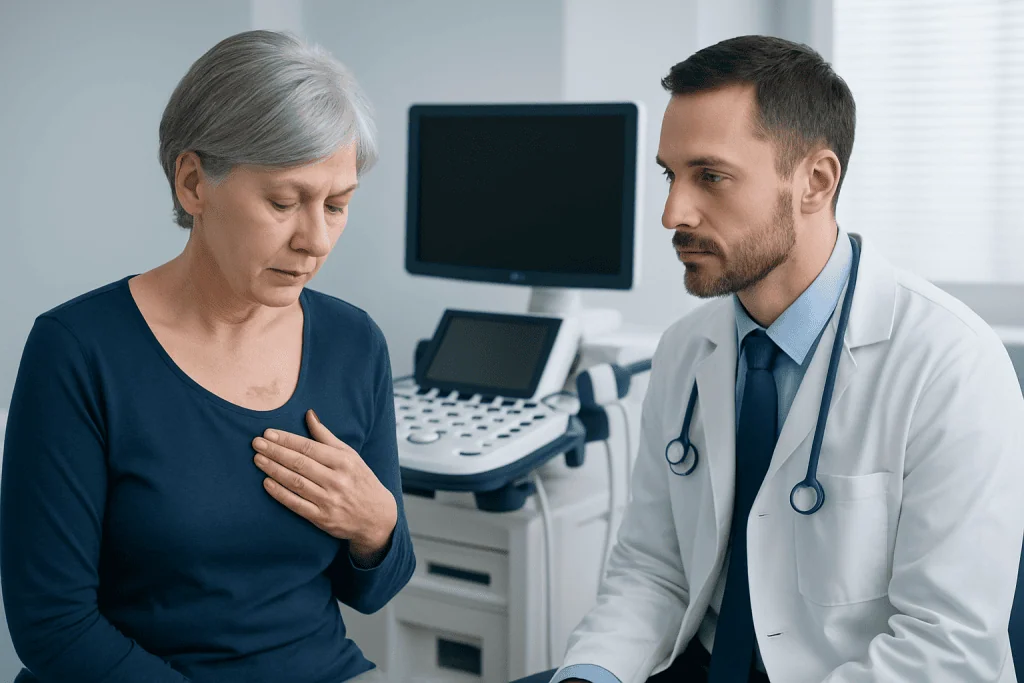
One of the earliest signs of shingles is unusual skin sensation in a limited area. A person may notice burning, tingling, itching, stabbing pain, or increased sensitivity to touch. This discomfort often affects only one side of the body and may begin one to several days before the rash appears.
After this early nerve-related phase, a rash usually develops. It often starts as red patches and quickly progresses to clusters of small blisters filled with fluid. The rash most commonly appears on the chest, back, or abdomen, but it can also affect the face, scalp, neck, or around an eye. New blisters may continue to appear for several days before they dry and form crusts.
Some people also feel generally unwell. Mild fever, headache, tiredness, or sensitivity to light can occur. Symptoms vary from person to person, but the pain is often more noticeable than the rash itself, especially early on.
- Burning, tingling, or shooting pain on one side of the body
- Itching or skin sensitivity before the rash
- A stripe-like blistering rash
- Touch-related pain, even from clothing
- Fatigue, headache, or low-grade fever
Causes and Risk Factors
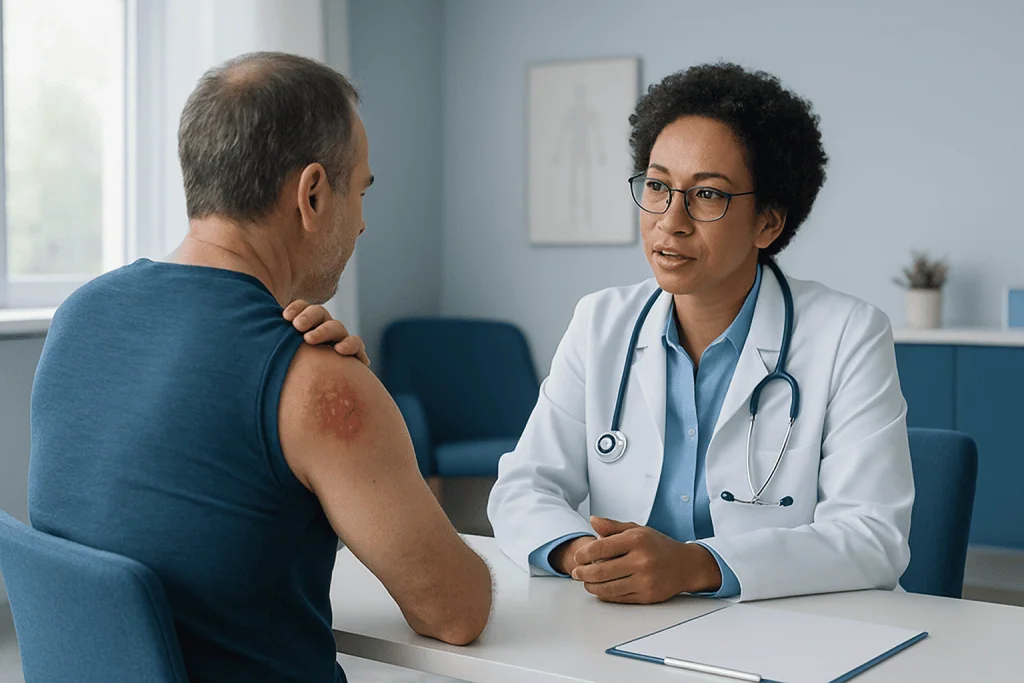
Shingles develops when the dormant varicella-zoster virus becomes active again. Doctors do not always know exactly why this happens in a specific person, but the risk increases when the immune system becomes less effective at controlling the virus. Aging is one of the main reasons this risk rises over time.
Other factors can also make shingles more likely. People with immune suppression related to illness, cancer treatment, organ transplantation, or certain medicines may have a higher chance of reactivation. Physical or emotional stress may play a role as well, although it is usually not the only factor involved.
A person can only develop shingles if they have previously had chickenpox or, less commonly, if they have had exposure to the live chickenpox vaccine virus. Shingles itself is not spread from one person to another in the same way as a cold or flu, but the virus from active blisters can cause chickenpox in someone who has never had it or has not been vaccinated.
Possible Complications
The most common complication of shingles is postherpetic neuralgia. This means nerve pain continues after the rash has healed. The pain may feel burning, stabbing, or highly sensitive, and it can last for weeks, months, or sometimes longer. Older age and more severe early pain or rash can increase the likelihood of this complication.
Shingles affecting the eye area needs especially prompt attention. When the rash involves the forehead, eyelid, or nose, there may be a risk of eye inflammation and vision problems. Ear involvement can also affect hearing or balance in some people. Facial weakness may occur in certain cases when nearby nerves are affected.
Less commonly, bacterial skin infection can develop if blisters become secondarily infected. People with weakened immune systems may have more widespread disease or a higher risk of serious complications. Prompt treatment and close follow-up can help reduce these risks.
Persistent nerve pain after shingles is often discussed as postherpetic neuralgia, a condition that may need ongoing symptom management if it develops.
How Shingles Is Diagnosed
Doctors usually diagnose shingles based on the pattern of symptoms and the appearance of the rash. A painful, one-sided blistering rash following the path of a nerve is often distinctive. The history of pain or tingling before the rash is another helpful clue.
In some cases, diagnosis is less straightforward. Early shingles may cause pain before the skin changes are obvious, and some people have only a mild rash. If the rash is unusual, widespread, or affects a person with a weakened immune system, a doctor may take a sample from a blister for laboratory testing.
Medical evaluation is particularly important when symptoms involve the face or eyes, when pain is severe, or when there is uncertainty about the cause. A clinician may also review other conditions that can resemble shingles, such as contact dermatitis, herpes simplex infection, or other painful skin disorders.
Treatment Options
The main treatment for shingles is antiviral medicine. These medicines do not remove the virus from the body permanently, but they can help shorten the infection, reduce new blister formation, and lower the severity of symptoms. They work best when started early, ideally within 72 hours of rash onset, although treatment may still help later in selected cases, especially if new lesions are appearing or the eye is involved.
Pain relief is also an important part of care. Depending on the person’s symptoms and medical history, doctors may recommend simple pain relievers or medicines that target nerve pain. Cool compresses, gentle skin care, and loose clothing may also help improve comfort while the rash heals.
If complications develop, additional treatment may be needed. Eye involvement may require urgent evaluation by an eye specialist. People with severe disease or weakened immunity may need closer monitoring and, in some situations, hospital-based treatment. For patients with lasting nerve pain, doctors may discuss therapies used for neurology care or, when persistent facial or eye-area symptoms need coordinated review, ophthalmology evaluation.
Near the end of the care pathway, some patients benefit from multidisciplinary follow-up. Acibadem International’s specialists in infectious diseases, dermatology, neurology, and eye care at JCI-accredited hospitals diagnose and treat shingles and its complications for international patients when advanced assessment is needed.
Prevention and Self-care
Vaccination is one of the most effective ways to reduce the risk of shingles and its complications. In many countries, shingles vaccination is recommended for older adults and for some younger adults with higher risk due to immune-related conditions. A doctor can advise whether vaccination is appropriate based on age, health status, and local vaccine recommendations.
Self-care during shingles focuses on protecting the skin, reducing discomfort, and avoiding spread of the virus from active blisters. The rash should be kept clean and dry, and scratching should be avoided. Loose, soft clothing may reduce irritation. It is wise to limit direct contact between the rash and people who are pregnant, newborn, unvaccinated, or immunocompromised until the lesions have crusted over.
General health measures may also help recovery. Rest, adequate fluids, and balanced nutrition support the body while it heals. Although self-care can improve comfort, it should not replace medical treatment, especially when symptoms are new or severe.
- Ask a doctor about shingles vaccination
- Keep the rash clean and avoid scratching
- Use cool compresses if recommended
- Cover the rash to lower the chance of virus spread
- Seek prompt care if the face or eyes are involved
When to See a Doctor
A person should contact a doctor promptly if they develop burning or tingling pain followed by a one-sided rash, especially if the rash has blisters. Early treatment is most effective, so it is best not to wait for symptoms to become severe. This is particularly important for older adults and people with weakened immune systems.
Urgent medical attention is needed if the rash affects the eye, eyelid, forehead, nose, or ear, or if there is trouble seeing, hearing, or balancing. Severe pain, fever, confusion, weakness, or a rash that spreads widely also deserves prompt evaluation. These signs can point to a more complicated course.
Medical review is also important if the pain continues after the rash improves. Persistent discomfort may suggest nerve irritation that needs ongoing care. In situations involving significant nerve symptoms or rehabilitation after complications, doctors may also coordinate support through physical therapy and rehabilitation when appropriate for comfort, function, and recovery.
Frequently asked questions
What does shingles look like at the beginning?
Early shingles may begin with redness and small bumps in a limited area, often after burning, tingling, or pain has already started. Within a short time, these spots usually become clusters of fluid-filled blisters on one side of the body or face.
Is shingles contagious?
Shingles itself is not passed from one person to another as shingles. However, the virus in the blisters can cause chickenpox in someone who has never had chickenpox or has not been vaccinated, so covering the rash and avoiding direct contact is important.
How long does shingles last?
In many people, the rash dries and crusts over within about 7 to 10 days and heals over several weeks. Pain may improve along with the rash, but some people have lingering nerve pain for longer.
When should antiviral treatment for shingles start?
Antiviral medicine is usually most helpful when started as soon as possible, ideally within 72 hours after the rash appears. Even after that window, a doctor may still recommend treatment in some cases, especially if symptoms are ongoing or the eyes are involved.
Can shingles happen more than once?
Yes, shingles can recur, although many people only have it once. The chance may be higher in older adults and in people with weakened immune systems.
What is postherpetic neuralgia?
Postherpetic neuralgia is nerve pain that continues after the shingles rash has healed. It can feel burning, stabbing, or very sensitive to touch, and medical treatment may help control symptoms.
Can shingles be prevented?
Vaccination can lower the risk of shingles and reduce the chance of serious complications if shingles does occur. A healthcare professional can advise who should be vaccinated based on age, medical history, and local guidance.
References
- Centers for Disease Control and Prevention
- World Health Organization
- National Institute on Aging
- National Health Service
- Mayo Clinic
This article is for general information only and is not a substitute for professional medical advice. Please consult a qualified doctor about your individual situation.
Shingles in Turkey — costs, top hospitals & a free quote
JCI-accredited · board-certified surgeons · reply within 24h
Add us as a Preferred Source to see more of our trusted health content across Google Search, AI Overviews and Discover.

Infectious Diseases Department
22 specialists in this unitMore from the Health Library



Related Specialists

Assoc. Prof. Dr. Muhammet Ahmet Karakaya
Anesthesiology
Esra Er
Physical Medicine & Rehabilitation
Prof. Dr. Emine Nur Tozan
Treatment of Pain Algology
Dr. Nurcan Göğebakan
Otorhinolaryngology