Shocks electrical: A Complete Medical Guide for Patients

Electrical shocks can injure more than the skin, including the heart, nerves, muscles, and internal tissues. The severity depends on voltage, current pathway through the body, duration of contact, and whether the skin was wet or damaged.
Key Takeaways
- Electrical shocks can injure more than the skin, including the heart, nerves, muscles, and internal tissues.
- The severity depends on voltage, current pathway through the body, duration of contact, and whether the skin was wet or damaged.
- Chest pain, fainting, confusion, burns, muscle pain, weakness, or trouble breathing need urgent medical attention.
- Children, workers exposed to electricity, and people shocked by high voltage have a higher risk of serious injury.
- Prevention includes safe use of outlets, cords, appliances, protective equipment, and avoiding electricity near water.
Shocks electrical can range from a brief, mild jolt to a serious injury affecting the skin, muscles, nerves, heart, or brain. Even when a person feels well afterward, some electrical injuries need prompt medical evaluation because internal damage is not always visible.
What shocks electrical means and why it matters
Shocks electrical refers to injuries that happen when electric current passes through the body. This can occur from home appliances, damaged cords, power outlets, workplace equipment, lightning, or accidental contact with power lines. Some shocks are minor and cause only brief pain, but others can disturb the heart rhythm, damage muscles and nerves, or create deep burns that are not obvious on the skin.
The effect of an electrical shock depends on several factors: the voltage, the type of current, how long the contact lasts, the path the current takes through the body, and whether the skin is wet. A shock that travels from one hand to the other or from a hand to a foot can pass through the chest and may affect the heart and breathing muscles. This is one reason clinicians often take electrical injuries seriously even when the outside appearance seems mild.
Electrical injury is different from a simple surface burn. Heat produced by the current can damage tissues under the skin, and forceful muscle contractions may lead to strains, fractures, or falls. A person may also lose consciousness or experience memory problems after the event. Understanding these possibilities helps patients know when simple observation may be enough and when urgent care is safer.
How electrical shock affects the body
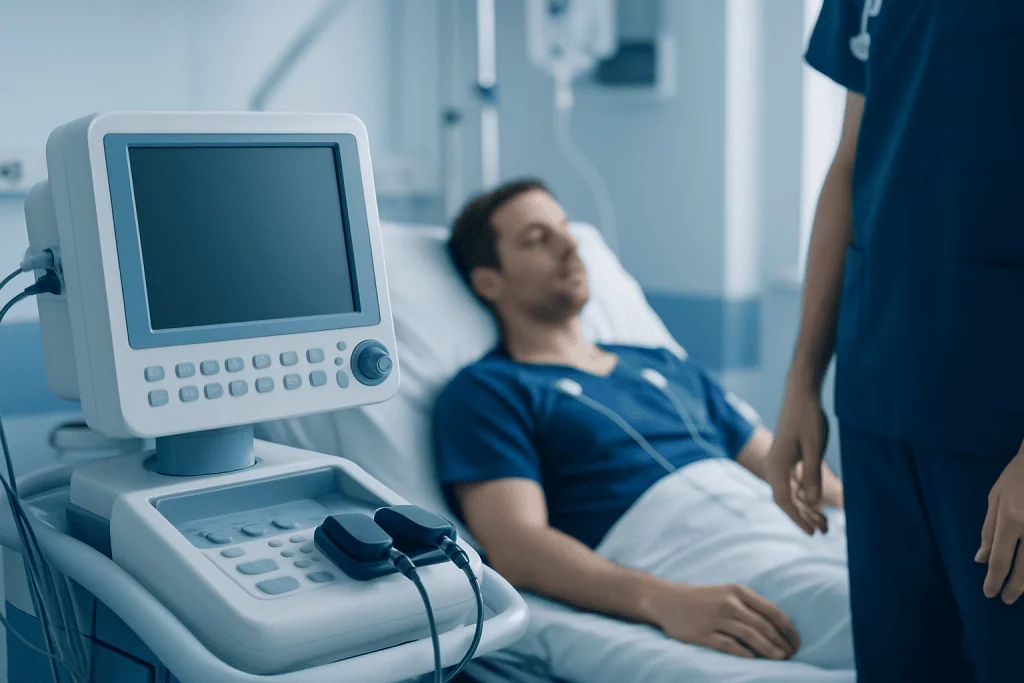
Electricity can harm the body in several ways at the same time. The current may interrupt normal electrical signals in the heart, nerves, and muscles. This can lead to palpitations, weakness, numbness, muscle spasms, or, in severe cases, dangerous heart rhythm problems.
Burns are another common effect. There may be an entry point where the current entered the body and an exit point where it left, but not every shock creates obvious marks. Deep tissue damage can be more severe than the skin injury suggests. In addition, strong muscle contractions can throw a person backward or cause them to grip the electrical source and prolong the exposure.
The brain and nervous system can also be affected. Some people feel confused, dizzy, anxious, or develop headache after a shock. Others may notice tingling, ongoing pain, or weakness later. In some cases, an electrical injury can overlap with other medical problems such as heart rhythm disturbances or injuries from a fall, which is why a full clinical assessment may be needed.
Common symptoms after an electrical shock

Symptoms can appear immediately or evolve over hours. Mild shocks may cause a brief sting, muscle twitch, or small skin burn. More significant injuries may produce chest pain, shortness of breath, confusion, severe muscle pain, weakness, numbness, vision changes, or fainting.
Burns may look white, charred, red, or blistered. However, the absence of a visible burn does not rule out injury. People sometimes feel tired, sore, or mentally foggy afterward, especially if there was a fall or if the current passed through the upper body.
Symptoms that deserve prompt attention include:
- Loss of consciousness, even briefly
- Irregular heartbeat, fast heartbeat, or chest pain
- Trouble breathing or persistent coughing
- Burns to the face, hands, feet, or over a large area
- Weakness, numbness, or difficulty walking
- Confusion, seizure, severe headache, or vision changes
- Persistent pain after contact with household or workplace electricity
Causes and risk factors
Electrical shocks can happen in many everyday settings. At home, common causes include frayed cords, faulty appliances, overloaded outlets, damaged chargers, extension cords used unsafely, and contact with electricity near sinks, bathrooms, or outdoor water sources. Children are at special risk because they may explore outlets, chew cords, or touch unsafe devices.
At work, electricians, construction workers, maintenance teams, factory employees, and first responders may face higher exposure. Contact with industrial equipment or overhead power lines is especially dangerous because high-voltage injuries can cause severe internal damage. Lightning strikes are less common but can lead to serious cardiac and neurological complications.
Certain factors increase the chance of a more serious injury. Wet skin lowers the body’s resistance and allows more current to pass. Metal jewelry, damaged skin, prolonged contact, and inability to let go of the electrical source can also worsen injury. People with underlying heart disease may be more vulnerable to rhythm changes, though anyone can be affected after a significant shock.
Diagnosis and medical evaluation
Doctors diagnose electrical injury by combining the history of the event with a physical examination. Important details include the source of electricity, whether it was household or high voltage, how long the contact lasted, whether the person lost consciousness, and whether there was a fall. The clinician also looks for burns, nerve symptoms, muscle tenderness, and signs of injury to the head, spine, or limbs.
Depending on the situation, tests may be needed to look for hidden complications. An electrocardiogram can check the heart rhythm, and blood tests may help assess muscle injury or other internal effects. If there was chest pain, fainting, or a high-risk exposure, clinicians may recommend observation and repeated heart monitoring. Imaging may be used if there is concern about fractures, head injury, or internal trauma.
Burn care may involve wound assessment and, in some cases, referral for specialized management such as burn treatment. If the person has ongoing weakness, nerve symptoms, or pain, further evaluation may be needed to look for muscle, nerve, or brain effects. In selected cases, services such as neurological rehabilitation may support recovery after more severe injury.
Treatment options and recovery
Treatment depends on how severe the shock was and which parts of the body were affected. Mild injuries may need only cleaning of small burns, pain relief, wound care advice, and observation for new symptoms. More serious injuries may require hospital monitoring, intravenous fluids, treatment for burns, management of abnormal heart rhythms, or care for trauma caused by a fall.
If the heart rhythm is affected, doctors may use monitoring and specialist evaluation, especially when symptoms suggest arrhythmia. Burns may need dressings, infection prevention, and follow-up to reduce scarring and protect function. Muscle injury and nerve symptoms may take time to improve and sometimes require rehabilitation, hand therapy, or physiotherapy. People with hearing, balance, memory, or mood symptoms may also benefit from a broader multidisciplinary review.
Recovery can be quick after a mild shock, but some patients need longer follow-up. Lingering numbness, pain, stiffness, sleep changes, anxiety, or concentration problems should be discussed with a clinician. Near the end of the care pathway, some patients may be referred for physical therapy and rehabilitation to improve movement, strength, and daily function. Acibadem International’s multidisciplinary specialists and JCI-accredited hospitals diagnose and treat electrical injuries for international patients when advanced evaluation or rehabilitation is needed.
Prevention and self-care after a minor shock
The safest way to prevent electrical injuries is to reduce exposure at home and work. Keep appliances away from water, replace damaged cords, avoid overloading outlets, use childproof outlet covers, and unplug devices before cleaning or repairing them. Outdoor equipment should be used according to manufacturer instructions, and wet hands should never handle plugs or electrical switches.
At work, proper training, lockout procedures, insulated tools, and personal protective equipment are essential. People should stay clear of downed power lines and call emergency services or the utility provider rather than approaching them. During storms, shelter indoors and avoid plumbing, wired electronics, and corded phones when lightning risk is present.
After a very mild household shock, a person who has no symptoms beyond a brief sting may simply need rest and observation. Small superficial burns can be gently cleaned and covered with a dry, non-stick dressing. However, self-care should not replace medical review if there is any uncertainty, especially in children, pregnant patients, older adults, or anyone with chest symptoms, fainting, significant burns, or ongoing pain.
When to seek medical care
Urgent medical care is important after any high-voltage shock, lightning strike, or electrical injury that causes fainting, chest pain, shortness of breath, confusion, seizure, severe burn, or a fall from height. Emergency help is also needed if the person is not breathing, has no pulse, or is still in contact with the electrical source. In that situation, the power should be turned off first if it can be done safely.
A same-day medical review is sensible after shocks involving the mouth, hands, feet, or head; persistent pain or tingling; visible burns; pregnancy; underlying heart disease; or any current that appears to have passed through the chest. Children should be assessed more readily because they may not describe symptoms clearly and mouth burns can worsen later.
People should also seek care if new symptoms develop over the next several hours, such as increasing pain, swelling, weakness, palpitations, dark urine, or worsening redness around a burn. Timely evaluation can identify hidden injury early and guide safe follow-up.
Frequently asked questions
Can a mild electrical shock still be dangerous?
Yes. A mild shock may seem minor, but some electrical injuries can affect the heart, muscles, or nerves without causing obvious skin burns. Medical advice is especially important if there is chest pain, fainting, weakness, or if the current likely passed through the upper body.
What should someone do immediately after an electrical shock?
The first priority is safety. If the person is still in contact with the source, the power should be turned off before touching them, if this can be done safely. After that, emergency care is needed if the person is unconscious, having trouble breathing, bleeding, or has significant burns.
Do all electrical shocks cause burns?
No. Some shocks cause no visible burn at all. Even so, internal tissues may still be affected, which is why symptoms such as pain, numbness, weakness, or palpitations should not be ignored.
How do doctors check for hidden injury after electrical shock?
Doctors usually ask detailed questions about the event and perform a physical examination. Depending on the circumstances, they may order an electrocardiogram, blood tests, or imaging to look for heart rhythm problems, muscle injury, burns, or trauma from a fall.
When is an electrical shock more likely to be serious?
High-voltage exposure, wet skin, prolonged contact, loss of consciousness, burns, and shocks that pass through the chest all increase the risk of serious injury. Lightning strikes and workplace electrical accidents also need urgent assessment.
Can symptoms appear later after an electrical shock?
Yes. Some problems, such as worsening pain, swelling, numbness, weakness, or changes in heart rhythm, may appear after the initial event. This is why observation and follow-up are sometimes recommended even when the person feels better at first.
References
- World Health Organization
- National Institute for Occupational Safety and Health
- American Burn Association
- Mayo Clinic
- MedlinePlus
This article is for general information only and is not a substitute for professional medical advice. Please consult a qualified doctor about your individual situation.
Explore treatments in Turkey — costs, top hospitals & a free quote
JCI-accredited · board-certified surgeons · reply within 24h
Add us as a Preferred Source to see more of our trusted health content across Google Search, AI Overviews and Discover.