Signs and Symptoms of a Stroke: When to Call Emergency Services
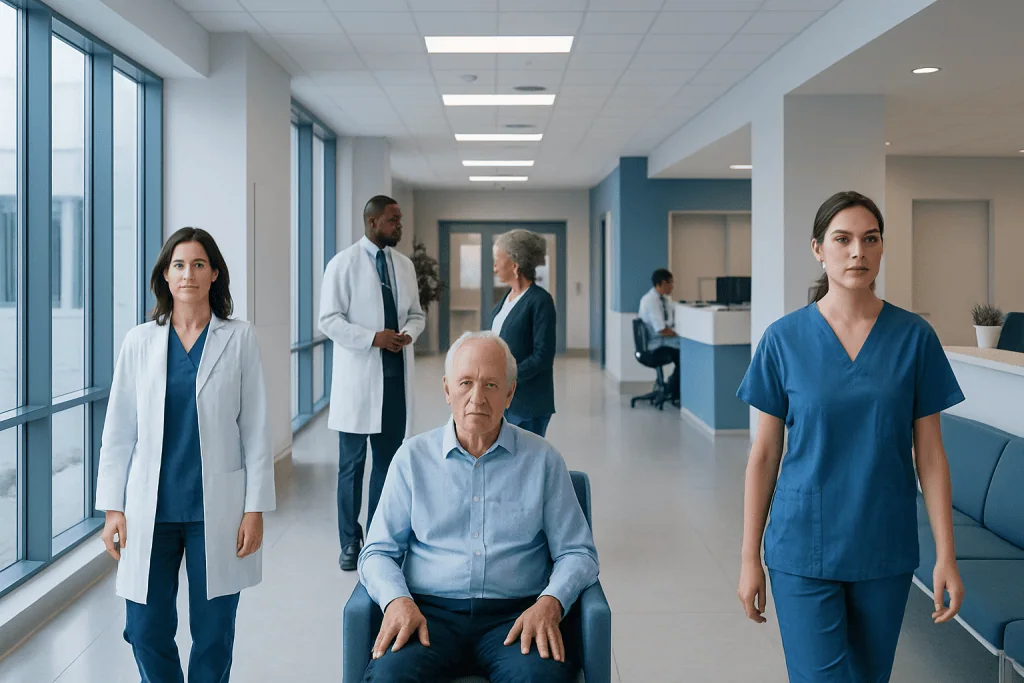
Stroke symptoms usually start suddenly, such as facial drooping, arm weakness, or speech difficulty. The FAST method can help people recognize common stroke warning signs quickly.
Key Takeaways
- Stroke symptoms usually start suddenly, such as facial drooping, arm weakness, or speech difficulty.
- The FAST method can help people recognize common stroke warning signs quickly.
- Even symptoms that go away may signal a transient ischemic attack and still need urgent medical attention.
- A stroke can also cause sudden vision changes, severe imbalance, numbness, or confusion.
- Calling emergency services immediately is safer than trying to drive to the hospital.
Stroke symptoms often begin suddenly and should always be treated as a medical emergency. Quick recognition and immediate emergency care can help protect brain function and improve recovery.
Overview
A stroke happens when blood flow to part of the brain is blocked or when a blood vessel in the brain bursts. Without enough oxygen and nutrients, brain cells can begin to die within minutes. This is why stroke symptoms should never be ignored, even if they seem mild or improve quickly.
Many people think a stroke always causes dramatic collapse, but symptoms can be subtle. A person may suddenly have trouble speaking, notice weakness in one arm, or seem confused. Learning the common warning signs can help family members, friends, coworkers, and caregivers act without delay.
There are two main types of stroke: ischemic stroke, caused by a blocked blood vessel, and hemorrhagic stroke, caused by bleeding in or around the brain. A transient ischemic attack, often called a mini stroke, causes temporary stroke-like symptoms and is also an emergency because it may be a warning of a future stroke. People who want to understand the condition itself in more detail may also read about stroke.
Signs and Symptoms of a Stroke
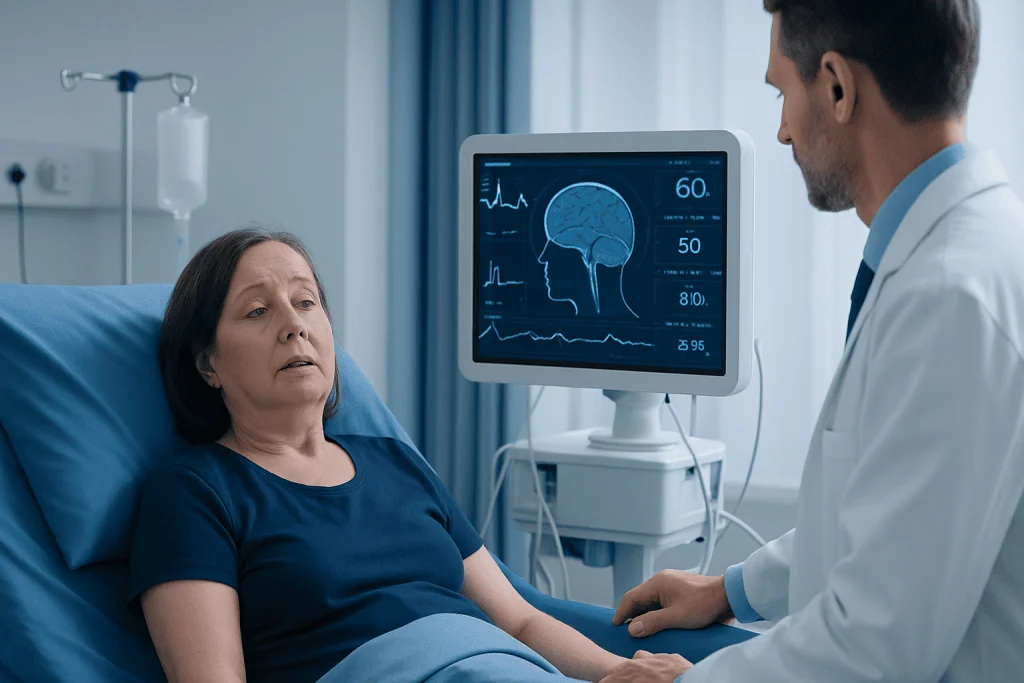
Stroke symptoms usually begin suddenly. The most widely used memory tool is FAST: Face drooping, Arm weakness, Speech difficulty, and Time to call emergency services. If one side of the face droops, one arm drifts downward, or speech becomes slurred or hard to understand, emergency care is needed right away.
Not all strokes look the same. Some people develop numbness or weakness on one side of the body, while others have sudden confusion, trouble understanding words, or a severe loss of coordination. Vision can also be affected, causing blurred vision, double vision, or sudden loss of sight in one or both eyes.
Other possible symptoms include a sudden severe headache, especially if it is unlike any previous headache, as well as dizziness, difficulty walking, or loss of balance. In some cases, the person may appear unusually sleepy, disoriented, or unable to respond normally. These symptoms are especially important when they begin abruptly.
- Face drooping or uneven smile
- Weakness or numbness in the arm, leg, or face, often on one side
- Slurred speech or trouble speaking or understanding speech
- Sudden vision loss, blurred vision, or double vision
- Sudden dizziness, poor coordination, or trouble walking
- Sudden severe headache with no clear cause
When to Call Emergency Services

Emergency services should be called immediately if stroke symptoms appear, even if they last only a few minutes. It is better to be evaluated urgently and find out the cause than to wait and risk permanent brain injury. Fast medical treatment may open blocked blood vessels or control bleeding, depending on the type of stroke.
People should not wait to see whether the symptoms improve. A temporary episode may be a transient ischemic attack, which is a major warning sign that a full stroke could follow soon. If the exact time symptoms started is known, it is helpful to tell emergency responders because treatment decisions often depend on timing.
Calling emergency services is usually safer than driving to the hospital. Paramedics can begin assessment on the way, communicate with the hospital team, and help the person reach the right facility quickly. If symptoms suggest a stroke, every minute matters.
Causes and Risk Factors
A stroke may happen when a blood clot blocks an artery supplying the brain or when a weakened blood vessel ruptures. Risk factors include high blood pressure, diabetes, high cholesterol, smoking, obesity, heart rhythm problems such as atrial fibrillation, and a history of heart or blood vessel disease. Some causes are long-term and preventable, while others are sudden and unpredictable.
Age increases stroke risk, but strokes can occur in younger adults as well. Family history, previous stroke or transient ischemic attack, and some inherited conditions can also play a role. Pregnancy-related complications, certain clotting disorders, and illicit drug use may raise risk in some people.
Lifestyle factors are important because they are often changeable. Regular physical activity, a balanced diet, controlling blood pressure, and avoiding tobacco can reduce risk over time. People living with risk factors may also wish to learn about transient ischemic attack because it can be an early warning event.
How Stroke Is Diagnosed
Doctors diagnose a stroke by combining the person’s symptoms, a physical and neurological examination, and urgent imaging tests. Brain imaging helps show whether the stroke is caused by a blocked artery or bleeding. This distinction is essential because treatment differs depending on the type.
Common tests may include a CT scan or MRI of the brain, blood tests, heart rhythm monitoring, and imaging of the blood vessels in the neck and brain. Doctors may also assess swallowing, speech, movement, and mental status. In some cases, an echocardiogram is used to look for a source of blood clots in the heart.
Because treatment works best when started quickly, evaluation often begins as soon as the patient reaches the emergency department. Specialized centers may use advanced imaging and rapid assessment pathways to guide decisions. For patients who need more detailed evaluation of brain blood vessels, doctors may use interventional neuroradiology as part of diagnosis and urgent care planning.
Treatment Options and Why Speed Matters
Stroke treatment depends on the type of stroke and how soon the person arrives for care. In ischemic stroke, doctors may consider clot-dissolving medicine or a procedure to remove the clot from a blocked artery. In hemorrhagic stroke, treatment focuses on controlling bleeding, lowering pressure in the brain when needed, and addressing the source of the bleed.
Some patients may need care in a stroke unit, intensive monitoring, or surgery. Others may need rehabilitation soon after the emergency phase to help regain movement, speech, swallowing, or daily function. Treatment is highly individualized and guided by imaging, overall health, and the specific area of the brain involved.
In selected cases, specialists may perform mechanical thrombectomy to remove a large clot and restore blood flow. After emergency treatment, some patients benefit from stroke rehabilitation to support recovery. Near the end of the care pathway, Acibadem International’s multidisciplinary specialists and JCI-accredited hospitals diagnose and treat stroke for international patients when advanced evaluation and coordinated care are needed.
Prevention and Self-Care
Stroke prevention focuses on controlling risk factors and following a care plan consistently. High blood pressure is one of the most important modifiable risks, so regular checkups and treatment adherence matter. Managing diabetes, cholesterol, and heart conditions can also lower the chance of stroke.
Healthy habits support brain and vascular health. These include not smoking, limiting alcohol, staying physically active, maintaining a healthy weight, and eating a balanced diet rich in vegetables, fruits, whole grains, and healthy fats. Good sleep and stress management may also support overall cardiovascular health.
People who have already had a stroke or transient ischemic attack should attend follow-up visits and take prescribed medicines exactly as directed. They should also ask their doctor how to recognize new symptoms and what to do in an emergency. Keeping a list of medications and important medical history can be useful if urgent care is ever needed again.
When to See a Doctor
Any sudden possible stroke symptom should be treated as an emergency, not a routine doctor visit. A person should call emergency services immediately for sudden weakness, numbness, speech trouble, vision changes, severe dizziness, loss of balance, or a sudden severe headache. Waiting for an office appointment can cause dangerous delays.
People should also arrange medical review if they have risk factors such as high blood pressure, atrial fibrillation, diabetes, or a previous transient ischemic attack. Preventive care can help reduce future risk, even when a person feels well. This is especially important after any episode of temporary neurological symptoms.
Family members and caregivers should trust their instincts if someone seems suddenly different, confused, or unable to speak normally. Quick action is more important than trying to be certain. If stroke is suspected, emergency assessment is always the safest next step.
Frequently asked questions
What are the first signs of a stroke?
The first signs of a stroke are often sudden facial drooping, weakness or numbness on one side, and trouble speaking. Some people also develop sudden vision changes, dizziness, or confusion. Any sudden neurological symptom should be treated as an emergency.
Can stroke symptoms go away on their own?
Sometimes symptoms improve or disappear within minutes or hours, but this does not mean the event is harmless. It may be a transient ischemic attack, which can warn of a future stroke. Emergency medical evaluation is still needed right away.
Should someone drive to the hospital during a possible stroke?
Calling emergency services is usually the best choice. Paramedics can assess the person, begin early support, and alert the hospital before arrival. This can save time and help the person reach the right team faster.
Does a stroke always cause severe headache?
No. A severe sudden headache can happen, especially with bleeding in the brain, but many strokes do not cause headache at all. Weakness, numbness, speech problems, and vision changes are also common warning signs.
What is FAST in stroke recognition?
FAST stands for Face drooping, Arm weakness, Speech difficulty, and Time to call emergency services. It is a simple way to remember the most common stroke warning signs. If any one of these signs appears suddenly, urgent help is needed.
Who is at higher risk for stroke?
People with high blood pressure, diabetes, high cholesterol, smoking history, obesity, or heart rhythm problems such as atrial fibrillation have a higher risk. Risk also increases with age and after a previous stroke or transient ischemic attack. Even so, stroke can happen in younger adults too.
References
- World Health Organization
- American Stroke Association
- National Institute of Neurological Disorders and Stroke
- Centers for Disease Control and Prevention
- National Health Service
This article is for general information only and is not a substitute for professional medical advice. Please consult a qualified doctor about your individual situation.
Explore treatments in Turkey — costs, top hospitals & a free quote
JCI-accredited · board-certified surgeons · reply within 24h
Add us as a Preferred Source to see more of our trusted health content across Google Search, AI Overviews and Discover.
Check your numbers in seconds
BMI, calories, due date, blood pressure and 30+ more clinical calculators — free, instant, doctor-reviewed ranges.

More from the Health Library



Related Specialists

Dt. Alara Naz Kenir Çelik
Oral & Dental Health
Prof. Dr. Ayşe Öner
Ophthalmology
Prof. Dr. Faruk Buyru
Gynecology & Obstetrics
Prof. Dr. Serkan Erkanlı
Gynecology & Obstetrics