Signs of Colon Cancer in Women: Early Symptoms

Colon cancer symptoms in women are often similar to those in men, but some signs may be mistaken for menstrual, hormonal, or digestive issues. Early symptoms can include persistent changes in bowel habits, blood in the stool, abdominal pain, bloating, fatigue, and unexplained weight loss.
Key Takeaways
- Colon cancer symptoms in women are often similar to those in men, but some signs may be mistaken for menstrual, hormonal, or digestive issues.
- Early symptoms can include persistent changes in bowel habits, blood in the stool, abdominal pain, bloating, fatigue, and unexplained weight loss.
- Many colon cancer symptoms have non-cancer causes, but symptoms that persist or worsen should be checked by a doctor.
- Screening can find colon cancer early and can also detect precancerous polyps before they turn into cancer.
- Diagnosis commonly involves a medical history, physical exam, stool tests, blood tests, and colonoscopy.
Signs of colon cancer in women may include changes in bowel habits, blood in the stool, abdominal discomfort, unexplained weight loss, and ongoing fatigue. Because these symptoms can also happen with common non-cancerous conditions, proper medical evaluation is important.
Overview
Colon cancer begins in the large intestine, usually developing from small growths called polyps over many years. It is part of the broader group of colorectal cancers, which include cancers of the colon and rectum. When found early, treatment is often more effective, which is why understanding symptoms and screening matters.
The signs of colon cancer in women are generally similar to those in men. However, women may be more likely to attribute certain symptoms to common issues such as menstruation, iron deficiency, irritable bowel syndrome, hemorrhoids, stress, or changes related to diet and hormones. This can sometimes delay medical evaluation.
It is also important to remember that many warning signs are not caused by cancer. Bloating, constipation, fatigue, and abdominal discomfort are common and often have harmless explanations. The key concern is when symptoms are new, persistent, worsening, or happening together.
This article explains the early symptoms of colon cancer in women, possible causes and risk factors, how doctors make a diagnosis, and when to seek medical advice. It is intended to support informed conversations with a qualified healthcare professional, not replace personal medical care.
Common Early Symptoms in Women
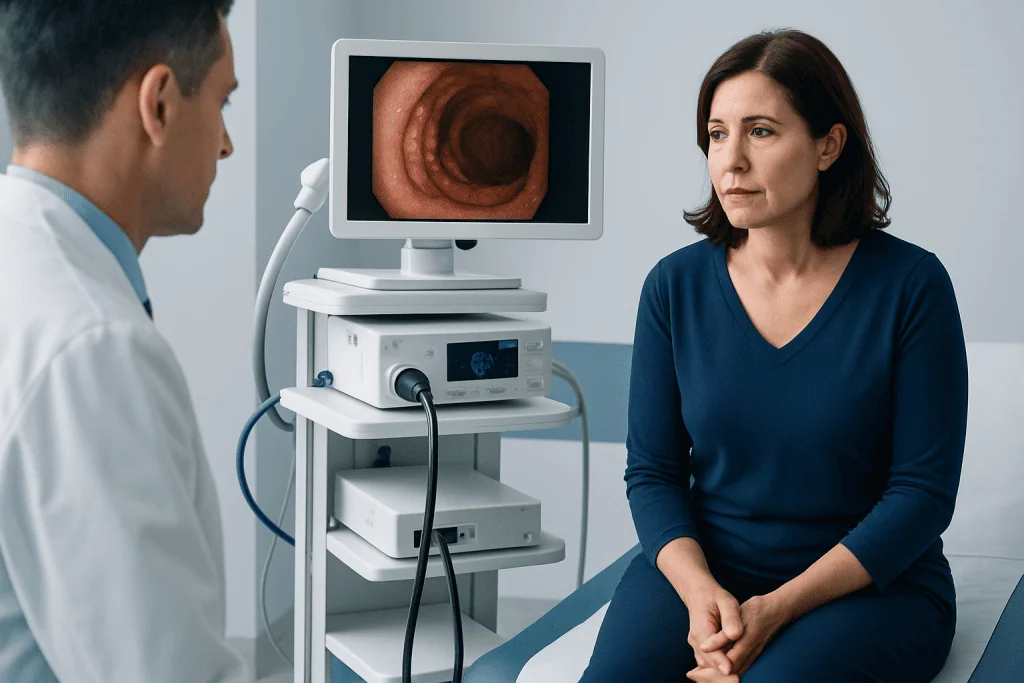
Early colon cancer may cause no symptoms at all, which is one reason screening is so valuable. When symptoms do appear, one of the most common patterns is a lasting change in bowel habits. This may include diarrhea, constipation, narrower stools, or a feeling that the bowel does not empty completely.
Blood in the stool is another important warning sign. It may appear as bright red blood, dark maroon blood, or black, tar-like stool depending on where bleeding occurs. Sometimes blood loss is so small that it is not visible, but over time it can lead to anemia and tiredness.
Women may also notice abdominal symptoms such as cramping, gas, bloating, or ongoing discomfort that does not seem to improve. These symptoms can overlap with menstrual changes, endometriosis, food intolerance, or other digestive conditions, so persistence is an important clue.
Other possible symptoms include:
- Unexplained fatigue or weakness
- Unintended weight loss
- A feeling of fullness
- Nausea in some cases
- A new urge to have a bowel movement without relief afterward
- Pale skin or shortness of breath related to anemia
Symptoms can vary based on where the tumor is located. Cancers on the right side of the colon are more likely to cause hidden bleeding and anemia, while cancers on the left side may be more likely to cause visible blood, constipation, or a blockage-type feeling.
Why Symptoms May Be Missed or Misread
Some signs of colon cancer in women can be subtle or easy to explain away. Fatigue may be blamed on a busy schedule, stress, poor sleep, or low iron related to heavy menstrual periods. Bloating or abdominal discomfort may be mistaken for hormonal changes, indigestion, or irritable bowel syndrome.
Visible rectal bleeding may also be attributed to hemorrhoids, especially if it happens with constipation. While hemorrhoids are common and often harmless, ongoing bleeding should not automatically be assumed to come from them without medical assessment.
In younger women, there can be an assumption that colon cancer is unlikely. Although risk increases with age, colon cancer can occur in younger adults too. For this reason, persistent symptoms deserve attention even in people who do not fit the traditional high-risk profile.
Paying attention to duration and pattern can help. Symptoms that last more than a few weeks, return repeatedly, become more intense, or occur together, such as bowel habit changes plus fatigue or bleeding, are stronger reasons to seek medical advice.
Causes and Risk Factors
Colon cancer develops when cells in the lining of the colon begin to grow abnormally. This process often starts in a polyp, though not all polyps become cancerous. Over time, genetic changes can allow these cells to multiply, invade nearby tissue, and eventually spread if untreated.
Several factors can increase risk. Age is one of the most important, but family history also matters. A person may have a higher risk if a close relative has had colon cancer or certain types of polyps, or if there is an inherited condition such as Lynch syndrome or familial adenomatous polyposis.
Medical conditions and lifestyle factors can also play a role. These may include inflammatory bowel disease such as ulcerative colitis or Crohn’s disease, obesity, low physical activity, smoking, heavy alcohol use, and diets high in processed meats and low in fiber. Some people with long-standing digestive conditions may already be monitored for related concerns such as colon cancer.
Having one or more risk factors does not mean someone will develop cancer, and some people with colon cancer have no obvious risk factors at all. That is why symptom awareness and age-appropriate screening are both important parts of prevention and early detection.
How Doctors Diagnose Colon Cancer
Diagnosis starts with a careful medical history and physical examination. A doctor will ask about bowel changes, bleeding, pain, weight loss, fatigue, family history, medications, and any prior digestive problems. They may also check for signs of anemia or abdominal tenderness.
Blood tests can help identify anemia or other abnormalities, but they cannot confirm colon cancer on their own. Stool-based tests may detect hidden blood or certain DNA changes associated with colorectal cancer. These tests can be useful for screening, but abnormal results usually need follow-up with a colonoscopy.
Colonoscopy is the main test used to examine the inside of the colon. During this procedure, the doctor can look for polyps, inflammation, or suspicious growths and take tissue samples if needed. If a suspicious area is found, a biopsy is used to confirm whether cancer is present. This is often part of the diagnostic process for colonoscopy evaluation.
If cancer is diagnosed, imaging tests may be used to determine the stage, or how far it has spread. These tests help guide treatment planning. In some cases, specialists may also assess whether the disease is related to colorectal cancer syndromes or other inherited risk factors.
Treatment Options
Treatment depends on the stage of the cancer, its location, the patient’s overall health, and personal preferences. The main treatment for localized colon cancer is usually surgery to remove the tumor and nearby lymph nodes. In some cases, early-stage cancers found during colonoscopy can be removed without major surgery.
When surgery is needed, the goal is to remove the cancer completely while preserving bowel function as much as possible. Some patients may benefit from colon cancer surgery as the primary treatment. Recovery plans vary, and the healthcare team will discuss what to expect before and after the procedure.
Chemotherapy may be recommended after surgery for some stages of colon cancer or when the disease has spread. Certain patients may also be evaluated for targeted therapies depending on the tumor’s molecular features. A specialist oncology team can explain the potential benefits and side effects of chemotherapy and other systemic treatments.
Care is often planned by a multidisciplinary team that may include gastroenterologists, surgeons, oncologists, radiologists, pathologists, dietitians, and specialist nurses. Near the end of the care pathway, some international patients may choose centers such as Acibadem International, where multidisciplinary specialists in JCI-accredited hospitals diagnose and treat colon cancer using individualized plans.
Prevention, Screening, and Self-care
There is no guaranteed way to prevent colon cancer, but risk can often be lowered. Helpful habits include regular physical activity, maintaining a healthy weight, not smoking, limiting alcohol, and eating a balanced diet rich in vegetables, fruits, whole grains, and fiber. Reducing processed meat intake may also support bowel health.
Screening is one of the most effective tools because it can detect cancer early and even prevent it by finding and removing precancerous polyps. Depending on age, family history, and personal risk, screening may involve stool-based tests, colonoscopy, or other doctor-recommended methods. People with increased risk may need to start screening earlier or have it more often.
Self-care also means paying attention to changes in the body. Keeping track of symptoms such as stool color, bowel pattern, abdominal pain, and energy level can help when speaking with a doctor. Sudden weight loss, repeated visible bleeding, or symptoms that continue despite simple measures should not be ignored.
Women who already have digestive conditions should continue regular follow-up, especially if symptoms change from their usual pattern. Not every digestive complaint is serious, but not every complaint should be dismissed either. A timely check can provide reassurance or help identify a problem while it is still easier to treat.
When to See a Doctor
A doctor should be consulted if bowel habit changes last more than a few weeks, if there is blood in the stool, or if abdominal pain, bloating, or cramps become persistent. Ongoing fatigue, unexplained weight loss, or symptoms of anemia such as weakness or breathlessness also deserve medical attention.
Urgent evaluation is especially important if there is heavy rectal bleeding, black stools, severe abdominal swelling, vomiting, or inability to pass stool or gas, as these may suggest significant bleeding or bowel obstruction. These situations need prompt medical care.
Even when symptoms seem minor, it is reasonable to ask for assessment if they are new, unusual, or recurring. This is particularly true for women with a family history of colon cancer, inflammatory bowel disease, prior polyps, or known inherited cancer syndromes.
Seeking care does not mean cancer is likely. In many cases, symptoms turn out to be caused by benign conditions. Still, getting a proper diagnosis is the safest way to find the cause and start the right treatment if needed.
Frequently asked questions
What are the first signs of colon cancer in women?
The first signs can include a lasting change in bowel habits, blood in the stool, abdominal discomfort, fatigue, or unexplained weight loss. Some women have very subtle symptoms, and some have no symptoms at all in the early stages.
Can colon cancer symptoms be confused with menstrual or hormonal issues?
Yes. Bloating, cramping, fatigue, and changes in bowel habits can overlap with menstrual symptoms, hormonal changes, or common digestive complaints. If symptoms are persistent, unusual, or worsening, they should be evaluated by a doctor.
Is blood in the stool always a sign of colon cancer?
No. Blood in the stool can also happen with hemorrhoids, anal fissures, infections, inflammatory bowel disease, or other conditions. However, any ongoing or unexplained rectal bleeding should be assessed rather than assumed to be harmless.
At what age should women start colon cancer screening?
Screening recommendations depend on national guidelines and personal risk factors, but many average-risk adults are advised to begin screening in midlife. Women with a family history or other risk factors may need to start earlier, so a doctor can recommend the most appropriate timing.
Does colon cancer always cause pain?
No. Early colon cancer may not cause pain at all. When pain occurs, it may feel like cramping, pressure, bloating, or ongoing abdominal discomfort, but these symptoms are not specific to cancer.
Can younger women get colon cancer?
Yes, although the risk generally increases with age, younger adults can also develop colon cancer. Persistent warning signs should not be ignored just because someone is younger.
References
- World Health Organization
- American Cancer Society
- National Cancer Institute
- Centers for Disease Control and Prevention
- National Comprehensive Cancer Network
This article is for general information only and is not a substitute for professional medical advice. Please consult a qualified doctor about your individual situation.
Colon Cancer in Turkey — costs, top hospitals & a free quote
JCI-accredited · board-certified surgeons · reply within 24h
Add us as a Preferred Source to see more of our trusted health content across Google Search, AI Overviews and Discover.

Medical Oncology Department
Medical treatment of cancer with chemotherapy, immunotherapy and targeted therapies under a multidisciplinary tumor board.
60 specialists in this unit