Signs of Colon Cancer: What to Watch For

Common signs of colon cancer include blood in the stool, ongoing changes in bowel habits, abdominal discomfort, fatigue, and unexplained weight loss. Early colon cancer may cause no symptoms, which is why routine screening is important.
Key Takeaways
- Common signs of colon cancer include blood in the stool, ongoing changes in bowel habits, abdominal discomfort, fatigue, and unexplained weight loss.
- Early colon cancer may cause no symptoms, which is why routine screening is important.
- Many colon cancer symptoms can also happen with non-cancerous conditions such as hemorrhoids, infections, or irritable bowel problems.
- A doctor may recommend stool tests, blood tests, imaging, and colonoscopy to find the cause of symptoms.
- Treatment depends on the stage of the cancer and may involve surgery, chemotherapy, targeted therapies, or other specialist care.
Signs of colon cancer may be subtle at first and can overlap with common digestive problems. Knowing which symptoms deserve medical attention can help support earlier diagnosis and treatment.
Overview
Colon cancer begins in the large intestine, usually from small growths called polyps that can change over time. It is one of the more common cancers worldwide, and it often develops slowly. Because of this gradual course, there may be a window to detect and treat it early.
One of the challenges is that the signs of colon cancer are not always obvious. Some people have no symptoms at all in the early stages, while others notice changes that seem minor at first, such as altered bowel habits or tiredness. These symptoms do not automatically mean cancer, but they should not be ignored if they persist.
It is also helpful to know that “colon cancer” is sometimes discussed together with rectal cancer under the broader term colorectal cancer. The exact location can affect symptoms and treatment planning, but many warning signs overlap. A medical evaluation can clarify the cause and guide the next steps.
Symptoms to Watch For

The signs of colon cancer can vary from person to person. A common warning sign is a lasting change in bowel habits. This may include diarrhea, constipation, narrower stools, or a feeling that the bowel does not empty fully. A symptom that continues for more than a few weeks deserves medical attention.
Blood in the stool is another important sign. It may appear bright red, dark red, or make the stool look black and tarry depending on where bleeding is happening. Sometimes bleeding is so small that it is not visible, but over time it can lead to iron deficiency anemia and fatigue.
Other possible symptoms include abdominal pain, cramping, bloating, increased gas, nausea, weakness, and unexplained weight loss. Some people also notice reduced appetite or feel unusually tired during normal daily activities. These symptoms can have many causes, but they should be assessed if they are new, persistent, or getting worse.
- Persistent diarrhea or constipation
- A change in stool shape or caliber
- Blood in or on the stool
- Abdominal discomfort or cramping
- Unexplained tiredness or anemia
- Unintended weight loss
Causes and Risk Factors
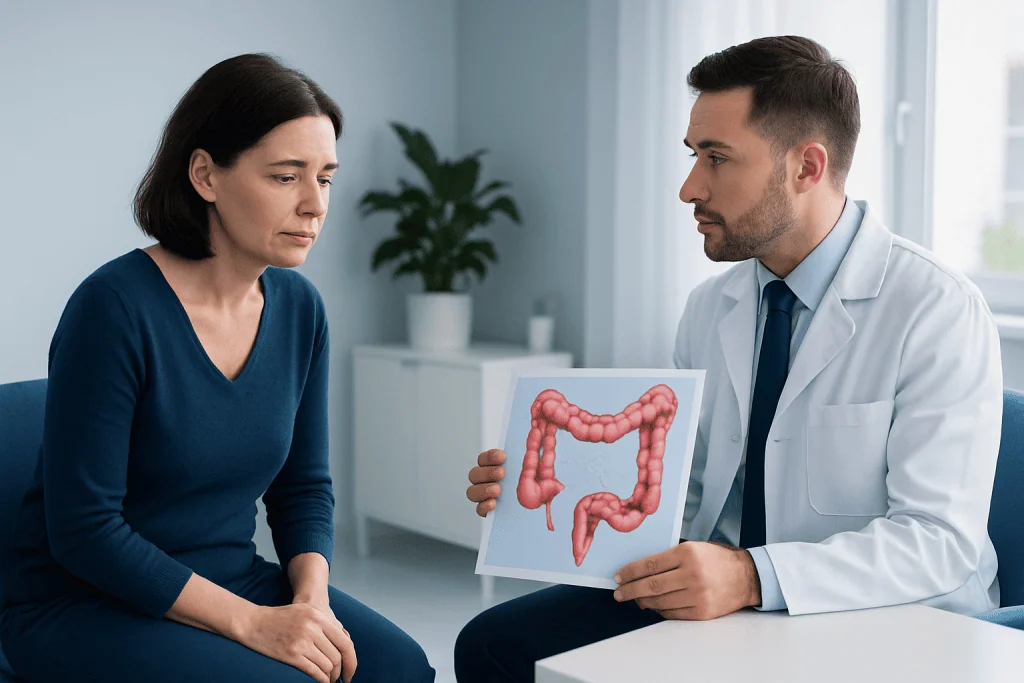
Colon cancer develops when cells in the lining of the colon begin to grow in an uncontrolled way. In many cases, it starts from polyps, which are growths on the inner wall of the colon. Not all polyps become cancerous, but some types can progress over time if they are not found and removed.
Age is an important risk factor, and the risk generally rises as people get older. Family history also matters. A person may have a higher risk if a close relative has had colon cancer or certain types of colon polyps. Some inherited conditions can greatly increase risk as well.
Additional factors that may raise risk include inflammatory bowel diseases such as ulcerative colitis and Crohn’s disease, obesity, low physical activity, smoking, heavy alcohol use, and diets high in processed or red meat. Having one or more risk factors does not mean a person will develop cancer, but it does support the need for regular screening and attention to symptoms.
How Colon Cancer Is Diagnosed
Diagnosis usually begins with a medical history and physical examination. A doctor will ask about symptoms, how long they have been present, family history, and any other health conditions. Blood tests may be used to look for anemia or signs of blood loss, but they cannot diagnose colon cancer on their own.
If symptoms suggest bleeding or a bowel problem, stool-based tests may be recommended. These tests can detect hidden blood or certain abnormal DNA changes in stool. However, if a test is positive or symptoms are concerning, further investigation is needed to find the exact cause.
The main test used to examine the colon is a colonoscopy. This allows a doctor to look directly at the lining of the colon, remove polyps, and take tissue samples for biopsy. Imaging studies such as CT scans may be used to assess the extent of disease if cancer is found. In some cases, specialist pathology and biopsy results are essential to confirm the diagnosis and plan treatment.
Treatment Options
Treatment for colon cancer depends on several factors, including the stage of the cancer, its location, the person’s overall health, and pathology findings. Surgery is often the main treatment for localized colon cancer. The goal is to remove the cancer and nearby lymph nodes while preserving as much healthy bowel as possible.
Some people may also need chemotherapy, especially if the cancer has spread beyond the bowel wall or to lymph nodes. In selected cases, targeted therapies or immunotherapy may be considered, depending on the tumor’s molecular features. A multidisciplinary team helps decide which treatment approach is most appropriate.
Follow-up care is an important part of treatment. This may include repeat colonoscopy, blood tests, imaging, and regular clinic visits to monitor recovery or check for recurrence. Near the end of the care pathway, some international patients choose centers such as Acibadem International, where multidisciplinary specialists in JCI-accredited hospitals evaluate and treat colon cancer using individualized plans.
Prevention and Self-Care
Not every case of colon cancer can be prevented, but healthy habits can help lower risk. Regular physical activity, maintaining a healthy weight, limiting alcohol, and avoiding tobacco all support colon and overall health. Eating a balanced diet with vegetables, fruits, whole grains, and fiber may also be beneficial.
Screening is one of the most effective ways to reduce the impact of colon cancer because it can detect precancerous polyps or cancer before symptoms appear. The right screening method and starting age depend on personal risk factors, family history, and local guidelines. People with higher risk may need earlier or more frequent testing.
Self-care also means paying attention to the body and not dismissing ongoing symptoms. Blood in the stool, persistent bowel changes, or unexplained fatigue should be discussed with a doctor rather than treated repeatedly at home without evaluation. Early assessment can provide reassurance when symptoms are due to a non-cancerous cause and can speed treatment when needed.
When to See a Doctor
A doctor should be consulted if there is blood in the stool, ongoing abdominal pain, a lasting change in bowel habits, or unexplained weight loss. Symptoms that continue for more than a few weeks or keep returning should not be ignored. This is especially important for people over screening age or those with a family history of bowel cancer or polyps.
Medical attention is also important if there are signs of anemia, such as unusual tiredness, shortness of breath with activity, dizziness, or pale skin. These symptoms can happen for many reasons, but hidden bleeding from the digestive tract is one possible cause. Prompt evaluation helps identify the problem and start appropriate care.
Many people feel hesitant to discuss bowel symptoms, but these concerns are common and doctors assess them regularly. Seeking advice does not mean expecting the worst. It is a practical step toward understanding the cause, whether it is hemorrhoids, inflammation, infection, colon polyps, or cancer.
Frequently asked questions
What are the earliest signs of colon cancer?
Early colon cancer may cause no symptoms at all, which is why screening is so important. When symptoms do happen, they may include subtle changes in bowel habits, blood in the stool, abdominal discomfort, or unexplained tiredness.
Does blood in the stool always mean colon cancer?
No, blood in the stool can happen for many reasons, including hemorrhoids, anal fissures, infections, or inflammatory bowel disease. Still, it should always be assessed by a doctor, especially if it keeps happening or is accompanied by other symptoms.
Can colon cancer cause constipation?
Yes, colon cancer can sometimes cause constipation or a feeling that the bowel does not empty completely. However, constipation is very common and often has non-cancerous causes, so the key concern is when it is new, persistent, or associated with bleeding, pain, or weight loss.
How is colon cancer confirmed?
Colon cancer is usually confirmed with colonoscopy and biopsy. The colonoscopy allows the doctor to see the inside of the colon and take tissue samples, and the biopsy is examined in the laboratory to determine whether cancer is present.
At what age should someone be screened for colon cancer?
The recommended age for screening depends on personal risk and local guidelines. Many adults at average risk begin screening in midlife, while people with family history, inherited syndromes, or inflammatory bowel disease may need earlier screening.
Can colon cancer be treated successfully?
Treatment outcomes are often better when colon cancer is found early. Surgery, chemotherapy, and other therapies can be effective depending on the stage and features of the cancer, so timely diagnosis and specialist care are important.
References
- World Health Organization
- American Cancer Society
- National Cancer Institute
- Centers for Disease Control and Prevention
- National Health Service
This article is for general information only and is not a substitute for professional medical advice. Please consult a qualified doctor about your individual situation.
Colon Cancer in Turkey — costs, top hospitals & a free quote
JCI-accredited · board-certified surgeons · reply within 24h
Add us as a Preferred Source to see more of our trusted health content across Google Search, AI Overviews and Discover.

Medical Oncology Department
Medical treatment of cancer with chemotherapy, immunotherapy and targeted therapies under a multidisciplinary tumor board.
60 specialists in this unitMore from the Health Library



Related Specialists

Assoc. Prof. Dr. Gökhan Karademir
Orthopedic Surgery & Traumatology
Assoc. Prof. Dr. Tunç Özdemir
Pediatric Surgery
Prof. Dr. Tansu Karaahmet
Cardiology
Prof. Dr. Tolga Ergin
Gynecology & Obstetrics