Silent Migraine: Aura Symptoms Without Headache Explained

Silent migraine is also called migraine aura without headache or acephalgic migraine. Symptoms can include flashing lights, zigzag patterns, blind spots, tingling, dizziness, or temporary language difficulty.
Key Takeaways
- Silent migraine is also called migraine aura without headache or acephalgic migraine.
- Symptoms can include flashing lights, zigzag patterns, blind spots, tingling, dizziness, or temporary language difficulty.
- Aura symptoms commonly develop gradually and usually resolve within an hour, but patterns vary between people.
- New, sudden, one-sided, persistent, or severe neurological symptoms need urgent medical assessment.
- Keeping a symptom diary and addressing individual triggers may help reduce episodes.
Silent migraine is a migraine episode in which aura symptoms occur without the typical headache phase. Although these symptoms are usually temporary, a first or unusual episode should be assessed promptly to rule out other causes, including stroke or eye conditions.
What Is a Silent Migraine?
A silent migraine is a migraine episode with aura but without the headache that many people associate with migraine. It may also be called migraine aura without headache or acephalgic migraine. The term “silent” refers to the absence of head pain, not to the absence of symptoms.
Migraine is a neurological condition that can affect vision, sensation, speech, balance, thinking, and energy levels. In a silent migraine, the aura phase is the most noticeable part of the episode. Some people have previously experienced migraine headaches and later begin to have aura without pain, while others may have aura without ever having had a typical migraine headache.
For many people, aura symptoms are reversible and settle completely. However, because similar symptoms can also occur with conditions that need urgent treatment, a new aura pattern should not be assumed to be migraine without a medical evaluation.
Silent Migraine Symptoms
Visual symptoms are the most common form of migraine aura. A person may see flashing lights, shimmering spots, zigzag lines, wavy patterns, sparkles, or a spreading area of missing vision. These changes often affect both eyes, even when they seem to be on one side of the visual field. They may gradually expand or move across vision over several minutes.
Other symptoms can affect the nervous system. They may include tingling or numbness that slowly travels from the hand toward the arm or face, dizziness, difficulty finding words, temporary confusion, sensitivity to light or sound, nausea, fatigue, or a feeling of being mentally slowed. Less commonly, migraine may involve weakness or more prominent balance symptoms, which require careful medical assessment.
Aura often lasts from several minutes to about an hour and typically develops progressively rather than appearing all at once. Some people feel tired, drained, or less focused afterward, sometimes called the postdrome phase, even though no headache occurs. The exact symptom combination can differ from one episode to the next.
- Positive visual effects: flashing, shimmering, flickering, or zigzag patterns
- Negative visual effects: blind spots, dim areas, or partial loss of vision
- Sensory changes: pins and needles or numbness
- Communication changes: trouble finding or understanding words
- General symptoms: nausea, light sensitivity, fatigue, or difficulty concentrating
Why Silent Migraine Happens and Who May Be Affected

The precise cause of migraine is complex and not fully understood. Migraine aura is thought to involve a temporary wave of altered electrical and chemical activity across the outer layer of the brain, followed by changes in brain signaling. It is not simply a problem with the eyes, even when visual symptoms are most prominent.
A person may have an inherited tendency toward migraine. Hormonal changes, irregular sleep, emotional stress, missed meals, dehydration, bright or flickering light, alcohol, certain foods, changes in caffeine intake, intense exercise, and long periods of screen use can contribute to attacks in some individuals. A trigger does not cause every episode, and a factor that affects one person may have no effect on another.
Silent migraine can occur at any age. It may become more noticeable during periods of hormonal change or as migraine patterns change over time. Since new visual or neurological symptoms later in adulthood may have causes other than migraine, clinicians are particularly careful when symptoms begin for the first time at an older age or differ from a person’s established migraine pattern.
How It Differs From Stroke, Eye Problems, and Other Conditions
Many features of migraine aura can overlap with symptoms of stroke, transient ischemic attack (TIA), seizure, or eye disease. Migraine aura often produces symptoms that build gradually, spread over time, and include “positive” experiences such as flashing lights or tingling. In contrast, stroke symptoms may begin suddenly and can cause loss of function, such as abrupt weakness, facial drooping, trouble speaking, or loss of vision.
These patterns are useful clues, but they cannot safely confirm the cause at home. A person should seek emergency care for sudden neurological symptoms, especially weakness on one side, facial asymmetry, new difficulty speaking or understanding language, severe imbalance, fainting, a sudden major loss of vision, or the worst headache of their life. It is safer to treat a possible stroke as urgent, even if symptoms improve.
Visual symptoms in only one eye, particularly a curtain-like shadow, abrupt vision loss, or persistent changes, may indicate an eye or blood-vessel problem rather than a typical visual aura. A prompt assessment by a doctor or eye specialist is important. People with a history of stroke or vascular risk factors should discuss any new neurological episode with a clinician without delay.
Diagnosis of Migraine Aura Without Headache
There is no single blood test or scan that confirms silent migraine. Diagnosis is usually based on a detailed history of symptoms, including how they started, how long they lasted, whether they gradually spread, and whether they fully resolved. A clinician will also ask about past migraine episodes, medications, family history, medical conditions, and possible triggers.
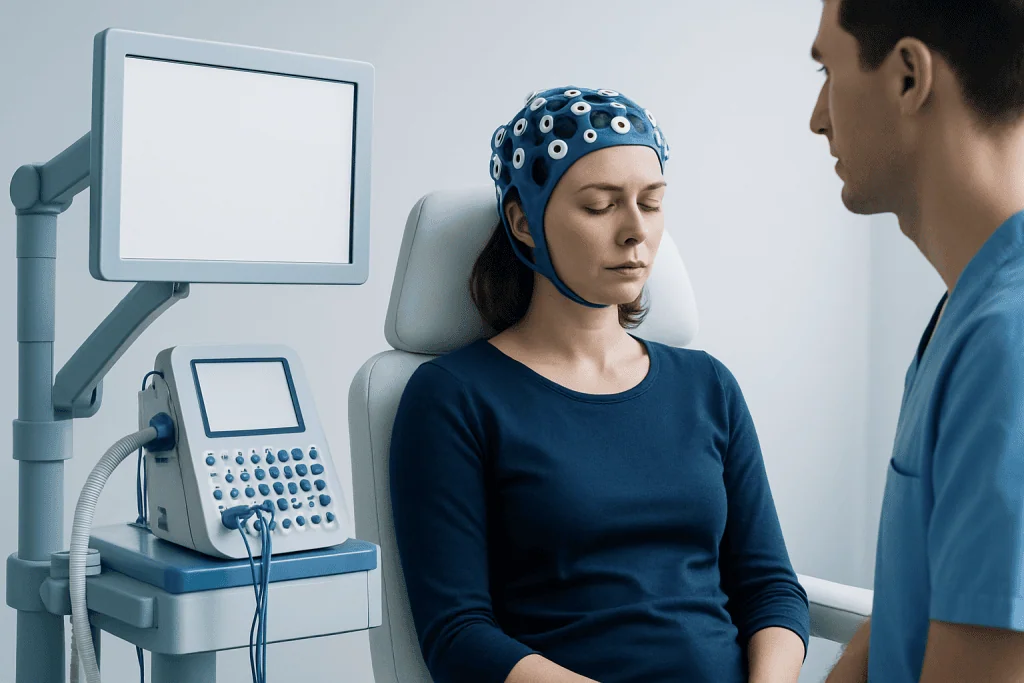
A neurological examination is often part of the assessment. Depending on the symptoms and a person’s age or health history, tests may be recommended to exclude other causes. These can include an eye examination, blood tests, brain imaging, or studies of blood vessels. Testing is especially likely when symptoms are new, atypical, prolonged, associated with weakness, or accompanied by abnormal examination findings.
A symptom diary can be very helpful. Recording the date, duration, visual pattern, other symptoms, sleep, meals, stress, menstrual timing when relevant, caffeine, and medications may help a doctor recognize a migraine pattern and identify practical prevention strategies.
Treatment and Prevention Options
Many silent migraine episodes resolve on their own and do not require medication. During an episode, it may help to stop activities that require clear vision or rapid reactions, such as driving, use a calm dim environment, hydrate, and rest. Because symptoms can affect vision and concentration, safety should come first until the episode has completely passed.
For recurrent or disruptive episodes, a clinician may discuss a personalized migraine plan. This may include treatment for associated symptoms, management of coexisting migraine headaches if present, and preventive medication when attacks are frequent or significantly affect daily life. The best approach depends on the symptom pattern, medical history, pregnancy status when relevant, and other medicines being used.
Lifestyle approaches can also reduce vulnerability to migraine episodes. Regular meals, sufficient fluid intake, consistent sleep and wake times, gradual changes in caffeine use, routine physical activity, and stress-management techniques can be useful. Avoiding every possible trigger is not necessary or always realistic; identifying personal patterns is usually more helpful.
Acibadem International’s multidisciplinary specialists and JCI-accredited hospitals assess migraine-related symptoms and related neurological concerns for international patients. Care plans should always follow an individual medical evaluation rather than a self-diagnosis.
When to See a Doctor
A non-urgent medical appointment is appropriate for a first suspected silent migraine episode, recurring aura, changing symptoms, or episodes that interfere with work, driving, reading, or daily activities. A clinician can help distinguish migraine from other causes and decide whether further testing or preventive treatment is needed.
Urgent emergency assessment is needed for symptoms that start suddenly, do not follow a familiar pattern, last longer than expected, or do not fully resolve. Emergency warning signs include new weakness or numbness on one side of the body, facial drooping, severe speech difficulty, confusion, collapse, seizure, abrupt loss of vision, severe chest pain, or a sudden severe headache.
People should not drive themselves to emergency care if their vision, speech, strength, or coordination is impaired. Calling local emergency services is the safest option when stroke-like symptoms are possible. Early assessment is important because time-sensitive treatment may be needed if the cause is not migraine.
Frequently asked questions
Can a migraine aura happen without a headache?
Yes. Migraine aura can occur without head pain and is often called silent migraine or migraine aura without headache. The episode may still cause visual, sensory, speech, or other temporary neurological symptoms.
How long does a silent migraine usually last?
Aura symptoms often develop over several minutes and commonly resolve within about an hour. Tiredness, difficulty concentrating, or sensitivity to light may linger afterward. Symptoms that persist, suddenly worsen, or are unlike prior episodes should be assessed urgently.
Are flashing lights always a sign of silent migraine?
No. Flashing lights can occur with migraine aura, but they may also arise from eye conditions or other neurological causes. New flashes, symptoms in one eye, a curtain-like shadow, or reduced vision warrant prompt medical evaluation.
Can silent migraine be confused with a stroke?
Yes, and it is important not to self-diagnose. Migraine aura often spreads gradually, whereas stroke symptoms commonly begin suddenly, but there can be overlap. Sudden weakness, facial drooping, speech difficulty, severe imbalance, or vision loss should be treated as an emergency.
What can trigger a silent migraine?
Possible triggers include disrupted sleep, stress, skipped meals, dehydration, bright light, hormonal changes, alcohol, and changes in caffeine use. Triggers vary widely, so a diary can help identify patterns that are relevant to the individual.
Does silent migraine need treatment?
A single brief, typical episode may not need specific treatment, but a first episode should be discussed with a clinician. Frequent, disruptive, or changing episodes may benefit from a tailored prevention and symptom-management plan.
References
- American Migraine Foundation
- American Academy of Neurology
- National Institute of Neurological Disorders and Stroke
- International Headache Society
- National Health Service
This article is for general information only and is not a substitute for professional medical advice. Please consult a qualified doctor about your individual situation.
Migraine in Turkey — costs, top hospitals & a free quote
JCI-accredited · board-certified surgeons · reply within 24h
Add us as a Preferred Source to see more of our trusted health content across Google Search, AI Overviews and Discover.