Sitz Bath Procedure: An Evidence-Based Patient Guide

A sitz bath usually uses plain, comfortably warm water for 10 to 15 minutes. It can support hygiene and comfort after certain procedures or during irritation around the anus or genital area.
Key Takeaways
- A sitz bath usually uses plain, comfortably warm water for 10 to 15 minutes.
- It can support hygiene and comfort after certain procedures or during irritation around the anus or genital area.
- Additives such as Epsom salt, soaps, oils, or antiseptics are not routinely needed and may irritate sensitive skin.
- Clean equipment, safe water temperature, and gentle drying help reduce avoidable irritation or infection risk.
- Severe pain, fever, worsening swelling, heavy bleeding, pus, or difficulty passing urine require medical advice.
A sitz bath procedure involves sitting in a shallow basin of comfortably warm water to cleanse the perineal area and ease discomfort. It may be recommended after anorectal surgery, for hemorrhoid or fissure symptoms, or after childbirth, alongside—not instead of—medical assessment and treatment.
Overview: how a sitz bath procedure works
A sitz bath procedure is a shallow warm-water bath for the buttocks, perineum, and external genital area. A person may sit in a clean bathtub with a small amount of water or use a purpose-made basin that fits over a toilet. The goal is to gently rinse the area, relax nearby muscles, and provide short-term comfort.
Clinicians commonly suggest sitz baths after some anorectal procedures, after vaginal delivery with perineal soreness, or when conditions such as hemorrhoids or anal fissures cause local discomfort. Warm water may temporarily reduce muscle spasm and make cleaning after a bowel movement more comfortable. A sitz bath is supportive care; it does not remove the underlying cause of persistent pain, bleeding, or a lump.
The evidence for sitz baths is modest and varies by situation. Research and clinical guidance generally support their use as a low-risk comfort and hygiene measure when performed correctly, but they may not speed healing for every condition. Individual postoperative instructions from the treating team should always take priority over general sitz bath patient education.
Who may benefit and when to check first
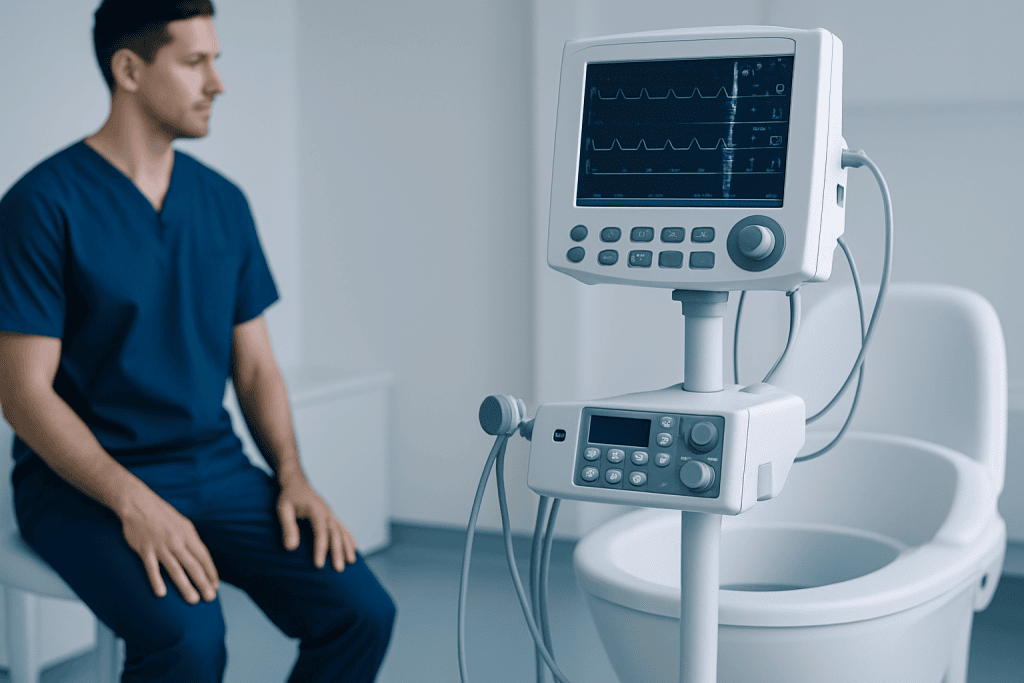
A clinician may recommend a sitz bath for discomfort related to hemorrhoids, minor anal tears, perineal stitches after childbirth, or recovery after selected anal or rectal procedures. It can also help a person keep the area clean when wiping is painful. For concerns related to hemorrhoids, a clinician may also discuss hemorrhoid symptoms and treatment options if symptoms do not settle.
Not everyone should begin soaking without advice. People with a fresh surgical wound, drainage tube, skin graft, severe immune suppression, poorly controlled diabetes, extensive skin breakdown, or a known infection should ask their surgeon or doctor whether and when soaking is appropriate. Some postoperative plans recommend showers or rinsing instead, particularly during the earliest healing period.
A sitz bath should not be used to delay evaluation of unexplained rectal bleeding, new severe anal pain, discharge, or a growing mass. These symptoms can have several causes and deserve an appropriate examination, especially when they are new, recurrent, or worsening.
What are the patient instructions for taking a sitz bath?

Start by following the instructions provided by the treating clinician. In general, wash hands, clean the bath or sitz-bath basin, and rinse it thoroughly. Fill it with enough plain warm water to cover the perineal area while sitting. The water should feel comfortably warm, not hot; checking it with a hand or wrist before sitting can help prevent burns.
Soak for about 10 to 15 minutes, unless a clinician has advised a different duration. Sit carefully, particularly after surgery or childbirth, and use stable support when standing afterward. A person may repeat the bath as advised, often after bowel movements or a few times daily for short periods when symptoms are bothersome.
Afterward, gently pat the area dry with a clean, soft towel or allow it to air dry. Avoid vigorous rubbing. Wash and dry the basin after every use, and do not share it with others. If a clinician has provided a sitz bath patient instructions PDF or a postoperative handout, it should be used as the main reference because procedure-specific advice may differ.
- Use plain, clean, comfortably warm water unless a clinician prescribes an additive.
- Keep the bath, toilet-top basin, towels, and hands clean.
- Stop if burning, increasing pain, dizziness, rash, or other unexpected symptoms occur.
- Contact the treating team if symptoms are worsening rather than gradually improving.
Is a sitz bath just Epsom salt?
No. A sitz bath is the method of soaking the perineal area in shallow warm water; it is not defined by Epsom salt. Plain warm water is usually sufficient and is commonly preferred because it is less likely to irritate healing or sensitive tissue.
Epsom salt, also called magnesium sulfate, is sometimes suggested in home-care advice, but it is not essential for a sitz bath and does not have a proven benefit for every reason a sitz bath is used. It may sting or dry the skin in some people. Fragranced bath products, bubble bath, essential oils, harsh soaps, and homemade mixtures can also worsen irritation.
A person should add any salt, medicated preparation, or other product only when it has been specifically recommended by their clinician. This is particularly important after surgery, during pregnancy or postpartum recovery, and when there is broken skin, stitches, or an open wound.
How much betadine to put in a sitz bath?
Betadine is a brand of povidone-iodine antiseptic. It should not be routinely added to a sitz bath unless the treating surgeon or clinician has given exact instructions for that individual situation. There is no single safe amount that is appropriate for everyone, and using too much can cause burning, dryness, irritation, or interfere with normal healing tissue.
For most routine sitz bath patient instructions, plain warm water is the preferred approach. Antiseptics are not usually needed for ordinary cleansing after a bowel movement, for hemorrhoid discomfort, or for uncomplicated postpartum soreness. If infection is suspected, medical assessment is more useful than self-treating with an antiseptic soak.
People with iodine sensitivity, thyroid disease, kidney disease, pregnancy, breastfeeding considerations, or a large open wound should be especially careful and seek professional advice before using povidone-iodine. If Betadine has already been recommended, the person should use only the prescribed dilution and frequency and contact the clinical team if irritation develops.
Benefits, limits, recovery timeline, and risks
The main potential benefits are comfort, gentle cleansing, and relaxation of muscles around the anus and pelvic floor. Some people find that a brief warm soak makes bowel movements less uncomfortable during recovery. It may be used alongside other care such as a high-fiber diet, adequate fluids, stool-softening strategies recommended by a clinician, pain relief, or wound-care instructions.
Relief is usually temporary and may be noticed during or shortly after the soak. The overall recovery timeline depends on the underlying problem. Minor irritation may improve within days, while recovery after childbirth or anorectal surgery can take longer. Symptoms should generally trend toward improvement; ongoing or increasing symptoms need review.
Risks are usually small when clean water, clean equipment, and a safe temperature are used. Potential problems include skin irritation from additives, burns from water that is too hot, dizziness when standing, or contamination from an inadequately cleaned basin. Prolonged soaking may also soften the skin too much and increase irritation in some people.
For people requiring procedural treatment for persistent symptoms, options may include hemorrhoid treatment or assessment by colorectal and digestive health specialists. Acibadem International’s multidisciplinary specialists and JCI-accredited hospitals can evaluate anorectal and postoperative concerns for international patients.
Are there any risks with sitz baths?
Yes, although serious complications are uncommon when a sitz bath is used properly. Hot water can burn delicate skin, and scented products, antiseptics, or excessive salt can cause stinging, rash, or dryness. A poorly cleaned basin can expose irritated or healing skin to germs, so careful cleaning before and after each use is important.
People may also feel light-headed after warm soaking, especially if they are recovering from surgery, have low blood pressure, or stand up quickly. Sitting down and rising slowly, with help nearby when needed, can reduce the chance of a fall. A person should stop the bath if they develop worsening pain, burning, bleeding, swelling, or a new rash.
A sitz bath does not treat abscesses, serious infections, inflammatory bowel disease, cancer, or other causes of rectal symptoms. It should be viewed as a comfort measure within a broader care plan, not as a substitute for diagnosis when symptoms are concerning.
When to seek medical care
Medical care is appropriate for severe or worsening pain, fever, chills, pus-like drainage, spreading redness, a new painful swelling, heavy rectal bleeding, black stools, fainting, or inability to pass urine or stool. Prompt assessment is also important if symptoms begin after a procedure and are getting worse rather than better.
A person should arrange a non-urgent medical review for bleeding that continues or recurs, a persistent anal lump, bowel habit changes, unexplained weight loss, or symptoms that do not improve with basic care. These symptoms may not be caused by hemorrhoids and should not be self-diagnosed.
After surgery or childbirth, the treating team should be contacted for any concern about wound separation, worsening discharge, or unexpected pain. Clear written instructions can be useful, but a generic sitz bath patient PDF cannot replace individualized advice from the clinician who knows the person’s medical history and procedure.
Frequently asked questions
How long should a person sit in a sitz bath?
A typical sitz bath lasts about 10 to 15 minutes. The exact duration and frequency should follow the treating clinician's instructions, especially after surgery or childbirth. Longer soaking is not necessarily more effective and may leave skin overly soft or irritated.
How often can a sitz bath be taken?
Some clinicians recommend short baths after bowel movements or a few times per day while symptoms are active. The appropriate frequency depends on the reason for the bath and the condition of the skin or wound. If soaking increases discomfort or irritation, it should be stopped and discussed with a clinician.
What water temperature is safe for a sitz bath?
The water should be comfortably warm, not hot. It should be tested before sitting because the perineal area can be sensitive and may have reduced sensation after surgery or childbirth. If the water feels hot to the hand or wrist, it should be cooled before use.
Can a sitz bath help hemorrhoids?
A warm sitz bath may temporarily ease discomfort, itching, and muscle tension associated with hemorrhoids. It does not make hemorrhoids disappear or rule out other causes of bleeding. Persistent bleeding, significant pain, or recurrent symptoms should be assessed by a healthcare professional.
Should soap be used in a sitz bath?
Soap is usually not necessary in the bath water and can irritate sensitive or healing tissue, especially if it is fragranced. Plain warm water is generally the safest choice. A clinician may provide different instructions after a specific operation or for a particular skin condition.
Can a sitz bath be used after childbirth?
A sitz bath may be suggested for comfort and gentle cleansing after vaginal childbirth, including when there is perineal soreness. The postpartum care team should advise when to start and whether any special precautions apply. Fever, worsening pain, foul-smelling discharge, or heavy bleeding require prompt medical advice.
References
- American Society of Colon and Rectal Surgeons
- American College of Obstetricians and Gynecologists
- National Health Service
- Mayo Clinic
This article is for general information only and is not a substitute for professional medical advice. Please consult a qualified doctor about your individual situation.
Explore treatments in Turkey — costs, top hospitals & a free quote
JCI-accredited · board-certified surgeons · reply within 24h
Add us as a Preferred Source to see more of our trusted health content across Google Search, AI Overviews and Discover.