Skin Care Treatment Cost: What Affects the Price of Lasers, Peels, and Injectables?

The total skin care treatment cost usually reflects the treatment type, clinic expertise, technology, and number of sessions needed. Lasers, chemical peels, and injectables are priced differently because they involve different materials, equipment, and levels of customization.
Key Takeaways
- The total skin care treatment cost usually reflects the treatment type, clinic expertise, technology, and number of sessions needed.
- Lasers, chemical peels, and injectables are priced differently because they involve different materials, equipment, and levels of customization.
- A lower advertised price may not include consultation fees, aftercare products, touch-ups, or combination treatments.
- The best value often comes from a personalized plan that matches the skin concern, safety needs, and expected results.
- Patients should ask for a clear breakdown of costs, likely maintenance needs, and whether more than one session is recommended.
Skin care treatment cost can vary widely because different procedures, products, technologies, and treatment plans are used for different skin goals. Understanding what affects pricing helps patients compare options more confidently and ask informed questions during a consultation.
Overview: Why Skin Care Treatment Cost Varies
Skin care treatment cost is not a single fixed number. It depends on the type of treatment, the skin concern being addressed, the experience of the treating clinician, and whether one session or a full treatment plan is needed. Procedures such as lasers, chemical peels, and injectables differ in how they work, how long they take, and what materials or devices are required.
Some treatments are designed for texture, tone, pigmentation, acne scarring, or fine lines, while others focus on volume loss or dynamic wrinkles. Because the goals are different, the treatment approach is also different. For example, a superficial peel may be relatively simple, while a laser resurfacing plan may involve advanced equipment, pre-treatment preparation, and more downtime support.
Costs also vary by country, city, clinic setting, and the qualifications of the specialist performing the procedure. A treatment done by an experienced dermatologist or plastic surgeon may cost more than one performed in a less specialized setting, but patients often consider training, safety standards, and follow-up care as important parts of overall value.
How Lasers, Peels, and Injectables Are Priced
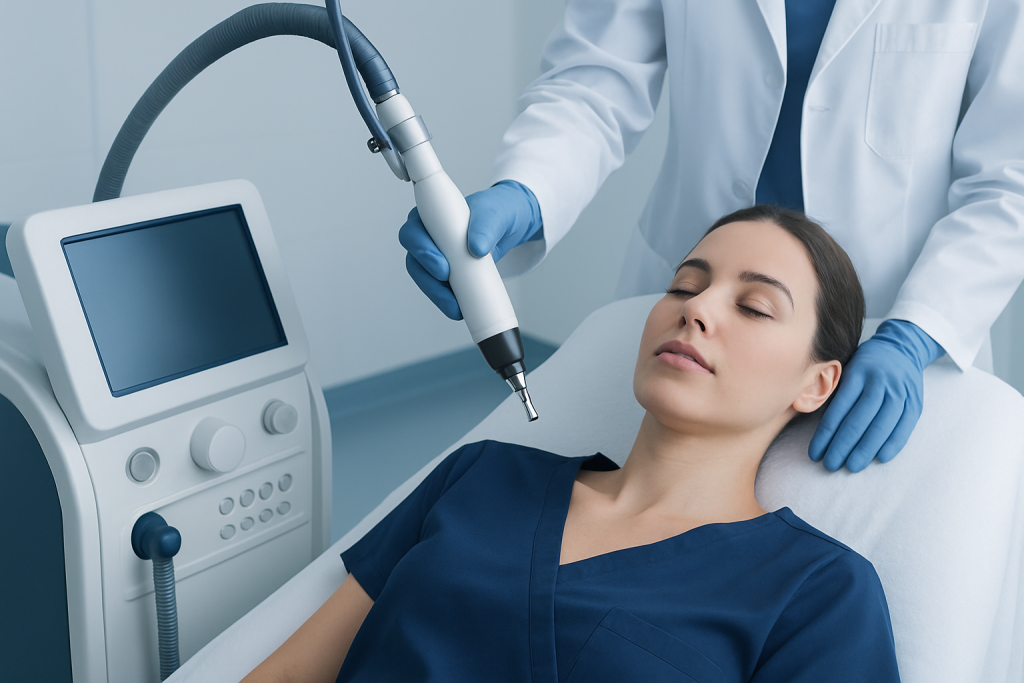
Laser treatments are often priced according to the type of laser, the size of the area treated, and the intensity of treatment. A targeted procedure for small spots may cost less than full-face resurfacing. Some lasers are used for redness, some for pigmentation, and others for scars or skin tightening, so the technology itself is a major pricing factor. Patients considering laser skin resurfacing are often advised that several sessions may be recommended depending on the skin condition and desired result.
Chemical peels may be priced by depth and formulation. Lighter peels are generally less complex and may require a series of treatments, while medium or deeper peels may involve more intensive planning and aftercare. The overall cost can therefore depend on whether the treatment plan includes a single stronger peel or multiple gentler sessions. When discussing chemical peel treatment, it is helpful to ask how many visits are commonly needed for the specific skin concern.
Injectables are usually priced based on the product type and the amount used. Neuromodulators may be billed by treatment area or units, while fillers are commonly priced by syringe. The final cost depends on facial anatomy, treatment goals, and whether subtle enhancement or more extensive correction is planned. In consultations for injectable wrinkle treatment or dermal filler treatment, patients are often given an estimate only after their face and skin have been assessed in person.
Main Factors That Influence the Final Price

One of the biggest influences on price is the complexity of the problem being treated. Mild discoloration, early fine lines, or a small treatment area may require less time and fewer resources than deeper acne scars, significant sun damage, or multiple facial areas. A personalized treatment plan may include a combination of procedures rather than just one, which can change the total cost considerably.
The expertise of the provider also matters. Dermatologists, plastic surgeons, and trained aesthetic physicians may charge differently based on their qualifications and the level of medical supervision involved. Clinics with strong safety protocols, advanced devices, and structured follow-up care may also have higher fees, but these can reflect the quality of care rather than only the procedure itself.
Other common cost factors include:
- Number of sessions needed for visible results
- Brand and quality of injectable products or peel solutions
- Type, age, and sophistication of laser equipment
- Size and number of treatment areas
- Consultation fees and skin analysis
- Topical numbing, sedation, or comfort measures if required
- Post-treatment products and follow-up visits
- Maintenance treatments over time
Patients should also remember that skin type can affect planning. Darker or more reactive skin types may need a more cautious approach, longer preparation, or a different device setting to reduce the risk of irritation or pigment changes. This can influence both the number of sessions and the overall cost.
What May Be Included—or Not Included—in Advertised Prices
Advertised prices can be useful for a rough comparison, but they do not always show the full picture. A quoted price may refer to one treatment session only, while the best result may require several visits. In other cases, the price may cover only the procedure itself and not the consultation, skin preparation, aftercare, or review appointments.
For injectables, the initial quote may be based on a minimum amount of product, but some patients need more to achieve a balanced and natural result. For lasers and peels, a package may be more relevant than the single-session fee. This is why patients should ask whether the estimate is per session, per area, per product amount, or for a complete treatment course.
Questions worth asking include:
- Is the consultation included in the price?
- How many sessions are usually recommended?
- Are follow-up visits or touch-ups included?
- Will special skincare products be needed before or after treatment?
- Is the quote for one area or multiple areas?
- Are there extra charges if more product or time is needed?
A clear written treatment plan can help patients compare clinics more fairly. It also reduces the chance of unexpected expenses later in the process.
Why Treatment Goals and Skin Type Matter
Skin care treatment cost depends not only on the procedure chosen but also on what the patient hopes to improve. Treating active breakouts, post-inflammatory marks, melasma, early aging changes, or textural scarring may require different methods. Some concerns respond well to a single treatment type, while others benefit most from a staged plan that combines techniques over time.
Skin type and medical history also influence selection and pricing. Sensitive skin, a history of pigmentation issues, certain medications, or previous cosmetic procedures may require a more conservative and carefully monitored approach. This may include skin preparation beforehand and more detailed aftercare instructions afterward.
For example, patients seeking improvement in uneven texture or acne scarring may be assessed for conditions related to acne or post-acne changes before treatment begins. Those interested in anti-aging procedures may need an evaluation of wrinkles, volume loss, and sun-related skin damage rather than a one-size-fits-all solution. In many cases, the most cost-effective choice is the treatment that is most appropriate for the skin concern, even if the price per session is not the lowest.
How to Compare Value, Safety, and Long-Term Costs
Price matters, but value matters too. A lower initial fee may seem appealing, yet it may not represent the best choice if the treatment is less suitable, less personalized, or more likely to require repeated corrections. Patients often benefit from comparing not only the price but also the provider’s experience, the quality of devices or products used, and the expected treatment timeline.
Long-term costs are especially important in injectables and maintenance-focused skin care. Some treatments produce results that gradually wear off, which means repeat sessions are part of the ongoing plan. Others, such as resurfacing procedures, may offer longer-lasting changes but involve more recovery and a higher upfront cost. Understanding this balance can help patients set realistic expectations and budgets.
It can also be helpful to ask about the expected result, recovery time, and risks. A thorough consultation should explain who is a good candidate, what side effects may occur, and whether a less expensive option would still meet the treatment goal safely. In experienced centers, care may involve several specialties working together when skin concerns overlap with broader dermatologic or aesthetic needs.
Planning for Consultation, Aftercare, and Ongoing Maintenance
Good planning often leads to a better overall treatment experience. Before booking a procedure, patients may want to prepare a list of skin concerns, prior treatments, allergies, current skincare products, and any medicines they use. This helps the clinician recommend the safest and most effective option and give a more accurate cost estimate.
Aftercare is another part of total skin care treatment cost that should not be overlooked. Depending on the procedure, patients may need gentle cleansers, moisturizers, sunscreen, pigment-control products, or temporary changes to their routine. For treatments that create peeling, redness, or swelling, follow-up care can make a meaningful difference in comfort and recovery.
Maintenance is often part of aesthetic skin care. Even when a procedure is successful, sun exposure, aging, and natural facial movement continue over time. Some people need periodic touch-ups or repeat treatments to maintain results. Asking about likely maintenance from the start can help avoid surprises later.
Near the end of the consultation process, patients may wish to discuss where treatment will be performed and what support is available afterward. Acibadem International’s multidisciplinary specialists and JCI-accredited hospitals diagnose and treat dermatologic and aesthetic concerns for international patients, with treatment plans tailored to individual needs.
When to Seek Professional Advice Before Treatment
Professional assessment is especially important when the skin concern could have a medical cause rather than only a cosmetic one. New or changing pigmentation, persistent redness, recurring rashes, severe acne, unusual bumps, or non-healing areas should be assessed by a qualified doctor before cosmetic treatment is chosen. Treating an underlying skin disorder first may be necessary.
Patients should also seek expert advice if they have a history of keloid scarring, frequent cold sores, eczema, rosacea, melasma, or recent use of medications that affect healing. These factors can influence which procedures are appropriate and how much preparation is needed. In some cases, postponing treatment or choosing a gentler option is the safest approach.
Anyone considering lasers, peels, or injectables should feel comfortable asking about credentials, expected outcomes, alternatives, downtime, and total cost. A careful consultation supports both safety and satisfaction. It also helps patients make decisions based on medical suitability and realistic expectations rather than price alone.
Frequently asked questions
Why does skin care treatment cost vary so much between clinics?
Prices vary because clinics may use different products, devices, treatment protocols, and levels of medical expertise. The quote may also include different things, such as consultation, aftercare, or follow-up visits. This is why comparing the full treatment plan is usually more helpful than comparing one advertised number.
Are laser treatments usually more expensive than peels or injectables?
They can be, especially when advanced laser platforms, larger treatment areas, or multiple sessions are involved. However, the final cost depends on the specific laser, the treatment goal, and how many visits are recommended. Some injectable plans or combination treatments may cost as much or more over time.
How can a patient know if a quoted price is reasonable?
A reasonable quote should be clear about what is included, how many sessions may be needed, and who will perform the procedure. Patients can ask about provider qualifications, expected results, downtime, and maintenance needs. A detailed consultation often provides better guidance than price alone.
Do cheaper cosmetic skin treatments always save money?
Not necessarily. A lower upfront price may not include all visits or may involve a treatment that is less suitable for the skin concern. If additional correction or repeat treatment is needed, the total cost may become higher over time.
What extra costs should patients ask about before booking?
Patients should ask about consultation fees, pre-treatment skincare, numbing, aftercare products, review appointments, touch-ups, and maintenance sessions. They should also ask whether the price is per area, per session, or for a package. These details help create a more realistic budget.
Is one session usually enough for lasers, peels, or injectables?
Sometimes, but not always. Many skin concerns improve gradually and may need a series of treatments, especially for pigmentation, scarring, or texture changes. Injectables may show results sooner, but maintenance is often needed as effects wear off.
References
- American Academy of Dermatology
- American Society for Dermatologic Surgery
- British Association of Dermatologists
- National Health Service
- U.S. Food and Drug Administration
This article is for general information only and is not a substitute for professional medical advice. Please consult a qualified doctor about your individual situation.
Explore treatments in Turkey — costs, top hospitals & a free quote
JCI-accredited · board-certified surgeons · reply within 24h
Add us as a Preferred Source to see more of our trusted health content across Google Search, AI Overviews and Discover.