

Skin Care Treatments for Acne-Prone Skin: What Dermatologists May Recommend

Acne-prone skin benefits most from gentle, consistent care rather than aggressive scrubbing or frequent product changes. Non-comedogenic cleansers, moisturizers, and sunscreens can help support the skin without clogging pores.
Key Takeaways
- Acne-prone skin benefits most from gentle, consistent care rather than aggressive scrubbing or frequent product changes.
- Non-comedogenic cleansers, moisturizers, and sunscreens can help support the skin without clogging pores.
- Dermatologists may recommend topical medicines, oral treatments, chemical peels, or other procedures depending on acne severity.
- Picking, over-exfoliating, and using harsh products can worsen inflammation and increase the risk of marks or scarring.
- A doctor should assess painful, widespread, scarring, or treatment-resistant acne.
Skin care treatments for acne-prone skin focus on reducing breakouts while protecting the skin barrier. Dermatologists usually recommend a simple, consistent routine with products and treatments matched to the type and severity of acne.
Overview
Skin care treatments for acne-prone skin are designed to do two things at the same time: control breakouts and protect the skin’s natural barrier. This balance matters because acne often develops in skin that is already sensitive, inflamed, or easily irritated. When care is too harsh, the skin may become drier and redder, which can make acne management harder.
Dermatologists usually encourage a simple, structured routine rather than many products used at once. For most people, the foundation includes a gentle cleanser, a suitable moisturizer, daily sun protection, and targeted acne treatment when needed. The exact plan depends on the person’s age, skin type, acne pattern, and whether there are concerns such as post-acne marks, oily skin, or irritation.
Acne-prone skin does not always mean severe acne. Some people mainly experience clogged pores and occasional pimples, while others develop inflamed papules, pustules, nodules, or cysts. Because these forms of acne behave differently, care that works well for one person may not be enough for another.
What Dermatologists Look for in Acne-Prone Skin
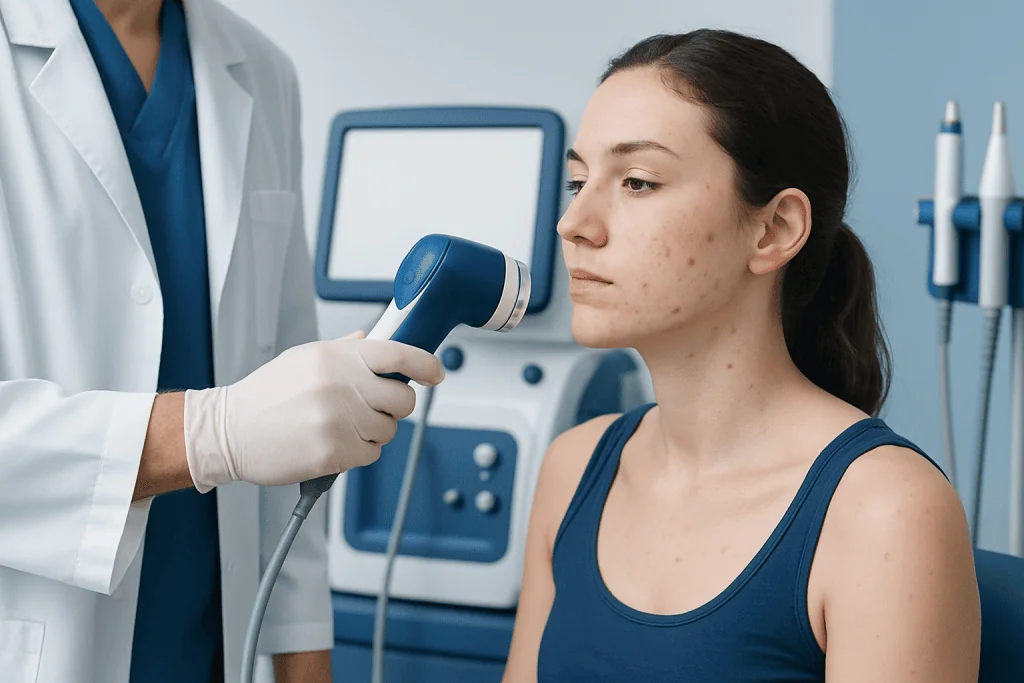
Before recommending treatment, dermatologists usually consider the type of lesions present. Whiteheads and blackheads suggest clogged pores, while red or tender bumps point to inflammation. Deep, painful lesions can indicate more severe acne and may need prescription treatment to reduce the risk of long-term scarring.
They also look at factors that may be contributing to breakouts, such as hormonal changes, stress, cosmetic products, friction from masks or sports gear, and family history. The location of acne can also offer clues. For example, acne on the jawline or lower face may be influenced by hormones, while forehead breakouts may be linked to hair products or occlusive skin care.
Skin sensitivity is another important part of the assessment. Some people have acne with dryness, stinging, or eczema-like irritation, while others have very oily skin that tolerates stronger products. This is why a personalized plan is often more effective than following general skin care trends from social media.
When needed, a dermatologist may also evaluate whether the problem is truly acne or another skin condition that can look similar, such as rosacea, folliculitis, or seborrheic dermatitis. Correct diagnosis helps avoid using products that may worsen the skin instead of helping it.
Core Skin Care Routine for Acne-Prone Skin
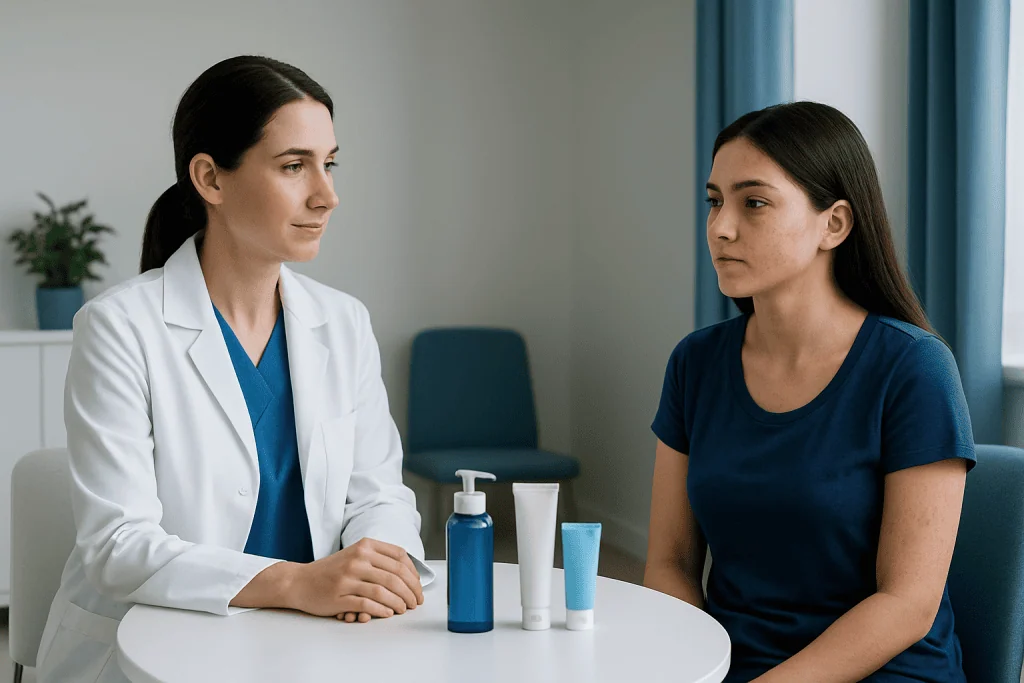
A basic routine is often the best starting point. Dermatologists commonly advise washing the face twice daily and after heavy sweating with a mild cleanser. The goal is to remove excess oil, sunscreen, and dirt without stripping the skin. Harsh soaps, rough cleansing brushes, and repeated washing usually do not improve acne and can increase irritation.
Moisturizer remains important even for oily or acne-prone skin. Many acne treatments can dry the skin, so a lightweight, non-comedogenic moisturizer helps reduce tightness and support the barrier. This may also improve tolerance to active ingredients and make it easier to stay consistent with treatment.
Daily sunscreen is a key step that is sometimes overlooked. Broad-spectrum, non-comedogenic sunscreen can help protect the skin from ultraviolet damage and may reduce the worsening of dark marks left after acne heals. Some acne treatments and procedures can also make skin more sun-sensitive, so sun protection becomes even more important.
Products often recommended in a routine include:
- Gentle, fragrance-light or fragrance-free cleanser
- Non-comedogenic moisturizer
- Broad-spectrum sunscreen suitable for the face
- Targeted acne treatment such as benzoyl peroxide, salicylic acid, azelaic acid, or a retinoid when advised
- Makeup labeled oil-free or non-comedogenic if used
Common Topical and Prescription Treatments
Topical treatments are often the first step when breakouts are mild to moderate. Benzoyl peroxide can help reduce acne-causing bacteria and inflammation. Salicylic acid may support unclogging of pores, while retinoids are commonly used to normalize skin cell turnover and prevent new comedones from forming. Azelaic acid may be useful when acne is accompanied by redness or post-inflammatory pigmentation.
Prescription treatments may be recommended when over-the-counter options are not enough. These can include stronger retinoids, antibiotic gels or lotions, and combination products designed to target several acne mechanisms at once. Prescription treatment is especially helpful when acne is spreading, leaving marks, or not responding to a basic routine.
For moderate to severe inflammatory acne, oral medicines may be considered. Depending on the situation, a dermatologist may discuss oral antibiotics for a limited period, hormonal treatment for some women, or other options for more resistant acne. These decisions are individualized and should be monitored by a qualified clinician.
When acne becomes persistent or raises concern for scarring, specialist evaluation is important. In some cases, management may include dermatology care or coordinated treatment for acne to adjust products, monitor side effects, and protect long-term skin health.
Procedures Dermatologists May Recommend
When a skin care routine and medicines do not fully control breakouts, office-based procedures may be added. Chemical peels are one example. Superficial peels can help exfoliate the upper layers of skin, improve clogged pores, and support treatment of post-acne marks in selected patients. However, the right peel type and strength depend on skin tone, sensitivity, and active acne severity.
Another procedure sometimes used is extraction of certain non-inflamed comedones by a trained professional. This is different from squeezing at home, which can injure the skin and raise the risk of scarring or infection. Light-based treatments may also be discussed in selected cases, although they are not the main treatment for everyone and results can vary.
If acne has already caused scars, dermatologists may suggest treatments after active inflammation is under better control. Options can include chemical peel treatment or laser treatment for suitable candidates. These approaches are chosen carefully based on the scar type, skin tone, and whether acne is still active.
Procedures are usually most effective when they are part of a broader plan rather than a stand-alone solution. Continuing a consistent home routine remains important, even when in-clinic treatments are used.
Habits and Products That Can Help or Harm
Small daily habits often make a meaningful difference. Dermatologists generally encourage avoiding picking, scratching, or squeezing blemishes. Although it can be tempting, this can push inflammation deeper into the skin and increase the chance of lasting marks or scars.
Hair care and cosmetic choices also matter. Heavy oils, pomades, and thick occlusive makeup may contribute to breakouts in some people, especially around the forehead, temples, and hairline. Looking for non-comedogenic products and removing makeup thoroughly at the end of the day can help support clearer skin.
Over-exfoliation is a common problem. Using multiple acids, scrubs, masks, and retinoids together can disrupt the barrier and trigger redness, peeling, and burning. A simpler routine often works better than a complicated one, especially when starting acne treatment.
Helpful self-care measures may include:
- Changing pillowcases regularly
- Cleaning phone screens and items that touch the face
- Showering after exercise when possible
- Using fragrance-free products if the skin is easily irritated
- Introducing one new active product at a time
When to See a Dermatologist
A dermatologist should assess acne that is painful, deep, widespread, or starting to leave scars or dark marks. Medical advice is also helpful if breakouts continue despite several weeks of consistent skin care, or if the skin becomes very dry, red, or uncomfortable with treatment. Early support can help prevent frustration and reduce the risk of long-term skin changes.
Professional care is particularly important when acne affects confidence, mood, or daily life. Skin conditions can have a real emotional impact, and treatment plans should take this into account. A dermatologist can also help distinguish acne from other problems such as rosacea when redness and bumps are persistent.
For children, teenagers, adults with sudden onset acne, or women with possible hormonal symptoms, a broader medical evaluation may sometimes be needed. The goal is not only to treat visible spots but also to identify whether other health factors may be contributing.
Near the end of the treatment journey, some people may need advice about residual marks, texture change, or scars. Acibadem International’s multidisciplinary specialists and JCI-accredited hospitals diagnose and treat acne-related skin concerns for international patients, with care tailored to individual skin needs.
Frequently asked questions
What is the best daily skin care routine for acne-prone skin?
A simple routine is usually best: gentle cleansing, a non-comedogenic moisturizer, and daily sunscreen. If needed, an acne treatment such as salicylic acid, benzoyl peroxide, or a retinoid may be added based on skin tolerance and a doctor’s advice.
Should people with acne-prone skin use moisturizer?
Yes. Moisturizer helps protect the skin barrier and can reduce dryness from acne treatments. Choosing a lightweight, non-comedogenic formula is often the most helpful approach.
Do natural or homemade remedies work for acne-prone skin?
Some natural ingredients may feel soothing, but homemade remedies are not always safe or effective. Certain oils, acids, or abrasive substances can irritate the skin and worsen breakouts, so it is best to discuss treatment choices with a qualified clinician.
How long does it take acne skin care to start working?
Most acne treatments need time and regular use before improvement becomes clear. Many people need several weeks to notice changes, and full benefit may take longer, especially if acne is more inflamed or persistent.
Can sunscreen make acne worse?
Some heavy or greasy products may not suit acne-prone skin, but many modern sunscreens are designed to be non-comedogenic. Daily sunscreen is important because it protects the skin and may help prevent dark marks from becoming more noticeable.
When are prescription treatments needed for acne-prone skin?
Prescription treatment may be needed when acne is moderate to severe, painful, scarring, or not improving with over-the-counter care. A dermatologist can choose the most appropriate option based on the acne type, skin sensitivity, and overall health.
References
- American Academy of Dermatology
- National Institute for Health and Care Excellence
- National Health Service
- Mayo Clinic
- British Association of Dermatologists
This article is for general information only and is not a substitute for professional medical advice. Please consult a qualified doctor about your individual situation.
Acne in Turkey — costs, top hospitals & a free quote
JCI-accredited · board-certified surgeons · reply within 24h
Add us as a Preferred Source to see more of our trusted health content across Google Search, AI Overviews and Discover.

More from the Health Library



Related Specialists

Prof. Dr. Metin Türkmen
Orthopedic Surgery & Traumatology
Dr. Alper Gölpınar
Orthopedic Surgery & Traumatology
Assoc. Prof. Dr. Fatih Aygün
Pediatric Intensive Care Unit
Prof. Dr. İnan Anaforoğlu
Endocrinology