Skinny Big Breasts: An Evidence-Based Guide for Patients
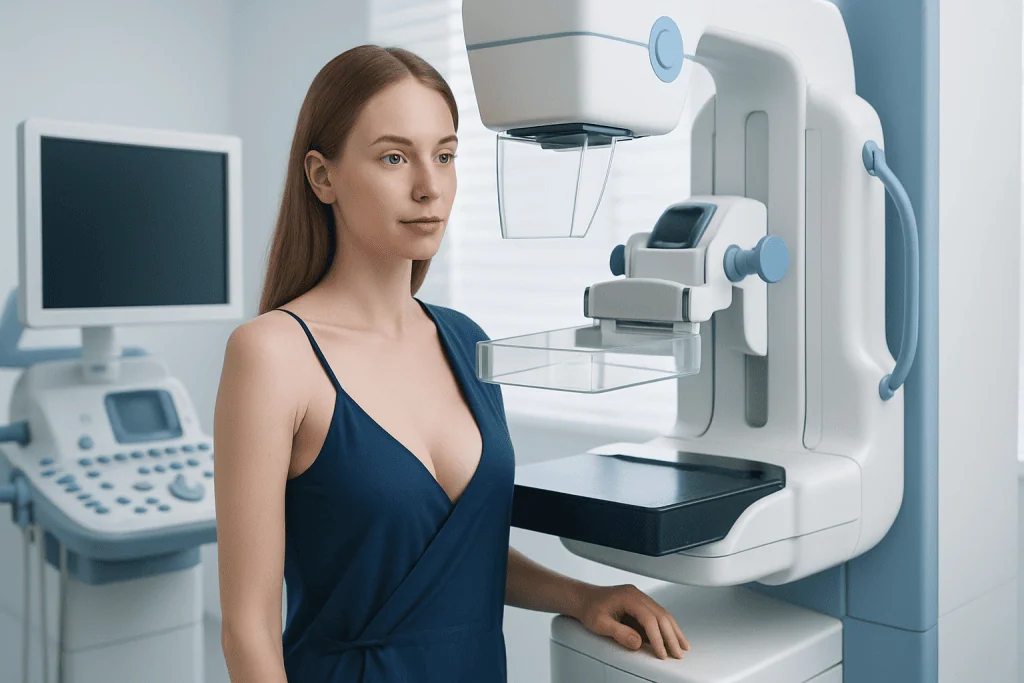
A slim person can naturally have large breasts; breast size does not always match overall body size. Genetics, hormones, age, and breast tissue composition all influence breast size and shape.
Key Takeaways
- A slim person can naturally have large breasts; breast size does not always match overall body size.
- Genetics, hormones, age, and breast tissue composition all influence breast size and shape.
- Large breasts may contribute to neck, shoulder, back pain, bra-strap grooves, and skin irritation in some people.
- Sudden enlargement, a new lump, nipple discharge, or one-sided change should be assessed by a clinician.
- Supportive bras, posture care, exercise, and weight stability may improve comfort, while surgery is an option for selected patients.
Skinny big boobs usually describe a slim body type with relatively large breasts, and in many people this is a normal variation shaped by genetics, hormones, age, and body composition. Medical care may be helpful if breast size causes pain, skin irritation, posture problems, or if there is a sudden change in breast shape or a new lump.
Overview: What “skinny big boobs” usually means
“Skinny big boobs” is a non-medical phrase people use when someone has a slim build but relatively large breasts. In most cases, this is simply a normal body variation. Breast size is influenced by more than body weight alone, so a person can be thin and still have fuller breasts without this meaning anything is wrong.
Breasts are made of glandular tissue, connective tissue, and fat. The balance of these tissues varies from person to person. Two people with the same clothing size or body mass index may have very different breast size because their genetics, hormone patterns, and tissue distribution are different.
For some people, larger breasts are mainly a cosmetic concern. For others, they may affect daily comfort, exercise, sleep position, and self-image. Health concerns are more likely when breast size leads to persistent pain, shoulder grooves, rashes under the breast fold, or activity limitations.
It is also important to separate normal breast size from breast symptoms. A stable breast size that has developed gradually is often normal. A new lump, sudden enlargement, nipple discharge, or a noticeable one-sided change deserves medical evaluation.
Why breast size does not always match body size
Body shape is not determined by a single rule. Breasts can remain proportionally larger in a slim person because breast tissue does not behave exactly like body fat elsewhere. Some people inherit a tendency to store more volume in the breasts even when their waist, hips, arms, or thighs are small.
Hormones also matter. Estrogen, progesterone, and normal life stages such as puberty, menstrual cycles, pregnancy, breastfeeding, and perimenopause can all change breast fullness. Some people notice that their breasts stay fuller even when their weight fluctuates only slightly.
Another factor is breast density and tissue makeup. A breast with more glandular and fibrous tissue may feel and appear different from one with more fatty tissue. This is one reason cup size alone does not tell the full story about breast structure, comfort, or health.
Social media and clothing sizes can make breast proportions seem unusual when they are actually common. Bra sizing is also inconsistent, and many people wear the wrong size. A professional bra fitting can sometimes improve comfort and posture more than expected.
Common symptoms and day-to-day effects

Large breasts in a slim person are not automatically a medical problem, but they can create physical symptoms. Common complaints include neck pain, upper back pain, shoulder tension, and grooves from bra straps. Some people also notice difficulty finding supportive clothing or discomfort during exercise.
Skin symptoms may occur where the breast rests against the chest wall. Heat, moisture, and friction can lead to irritation, itching, redness, or recurring rash under the breast fold. Good skin care and supportive undergarments often help, but recurrent irritation should be discussed with a clinician.
Posture can also be affected. Some people unconsciously round their shoulders or lean forward, either from the breast weight itself or from self-consciousness about appearance. Over time, this may worsen muscular strain and reduce comfort with walking, running, or prolonged sitting.
Emotional and social effects are also real. Unwanted attention, difficulty with sports, poor clothing fit, or body-image distress can affect quality of life. When symptoms are significant, a clinician can help review non-surgical measures and, when appropriate, options such as breast reduction surgery.
Causes and risk factors that may be involved
The most common reason for large breasts in a thin person is genetics. Family patterns often influence breast size, shape, and skin elasticity. If close relatives have naturally fuller breasts despite a small frame, that may explain the body pattern without any underlying disease.
Hormonal influences are another major factor. Puberty can lead to early and marked breast development, and some people continue to have fuller breasts throughout adulthood. Pregnancy, breastfeeding, hormonal contraception, and natural hormonal variation may temporarily or more permanently change breast volume.
Weight change can still play a role, but not in a simple way. Some people lose weight from other parts of the body while breast size changes only a little. Others notice larger changes in cup size. Because breast tissue is mixed, body fat reduction does not affect everyone equally.
Less commonly, unusually rapid breast growth may be related to a condition such as gigantomastia, which involves excessive breast enlargement. Although this is uncommon, rapid progression, major asymmetry, or severe pain should be reviewed by a specialist to rule out uncommon causes and to guide treatment.
How doctors assess breast size, symptoms, and breast health
Assessment begins with a medical history. A clinician may ask when breast enlargement started, whether size has been stable or changing, and what symptoms are present. Pain, skin problems, shoulder grooves, headaches, exercise limitation, and sleep discomfort all help show how breast size is affecting daily life.
A physical examination may evaluate breast symmetry, skin condition, bra-strap marks, posture, and areas of tenderness. The doctor may also check for lumps or other breast changes. This examination is not about appearance alone; it helps distinguish normal variation from symptoms that need treatment.
Imaging is not always needed just because breasts are large. However, if there is a lump, focal pain, nipple discharge, sudden one-sided change, or an age-appropriate screening need, the doctor may recommend breast imaging. This may include mammography and, in selected cases, breast ultrasound to clarify the cause of a symptom.
When pain seems related to posture or muscle strain, the doctor may also consider other causes of back or shoulder discomfort. This broader view is useful because not all upper-body pain in a person with large breasts is caused by breast size alone.
Treatment options: from supportive care to surgery
Treatment depends on symptoms, goals, and overall health. Many people start with supportive care. A well-fitted supportive bra can reduce shoulder strain, improve movement, and make exercise more comfortable. Sports bras with firm support are often helpful for walking, running, and gym activities.
Physical therapy, stretching, and strengthening exercises may improve posture and reduce upper back, neck, and shoulder discomfort. Clinicians often suggest focusing on the upper back and core muscles. Skin irritation can be addressed with keeping the area dry, reducing friction, and using doctor-recommended topical care when needed.
Weight stability may modestly change breast size in some people, but it is not a guaranteed solution, especially in naturally slim individuals. It is important not to pursue unhealthy weight loss in the hope of changing breasts alone. Balanced nutrition and sustainable exercise are better for overall health and comfort.
When symptoms are persistent and significantly affect quality of life, surgery may be considered. Breast reduction surgery can reduce breast volume and improve comfort in selected patients after proper evaluation. For people with marked asymmetry, unusual growth patterns, or complex symptoms, multidisciplinary assessment may be useful. Near the end of the care pathway, some international patients choose centers such as Acibadem International, where multidisciplinary specialists in JCI-accredited hospitals evaluate and treat breast-related concerns.
Self-care, posture, and prevention of discomfort
While natural breast size cannot be fully prevented, daily habits can reduce discomfort. Supportive bras should fit the band, straps, and cup correctly; discomfort often improves when the bra provides most support through the band rather than the shoulders alone. Replacing worn bras regularly can also make a difference.
Posture habits matter. Simple adjustments such as keeping the shoulders relaxed, avoiding prolonged slouching, and using ergonomic desk support can reduce strain over time. Gentle strengthening of the upper back and core may help balance the pull on the chest and improve daily comfort.
Skin care is another practical step. Keeping the area under the breasts cool and dry, changing out of sweaty clothing promptly, and using breathable fabrics may reduce friction and rash. If irritation recurs, a doctor can check whether a fungal infection, eczema, or another skin condition is contributing.
Regular breast awareness is also useful. This means noticing what is normal for the body rather than checking obsessively. Knowing the usual shape, texture, and symmetry can help a person recognize a new change and seek timely care if needed.
When to seek medical care
Medical review is advisable if large breasts are causing ongoing neck, back, or shoulder pain, deep bra-strap grooves, posture problems, exercise limitation, or repeated skin irritation. These issues may be manageable, but they should not be dismissed if they are affecting quality of life.
A doctor should also assess any sudden increase in breast size, marked asymmetry, a new lump, persistent focal pain, skin dimpling, nipple discharge, or changes in the nipple or breast skin. These signs do not always indicate a serious disease, but they deserve proper evaluation.
Routine age-appropriate breast screening should continue as advised by a healthcare professional. People with a strong family history of breast disease may need more individualized guidance. If symptoms are new or concerning, it is reasonable to seek advice sooner rather than later.
Urgent care may be needed for severe swelling, redness with fever, or a rapidly painful breast change, especially during pregnancy or breastfeeding. In these situations, prompt assessment can help identify infection or another condition that needs treatment.
Frequently asked questions
Is it normal to be skinny and have big breasts?
Yes. In many people, this is a normal body variation related to genetics, hormones, and the type of breast tissue they have. Breast size does not always match overall body weight or clothing size.
Do large breasts mean there is a hormone problem?
Not usually. Hormones help shape breast development, but naturally large breasts often occur without any disorder. A doctor may look further only if there is unusually rapid growth, other hormonal symptoms, or a sudden unexplained change.
Can exercise make breasts smaller?
Exercise can improve posture, comfort, and overall body composition, but it cannot directly target breast tissue in a precise way. Some people notice a small size change with weight loss, while others do not because breast tissue composition varies.
When are large breasts considered a medical issue?
They become a medical concern when they cause persistent symptoms such as neck or back pain, shoulder grooves, skin rashes, numbness from bra pressure, or difficulty with normal activities. Sudden changes, a lump, or one-sided enlargement also need assessment.
Will wearing the right bra really help?
Often, yes. A properly fitted bra can improve support, reduce shoulder strain, and make walking or exercise more comfortable. It may not solve every symptom, but it is one of the simplest and most useful first steps.
Is breast reduction surgery only cosmetic?
No. Although appearance may change, breast reduction can also be performed to relieve physical symptoms such as pain, posture strain, and recurrent skin irritation. A surgeon will consider symptoms, breast anatomy, and overall health when discussing whether it is appropriate.
References
- American College of Obstetricians and Gynecologists
- American Society of Plastic Surgeons
- National Health Service
- Mayo Clinic
- World Health Organization
This article is for general information only and is not a substitute for professional medical advice. Please consult a qualified doctor about your individual situation.
Explore treatments in Turkey — costs, top hospitals & a free quote
JCI-accredited · board-certified surgeons · reply within 24h
Add us as a Preferred Source to see more of our trusted health content across Google Search, AI Overviews and Discover.
Check your numbers in seconds
BMI, calories, due date, blood pressure and 30+ more clinical calculators — free, instant, doctor-reviewed ranges.

More from the Health Library

Alopecia Barbae: A Complete Medical Overview

Autonomic Dysreflexia: An Evidence-Based Guide for Patients
Short Term Effects and Long Term Effects of Alcohol: A Complete Medical Overview

Kayser Fleischer Rings — Explained by Medical Evidence, Not Myths

Gastroparesis: A Complete Medical Overview