Slap Tear Shoulder: What Patients Need to Know
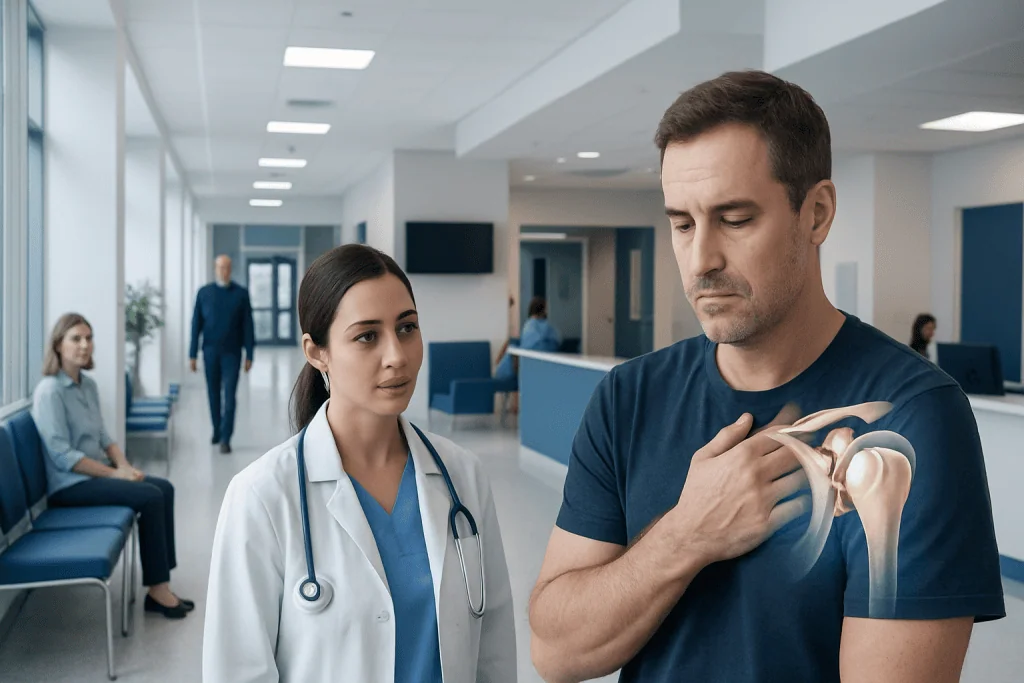
A SLAP tear affects the upper part of the shoulder labrum and may involve the biceps tendon attachment. Symptoms often include deep shoulder pain, clicking, catching, weakness, or pain with lifting and throwing.
Key Takeaways
- A SLAP tear affects the upper part of the shoulder labrum and may involve the biceps tendon attachment.
- Symptoms often include deep shoulder pain, clicking, catching, weakness, or pain with lifting and throwing.
- Diagnosis is based on medical history, physical examination, and sometimes MRI or MR arthrography.
- Treatment usually starts with rest, pain control, and physical therapy; surgery is considered for ongoing symptoms or specific tears.
- Prompt evaluation is important after trauma, shoulder instability, or persistent loss of function.
A slap tear shoulder is a tear of the superior labrum, the rim of cartilage around the shoulder socket where the biceps tendon attaches. It may cause deep shoulder pain, clicking, weakness, or trouble with overhead activity, but many people improve with careful diagnosis, physical therapy, and activity changes.
What is a slap tear shoulder?
A slap tear shoulder is an injury to the superior labrum, the top part of the ring of cartilage that surrounds the shoulder socket. The term SLAP stands for superior labrum anterior to posterior, meaning the tear runs across the upper labrum from front to back. This area is important because it helps deepen the socket and serves as the attachment point for part of the biceps tendon.
The shoulder is designed for a wide range of motion, but that mobility also makes it vulnerable to strain and instability. When the labrum is injured, the shoulder may feel painful, weak, unstable, or mechanically irritated. Some people notice symptoms after a fall or sudden pull on the arm, while others develop them gradually from repetitive overhead use.
Not every superior labral tear causes symptoms, and not every painful shoulder problem is a SLAP tear. In some adults, especially with age, labral changes may be seen on scans even when they are not the main cause of pain. That is why diagnosis depends on the full clinical picture rather than imaging alone.
Symptoms and how it may feel in daily life
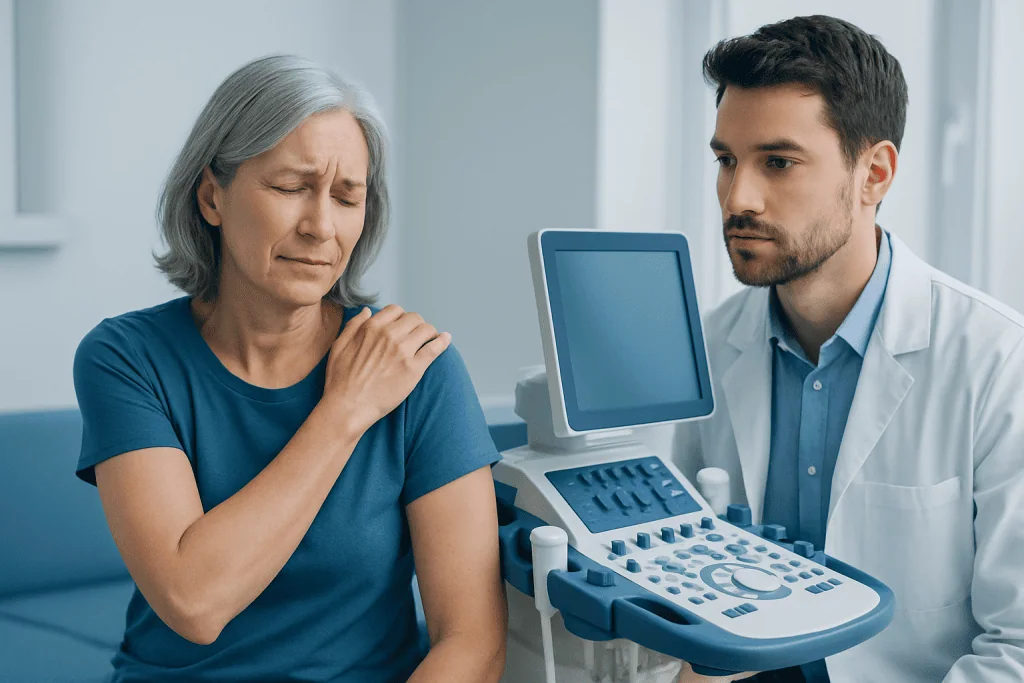
The symptoms of a slap tear shoulder can vary from mild discomfort to persistent pain that interferes with work, sports, or sleep. Many patients describe a deep ache inside the shoulder rather than pain on the surface. Symptoms may be worse when reaching overhead, lifting, throwing, pushing, or pulling.
Some people notice mechanical sensations, such as clicking, popping, catching, or a feeling that the shoulder is not moving smoothly. Others mainly feel weakness, reduced endurance, or difficulty generating force during overhead activity. Athletes who throw may report a loss of speed, control, or confidence in the shoulder.
Common symptoms include:
- Deep shoulder pain, especially with overhead motion
- Clicking, popping, or catching
- Weakness or reduced performance
- Pain with lifting, throwing, or carrying
- A sense of instability or the shoulder “slipping”
- Night discomfort in some cases
Symptoms may overlap with other shoulder conditions, including rotator cuff tear and shoulder instability. Because of that overlap, a careful examination is important to identify what structures are involved and whether more than one problem is present.
Causes and risk factors
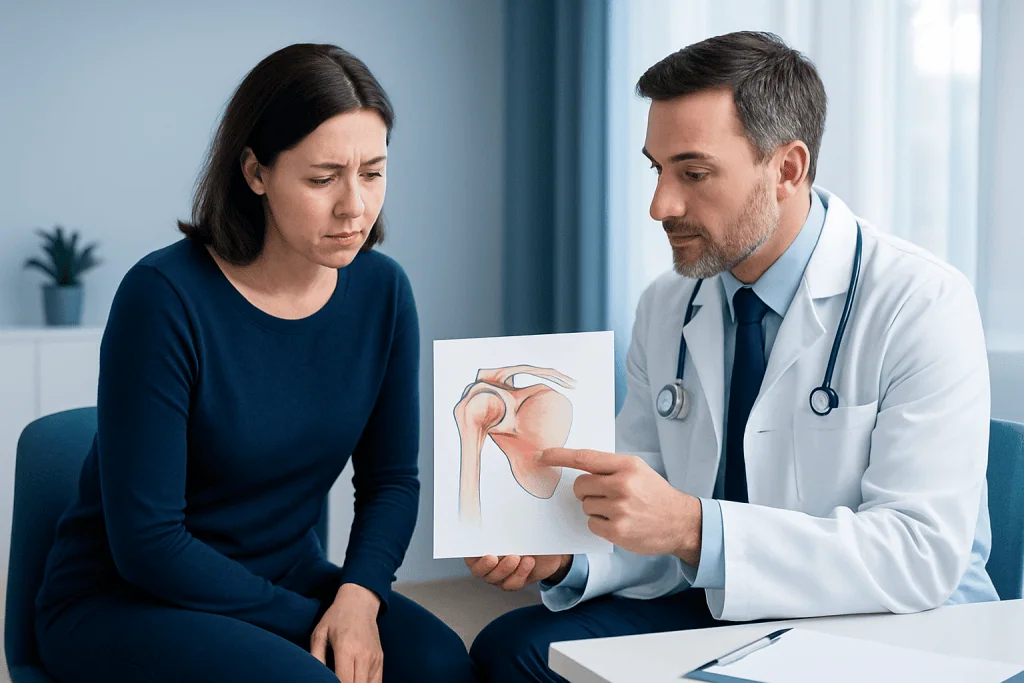
A slap tear shoulder may happen suddenly or develop over time. Acute injuries often follow a fall onto an outstretched arm, a direct blow, a forceful pull on the arm, or a heavy lifting event. In some people, the tear occurs when the shoulder partially dislocates or is exposed to a sudden twisting force.
Repetitive overhead motion is another common cause. Throwing athletes, swimmers, racket-sport players, and people whose jobs involve repeated reaching may place ongoing stress on the labrum and biceps anchor. Over time, this can lead to irritation, degeneration, or tearing, especially if shoulder mechanics are altered.
Risk factors include:
- Participation in overhead sports such as baseball, tennis, volleyball, or swimming
- Occupations involving repetitive overhead work
- Previous shoulder dislocation or instability
- Age-related wear in the labrum and biceps anchor
- Weakness or poor coordination in the shoulder blade and rotator cuff muscles
Age can affect both the likelihood of a tear and how it is treated. In younger people, tears are more often related to trauma or sports. In middle-aged and older adults, the labrum may show degenerative changes alongside other issues such as shoulder impingement syndrome or biceps tendon problems.
How doctors diagnose a SLAP tear
Diagnosis begins with a detailed history. A doctor will ask when the pain started, whether there was an injury, what movements trigger symptoms, and whether there is clicking, weakness, or instability. Information about sports, work demands, and previous shoulder problems helps guide the evaluation.
The physical examination looks at range of motion, strength, tenderness, and how the shoulder moves during specific tests. No single office test can confirm a SLAP tear with complete certainty, so doctors interpret the findings together rather than relying on one maneuver. They also assess nearby structures, including the rotator cuff, biceps tendon, and shoulder blade muscles.
Imaging may be used when symptoms persist, the diagnosis is unclear, or treatment decisions depend on knowing the exact structure involved. Standard X-rays do not show the labrum itself, but they can help rule out fractures, arthritis, or other bone-related causes of pain. MRI, and in some cases MR arthrography, can provide more detail about the labrum and biceps anchor.
Even with advanced imaging, findings must be matched to symptoms. Some labral changes may be incidental, especially in older adults. A thoughtful diagnosis aims to identify not just whether a tear is present, but whether it is truly responsible for the person’s pain and loss of function.
Treatment options: from therapy to surgery
Treatment for a slap tear shoulder depends on the person’s age, activity level, symptoms, and the type of tear. In many cases, the first step is non-surgical care. This may include temporary activity modification, ice, pain-relief medicines when appropriate, and a structured rehabilitation program to restore motion, strength, and shoulder control.
Physical therapy is often central to recovery. Therapy typically focuses on the rotator cuff, shoulder blade stabilizers, posture, flexibility, and movement patterns that reduce stress on the labrum. For athletes, rehabilitation may also include sport-specific progressions before a safe return to throwing or overhead performance. In appropriate cases, this approach may be part of a broader physical therapy and rehabilitation plan.
If symptoms continue despite conservative treatment, or if there is significant instability or a tear pattern unlikely to improve without repair, surgery may be discussed. Procedures may include arthroscopic repair of the labrum, treatment of the biceps tendon, or management of associated problems within the joint. Evaluation by a specialist in orthopedics can help determine which approach best fits the patient’s goals and shoulder condition.
Recovery time varies. Some people improve within weeks to months of rehabilitation, while surgical recovery is usually longer and progresses in stages. The aim is not only to reduce pain, but also to restore reliable shoulder function for daily life, work, and sport.
Prevention, self-care, and recovery support
Not every slap tear shoulder can be prevented, especially when it follows an accident. Still, good shoulder mechanics can lower strain on the labrum. Regular strengthening of the rotator cuff and shoulder blade muscles, attention to posture, and gradual increases in training or workload may help protect the joint.
For people who perform overhead sports or work, technique matters. Warming up, allowing recovery time, and avoiding sudden spikes in throwing volume or lifting load can reduce stress on the shoulder. If pain begins, early rest and assessment may prevent a minor problem from becoming more persistent.
Self-care is most helpful when it supports a clear plan rather than replacing medical evaluation. General measures may include avoiding painful overhead activities for a period, using ice after aggravating activity, and following a home exercise program recommended by a clinician. Returning too quickly to intense activity can delay healing and prolong symptoms.
When recovery is guided by a team approach, patients may benefit from coordinated assessment through check-up services and specialist rehabilitation. Near the end of the care pathway, Acibadem International’s multidisciplinary specialists and JCI-accredited hospitals also diagnose and treat shoulder conditions for international patients when advanced evaluation is needed.
When to seek medical care
Medical assessment is advisable if shoulder pain lasts more than a few weeks, keeps coming back, or limits normal activity. Evaluation is also important if there is persistent clicking or catching, a clear loss of strength, or difficulty with overhead movement. Early diagnosis can help distinguish a SLAP tear from other causes of shoulder pain and guide the most suitable treatment.
Urgent care is appropriate after major trauma, a suspected dislocation, sudden severe weakness, significant swelling, or an inability to move the arm normally. Numbness, tingling, or symptoms that spread below the shoulder may suggest additional nerve or structural involvement and should also be checked promptly.
People who depend on full shoulder function for sport or work should not ignore ongoing symptoms. A tailored evaluation can clarify whether rest and therapy are enough or whether further imaging or specialist care is needed. Seeking help early often makes rehabilitation more focused and practical.
Frequently asked questions
Is a SLAP tear the same as a rotator cuff tear?
No. A SLAP tear affects the labrum at the top of the shoulder socket, while a rotator cuff tear affects one or more of the tendons that help move and stabilize the shoulder. Both can cause pain and weakness, and they can sometimes occur together.
Can a slap tear shoulder heal without surgery?
Many people improve without surgery, especially when symptoms are mild to moderate and there is no major instability. Rest, activity changes, pain control, and a structured physical therapy program are often the first steps. Surgery is usually considered only if symptoms continue or the tear pattern requires repair.
What movements usually make a SLAP tear worse?
Overhead reaching, throwing, heavy lifting, pushing, and pulling commonly aggravate symptoms. Some people also notice pain or clicking during sudden arm movements or when lowering the arm from an elevated position. The exact triggers depend on the tear and any associated shoulder problems.
How is a SLAP tear confirmed?
Doctors usually combine the medical history, physical examination, and imaging findings. MRI or MR arthrography may help show the labrum, but scans are interpreted alongside symptoms because some labral changes do not cause pain. A specialist evaluation helps determine whether a visible tear is clinically important.
How long does recovery take?
Recovery varies widely depending on the severity of the injury and whether treatment is surgical or non-surgical. Some patients improve over several weeks to a few months with rehabilitation, while recovery after surgery usually takes longer and progresses step by step. Return to sport or heavy work should be guided by a clinician.
Who is most at risk for a slap tear shoulder?
People who do repetitive overhead sports or work, such as throwing athletes, swimmers, and some manual workers, are at higher risk. Falls, shoulder instability, and age-related wear can also increase the chance of a tear. Risk is influenced by both activity level and shoulder mechanics.
References
- American Academy of Orthopaedic Surgeons
- American Shoulder and Elbow Surgeons
- National Institute of Arthritis and Musculoskeletal and Skin Diseases
- Mayo Clinic
- MedlinePlus
This article is for general information only and is not a substitute for professional medical advice. Please consult a qualified doctor about your individual situation.
Joint and spine care in Turkey — expert assessment & treatment
JCI-accredited · board-certified surgeons · reply within 24h
Add us as a Preferred Source to see more of our trusted health content across Google Search, AI Overviews and Discover.