

Sleep Deprivation and Neurological Symptoms: What Is Temporary and What Needs Urgent Care?

Short-term sleep loss can cause brain fog, irritability, slowed thinking, poor coordination, and headaches. Most mild neurological symptoms from sleep deprivation improve with recovery sleep and better sleep habits.
Key Takeaways
- Short-term sleep loss can cause brain fog, irritability, slowed thinking, poor coordination, and headaches.
- Most mild neurological symptoms from sleep deprivation improve with recovery sleep and better sleep habits.
- Sudden one-sided weakness, trouble speaking, seizures, severe confusion, or fainting are not typical signs to ignore and need urgent care.
- Repeated or ongoing symptoms may point to an underlying sleep disorder, medication effect, or neurological condition.
- A doctor may assess sleep patterns, medical history, and neurological function to find the cause.
Sleep deprivation can affect attention, mood, balance, vision, and pain sensitivity, and many of these changes improve after adequate rest. However, some symptoms can mimic serious neurological conditions, so it is important to know which changes are likely temporary and which need urgent medical evaluation.
Overview
Sleep is essential for how the brain works. During healthy sleep, the brain helps regulate attention, memory, emotional balance, movement, pain processing, and the body’s internal repair systems. When sleep is too short, poor in quality, or repeatedly interrupted, the brain may not perform these tasks efficiently the next day.
Sleep deprivation neurological symptoms can range from mild and temporary to severe and concerning. Many people notice slowed thinking, poor concentration, irritability, clumsiness, headache, or feeling “not quite right” after a night of limited sleep. These effects are often reversible once sleep is restored, but they can still affect driving, work performance, and daily safety.
At the same time, lack of sleep should not automatically be blamed for every neurological symptom. Trouble speaking, facial drooping, sudden weakness, severe confusion, fainting, or seizures are not symptoms to watch at home simply because a person is tired. These changes need prompt medical attention because they may be related to a serious condition rather than sleep loss alone.
Common Temporary Neurological Symptoms of Sleep Deprivation
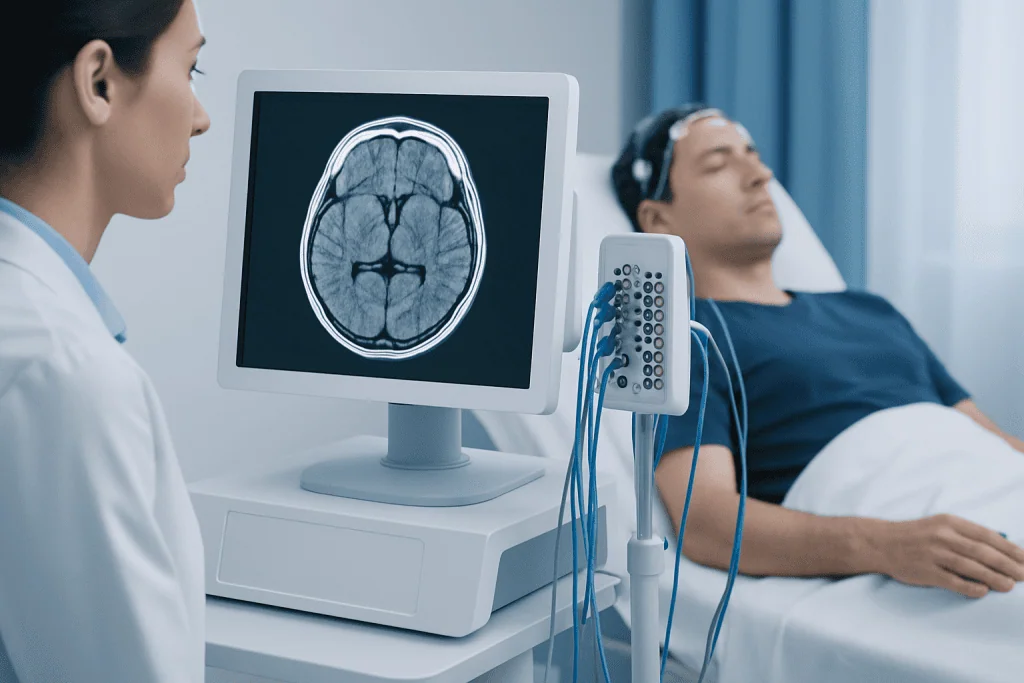
Temporary symptoms often appear after one or more nights of inadequate sleep, or over time when a person consistently gets less sleep than needed. The brain becomes less efficient at processing information, maintaining focus, and coordinating movement. This can feel unsettling, but it does not always mean there is permanent harm.
Common short-term symptoms may include difficulty concentrating, slower reaction time, forgetfulness, mental fog, irritability, mild dizziness, increased sensitivity to pain, and a feeling of heavy eyelids or visual strain. Some people also notice headaches, hand shakiness, poor balance, or trouble finding words when they are extremely tired.
Sleep deprivation can also briefly change how the senses work. For example, a person may misread visual details, feel unusually bothered by noise, or have brief moments of feeling detached or unreal. Microsleeps, which are very short involuntary sleep episodes lasting seconds, can happen in severe fatigue and may lead to lapses in awareness.
- Brain fog and slowed thinking
- Poor concentration and short-term memory problems
- Headache and increased migraine sensitivity
- Poor coordination or clumsiness
- Brief dizziness or lightheadedness
- Irritability, anxiety, or low mood
- Visual strain and difficulty focusing the eyes
Why Lack of Sleep Affects the Brain

The brain depends on sleep to restore energy balance, process memories, regulate hormones, and remove metabolic waste. Without enough sleep, networks involved in alertness, decision-making, emotion, and motor control do not communicate as smoothly. This is one reason sleep-deprived people can feel mentally slowed, emotionally reactive, or physically unsteady.
Sleep loss also affects deeper systems that influence neurological function. It can increase stress hormones, reduce attention control, heighten pain sensitivity, and interfere with how the brain handles sensory input. For people who already live with migraine, epilepsy, mood disorders, or movement symptoms, poor sleep may make these conditions more noticeable or easier to trigger.
Not all sleep deprivation is the same. Some people lose sleep because of lifestyle demands, while others have underlying sleep disorders such as insomnia, circadian rhythm problems, or sleep apnea. In these cases, the person may spend enough time in bed but still wake unrefreshed because sleep quality is poor.
What Can Increase Risk and Make Symptoms Worse
Several factors can intensify neurological symptoms when sleep is limited. Stress, anxiety, alcohol, dehydration, shift work, jet lag, and illness can all make the effects of sleep loss more noticeable. Certain medications, including some sedatives, stimulants, or medicines that affect alertness, may also disturb sleep or change brain function during the day.
People with existing neurological or medical conditions may be more vulnerable. For example, sleep deprivation can lower the seizure threshold in some individuals, worsen dizziness, increase the chance of falls in older adults, and trigger more frequent headaches. It may also worsen attention problems in children and adults.
Ongoing daytime sleepiness, loud snoring, witnessed pauses in breathing during sleep, unusual movements at night, or waking with morning headaches may suggest an underlying sleep disorder rather than simple tiredness. In that setting, an assessment for conditions such as insomnia, circadian rhythm disorders, or restless legs syndrome may be helpful.
When Symptoms Need Urgent Medical Care
Some symptoms should never be assumed to be “just from lack of sleep.” Sudden neurological changes can overlap with signs of stroke, seizure, infection, severe metabolic problems, medication reactions, or other emergencies. If symptoms are abrupt, severe, unusual for the person, or rapidly worsening, urgent evaluation is important.
Emergency warning signs include one-sided weakness or numbness, facial drooping, trouble speaking, severe confusion, loss of consciousness, a seizure, a sudden severe headache unlike usual headaches, chest pain, new shortness of breath, or vision loss. Persistent vomiting, inability to stay awake, or behavior that suggests delirium also deserves prompt care.
It is also wise to seek urgent advice if a person has extreme sleep deprivation along with hallucinations, severe agitation, repeated falls, or unsafe driving episodes. Sleep loss can sometimes contribute to these symptoms, but they may also signal a more serious condition. If stroke-like symptoms appear, emergency services should be contacted immediately. Related concerns may require assessment in areas such as stroke care or acute neurology.
How Doctors Evaluate Sleep Deprivation Neurological Symptoms
Evaluation starts with a careful history. A doctor may ask how long symptoms have been present, whether they came on suddenly or gradually, how much sleep the person usually gets, and whether there are signs of a sleep disorder. Questions about medications, alcohol, recent illness, head injury, stress, and medical conditions are also important.
A physical and neurological examination helps look for clues that symptoms are due to sleep loss or another cause. The doctor may assess speech, balance, coordination, strength, reflexes, eye movements, and alertness. If warning signs are present, urgent blood tests or brain imaging may be needed to rule out serious problems.
When poor sleep is ongoing, testing may focus on finding the reason. This can include sleep questionnaires, a sleep diary, or a formal sleep study. In some situations, doctors may recommend a sleep study to evaluate breathing changes, oxygen levels, movement, and sleep stages overnight.
Treatment and Recovery
Treatment depends on the cause. If symptoms are clearly linked to short-term sleep loss and there are no red flags, recovery often begins with adequate rest, a regular sleep schedule, hydration, balanced meals, and avoiding alcohol or excessive caffeine late in the day. Many people improve noticeably after one or two nights of sufficient sleep, though full recovery may take longer after prolonged deprivation.
If an underlying sleep disorder is identified, treatment focuses on that condition. Options may include sleep hygiene counseling, behavioral treatment for insomnia, management of sleep apnea, medication review, or care for related neurological conditions. For people with repeated headaches, dizziness, or cognitive complaints, the goal is not only symptom relief but also prevention of future sleep disruption.
Persistent symptoms deserve a proper diagnosis rather than repeated self-treatment. Depending on the findings, a clinician may recommend a neurology consultation or referral to sleep medicine specialists. Near the end of the care pathway, some international patients may choose centers such as Acibadem International, where multidisciplinary specialists in JCI-accredited hospitals evaluate and treat sleep-related neurological concerns.
Prevention, Self-care, and When to Arrange a Routine Appointment
Good sleep habits are one of the best ways to protect brain function. A consistent bedtime and wake time, a dark and quiet sleep environment, regular daytime activity, and limiting heavy meals, nicotine, and alcohol near bedtime can all support more restorative sleep. Screens and stimulating work are best reduced before bed when possible.
A routine medical appointment is sensible if neurological symptoms keep returning, if daytime sleepiness affects work or driving, or if the person regularly needs far more sleep than expected to feel functional. Ongoing memory trouble, frequent morning headaches, snoring, mood changes, or episodes of waking up gasping may point to an undiagnosed sleep problem that can be treated.
People should also seek non-urgent medical advice if they have chronic insomnia, repeated limb movements during sleep, suspected medication-related sleep disruption, or symptoms that are not improving despite better sleep habits. Early evaluation can help prevent complications and improve quality of life, especially when sleep problems begin to affect concentration, relationships, or safety.
Frequently asked questions
Can sleep deprivation cause neurological symptoms?
Yes. Lack of sleep can affect attention, memory, coordination, mood, reaction time, and pain sensitivity. Many of these changes are temporary and improve once a person gets adequate restorative sleep.
Which sleep deprivation symptoms are usually temporary?
Brain fog, mild dizziness, headache, irritability, slowed thinking, and clumsiness are often temporary effects of short-term sleep loss. They should improve with rest, hydration, and a return to a healthier sleep schedule. If they persist, another cause should be considered.
When should someone seek urgent care instead of going to bed and waiting?
Urgent care is needed for sudden weakness, facial drooping, trouble speaking, seizures, fainting, severe confusion, loss of vision, or a sudden severe headache. These are not symptoms to dismiss as simple tiredness. They can signal a medical emergency.
Can sleep deprivation feel like a stroke or other brain problem?
Severe fatigue can sometimes cause slowed speech, poor balance, or confusion that feels alarming. However, stroke and other neurological emergencies can look similar. If symptoms are sudden, one-sided, severe, or unusual, emergency assessment is important.
How long does it take the brain to recover from sleep deprivation?
Recovery varies based on how long and how severely sleep was disrupted. Mild short-term sleep loss may improve after one or two nights of good sleep, while longer periods of deprivation can take more time. If symptoms continue despite rest, a medical review is wise.
Can an underlying sleep disorder be the reason for recurring neurological symptoms?
Yes. Conditions such as sleep apnea, insomnia, circadian rhythm disorders, and restless legs syndrome can repeatedly disturb sleep and lead to daytime neurological complaints. Identifying and treating the sleep disorder often improves the symptoms.
References
- American Academy of Sleep Medicine
- National Institute of Neurological Disorders and Stroke
- National Heart, Lung, and Blood Institute
- Centers for Disease Control and Prevention
- World Health Organization
This article is for general information only and is not a substitute for professional medical advice. Please consult a qualified doctor about your individual situation.
Explore treatments in Turkey — costs, top hospitals & a free quote
JCI-accredited · board-certified surgeons · reply within 24h
Add us as a Preferred Source to see more of our trusted health content across Google Search, AI Overviews and Discover.

More from the Health Library



Related Specialists

Prof. Dr. Metin Ertem
General Surgery
Dr. Nuri Soysal
Aesthetic Plastic & Reconstructive Surgery
Dt. Emin Gökalp Baş
Oral & Dental Health
Prof. Dr. Sabahattin Kaymakoğlu
Gastroenterology