Sleep Disorders After Stroke: When to See a Neurological Sleep Specialist
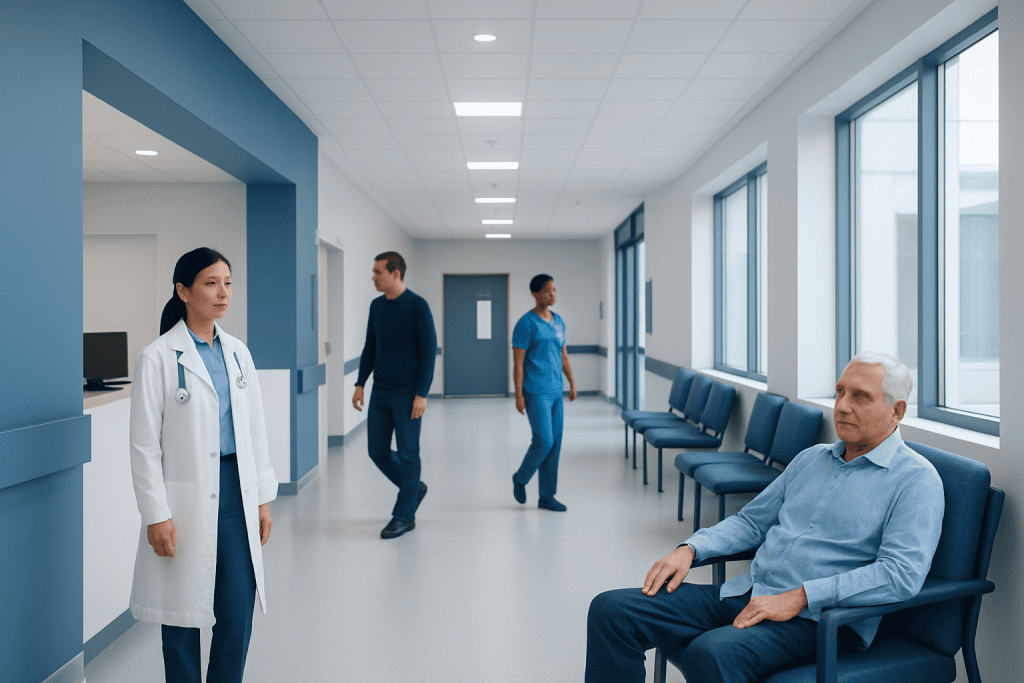
Sleep disorders after stroke can include insomnia, sleep apnea, excessive daytime sleepiness, restless legs, and changes in sleep-wake rhythm. Poor sleep may slow rehabilitation, worsen concentration and mood, and increase strain on the heart and brain.
Key Takeaways
- Sleep disorders after stroke can include insomnia, sleep apnea, excessive daytime sleepiness, restless legs, and changes in sleep-wake rhythm.
- Poor sleep may slow rehabilitation, worsen concentration and mood, and increase strain on the heart and brain.
- Loud snoring, witnessed breathing pauses, severe daytime sleepiness, or sudden changes in sleep after stroke deserve medical assessment.
- A neurological sleep specialist can help identify whether symptoms are related to the stroke itself, another sleep disorder, or both.
- Treatment may include sleep studies, breathing support, medication review, rehabilitation strategies, and healthy sleep habits.
Sleep problems are common after a stroke and may affect recovery, mood, memory, and overall health. Many post-stroke sleep disorders can be identified and treated, especially when warning signs are recognized early.
Overview
Sleep disorders after stroke are common, but they are often overlooked during recovery. A person may focus on weakness, speech changes, balance problems, or follow-up scans, while symptoms such as snoring, insomnia, restless sleep, or extreme tiredness are dismissed as a normal part of healing. In reality, sleep problems can have an important effect on recovery and quality of life.
Stroke can disrupt the brain networks that regulate breathing, alertness, body movement during sleep, and the normal sleep-wake cycle. At the same time, factors such as reduced mobility, hospital stays, pain, anxiety, depression, and medications may also disturb sleep. Because several problems can happen at once, post-stroke sleep complaints deserve careful evaluation rather than simple reassurance.
Common sleep-related conditions seen after stroke include obstructive sleep apnea, central sleep apnea, insomnia, excessive daytime sleepiness, restless legs syndrome, periodic limb movements, and circadian rhythm disturbances. Some people had an undiagnosed sleep disorder before the stroke, while others develop new symptoms afterward. A neurological sleep specialist is trained to assess this overlap between brain disease and sleep function.
Symptoms and Signs to Watch For
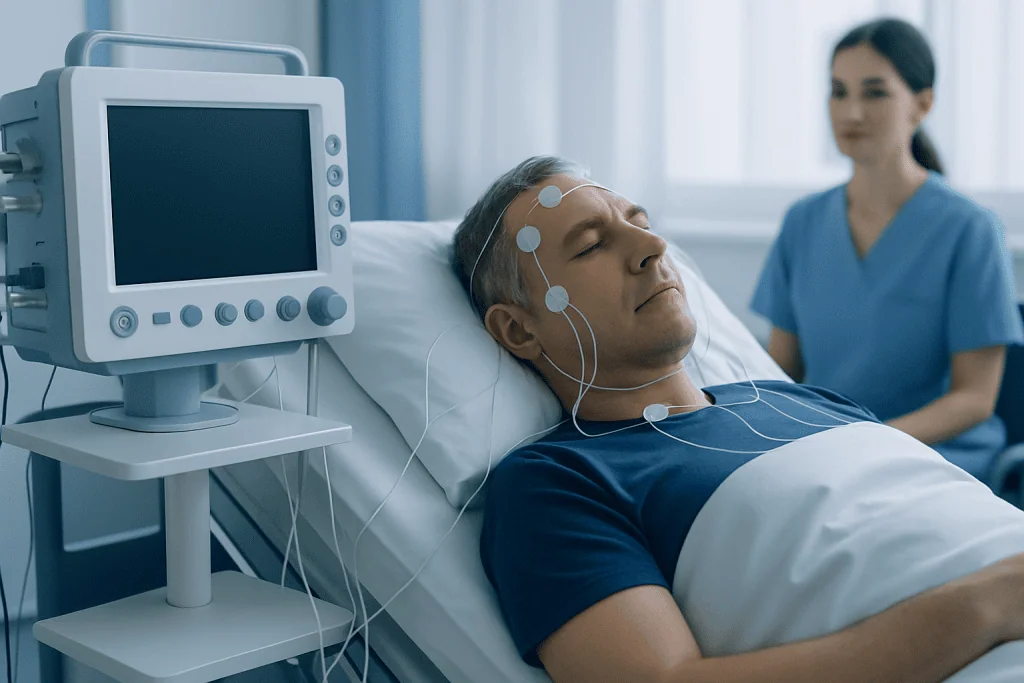
The symptoms of sleep disorders after stroke can vary widely. Some are noticed at night, while others mainly affect daytime functioning. Family members and caregivers often recognize signs before the patient does, especially if the person has memory, language, or attention difficulties after a stroke.
Symptoms that may suggest a sleep disorder include difficulty falling asleep, frequent waking, waking too early, poor sleep quality, loud snoring, choking or gasping during sleep, morning headaches, dry mouth on waking, and feeling unrefreshed after a full night in bed. During the day, a person may struggle with fatigue, dozing, poor concentration, irritability, lower motivation, or reduced participation in rehabilitation.
Some symptoms are more specific. Leg discomfort in the evening that improves with movement may point to restless legs syndrome. Acting out dreams, confusion about day and night, or excessive sleeping at unusual times may suggest a change in sleep regulation. When sleep symptoms appear together with ongoing stroke-related issues such as weakness, speech difficulty, or swallowing problems, specialist input may be especially helpful.
- Loud, habitual snoring
- Observed pauses in breathing during sleep
- Sudden worsening of daytime sleepiness
- Insomnia lasting weeks rather than days
- Restless or jerking limbs at night
- Morning headaches or poor attention during the day
Why Sleep Problems Happen After Stroke

There is not one single cause of sleep disorders after stroke. The stroke itself may affect areas of the brain involved in breathing control, sleep timing, and arousal. Depending on the location and severity of the stroke, these changes may temporarily or persistently alter how sleep is organized.
Obstructive sleep apnea is especially important because it is both common after stroke and sometimes present beforehand as an unrecognized risk factor. In this condition, the upper airway narrows or collapses during sleep, leading to repeated drops in breathing. Central sleep apnea can also occur, particularly when brain mechanisms that regulate breathing are affected. These breathing problems may reduce oxygen levels, fragment sleep, and increase daytime symptoms.
Other contributing factors include reduced activity, changes in sleeping position, weight changes, pain, spasticity, depression, anxiety, bladder symptoms, and medications that affect alertness or sleep architecture. Hospital routines and recovery stress may worsen insomnia. In some cases, sleep symptoms overlap with post-stroke fatigue, which is related but not identical. Distinguishing between the two is one reason specialist assessment can be useful, especially in people with stroke recovery concerns.
How Sleep Affects Stroke Recovery
Sleep is not simply a period of rest. It plays a role in memory processing, mood regulation, energy balance, and the brain’s ability to support learning and repair. After a stroke, these functions become even more important because rehabilitation depends on attention, repetition, motivation, and physical endurance.
Poor sleep can make recovery harder by worsening concentration, slowing reaction time, and reducing participation in physiotherapy, occupational therapy, or speech therapy. Daytime sleepiness may be mistaken for lack of motivation, while untreated sleep apnea can leave a person fatigued despite spending many hours in bed. Mood symptoms such as anxiety and depression may also worsen when sleep is poor.
Breathing-related sleep disorders are especially relevant because they may place extra stress on the cardiovascular system. Although not every sleep problem increases future stroke risk in the same way, untreated sleep apnea is an important reason to seek evaluation. Better sleep can support safer recovery, improved daily function, and a more stable routine at home.
Diagnosis by a Neurological Sleep Specialist
A neurological sleep specialist begins with a detailed history. This usually includes when the sleep problem started, whether symptoms existed before the stroke, how often they occur, and how they affect daily life. Bed partners or caregivers can provide valuable observations about snoring, breathing pauses, dream enactment, confusion at night, or excessive sleeping during the day.
The evaluation may also include a neurological examination, review of medications, and screening for mood, cognition, pain, and movement symptoms. In many cases, a sleep diary or questionnaires help clarify the pattern. If a breathing disorder is suspected, a sleep study may be recommended. Depending on the situation, this could be an overnight polysomnography in a sleep laboratory or a carefully selected home sleep test.
Additional testing is tailored to the patient. Doctors may review recent brain imaging, heart and lung health, swallowing issues, and rehabilitation progress. The goal is not only to name the sleep disorder but to understand how it interacts with stroke recovery. In some cases, referral for sleep testing is a practical next step, while others may need broader neurological assessment first.
Treatment Options
Treatment depends on the type of sleep disorder, its severity, and the person’s overall neurological recovery. For insomnia, care may include improving sleep habits, adjusting the sleep environment, treating pain or bladder symptoms, reviewing medications, and using structured behavioral strategies. If anxiety or depression contributes to poor sleep, addressing these conditions is also important.
For sleep apnea, treatment may involve positional strategies, weight management when appropriate, treatment of nasal obstruction, and positive airway pressure therapy. Some patients benefit from a personalized plan for sleep apnea treatment after formal diagnosis. The aim is to reduce breathing interruptions, improve oxygenation, and help restore more refreshing sleep.
If limb movements, restless legs, or circadian rhythm problems are present, treatment may include reviewing iron status, medication triggers, daily activity patterns, and timing of light exposure. Rehabilitation teams can also help structure daytime routines so the person is more active during the day and less likely to nap for long periods. When sleep complaints are linked to ongoing neurological issues, consultation with specialists in stroke rehabilitation may support a more coordinated plan.
Near the end of recovery planning, some people need combined care from neurology, sleep medicine, rehabilitation, cardiology, or mental health professionals. Acibadem International’s multidisciplinary specialists in JCI-accredited hospitals diagnose and treat post-stroke sleep disorders for international patients when this type of coordinated evaluation is needed.
Self-Care and Prevention Strategies
Not every sleep problem can be prevented after stroke, but practical daily steps can help. A regular sleep and wake time is one of the most useful measures. Exposure to daylight in the morning, gentle physical activity as advised by the rehabilitation team, and limiting long daytime naps may improve sleep rhythm and alertness.
The sleeping environment also matters. A quiet, dark, comfortable room can reduce unnecessary waking. Avoiding heavy meals, alcohol, and excessive caffeine near bedtime may be helpful. If the person has trouble turning in bed, pain, or spasticity, addressing comfort and positioning with the care team can make a meaningful difference.
It is also wise to review medications with a doctor or pharmacist. Some medicines can worsen sleepiness, insomnia, or nighttime confusion. Family members should mention snoring, breathing pauses, and unusual night behaviors rather than assuming they are harmless. Early attention to sleep symptoms may support safer and steadier recovery.
When to See a Doctor or Seek Specialist Care
A doctor should be consulted if sleep symptoms are frequent, persistent, or interfering with recovery. This includes trouble sleeping for several weeks, severe daytime sleepiness, loud snoring, witnessed breathing pauses, repeated choking at night, new confusion after dark, or restless movements that repeatedly disturb sleep. Even if these symptoms seem mild, they are worth discussing because treatment may improve both comfort and function.
Urgent medical review is important if there are signs of another possible stroke or a medical emergency. These include sudden weakness, facial drooping, new speech difficulty, sudden vision changes, severe shortness of breath, chest pain, or loss of consciousness. Sleep-related breathing symptoms should not be ignored if they occur together with these warning signs.
A neurological sleep specialist may be especially helpful when the sleep problem began after the stroke, when standard advice has not helped, when diagnosis is unclear, or when symptoms overlap with fatigue, cognitive changes, movement symptoms, or breathing concerns. In more complex situations, assessment may also connect sleep complaints with broader neurological conditions such as sleep apnea or other post-stroke complications.
Frequently asked questions
Are sleep disorders common after a stroke?
Yes. Sleep problems are common after stroke and may include insomnia, sleep apnea, excessive sleepiness, and changes in sleep rhythm. Some people already had a sleep disorder before the stroke, while others develop symptoms during recovery.
What is the most important sleep disorder to rule out after stroke?
Sleep apnea is especially important because it can be common, underdiagnosed, and treatable. Loud snoring, observed breathing pauses, gasping during sleep, and daytime sleepiness are signs that should be discussed with a doctor.
How do I know if fatigue is different from a sleep disorder?
Post-stroke fatigue can happen even when a person seems to sleep enough, while a sleep disorder often causes unrefreshing sleep, nighttime symptoms, or daytime drowsiness. The two can overlap, so a medical assessment may be needed to tell them apart.
Can treating sleep problems improve stroke recovery?
Better sleep may help attention, mood, energy, and participation in rehabilitation. Treating a specific disorder such as sleep apnea or insomnia can reduce symptoms that interfere with daily function and recovery.
When should someone see a neurological sleep specialist?
Specialist review is helpful when sleep problems begin after stroke, persist for weeks, or include warning signs such as loud snoring, breathing pauses, severe daytime sleepiness, or unusual nighttime behaviors. It is also useful when the cause of symptoms is unclear or standard measures have not helped.
What tests might be used to diagnose post-stroke sleep problems?
Doctors may use a detailed history, caregiver observations, medication review, sleep questionnaires, and a sleep diary. If a breathing disorder is suspected, an overnight sleep study or selected home sleep test may be recommended.
References
- World Stroke Organization
- American Academy of Sleep Medicine
- National Institute of Neurological Disorders and Stroke
- American Stroke Association
- European Stroke Organisation
This article is for general information only and is not a substitute for professional medical advice. Please consult a qualified doctor about your individual situation.
Explore treatments in Turkey — costs, top hospitals & a free quote
JCI-accredited · board-certified surgeons · reply within 24h
Add us as a Preferred Source to see more of our trusted health content across Google Search, AI Overviews and Discover.