Sleep Drunkenness — Explained by Medical Evidence, Not Myths

Sleep drunkenness is a temporary state of confusion and impaired alertness after waking from sleep. It can occur when a person wakes abruptly from deep sleep, especially after insufficient or disrupted sleep.
Key Takeaways
- Sleep drunkenness is a temporary state of confusion and impaired alertness after waking from sleep.
- It can occur when a person wakes abruptly from deep sleep, especially after insufficient or disrupted sleep.
- Episodes may be associated with parasomnias, obstructive sleep apnea, circadian rhythm disruption, medication effects, or other sleep conditions.
- Keeping a consistent sleep schedule and allowing enough sleep can reduce episodes for many people.
- Medical advice is important when episodes are frequent, dangerous, new in adulthood, or accompanied by other concerning sleep symptoms.
Sleep drunkenness is a period of marked grogginess, confusion, and reduced coordination after waking. It is often a stronger-than-usual form of sleep inertia, but frequent, severe, or unsafe episodes may point to an underlying sleep problem that deserves medical assessment.
What Is Sleep Drunkenness?
Sleep drunkenness is a temporary period of pronounced confusion, grogginess, slowed thinking, and poor coordination immediately after waking. A person may struggle to understand where they are, answer questions clearly, make decisions, or remember what happened during the episode. Although the name may sound informal, it describes a recognized pattern of incomplete transition from sleep to full wakefulness.
Most people experience some sleep inertia: the normal, brief sluggishness felt after an alarm rings. Sleep drunkenness is more intense and may last minutes or, less commonly, longer. It is often considered a type of confusional arousal, which belongs to a group of sleep-related behaviors called parasomnias. It is not a sign that a person is intoxicated, weak, or deliberately uncooperative.
During an episode, the brain may still be partly in a deep-sleep state while the body has begun to wake. This mismatch can make a person appear awake but not fully responsive. Episodes are usually not dangerous in themselves, but the temporary reduction in judgment and coordination can create practical safety concerns.
How Sleep Drunkenness Can Feel and Look
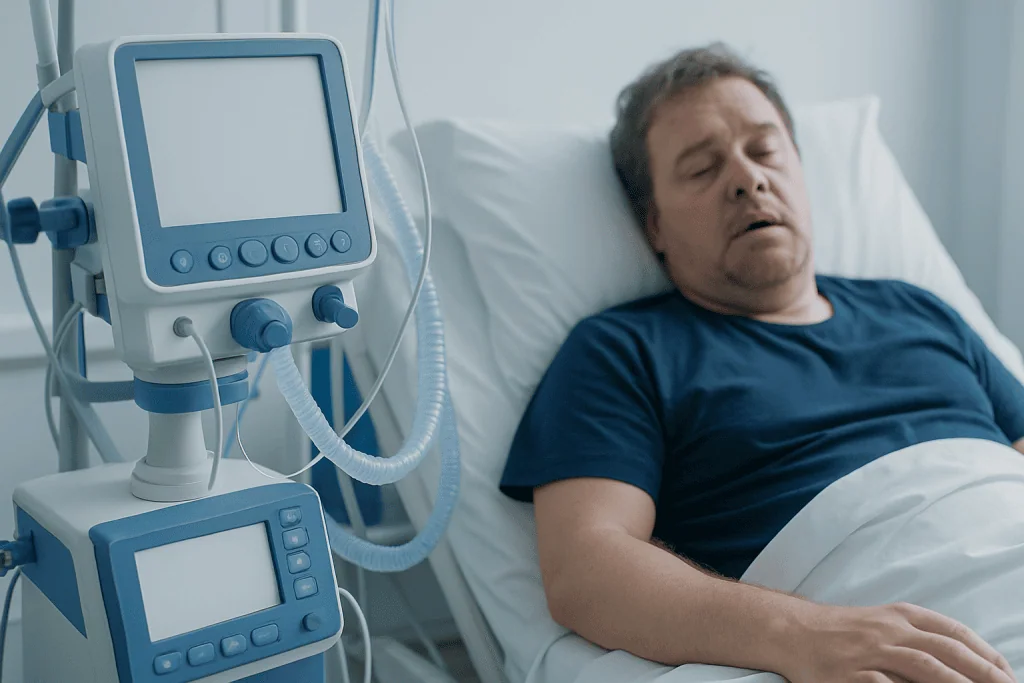
Sleep drunkenness can look different from one person to another. Some people sit up in bed and speak slowly or unclearly. Others may be disoriented, irritable, tearful, or unable to follow a simple conversation. They may return to sleep without remembering the event, particularly when the episode occurs in the first part of the night.
Common features include difficulty waking fully, confusion about time or place, slowed reactions, poor concentration, clumsiness, and incomplete memory of the event. A person may feel as though they are moving through mental fog. They may also have trouble making safe choices, such as preparing food, taking medicines correctly, driving, or responding to an urgent phone call.
Sleep drunkenness differs from ordinary tiredness because the confusion is particularly noticeable right after waking. It also differs from a seizure, fainting, or sudden neurological event, although unusual or persistent symptoms should always be assessed promptly by a clinician.
- Marked grogginess or difficulty becoming alert
- Confusion, disorientation, or delayed responses
- Irritability, agitation, or unusual behavior after waking
- Reduced balance, coordination, or clear speech
- Little or no memory of the episode later
Why It Happens: Sleep Stages, Triggers and Risk Factors

Sleep drunkenness commonly occurs when someone is awakened suddenly from deep non-rapid eye movement sleep. Deep sleep is most concentrated in the earlier part of the night, but it can also occur after a nap or at other times depending on a person’s sleep pattern. An alarm, noise, caregiving demand, or another interruption may trigger an abrupt awakening before the brain has completed its normal transition to alertness.
Not getting enough sleep is a frequent contributor. Shift work, jet lag, irregular schedules, repeated nighttime awakenings, and recovering from sleep loss can all increase the likelihood of severe sleep inertia. Alcohol and recreational drugs may fragment sleep or impair waking, and some medicines can contribute to morning sedation. A clinician can help review whether prescribed or over-the-counter products could be involved; medicines should not be stopped without professional advice.
Sleep drunkenness may also occur alongside sleep disorders that repeatedly disturb sleep, including sleep apnea. It can be associated with other parasomnias, mental health conditions, circadian rhythm sleep-wake disorders, or disorders that cause excessive daytime sleepiness. The presence of sleep drunkenness does not by itself establish any of these diagnoses, but it can be a useful clue during assessment.
Some people may be more susceptible because of family tendencies toward parasomnias or because they have a naturally delayed or irregular sleep schedule. Stress and illness can also worsen sleep quality and make episodes more likely.
How Clinicians Assess Sleep Drunkenness
A clinician usually begins by asking about the timing, frequency, duration, and impact of episodes. Information from a partner, family member, or housemate can be particularly useful because the person affected may not recall the events well. Keeping a sleep diary for one to two weeks may help identify patterns involving bedtime, wake time, naps, work shifts, alcohol use, and symptoms such as snoring or daytime sleepiness.
The assessment may include questions about sleep duration, insomnia, loud snoring, breathing pauses, restless sleep, nightmares, medication use, mood, and medical history. A physical examination and targeted tests may be used when there are signs of another condition. The goal is not simply to label the episodes, but to identify factors that are interrupting restorative sleep or making waking difficult.
For persistent or complex symptoms, a sleep specialist may recommend a sleep study. This can be performed overnight in a sleep laboratory or, in selected situations, at home. A study may help evaluate breathing-related sleep disorders or unusual movements and behaviors during sleep. Testing is chosen individually; many occasional episodes do not require extensive investigations.
Treatment Depends on the Underlying Pattern
There is no single treatment for sleep drunkenness because management depends on why it is happening. When episodes follow sleep deprivation, improving sleep opportunity and maintaining regular timing may be the most effective first steps. If a sleep disorder, medication effect, or mental health concern is contributing, treatment focuses on that underlying issue.
For people with possible obstructive sleep apnea, evaluation and appropriate care can reduce sleep disruption and improve daytime alertness. This may include lifestyle measures, a dental device, or CPAP treatment when clinically appropriate. People who have frequent parasomnia-like behaviors may benefit from specialist guidance on trigger reduction and safety planning.
A doctor may also review sedating medicines, alcohol use, and other substances that can affect sleep and awakening. Changes should be individualized, particularly for medicines used for anxiety, depression, pain, allergy symptoms, or sleep. In some cases, treatment of insomnia, depression, anxiety, or a circadian rhythm problem may improve the overall sleep pattern.
Acibadem International’s multidisciplinary specialists and JCI-accredited hospitals assess sleep concerns and related conditions for international patients, with care plans based on the individual’s symptoms and sleep evaluation.
Practical Steps for Prevention and Safer Mornings
Regular sleep routines are often helpful. Adults should aim for an adequate amount of sleep on most nights and keep wake-up times as consistent as practical, including on days off. A gradual wake-up routine, rather than repeated sudden alarms, may also be useful for some people. Bright light after waking, hydration, and a few calm minutes before important tasks can support the transition to alertness.
Reducing factors that fragment sleep may lower the risk of episodes. This includes limiting alcohol close to bedtime, avoiding recreational drugs, and discussing persistent sleep problems with a healthcare professional. People who work shifts may benefit from individualized scheduling and sleep-planning advice, since irregular hours can be difficult to avoid completely.
Safety matters when episodes are severe. It may be wise to avoid driving, cooking, climbing stairs, operating machinery, or making important decisions until fully alert. Family members can help by waking the person calmly, using simple language, and allowing time for orientation rather than arguing or demanding immediate responses.
- Keep a consistent sleep and wake schedule where possible.
- Allow enough time in bed for restorative sleep.
- Record episodes and possible triggers in a sleep diary.
- Use a calm, gradual waking routine when feasible.
- Delay safety-sensitive tasks until clear thinking and coordination return.
When to Seek Medical Care
Occasional brief grogginess after waking is common. Medical advice is appropriate when sleep drunkenness happens repeatedly, lasts a long time, causes distress, affects work or relationships, or creates a risk of injury. An assessment is also sensible if episodes begin suddenly in adulthood or become noticeably more frequent or severe.
It is especially important to discuss symptoms such as loud habitual snoring, witnessed breathing pauses, choking or gasping during sleep, extreme daytime sleepiness, sudden sleep episodes, or unusual nighttime behaviors. These may suggest a sleep disorder that can be evaluated and treated.
Urgent medical assessment is needed for new confusion that does not improve after waking, confusion with weakness on one side of the body, facial drooping, severe headache, chest pain, fainting, seizure-like activity, or trouble speaking that persists. These symptoms may have causes other than sleep drunkenness and should not be assumed to be sleep-related.
Frequently asked questions
Is sleep drunkenness a real medical condition?
Sleep drunkenness is a commonly used term for intense sleep inertia or a confusional arousal after waking. It can occur occasionally in healthy people, but frequent or disruptive episodes may be related to a sleep disorder or another contributing factor. A clinician can assess the pattern in context.
How long does sleep drunkenness last?
Many episodes improve within minutes as the brain transitions to full wakefulness. The duration can vary depending on sleep deprivation, the sleep stage from which a person wakes, medicines, and underlying sleep conditions. Longer or recurrent episodes are worth discussing with a doctor.
Can sleep deprivation cause sleep drunkenness?
Yes. Insufficient sleep can increase deep-sleep pressure and make abrupt waking more difficult. Catching up on sleep, keeping a regular schedule, and addressing reasons for poor sleep may reduce episodes.
Is sleep drunkenness the same as sleepwalking?
No, although both can be classified as disorders of arousal from non-rapid eye movement sleep. Sleepwalking involves getting out of bed or performing activities while not fully awake. Sleep drunkenness mainly involves confusion and impaired alertness during or after waking.
Can medications cause waking confusion?
Some medicines and substances can cause sedation, alter sleep structure, or make it harder to become fully alert after waking. This includes certain sleep medicines, pain medicines, allergy treatments, and alcohol, among others. A doctor or pharmacist can review possible contributors safely.
Should someone with sleep drunkenness drive in the morning?
A person should not drive until they feel fully awake, oriented, and coordinated. If episodes are unpredictable, prolonged, or occur before essential driving, medical advice is important. Planning extra time after waking can reduce immediate safety risks.
References
- American Academy of Sleep Medicine
- National Heart, Lung, and Blood Institute
- National Institute of Neurological Disorders and Stroke
- Mayo Clinic
- Cleveland Clinic
This article is for general information only and is not a substitute for professional medical advice. Please consult a qualified doctor about your individual situation.
Explore treatments in Turkey — costs, top hospitals & a free quote
JCI-accredited · board-certified surgeons · reply within 24h
Add us as a Preferred Source to see more of our trusted health content across Google Search, AI Overviews and Discover.