Sleep Medicine vs Neurology: What Is the Difference for Patients?

Sleep medicine specializes in diagnosing and treating disorders that affect sleep quality, timing, and breathing during sleep. Neurology focuses on conditions of the brain, spinal cord, nerves, and muscles, some of which can also disturb sleep.
Key Takeaways
- Sleep medicine specializes in diagnosing and treating disorders that affect sleep quality, timing, and breathing during sleep.
- Neurology focuses on conditions of the brain, spinal cord, nerves, and muscles, some of which can also disturb sleep.
- Patients with snoring, insomnia, daytime sleepiness, or suspected sleep apnea often start with a sleep medicine specialist.
- Patients with seizures, stroke symptoms, movement problems, nerve symptoms, or headaches often need a neurologist.
- Some symptoms, such as restless legs, narcolepsy, REM sleep behavior disorder, or sleep-related seizures, may require both specialties.
- Testing may include a sleep study, neurological examination, brain imaging, or other targeted assessments.
Sleep medicine and neurology can overlap, but they are not the same specialty. For patients, the difference usually comes down to whether the main concern is a sleep disorder itself, a brain or nerve condition, or both together.
Overview: how the two specialties differ
When patients compare sleep medicine vs neurology, the simplest explanation is that sleep medicine focuses on disorders of sleep, while neurology focuses on disorders of the brain and nervous system. Both specialties care for conditions that can affect sleep, alertness, thinking, and daily function, so there can be meaningful overlap.
Sleep medicine evaluates problems such as insomnia, obstructive sleep apnea, snoring, excessive daytime sleepiness, narcolepsy, circadian rhythm disorders, parasomnias, and some movement-related sleep complaints. The goal is to understand why sleep is not restorative and how nighttime breathing, sleep stages, or body movements may be contributing.
Neurology, by contrast, diagnoses and treats disorders involving the brain, spinal cord, peripheral nerves, and muscles. This includes conditions such as epilepsy, stroke, migraine, Parkinsonian syndromes, neuropathy, multiple sclerosis, and other neurological illnesses. Many of these conditions can interfere with sleep or cause symptoms that seem like a sleep disorder.
For patients, the difference matters because the right specialist can shorten the path to diagnosis. In some situations, one specialty leads the evaluation; in others, the best care comes from collaboration between sleep physicians and neurologists.
What sleep medicine specialists usually treat
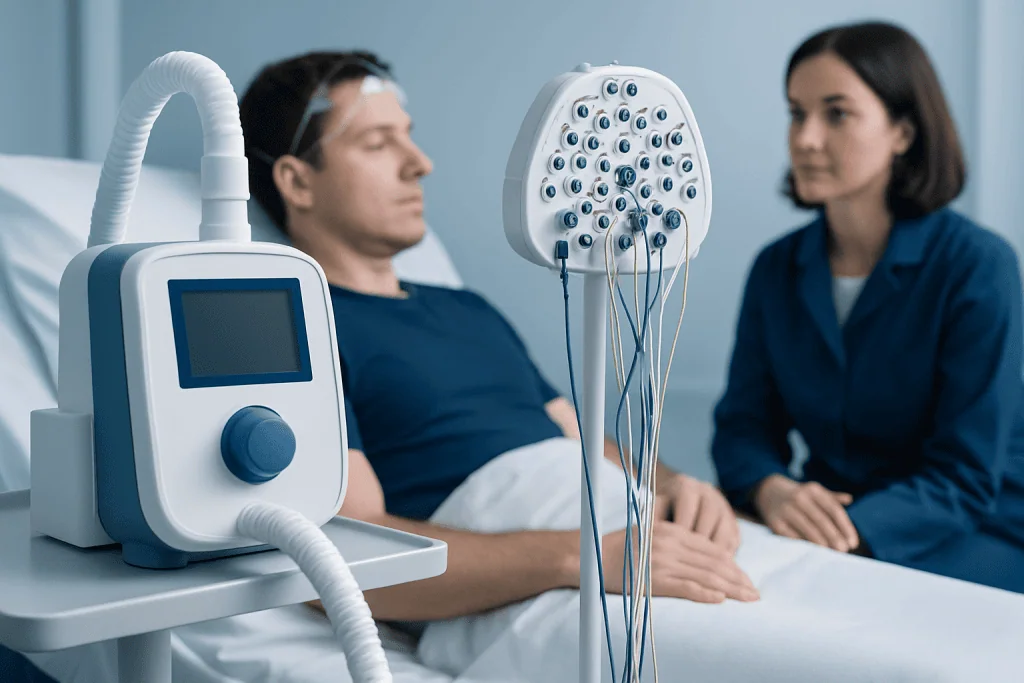
Sleep medicine specialists are trained to identify conditions that disrupt normal sleep patterns, sleep architecture, breathing, or wakefulness. A person may be referred for loud snoring, pauses in breathing during sleep, waking up unrefreshed, trouble falling asleep, frequent awakenings, unusual behaviors during sleep, or persistent tiredness despite adequate time in bed.
Common conditions seen in sleep medicine include sleep apnea, chronic insomnia, central hypersomnia disorders such as narcolepsy, circadian rhythm sleep-wake disorders, parasomnias, and sleep-related movement disorders. In many cases, a detailed sleep history is as important as testing, because symptoms often follow recognizable patterns.
Sleep medicine also looks at lifestyle and medical contributors. Work schedules, shift work, stress, medications, alcohol, caffeine, weight changes, and nasal or airway problems can all affect sleep quality. Treatment may therefore combine behavioral strategies, medical therapy, and device-based care depending on the cause.
When breathing-related sleep disorders are suspected, formal evaluation may include a sleep study to monitor breathing, oxygen levels, heart rhythm, sleep stages, and body movements overnight. This helps clarify whether the main issue is sleep apnea, periodic limb movements, parasomnia, or another condition.
What neurologists usually treat

Neurologists assess symptoms that point to problems in the nervous system. These may include weakness, numbness, balance problems, tremor, seizures, memory changes, severe or recurring headaches, abnormal movements, speech difficulty, or changes in consciousness. Although some of these symptoms may appear during sleep or on waking, the underlying concern is often neurological rather than purely sleep-related.
For example, a patient who thrashes during sleep may have a parasomnia, but another patient may be having nocturnal seizures. A person with daytime sleepiness may have poor sleep, but similar fatigue can also occur with neurological diseases, medication effects, or disorders of the neuromuscular system. Neurology helps sort out these possibilities.
Neurologists commonly diagnose conditions such as epilepsy, migraine, neuropathy, dementia syndromes, movement disorders, and neurodegenerative illnesses. Some of these are strongly linked with disturbed sleep, including Parkinsonian disorders, epilepsy, and Parkinson's disease.
If a neurological disorder is suspected, testing may include a neurological examination, brain or spine imaging, nerve studies, blood tests, cognitive assessment, or an electroencephalogram. The aim is to identify whether sleep symptoms are a primary disorder or a result of an underlying neurological condition.
Where sleep medicine and neurology overlap
The two fields meet in an area often called neurological sleep medicine. This overlap is especially important when sleep problems are closely connected to brain function, movement, behavior, or electrical activity in the brain. In these cases, a patient may benefit from a specialist with expertise in both sleep disorders and neurology, or from a coordinated team.
Examples include narcolepsy, REM sleep behavior disorder, restless legs syndrome, periodic limb movement disorder, sleep-related epilepsy, and certain hypersomnia conditions. Some parasomnias can resemble seizures, while some seizures happen mainly during sleep. Distinguishing between them is essential because the treatments are different.
Movement disorders also illustrate the overlap. A patient with nighttime kicking or uncomfortable leg sensations may first think the issue is simply poor sleep, yet the cause may relate to a neurological movement disorder. Likewise, REM sleep behavior disorder can sometimes be associated with underlying neurodegenerative processes, so careful evaluation matters.
In practical terms, this means patients do not always need to know the exact diagnosis before seeking care. What matters most is describing the symptoms clearly, including when they happen, whether there are witnessed events during sleep, and how daytime function is affected.
How patients can tell which specialist they may need
A sleep medicine specialist may be the best starting point if the main concerns are snoring, witnessed breathing pauses, waking up gasping, chronic insomnia, shift-work related sleep problems, unexplained daytime sleepiness, or unusual behaviors that happen mainly during sleep. These patterns often suggest a primary sleep disorder.
A neurologist may be more appropriate if symptoms include seizures, fainting-like spells, sudden weakness, numbness, persistent balance problems, tremor, severe recurrent headaches, memory decline, or episodes of confusion. These symptoms suggest a disorder of the brain or nervous system, even if sleep is also affected.
Some signs point to either specialty depending on the full picture. Restless legs, vivid dream-enactment behaviors, repeated jerking movements, or events that look like nighttime seizures may call for both sleep and neurological expertise. A primary care doctor can help direct the referral if the next step is unclear.
Patients can make the visit more useful by keeping a symptom diary. Helpful details include bedtime and wake time, naps, snoring, medication use, caffeine and alcohol intake, witnessed breathing pauses, unusual sleep behaviors, and any daytime concentration or safety problems.
How diagnosis is made
Diagnosis begins with a careful history. The doctor will ask about the timing of symptoms, sleep schedule, sleep environment, work hours, stress, current medications, and medical conditions. Information from a bed partner or family member can be especially valuable when the patient is unaware of snoring, pauses in breathing, leg movements, or unusual nighttime behaviors.
In sleep medicine, common diagnostic tools include sleep questionnaires, sleep logs, actigraphy in selected cases, and overnight testing. Depending on the concern, a person may undergo polysomnography or home sleep apnea testing. These tests can identify breathing disturbances, low oxygen levels, limb movements, and abnormal behaviors during different sleep stages.
In neurology, the evaluation often includes a complete neurological examination and, if needed, tests such as electroencephalography, MRI, CT, nerve conduction studies, or laboratory work. If the question is whether nighttime events are seizures or parasomnias, combined sleep and brain-wave monitoring may be helpful.
Sometimes the diagnosis is not immediate, especially when symptoms overlap. Follow-up visits, repeat testing, or review by both specialties may be needed to reach a clear conclusion. This process can feel gradual, but it helps ensure the treatment plan matches the true cause of symptoms.
Treatment options and coordinated care
Treatment depends on the diagnosis rather than the specialty name alone. In sleep medicine, treatment may include sleep hygiene guidance, cognitive behavioral therapy for insomnia, treatment of nasal or airway contributors, wakefulness-promoting strategies for hypersomnia disorders, and device-based care such as CPAP therapy for obstructive sleep apnea.
Neurological treatment may involve anti-seizure medicines, migraine treatment, management of movement disorders, treatment of neuropathy, or care for neurodegenerative conditions. In some patients, improving the neurological disorder also improves sleep. In others, sleep-specific treatment is needed in parallel because poor sleep can worsen headaches, cognition, mood, and daytime function.
Coordinated care is particularly useful when symptoms cross specialty boundaries. A patient with Parkinsonian symptoms and dream-enactment behaviors, or a patient with nighttime spells that might be epilepsy or parasomnia, may need both a neurologist and a sleep physician. Shared decision-making helps prioritize the safest and most effective plan.
Near the end of the evaluation journey, some patients seek care at centers with multiple related specialties in one place. Acibadem International’s multidisciplinary specialists and JCI-accredited hospitals diagnose and treat sleep and neurological conditions for international patients when coordinated assessment is needed.
When to seek medical advice
Medical advice is important when sleep problems are persistent, disrupt daily life, or raise safety concerns. A person should not ignore loud snoring with witnessed pauses in breathing, frequent waking up choking or gasping, excessive daytime sleepiness while driving, sudden sleep episodes, or repeated unusual behaviors during sleep.
Urgent assessment is needed for symptoms that suggest a neurological emergency, such as sudden weakness on one side, new confusion, severe sudden headache, seizures, fainting, chest pain, or trouble speaking. These are not typical routine sleep complaints and should be evaluated promptly.
Even when symptoms are less urgent, seeking help can improve quality of life. Poor sleep can affect mood, concentration, memory, blood pressure, and overall health. Early evaluation may also identify treatable problems before they become more disruptive.
Patients do not need to decide alone whether the issue belongs to sleep medicine or neurology. Starting with a primary care doctor, sleep specialist, or neurologist based on the dominant symptoms is often enough, and referrals can be adjusted as the evaluation becomes clearer.
Frequently asked questions
Is sleep medicine the same as neurology?
No. Sleep medicine focuses on disorders of sleep, such as insomnia, sleep apnea, narcolepsy, and parasomnias, while neurology focuses on disorders of the brain and nervous system. The two specialties overlap when neurological conditions affect sleep or when sleep symptoms may have a neurological cause.
Should a patient with insomnia see a neurologist or a sleep specialist?
Most patients with persistent insomnia start with a sleep medicine specialist or a primary care doctor. A neurologist may become involved if there are additional symptoms such as seizures, abnormal movements, memory changes, or other signs of a neurological disorder.
Who treats sleep apnea: neurology or sleep medicine?
Sleep apnea is usually evaluated and treated within sleep medicine, sometimes alongside ENT, pulmonary, or other specialists depending on the cause. Neurology is not typically the first specialty for common obstructive sleep apnea unless a neurological issue is also suspected.
Can a neurological problem cause poor sleep?
Yes. Conditions such as epilepsy, Parkinsonian disorders, neuropathy, headache disorders, and some neurodegenerative diseases can interfere with sleep quality, timing, or nighttime behavior. Treating the neurological condition may help, but some patients also need targeted sleep treatment.
What symptoms suggest a patient may need both specialties?
Symptoms such as dream-enactment behaviors, nighttime shaking or spells, unexplained daytime sleepiness, restless legs, repeated jerking during sleep, or events that could be seizures or parasomnias may require both sleep and neurological evaluation. Collaboration can help avoid misdiagnosis when symptoms overlap.
What tests might be done to tell the difference?
The doctor may use a sleep history, questionnaires, and an overnight sleep study to look for breathing problems, movements, or abnormal sleep behaviors. If a neurological cause is possible, the evaluation may also include a neurological examination, brain imaging, or an EEG to assess brain activity.
References
- American Academy of Sleep Medicine
- American Academy of Neurology
- National Institute of Neurological Disorders and Stroke
- National Heart, Lung, and Blood Institute
- Mayo Clinic
This article is for general information only and is not a substitute for professional medical advice. Please consult a qualified doctor about your individual situation.
Sleep Medicine in Turkey — costs, top hospitals & a free quote
JCI-accredited · board-certified surgeons · reply within 24h
Add us as a Preferred Source to see more of our trusted health content across Google Search, AI Overviews and Discover.