Sleep Paralysis: Is It a Sign of Narcolepsy?

Sleep paralysis is usually brief and often harmless, though it can feel frightening. It can occur on its own or as part of a sleep disorder such as narcolepsy.
Key Takeaways
- Sleep paralysis is usually brief and often harmless, though it can feel frightening.
- It can occur on its own or as part of a sleep disorder such as narcolepsy.
- Narcolepsy is more likely when sleep paralysis happens with excessive daytime sleepiness, vivid dream-like experiences, or cataplexy.
- Sleep history, physical examination, and sleep studies can help clarify the cause.
- Good sleep habits may reduce episodes, but persistent or disruptive symptoms deserve medical advice.
Sleep paralysis is a brief episode of being awake but unable to move, usually as a person falls asleep or wakes up. It is not always a sign of narcolepsy, but frequent episodes together with strong daytime sleepiness or sudden loss of muscle tone should be assessed by a doctor.
Overview: what sleep paralysis means
Sleep paralysis is a temporary inability to move or speak that happens when a person is falling asleep or waking up. During an episode, the person is conscious or partly conscious but cannot control their muscles for a short time. Breathing usually continues normally, although the experience may feel intense and unsettling.
This happens because the brain and body are briefly out of sync during transitions in and out of rapid eye movement, or REM, sleep. In REM sleep, the body naturally enters a state of muscle relaxation that helps prevent acting out dreams. If awareness returns before full muscle control does, sleep paralysis can occur.
Many people have one or a few episodes at some point in life without having a major sleep disorder. In others, repeated episodes may be associated with sleep deprivation, irregular sleep schedules, stress, or a condition such as narcolepsy. Understanding the full pattern of symptoms is the key to knowing whether further evaluation is needed.
Is sleep paralysis a sign of narcolepsy?
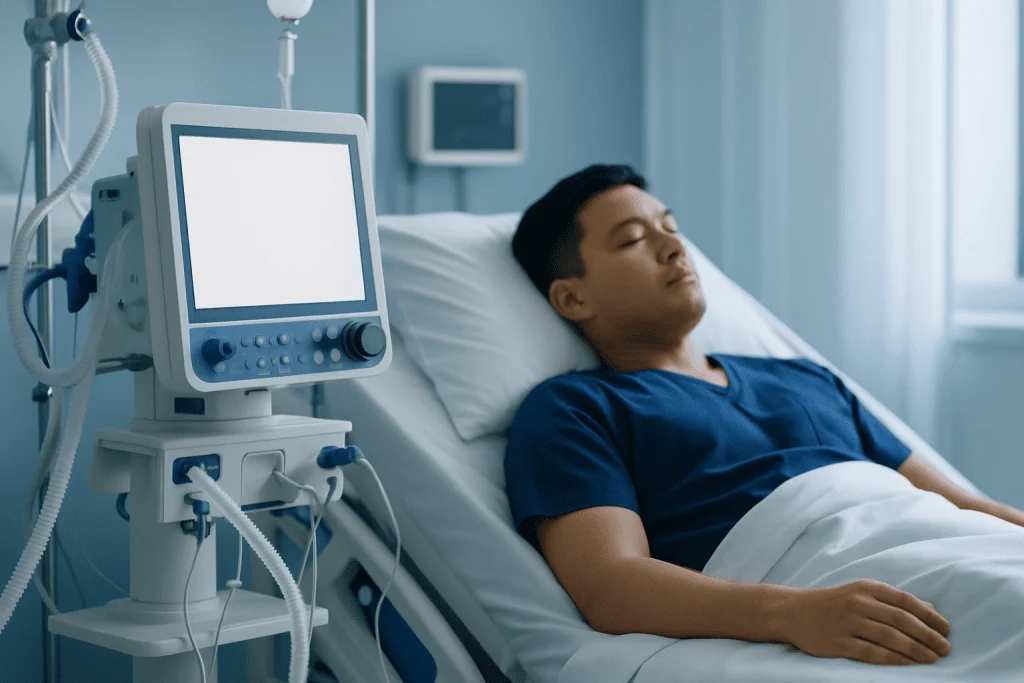
Sleep paralysis can be a feature of narcolepsy, but it is not automatically a sign of it. Narcolepsy is a neurological sleep disorder that affects how the brain regulates sleep and wakefulness. People with narcolepsy often enter REM sleep unusually quickly, which can lead to symptoms linked to REM sleep intruding into waking life.
The symptom most strongly associated with narcolepsy is excessive daytime sleepiness. A person may feel overwhelmingly sleepy during the day even after a full night in bed. Other symptoms can include vivid dream-like hallucinations when falling asleep or waking, fragmented nighttime sleep, and in some people cataplexy, which is a sudden brief loss of muscle tone triggered by emotions such as laughter or surprise.
In other words, sleep paralysis alone is not enough to diagnose narcolepsy. The question becomes more important when episodes are frequent, distressing, or appear together with daytime sleep attacks, cataplexy, or other REM-related symptoms. In those situations, a sleep specialist may recommend further assessment to look for narcolepsy or another sleep disorder.
Symptoms and what an episode can feel like

A typical episode of sleep paralysis lasts seconds to a few minutes. The person may feel awake but unable to move the arms, legs, body, or speak. Some people can move their eyes, and many are able to breathe on their own, though breathing may feel shallow or restricted because the chest muscles feel heavy.
Episodes are often accompanied by vivid sensory experiences. These may include hearing sounds, sensing a presence in the room, feeling pressure on the chest, or seeing shadowy or dream-like images. These experiences can be very realistic because the brain is partly in a dream state while awareness is returning.
Common features include:
- Inability to move or speak for a brief time
- Episodes occurring when falling asleep or waking up
- Fear, panic, or a sense of pressure
- Vivid visual, auditory, or touch-like hallucinations
- Quick recovery with normal movement afterward
Although these episodes can be frightening, they usually do not cause physical harm. The main concern is the effect on sleep quality, anxiety around sleep, and whether the episodes point to another condition that should be evaluated.
Causes and risk factors
Sleep paralysis is linked to REM sleep regulation. It is more likely when sleep is fragmented or irregular. Common triggers include sleep deprivation, shift work, jet lag, sleeping at inconsistent times, or sleeping on the back. Emotional stress, anxiety, and some mental health conditions may also increase the chance of episodes in some people.
Not all causes are serious. Many otherwise healthy people develop isolated sleep paralysis during periods of poor sleep or high stress. Improving the sleep schedule may reduce or stop the episodes. However, repeated events can also occur with sleep disorders such as narcolepsy and sometimes with obstructive sleep apnea.
Doctors may consider other possible contributors too, including medications, substance use, and coexisting sleep conditions. When snoring, pauses in breathing, gasping at night, or unrefreshing sleep are present, evaluation may include checking for related problems such as sleep apnea.
Risk factors that may make sleep paralysis more likely include:
- Irregular sleep schedule or lack of sleep
- Stress, anxiety, or emotional strain
- Family history of similar episodes
- Narcolepsy or other sleep disorders
- Sleeping in a supine, or on-the-back, position
How doctors diagnose the cause
Diagnosis starts with a detailed medical and sleep history. The doctor will ask when the episodes occur, how often they happen, how long they last, and whether there are other symptoms such as overwhelming daytime sleepiness, sudden muscle weakness, vivid hallucinations, snoring, or breathing pauses. A sleep diary may be helpful, especially if the pattern is unclear.
A physical examination may be done to look for signs of other conditions that could affect sleep. In many people with occasional isolated sleep paralysis, no extensive testing is needed. If symptoms suggest narcolepsy or another sleep disorder, a sleep specialist may recommend formal sleep testing.
Tests can include an overnight sleep study called polysomnography to monitor breathing, brain activity, oxygen levels, and movement during sleep. A daytime nap test called the multiple sleep latency test may follow in selected cases to see how quickly a person falls asleep and whether REM sleep begins unusually early. These tests help distinguish narcolepsy from sleep deprivation, sleep apnea, and other causes of daytime sleepiness.
Treatment options and managing symptoms
Treatment depends on the cause. If sleep paralysis happens on its own and only occasionally, reassurance and sleep habit changes may be enough. Learning that the episodes are temporary and related to REM sleep can reduce fear, which in turn may lessen the cycle of anxiety and poor sleep.
If a doctor suspects narcolepsy, treatment focuses on the broader disorder rather than only the paralysis episodes. This may include behavioral strategies, scheduled naps, and medicines chosen by a qualified clinician to improve daytime alertness or control REM-related symptoms. If another disorder is found, treatment is directed at that condition. For example, addressing airway obstruction through sleep apnea treatment may help when breathing-related sleep disruption is part of the picture.
In some cases, referral for sleep disorder treatment is appropriate when symptoms are persistent, unclear, or affecting daily life. People who experience severe anxiety around sleep may also benefit from supportive counseling or therapy, especially if worry itself is worsening sleep quality.
Anyone considering treatment should speak with a qualified doctor rather than self-diagnosing based on internet information alone. Several sleep conditions can overlap, and the best approach depends on the whole symptom pattern.
Prevention and self-care
Self-care often starts with improving sleep consistency. Going to bed and waking at similar times every day can support a steadier sleep-wake rhythm. Many people find that episodes become less frequent when they allow enough time for sleep and avoid staying up very late.
Helpful habits may include limiting alcohol before bed, reducing caffeine late in the day, and creating a calm bedtime routine. Managing stress through relaxation techniques, regular daytime activity, or mindfulness may also help. If episodes happen mainly while sleeping on the back, changing sleep position may be worth trying.
Practical self-care steps include:
- Keep a regular sleep schedule, including weekends
- Aim for enough nightly sleep for age and lifestyle
- Limit sleep disruption from screens, alcohol, and late caffeine
- Track episodes and daytime symptoms in a diary
- Seek medical advice if sleepiness or cataplexy-like events appear
For people needing specialist evaluation, centers experienced in sleep medicine can coordinate testing and follow-up. Near the end of the care pathway, it may be reassuring to know that Acibadem International’s multidisciplinary specialists and JCI-accredited hospitals diagnose and treat sleep-related conditions for international patients.
When to see a doctor
Occasional sleep paralysis is common and may not require urgent care. Still, medical advice is a good idea if episodes are happening often, causing significant fear, or affecting sleep quality and daytime function. It is especially important to seek evaluation if there is strong daytime sleepiness, sudden loss of muscle tone, or frequent vivid hallucinations around sleep.
A doctor should also be consulted if there are signs of another sleep problem, such as loud snoring, witnessed pauses in breathing, choking or gasping during sleep, morning headaches, or persistent unrefreshing sleep. These symptoms can point to conditions that may need treatment rather than simple reassurance.
Urgent evaluation may be needed if symptoms are new and severe, if weakness happens outside sleep transitions, or if episodes are confused with fainting, seizures, or other neurological problems. A qualified clinician can help sort out whether the cause is isolated sleep paralysis, narcolepsy, or a different condition entirely.
Frequently asked questions
Can sleep paralysis happen without narcolepsy?
Yes. Many people experience isolated sleep paralysis without having narcolepsy or another serious disorder. It is often linked to sleep deprivation, irregular sleep schedules, stress, or sleeping on the back.
How can someone tell the difference between sleep paralysis and narcolepsy?
Sleep paralysis is one symptom, while narcolepsy is a broader sleep-wake disorder. Narcolepsy usually includes excessive daytime sleepiness and may also involve cataplexy, vivid hallucinations around sleep, and disrupted nighttime sleep.
Is sleep paralysis dangerous?
Sleep paralysis is usually not physically dangerous and typically ends on its own within minutes. The main impact is often fear, poor sleep, or anxiety about future episodes. Persistent symptoms should still be discussed with a doctor.
What should a person do during a sleep paralysis episode?
It may help to focus on slow breathing and remember that the episode is temporary. Some people find it useful to concentrate on moving a small muscle, such as a finger or toe, until full movement returns. Afterward, noting the timing and circumstances can help identify patterns.
When is testing for narcolepsy needed?
Testing is usually considered when sleep paralysis comes with marked daytime sleepiness, sudden muscle weakness triggered by emotions, or frequent REM-related hallucinations. A doctor may recommend an overnight sleep study and sometimes a daytime nap test to clarify the diagnosis.
Can better sleep habits reduce sleep paralysis?
Often, yes. Regular sleep times, getting enough rest, limiting alcohol, and reducing stress may lower the chance of episodes in some people. If symptoms continue despite these changes, a medical evaluation is sensible.
References
- American Academy of Sleep Medicine
- National Institute of Neurological Disorders and Stroke
- National Heart, Lung, and Blood Institute
- Mayo Clinic
- Cleveland Clinic
This article is for general information only and is not a substitute for professional medical advice. Please consult a qualified doctor about your individual situation.
Narcolepsy in Turkey — costs, top hospitals & a free quote
JCI-accredited · board-certified surgeons · reply within 24h
Add us as a Preferred Source to see more of our trusted health content across Google Search, AI Overviews and Discover.