Sleep Problems After Stroke: Causes, Warning Signs, and Recovery Support
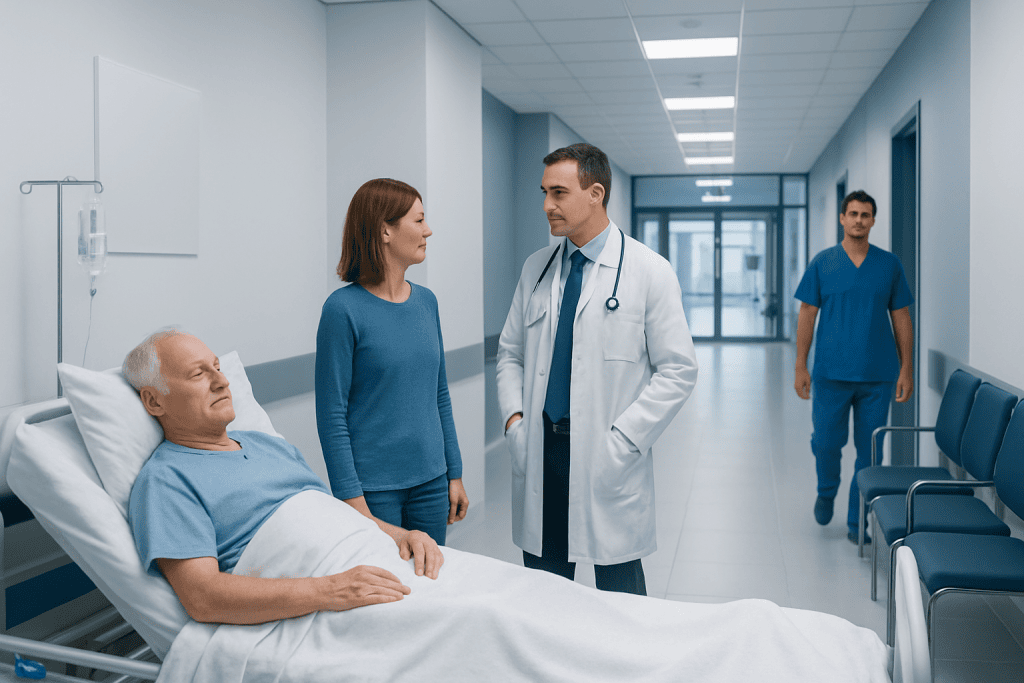
Sleep problems after stroke may include insomnia, daytime sleepiness, sleep apnea, restless legs, and disrupted sleep-wake cycles. Poor sleep can slow rehabilitation, worsen concentration and mood, and reduce quality of life.
Key Takeaways
- Sleep problems after stroke may include insomnia, daytime sleepiness, sleep apnea, restless legs, and disrupted sleep-wake cycles.
- Poor sleep can slow rehabilitation, worsen concentration and mood, and reduce quality of life.
- Post-stroke sleep issues may result from brain injury, breathing problems during sleep, pain, medications, anxiety, or depression.
- Assessment may involve a sleep history, stroke review, medication review, and sometimes a sleep study.
- Treatment depends on the cause and may include sleep habit changes, rehabilitation support, treatment of sleep apnea, and management of mood or pain.
Sleep problems after stroke are common and can affect energy, mood, thinking, and rehabilitation progress. With proper evaluation and support, many post-stroke sleep issues can be identified and managed as part of recovery.
Overview
Sleep problems after stroke are very common. They may begin soon after the stroke or appear later during recovery. Some people have trouble falling asleep, while others wake often, feel unusually sleepy during the day, or have breathing interruptions during sleep.
Healthy sleep plays an important role in brain recovery. Sleep supports attention, memory, emotional balance, and physical healing. When sleep is poor, rehabilitation can feel harder, and daily tasks may take more effort.
Post-stroke sleep problems are not all the same. They can include insomnia, obstructive sleep apnea, fragmented sleep, restless legs symptoms, changes in the body clock, and excessive daytime sleepiness. In some cases, family members notice snoring, pauses in breathing, or unusual nighttime behaviors before the person does.
Because these symptoms are common and treatable, it is helpful to discuss them early with a doctor. Sleep care is often one part of broader stroke recovery and may involve neurology, rehabilitation, sleep medicine, and mental health support.
Symptoms and Warning Signs
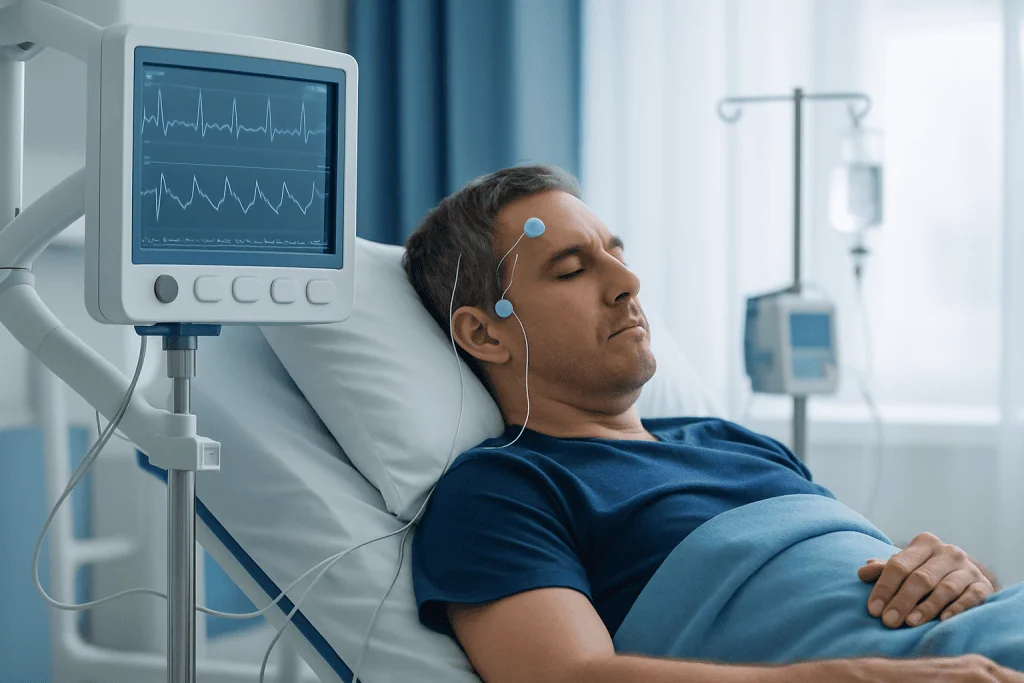
Sleep symptoms after stroke can be obvious or subtle. Some people mainly notice fatigue, irritability, or difficulty concentrating during the day rather than a clear nighttime problem. Others feel that they sleep for many hours but still do not wake refreshed.
Symptoms that may suggest a sleep problem after stroke include:
- Difficulty falling asleep or staying asleep
- Waking too early and being unable to return to sleep
- Loud snoring or witnessed pauses in breathing
- Gasping, choking, or morning headaches
- Excessive daytime sleepiness or frequent naps
- Restless, uncomfortable leg sensations at night
- Confusion about day and night, especially after hospitalization
- Low mood, anxiety, poor attention, or slower thinking linked with poor sleep
Some warning signs deserve prompt medical attention. These include new or rapidly worsening confusion, severe breathing problems during sleep, repeated falls due to sleepiness, or sudden neurological symptoms such as new weakness, speech difficulty, facial drooping, or vision changes. These symptoms should not be assumed to be only a sleep issue.
Caregivers can be very helpful in spotting patterns. A partner may notice snoring, jerking movements, unusual behaviors, or breathing pauses that the person affected does not remember.
Causes and Risk Factors

Sleep problems after stroke can happen for more than one reason. The stroke itself may affect brain areas that help regulate the sleep-wake cycle, breathing, movement, mood, or alertness. Depending on the stroke’s location and severity, a person may develop fragmented sleep, daytime sleepiness, or changes in normal sleep timing.
One important cause is sleep-disordered breathing, especially obstructive sleep apnea. In this condition, the airway narrows or closes repeatedly during sleep, leading to snoring, breathing pauses, and drops in oxygen levels. Sleep apnea may have existed before the stroke, but it often becomes more noticeable afterward and can interfere with recovery if left untreated.
Other common contributors include pain, muscle stiffness, frequent urination, reflux, hospital routines, limited mobility, anxiety, depression, and certain medications. Emotional stress after a major health event can also keep the mind alert at night. Some people become less active during recovery, which can make nighttime sleep lighter and more irregular.
Risk factors vary from person to person. Older age, obesity, prior sleep apnea, heart and vascular disease, mood symptoms, and reduced mobility may all increase risk. People recovering from sleep apnea or suspected breathing-related sleep problems may need a formal sleep evaluation as part of stroke follow-up.
How Doctors Diagnose Sleep Problems After Stroke
Diagnosis begins with a careful conversation about symptoms, stroke history, and current recovery. A doctor may ask about bedtime habits, snoring, naps, breathing pauses, leg discomfort, nighttime awakenings, mood changes, and daytime functioning. Input from a family member or caregiver is often very useful.
A medication review is also important. Some medicines can cause drowsiness, vivid dreams, insomnia, or frequent urination. The doctor may also look for pain, depression, anxiety, reflux, and other medical issues that can disturb sleep.
If sleep apnea or another sleep disorder is suspected, further testing may be recommended. This may include an overnight sleep study to monitor breathing, oxygen levels, heart rhythm, limb movements, and sleep stages. In some situations, home-based testing may be considered, but the best choice depends on the person’s condition and the doctor’s judgment.
Diagnosis may also involve rehabilitation or neurological assessment, especially when fatigue, cognition, balance, and daily function are affected. The goal is not only to name the sleep problem, but also to understand how it is influencing recovery and safety.
Treatment Options and Recovery Support
Treatment depends on the type of sleep problem and its cause. For many people, the best plan combines medical care, rehabilitation, and practical sleep support at home. Addressing sleep can improve participation in therapy, daytime energy, attention, and overall quality of life.
If obstructive sleep apnea is diagnosed, treatment may include CPAP therapy, which helps keep the airway open during sleep. Doctors may also recommend position changes during sleep, weight management when appropriate, and treatment of nasal blockage or other contributing factors. When breathing-related sleep issues are significant, sleep-focused care may be an important part of stroke rehabilitation.
For insomnia or fragmented sleep, doctors usually start by identifying triggers such as pain, anxiety, medication effects, or poor sleep habits. Strategies may include a regular sleep schedule, limiting late caffeine, reducing long daytime naps, increasing daytime light exposure, and building activity into the rehabilitation day as tolerated. In selected cases, clinicians may consider short-term medication, but this should be individualized because some sleep medicines can increase confusion or fall risk.
Restless legs symptoms, mood disorders, nighttime urination, and chronic pain can also be treated when present. Depending on needs, the care team may include neurologists, sleep specialists, physiatrists, psychologists, and rehabilitation therapists. Near the end of recovery planning, some patients may benefit from coordinated care at centers such as Acibadem International, where multidisciplinary specialists and JCI-accredited hospitals evaluate and treat international patients.
Prevention and Self-care
Not every sleep problem after stroke can be prevented, but healthy routines can make sleep more stable and support recovery. Small, consistent habits are often more helpful than trying many changes at once. A doctor or rehabilitation team can help tailor advice to a person’s abilities and safety needs.
Helpful self-care steps may include:
- Keeping a regular sleep and wake time each day
- Getting morning daylight exposure when possible
- Staying physically active within rehabilitation guidance
- Limiting caffeine late in the day and avoiding alcohol close to bedtime
- Creating a quiet, dark, comfortable sleep environment
- Avoiding long or late naps if they worsen nighttime sleep
- Taking medicines at the times recommended by the doctor
- Tracking symptoms such as snoring, breathing pauses, or restless legs sensations
Caregivers can support these efforts by helping maintain routines, noticing patterns, and reporting concerns. They can also help create a calmer evening routine and reduce unnecessary nighttime interruptions when possible.
It is important not to self-medicate with over-the-counter sleep products without medical advice, especially after stroke. Some products may interact with medicines or worsen confusion, dizziness, or balance problems.
When to See a Doctor
A doctor should be consulted if sleep problems last more than a few weeks, interfere with rehabilitation, or cause distress for the person or family. Evaluation is also important if there is loud snoring, observed pauses in breathing, choking during sleep, severe daytime sleepiness, unusual nighttime movements, or persistent insomnia.
Medical review is especially important when poor sleep is linked with falls, memory difficulties, depression, irritability, or trouble participating in therapy. Sleep symptoms are not just a comfort issue; they can affect safety and recovery progress.
Emergency care is needed for possible signs of another stroke or urgent medical problem. These include sudden weakness, numbness, trouble speaking, facial drooping, severe shortness of breath, chest pain, or a sudden major change in awareness.
Early attention can make a meaningful difference. Many post-stroke sleep disorders can be improved once the cause is identified, and treatment may help the person feel more alert, engaged, and supported during recovery.
Frequently asked questions
Are sleep problems common after stroke?
Yes. Many people experience changes in sleep after a stroke, including insomnia, daytime sleepiness, or breathing-related sleep problems. These issues are common and should be discussed with a doctor because they can affect recovery.
Can sleep apnea happen after stroke?
Yes, sleep apnea is common in people who have had a stroke. It may have been present before the stroke or become more noticeable afterward, and treating it can support better sleep and rehabilitation.
Why is sleep important during stroke recovery?
Sleep supports brain function, mood, memory, and physical healing. Poor sleep can make therapy harder, worsen fatigue, and reduce concentration and motivation during recovery.
What kind of doctor helps with post-stroke sleep problems?
Care may involve a neurologist, rehabilitation doctor, primary care physician, or sleep specialist. The right team depends on the symptoms, such as insomnia, daytime sleepiness, or suspected sleep apnea.
Can medicines used after stroke affect sleep?
Yes, some medicines can contribute to insomnia, vivid dreams, drowsiness, or nighttime bathroom trips. A doctor can review medications and decide whether timing or treatment changes may help.
Is it safe to use over-the-counter sleep aids after stroke?
Not always. Some sleep products may cause confusion, dizziness, or interactions with prescription medicines, so they should only be used after medical advice. This is especially important for older adults and people with balance concerns.
References
- World Health Organization
- American Stroke Association
- American Academy of Sleep Medicine
- National Institute of Neurological Disorders and Stroke
- National Heart, Lung, and Blood Institute
This article is for general information only and is not a substitute for professional medical advice. Please consult a qualified doctor about your individual situation.
Explore treatments in Turkey — costs, top hospitals & a free quote
JCI-accredited · board-certified surgeons · reply within 24h
Add us as a Preferred Source to see more of our trusted health content across Google Search, AI Overviews and Discover.