

Sleep Problems in Addiction Recovery: Why They Happen and What Can Help

Sleep difficulties are common in addiction recovery and do not necessarily mean recovery is failing. Changes in brain chemistry, withdrawal, stress, and mental health conditions can all disrupt sleep.
Key Takeaways
- Sleep difficulties are common in addiction recovery and do not necessarily mean recovery is failing.
- Changes in brain chemistry, withdrawal, stress, and mental health conditions can all disrupt sleep.
- Good sleep supports mood, concentration, and relapse prevention.
- Persistent insomnia, nightmares, or breathing-related sleep symptoms should be assessed by a doctor.
- Treatment may include sleep hygiene, therapy, management of coexisting conditions, and carefully chosen medical care.
Sleep problems are very common during addiction recovery, especially in the first weeks and months after stopping alcohol or drugs. They often improve with time, but proper evaluation, healthy sleep habits, and targeted treatment can make recovery safer and more manageable.
Overview
Sleep problems in addiction recovery are common and often expected. Many people notice trouble falling asleep, waking often during the night, vivid dreams, nightmares, early morning waking, or feeling unrefreshed even after enough time in bed. These symptoms can happen after stopping alcohol, opioids, stimulants, cannabis, sedatives, or other substances.
Substance use can change the body’s natural sleep-wake rhythm. During active use, some substances may make a person feel sleepy, while others delay sleep or reduce sleep quality. After stopping, the brain and nervous system need time to adjust. This transition can temporarily disturb normal sleep patterns, sometimes for weeks or months.
Although this phase can be frustrating, it does not mean recovery is going badly. In many cases, sleep gradually improves as the body heals. At the same time, untreated insomnia can affect mood, concentration, energy, and motivation, so it deserves attention as part of overall recovery care.
Symptoms and How Sleep Problems May Feel
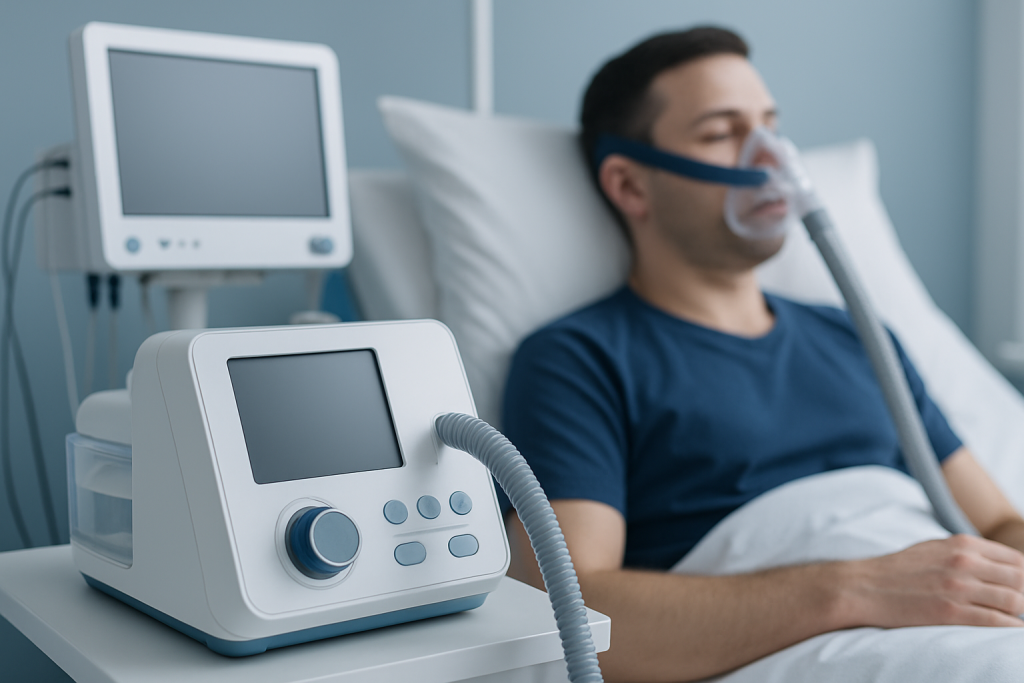
Sleep difficulties during recovery can show up in different ways. Some people cannot fall asleep, even when they feel tired. Others fall asleep easily but wake several times during the night or wake too early and cannot return to sleep. Some experience restless sleep, sweating, vivid dreams, or nightmares.
Daytime symptoms are also important. Poor sleep may lead to irritability, low mood, trouble focusing, slower thinking, reduced stress tolerance, headaches, or daytime sleepiness. In early recovery, these effects can make work, relationships, and treatment participation feel harder.
Common symptoms may include:
- Difficulty falling asleep
- Frequent waking during the night
- Early morning awakening
- Restless or light sleep
- Vivid dreams or nightmares
- Daytime fatigue or sleepiness
- Poor concentration and memory
- Worsening anxiety or low mood
Because sleep symptoms can overlap with anxiety, depression, trauma-related conditions, or medical disorders, a full assessment is often helpful when sleep problems persist.
Why Sleep Problems Happen During Recovery

There is no single cause of sleep problems in addiction recovery. A major reason is that alcohol and drugs can alter neurotransmitters involved in sleep regulation, such as GABA, dopamine, serotonin, and norepinephrine. Once substance use stops, the brain must recalibrate. During this period, normal sleep architecture, including deep sleep and REM sleep, may remain disrupted.
Withdrawal can also play a direct role. Alcohol withdrawal may cause insomnia, sweating, and vivid dreams. Stimulant withdrawal can bring fatigue at first, followed by irregular sleep. Opioid and sedative withdrawal may lead to restlessness and poor sleep quality. Even after the acute withdrawal phase ends, sleep may stay unsettled for some time.
Emotional and behavioral factors often add to the problem. Stress about staying sober, changes in routine, relationship strain, cravings, and fear of relapse can keep the mind active at night. Coexisting mental health conditions such as anxiety, depression, or post-traumatic stress disorder may also contribute. In some people, the issue is not only insomnia but an untreated sleep disorder such as sleep apnea or restless legs syndrome.
Other practical factors can worsen sleep, including caffeine, nicotine, irregular bedtimes, late screen use, lack of exercise, pain, and certain medicines. Understanding which factors are present helps guide the most effective treatment plan.
Why Sleep Matters for Recovery
Sleep is not only about feeling rested. Healthy sleep supports emotional regulation, judgment, learning, immune function, and physical healing. During addiction recovery, these functions are especially important because the brain is adapting to major changes and the person is building new habits and coping skills.
Poor sleep can make cravings feel stronger and stress harder to manage. It may also reduce patience, increase impulsivity, and make therapy or support meetings more difficult to engage with. For some people, insomnia becomes a trigger that increases the risk of returning to substance use in an effort to get relief or sedation.
This is why sleep should be treated as part of recovery care, not as a minor side issue. Improving sleep can support mood stability, clearer thinking, and better participation in counseling, medical follow-up, and everyday responsibilities.
Diagnosis and Evaluation
A doctor will usually begin with a detailed history. This includes what substance was used, when it was stopped, what the sleep problem looks like, how long it has lasted, and whether there are symptoms such as snoring, gasping, leg discomfort, nightmares, panic, or daytime sleep attacks. It is also important to review mental health symptoms, current medicines, caffeine and nicotine use, and the person’s daily routine.
Keeping a sleep diary for one to two weeks may be helpful. A diary can show patterns in bedtime, wake time, naps, awakenings, and behaviors that affect sleep. In some cases, the doctor may suggest a formal sleep assessment if an underlying sleep disorder is suspected.
Tests are not needed for everyone, but they may be useful when symptoms point to a specific problem. For example, a sleep study may be recommended if there is loud snoring, breathing pauses, or marked daytime sleepiness, especially when evaluating sleep apnea treatment. A mental health evaluation may also be needed if depression, trauma symptoms, or severe anxiety are affecting sleep.
The goal of evaluation is to understand whether the person has temporary recovery-related insomnia, a coexisting sleep disorder, a mental health condition, or a combination of these. This helps avoid oversimplifying the problem and supports safer, more effective care.
Treatment Options That Can Help
Treatment depends on the cause, severity, and how long symptoms have been present. For many people, the foundation is non-drug treatment. This often includes consistent sleep and wake times, reducing stimulants, creating a quiet sleep environment, and learning techniques that calm the mind and body before bedtime.
Cognitive behavioral therapy for insomnia, often called CBT-I, is one of the most effective approaches for ongoing insomnia. It helps people change habits and thought patterns that keep insomnia going. Relaxation training, breathing exercises, mindfulness, and structured therapy for anxiety or trauma may also be useful when emotional factors are involved.
Medical treatment may be considered in some situations, but it should be individualized and carefully supervised, especially in people with a history of substance use disorder. A doctor may also treat conditions that are disturbing sleep, such as depression, chronic pain, nasal blockage, or sleep-related breathing disorders. If symptoms suggest disrupted breathing or another neurological sleep condition, specialized evaluation such as sleep disorder treatment can be appropriate.
When a condition such as insomnia becomes persistent, formal treatment can improve both sleep and recovery functioning. In more complex cases, multidisciplinary care may help. Near the end of the care pathway, some international patients may choose centers such as Acibadem International, where multidisciplinary specialists in JCI-accredited hospitals evaluate and treat sleep and recovery-related concerns.
Prevention and Self-care Strategies
Healthy sleep habits can reduce the intensity of sleep problems and support long-term recovery. Small daily changes are often more effective than trying many strategies at once. Consistency matters more than perfection.
Helpful self-care strategies include:
- Going to bed and waking up at the same time each day
- Using the bed mainly for sleep, not for long periods of screen time
- Avoiding caffeine, nicotine, and heavy meals close to bedtime
- Limiting alcohol and non-prescribed substances completely during recovery
- Getting daylight exposure in the morning
- Staying physically active during the day, while avoiding intense exercise late at night
- Keeping the bedroom cool, dark, and quiet
- Using calming routines such as reading, stretching, or relaxation exercises
Napping can be tricky. Short naps may help some people, but long or late naps can make nighttime insomnia worse. It can also help to avoid watching the clock during the night, as this often increases frustration and alertness.
If racing thoughts are a problem, writing down worries or the next day’s tasks before bed may help the mind settle. Support from addiction counselors, therapists, or peer recovery groups can also reduce the stress that interferes with sleep.
When to See a Doctor
Medical advice is important if sleep problems are severe, last more than a few weeks, or interfere with daily life and recovery. A doctor should also be consulted if there is depression, panic, trauma symptoms, worsening cravings, or any concern about relapse risk linked to poor sleep.
Urgent assessment is needed if there are symptoms such as breathing pauses during sleep, loud chronic snoring with daytime sleepiness, unusual behaviors during sleep, chest pain, fainting, severe confusion, or thoughts of self-harm. These symptoms may point to a condition that needs prompt medical attention.
It is also wise to seek help before taking over-the-counter sleep remedies, herbal products, or borrowed prescription medicines. Some products may interact with recovery medications, worsen certain conditions, or carry misuse potential. A qualified clinician can recommend safer options and tailor care to the person’s recovery plan.
Frequently asked questions
Are sleep problems normal in addiction recovery?
Yes. Sleep problems are common after stopping alcohol, drugs, or sedatives because the brain and body need time to readjust. Many people improve gradually, but persistent symptoms should still be evaluated.
How long do sleep problems last after quitting substances?
The timeline varies depending on the substance used, how long it was used, overall health, and whether other conditions are present. Some people improve within days to weeks, while others have symptoms for months and benefit from treatment.
Can poor sleep increase the risk of relapse?
It can. Ongoing insomnia may worsen irritability, stress, cravings, and decision-making, which can make recovery harder. Addressing sleep early is often an important part of relapse prevention.
Should people in recovery take sleeping pills?
Not without medical guidance. Some sleep medicines may not be appropriate for people with a history of substance use disorder, so treatment should be chosen carefully. Non-drug approaches are often tried first, and a doctor can advise on safer options when needed.
What sleep habits are most helpful during recovery?
A consistent wake time, limiting caffeine and nicotine, reducing evening screen exposure, and creating a calm bedtime routine are often helpful. Daytime light exposure, regular physical activity, and avoiding naps late in the day may also improve sleep.
Could another sleep disorder be causing the problem?
Yes. Some people in recovery also have sleep apnea, restless legs syndrome, circadian rhythm problems, or chronic insomnia unrelated to withdrawal alone. Warning signs such as loud snoring, breathing pauses, or leg discomfort at night should be discussed with a doctor.
References
- National Institute on Drug Abuse
- Substance Abuse and Mental Health Services Administration
- American Academy of Sleep Medicine
- National Institute on Alcohol Abuse and Alcoholism
- Centers for Disease Control and Prevention
This article is for general information only and is not a substitute for professional medical advice. Please consult a qualified doctor about your individual situation.
Explore treatments in Turkey — costs, top hospitals & a free quote
JCI-accredited · board-certified surgeons · reply within 24h
Add us as a Preferred Source to see more of our trusted health content across Google Search, AI Overviews and Discover.

More from the Health Library



Related Specialists

Assoc. Prof. Dr. Lütfiye Uygur
Gynecology & Obstetrics
Dr. Semra Uğur
Anesthesiology
Dr. Ali Osman Çiçek
Orthopedic Surgery & Traumatology
Assoc. Prof. Dr. Murat Yassa
Gynecology & Obstetrics