Small Intestinal Bacterial Overgrowth (SIBO): Symptoms, Breath Tests, and Treatment

SIBO is an overgrowth of bacteria in the small intestine that can affect digestion and nutrient absorption. Common symptoms include bloating, gas, abdominal pain, diarrhea, and sometimes constipation.
Key Takeaways
- SIBO is an overgrowth of bacteria in the small intestine that can affect digestion and nutrient absorption.
- Common symptoms include bloating, gas, abdominal pain, diarrhea, and sometimes constipation.
- Breath tests are commonly used to support diagnosis, along with a medical history and evaluation for underlying causes.
- Treatment may include antibiotics, dietary changes, and addressing conditions that contribute to poor gut movement or structural problems.
- Persistent digestive symptoms should be assessed by a qualified doctor because several other conditions can look similar.
Small intestinal bacterial overgrowth (SIBO) happens when unusually high numbers of bacteria grow in the small intestine. It can lead to bloating, gas, abdominal discomfort, diarrhea, and nutrient absorption problems, but diagnosis and treatment are available.
Overview
Small intestinal bacterial overgrowth, often called SIBO, describes a condition in which too many bacteria are present in the small intestine. The small intestine normally contains fewer bacteria than the large intestine. When this balance changes, digestion may be disrupted and symptoms such as bloating, gas, abdominal discomfort, and altered bowel habits can develop.
SIBO is not simply a matter of having “bad” bacteria. The problem is that bacteria are present in the wrong place or in excessive amounts. These bacteria can ferment carbohydrates before the body has fully absorbed them, producing gas and drawing water into the intestine. This can contribute to bloating, cramps, diarrhea, or other digestive symptoms after meals.
In some people, SIBO also interferes with the absorption of nutrients. Over time, this may contribute to weight loss, fatigue, vitamin deficiencies, or signs of malnutrition. Because symptoms can overlap with other digestive conditions, proper evaluation is important rather than self-diagnosing based on bloating alone.
Symptoms
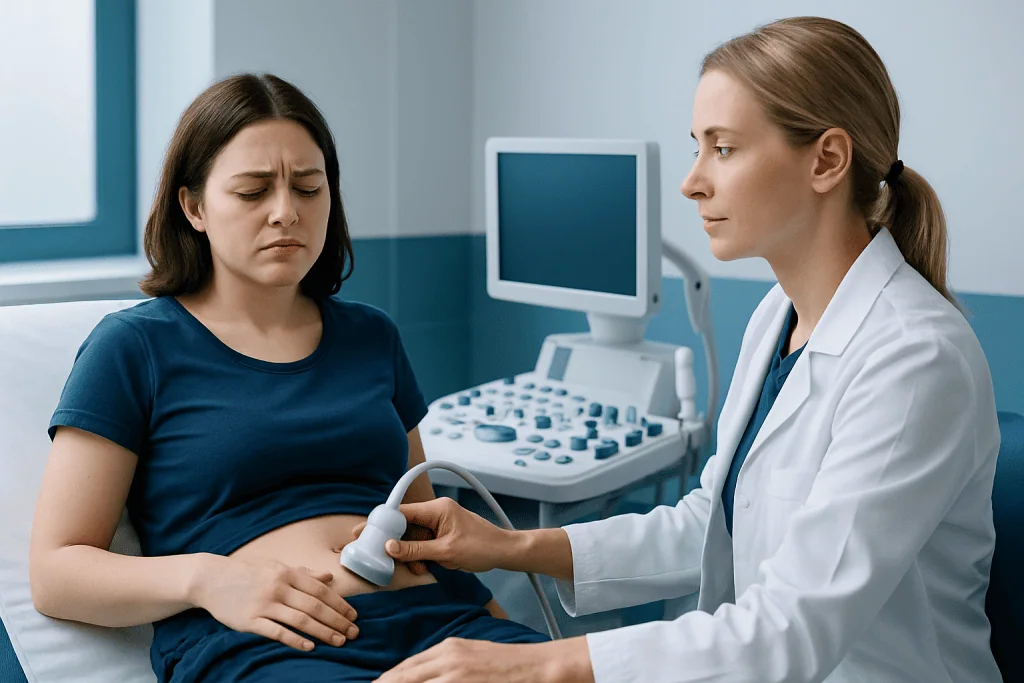
The symptoms of SIBO can vary from person to person. Some people notice mainly upper abdominal bloating and excess gas, while others are more troubled by diarrhea, abdominal pain, or a sense of fullness after eating only a small amount. Symptoms may come and go and are often worse after meals, especially meals rich in certain carbohydrates.
Common symptoms can include:
- Bloating or visible abdominal distension
- Excess gas or belching
- Abdominal discomfort or cramping
- Diarrhea
- Constipation, in some cases
- Nausea or a feeling of fullness
- Unintended weight loss
- Fatigue related to poor nutrient absorption
When SIBO is more prolonged or severe, it may lead to nutritional consequences. These can include low vitamin B12, iron deficiency, fat malabsorption, and deficiencies of other vitamins. Some people also have symptoms that overlap with irritable bowel syndrome or other digestive disorders, which is one reason medical assessment is helpful.
Causes and Risk Factors

SIBO usually develops when something changes the normal movement, structure, or defenses of the small intestine. Healthy intestinal motility helps move food and bacteria forward through the digestive tract. When this movement slows, bacteria may have more time to multiply. Structural issues that create pockets or block normal flow can have a similar effect.
Risk factors and contributing conditions may include:
- Previous abdominal surgery
- Reduced intestinal motility
- Anatomical abnormalities of the small intestine
- Conditions that affect the nerves or muscles of the gut
- Diabetes with nerve involvement
- Use of medicines that may reduce gut movement
- Immune system problems
- Chronic pancreatitis or other disorders that affect digestion
SIBO can also be associated with other digestive conditions, including celiac disease and inflammatory disorders of the bowel. In some patients, low stomach acid or changes in digestive secretions may play a role. Identifying the underlying cause matters because treatment is more effective when the factors that allowed SIBO to develop are addressed as well.
How SIBO Is Diagnosed
Diagnosis begins with a careful medical history and physical examination. A doctor will ask about the type of symptoms, how long they have been present, whether they are related to meals, and whether there are signs of weight loss, anemia, or vitamin deficiency. Because bloating and diarrhea have many possible causes, the doctor may also consider food intolerances, infections, malabsorption disorders, or Crohn’s disease.
Breath testing is one of the most commonly used tools to support the diagnosis of SIBO. In a breath test, the patient drinks a sugar solution, usually glucose or lactulose, and then breath samples are collected over time. Rising levels of hydrogen and sometimes methane in the breath can suggest that bacteria in the small intestine are fermenting the sugar earlier than expected.
Breath tests are helpful, but they are not perfect. Results can sometimes be difficult to interpret, and a positive or negative test does not always tell the whole story. For that reason, doctors usually interpret the test together with symptoms, medical history, and other findings. In selected cases, blood tests may be used to look for nutritional deficiencies or inflammation, and imaging or endoscopy may be considered to search for an underlying structural cause.
If symptoms are persistent, a gastroenterology evaluation may be recommended. Assessment may include gastroenterology care and, when needed, imaging or endoscopic evaluation to better understand why symptoms are happening and whether another condition is present.
Treatment Options
The main goals of treatment are to reduce excessive bacteria, relieve symptoms, correct nutritional problems, and manage the cause of the overgrowth. Treatment is individualized because SIBO can arise for different reasons and symptoms can differ in severity. A doctor will choose an approach based on the patient’s symptoms, breath test pattern, and overall medical picture.
Antibiotics are commonly used to lower bacterial overgrowth in the small intestine. The choice of medication depends on the person’s symptoms and clinical context. Some patients may improve significantly after a course of treatment, while others may need repeat treatment or a broader plan if symptoms return. It is important not to start or repeat antibiotics without medical advice.
Diet can also play a supportive role. Some people feel better when they reduce foods that are more easily fermented by gut bacteria. This may involve a structured eating plan supervised by a doctor or dietitian, rather than unnecessary long-term restriction. If nutrient deficiencies are present, supplements may be recommended to restore vitamin or mineral levels.
When an underlying digestive condition contributes to SIBO, treating that condition is essential. This may include support for motility disorders, management of pancreatic or intestinal disease, or evaluation with endoscopy when structural causes need to be identified. In selected patients with persistent symptoms, doctors may also consider broader digestive testing, including colonoscopy, depending on age, symptoms, and clinical findings.
Prevention and Self-Care
There is no single way to prevent SIBO in every person, especially when it is linked to another medical condition. However, reducing the chance of recurrence often involves managing the underlying cause, maintaining regular follow-up, and paying attention to patterns in digestion. Self-care is most effective when it complements professional medical guidance.
Helpful steps may include:
- Following the treatment plan provided by a doctor
- Keeping a symptom and food diary if meals seem to trigger symptoms
- Eating regular meals and avoiding unnecessary grazing if advised by a clinician
- Working with a dietitian before making major dietary restrictions
- Monitoring for weight loss, fatigue, or signs of deficiency
- Managing chronic conditions such as diabetes carefully
It is understandable to want quick relief from bloating and digestive discomfort, but very restrictive diets or repeated self-treatment can sometimes do more harm than good. A balanced approach is usually best. For patients who travel for care, Acibadem International’s multidisciplinary specialists in JCI-accredited hospitals diagnose and treat digestive conditions such as SIBO for international patients.
When to See a Doctor
A medical review is appropriate when bloating, gas, diarrhea, constipation, or abdominal pain continue for more than a short period, return often, or interfere with daily life. Symptoms that appear after many meals or that do not improve with basic dietary adjustments deserve proper assessment. Because SIBO symptoms are not specific, a doctor can help rule out other causes and decide whether testing is needed.
More urgent medical attention is important if digestive symptoms are accompanied by significant weight loss, vomiting, dehydration, black stools, blood in the stool, persistent fever, severe abdominal pain, or signs of anemia such as unusual fatigue or dizziness. These features are not typical of simple indigestion and should not be ignored.
People who have had abdominal surgery, have known digestive diseases, or live with conditions that affect gut movement may benefit from earlier evaluation if symptoms begin. Timely diagnosis can make treatment more straightforward and may help prevent nutritional complications.
Frequently asked questions
What is the difference between SIBO and IBS?
SIBO and IBS can cause similar symptoms, including bloating, abdominal discomfort, and changes in bowel habits. IBS is a functional gut disorder, while SIBO refers to excessive bacterial growth in the small intestine. Some people with IBS-like symptoms may also have SIBO, so a doctor may consider testing in selected cases.
How accurate is a SIBO breath test?
A SIBO breath test is useful, but it is not perfect. Results can be influenced by the type of sugar used, preparation before the test, and individual differences in digestion and intestinal transit. Doctors usually interpret the test together with symptoms and the overall clinical picture.
Can SIBO cause constipation as well as diarrhea?
Yes. Although diarrhea is common, some people with SIBO mainly experience constipation, often along with bloating and abdominal discomfort. Methane-producing organisms in the gut are thought to be linked with slower intestinal movement in some patients.
Does SIBO always come back after treatment?
Not always, but recurrence can happen, especially if the underlying cause remains. For example, problems with intestinal motility or structural changes in the gut can increase the chance of symptoms returning. Follow-up care and management of contributing conditions can help reduce recurrence.
Can diet alone cure SIBO?
Diet may help reduce symptoms and support treatment, but it does not always remove the underlying bacterial overgrowth on its own. Many patients need a broader plan that may include antibiotics, nutritional support, and treatment of contributing conditions. A doctor or dietitian can help choose a safe and realistic approach.
Is SIBO serious?
SIBO is often manageable, but it should not be dismissed when symptoms are ongoing. In some people, it can lead to poor absorption of nutrients, weight loss, or vitamin deficiencies if left untreated. Medical evaluation is important to confirm the diagnosis and look for any underlying cause.
References
- National Institute of Diabetes and Digestive and Kidney Diseases
- American College of Gastroenterology
- National Health Service
- Merck Manual
- World Gastroenterology Organisation
This article is for general information only and is not a substitute for professional medical advice. Please consult a qualified doctor about your individual situation.
Persistent digestive symptoms? Get evaluated in Turkey
JCI-accredited · board-certified surgeons · reply within 24h
Add us as a Preferred Source to see more of our trusted health content across Google Search, AI Overviews and Discover.