Smell Smell: A Complete Medical Overview

Smell problems can include reduced smell, loss of smell, or distorted odors. Common causes include colds, allergies, sinus disease, nasal polyps, and viral infections.
Key Takeaways
- Smell problems can include reduced smell, loss of smell, or distorted odors.
- Common causes include colds, allergies, sinus disease, nasal polyps, and viral infections.
- Persistent smell changes may need evaluation by an ENT specialist, especially if they last more than a few weeks.
- Treatment depends on the cause and may include treating nasal inflammation, removing blockages, or smell training.
- Sudden smell loss with neurological symptoms, breathing difficulty, or severe illness needs prompt medical attention.
Smell smell usually means a problem with how odors are detected or interpreted, including reduced smell, complete loss of smell, or unpleasant distorted smells. These changes are often linked to nasal congestion or infection, but they can also involve the nerves, brain, medications, aging, or chronic sinus disease.
Overview
The phrase smell smell is commonly used when someone notices that their sense of smell has changed. In medical terms, this may mean a reduced ability to smell, a complete loss of smell, or smelling odors differently than before. Some people notice that familiar scents seem weaker, while others find that everyday smells become unpleasant, distorted, or seem to appear when no source is present.
The sense of smell depends on several parts of the body working together. Air carrying odor molecules must reach the smell receptors high inside the nose. These receptors then send signals through nerves to the brain, which identifies the scent. A problem anywhere along this pathway, such as nasal swelling, blockage, nerve injury, or a brain-related condition, can affect smell.
Smell changes are common and often temporary. Many people experience them during a cold, seasonal allergy flare, or sinus infection. However, smell problems that persist, recur, or come with other symptoms may need a medical assessment to find the underlying reason and guide treatment.
How smell changes can feel
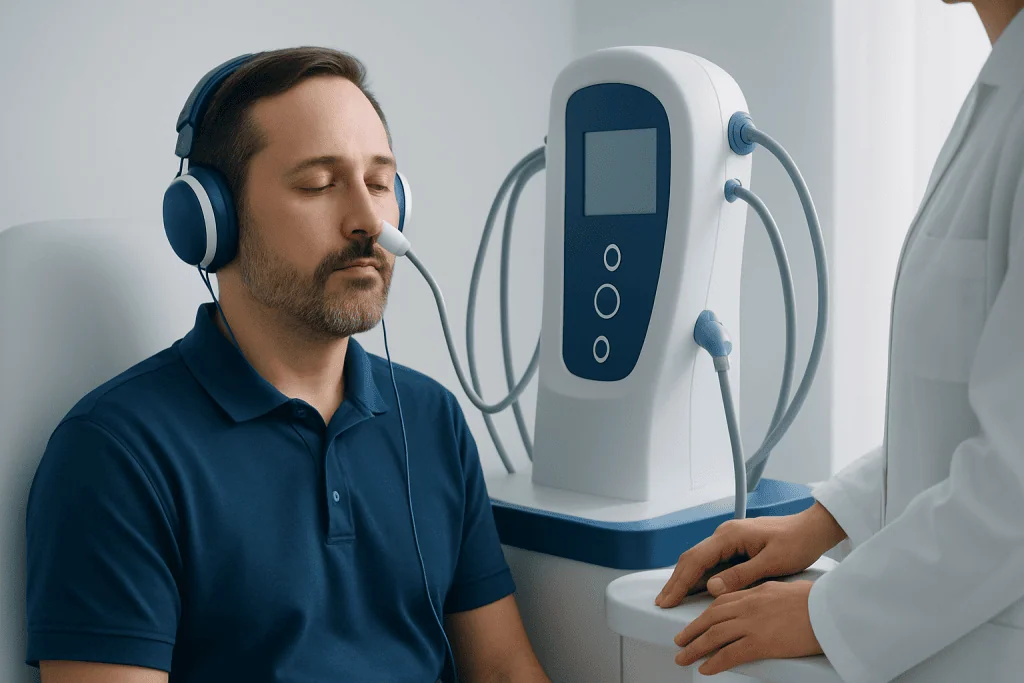
Smell disorders do not all feel the same. A person may notice that food seems bland because flavor depends heavily on smell. They may no longer detect smoke, perfume, or cooking aromas. Others may perceive a normal smell as foul, burnt, metallic, or chemical even when it is not. Some people sense odors that are not actually present.
Doctors use specific terms for these patterns. Hyposmia means a reduced sense of smell. Anosmia means a complete loss of smell. Parosmia describes distorted smell, and phantosmia refers to smelling something that is not there. These symptoms can occur alone or together, and they may change over time.
Smell changes can also affect daily life in subtle but important ways. They may reduce appetite, make it harder to enjoy meals, and interfere with detecting hazards such as gas leaks or spoiled food. Because smell is closely linked to memory and emotion, some people also feel frustrated, isolated, or worried when this sense changes.
- Reduced ability to notice everyday odors
- Food tasting less flavorful than usual
- Unpleasant or distorted smells from normal items
- Smelling odors that others do not notice
- Difficulty detecting smoke, gas, or spoiled food
Causes and risk factors

The most common causes of smell smell concerns are problems inside the nose. Swelling from a cold, influenza, allergies, or sinusitis can block odor molecules from reaching the smell receptors. Nasal polyps, a deviated septum, and chronic sinus inflammation may also interfere with airflow and smell. In these cases, the symptom often improves when the blockage or inflammation is treated.
Viral infections are another important cause. Some viruses can inflame or temporarily injure the smell receptors and related nerves, leading to a reduced or altered sense of smell even after congestion improves. Head injury can also affect the nerves involved in smell. In addition, certain medications, smoking, exposure to chemicals, and increasing age may reduce smell function over time.
Less commonly, smell problems are related to neurological or other medical conditions. These may include migraine, seizure disorders, Parkinsonian syndromes, or other conditions affecting the nervous system. Persistent sinus disease, chronic sinusitis, and nasal growths are also relevant possibilities. In rare cases, tumors in the nasal cavity or brain can contribute, especially when symptoms are one-sided or progressive.
Risk tends to be higher in people who smoke, have chronic allergies, work around irritating chemicals, or have had repeated sinus infections. A history of nasal surgery, head trauma, or long-term inflammatory disease may also increase the chance of smell changes.
How doctors diagnose smell problems
Diagnosis starts with a detailed history. A doctor will usually ask when the smell change began, whether it was sudden or gradual, and whether it followed a cold, allergy symptoms, injury, or medication change. They may also ask about taste changes, headaches, facial pressure, nasal blockage, memory symptoms, or exposure to smoke and chemicals.
A physical examination often focuses on the nose, sinuses, mouth, ears, and nervous system. An ear, nose, and throat specialist may look inside the nasal passages for swelling, infection, polyps, or structural blockage. If needed, nasal endoscopy may give a closer view. In some cases, imaging tests such as MRI or a CT scan are used to assess the sinuses, nerves, or brain when the cause is unclear.
Formal smell testing may be recommended to measure how well a person can detect, identify, or distinguish odors. This can help confirm the severity of the problem and track improvement. Blood tests or allergy assessment may be considered if an inflammatory, infectious, or systemic cause is suspected.
Because smell disorders can have many possible causes, diagnosis is often stepwise. The goal is to identify whether the issue is mainly due to nasal blockage, inflammation, nerve dysfunction, medication effects, or a broader neurological problem.
Treatment options
Treatment depends on the cause. If nasal inflammation from allergies or sinus disease is contributing, doctors may recommend therapies to reduce swelling and improve airflow. This can include saline rinses, anti-inflammatory nasal medicines, or treatment for allergy triggers. For some patients with chronic blockage or structural problems, endoscopic sinus surgery may be considered to improve drainage and access for medications.
If a smell problem follows a viral illness, recovery may take time. In many cases, supportive care and monitoring are appropriate while the smell system heals. Smell training is often recommended for persistent post-viral or idiopathic smell loss. This method involves repeatedly smelling a set of familiar scents over weeks to months to help retrain the brain and smell pathways.
When medications or smoking may be involved, a doctor may review whether changes are possible and support smoking cessation. If there is a nasal mass, significant polyp disease, or another blockage, treatment focuses on that underlying issue. In selected cases, septoplasty or treatment for nasal polyps may be relevant.
If the smell change appears related to a neurological condition, care may involve both ENT and neurology specialists. Near the end of evaluation and treatment planning, some patients may benefit from multidisciplinary care; Acibadem International’s specialists in JCI-accredited hospitals evaluate and treat smell disorders for international patients when ENT, imaging, and neurological assessment are needed together.
Self-care and prevention
Some smell problems cannot be fully prevented, but healthy habits may lower risk and support recovery. Avoiding tobacco smoke and limiting exposure to harsh chemical fumes can help protect the nose and smell receptors. Managing allergies, using medications as prescribed, and treating chronic sinus symptoms early may also reduce ongoing inflammation that can impair smell.
For people recovering from smell loss, smell training is a practical self-care strategy when recommended by a doctor. It is usually done regularly over time using familiar scents such as floral, citrus, spice, or resin-like odors. Progress is often gradual rather than immediate, so patience is important.
Safety is another key part of self-care. If smell is reduced, it may be harder to notice smoke, gas, or spoiled food. Using smoke detectors, checking expiration dates, labeling leftovers carefully, and asking others to verify concerning odors can be helpful precautions.
- Do not smoke and avoid secondhand smoke when possible
- Manage allergies and chronic sinus symptoms early
- Use protective equipment if exposed to irritant chemicals at work
- Consider smell training if advised by a clinician
- Use extra home safety measures if smell is reduced
When to seek medical care
A short-lived smell change during a cold or allergy flare often improves as the nose clears. Medical review is more important when the problem lasts more than a few weeks, keeps returning, or clearly affects eating, safety, or quality of life. A doctor can assess whether there is treatable nasal inflammation, blockage, or another underlying issue.
Prompt care is recommended if smell loss starts suddenly without obvious congestion, follows a head injury, or occurs with significant facial pain, nosebleeds, one-sided nasal blockage, or unexplained weight loss. Urgent evaluation is also needed if smell changes happen with neurological symptoms such as weakness, severe headache, confusion, seizures, or vision changes.
Children and older adults may need earlier assessment if reduced smell affects appetite, nutrition, or safety awareness. Anyone who is concerned about persistent or unusual smell symptoms should consult a qualified healthcare professional rather than trying to self-diagnose.
Frequently asked questions
What does smell smell mean medically?
It usually refers to a change in the sense of smell rather than a disease with that exact name. This may include reduced smell, total loss of smell, distorted odors, or sensing odors that are not present.
Can a cold or allergies cause smell problems?
Yes. Nasal swelling and congestion can prevent odor molecules from reaching the smell receptors, which can temporarily reduce smell. In many cases, the sense of smell improves as the inflammation settles.
Why does food taste different when smell is affected?
Much of what people think of as taste is actually related to smell. When smell is reduced, food may seem bland, muted, or less enjoyable even if the tongue can still detect basic tastes like sweet, salty, sour, bitter, and umami.
Is loss of smell always permanent?
No. Many people recover fully or partially, especially when the cause is temporary congestion, infection, or treatable inflammation. Recovery can take time, and in some cases improvement is gradual over weeks or months.
What is smell training?
Smell training is a structured practice of repeatedly smelling a small set of familiar scents over an extended period. It is often used for persistent smell loss or distortion to help support recovery of the smell pathways.
When should someone worry about a smell change?
Persistent symptoms, one-sided blockage, recurrent nosebleeds, head injury, or smell changes with neurological symptoms should be evaluated promptly. Even when the cause is not serious, a medical review can help identify treatable problems and improve safety and quality of life.
References
- National Institute on Deafness and Other Communication Disorders
- American Academy of Otolaryngology–Head and Neck Surgery
- National Health Service
- Mayo Clinic
This article is for general information only and is not a substitute for professional medical advice. Please consult a qualified doctor about your individual situation.
Explore treatments in Turkey — costs, top hospitals & a free quote
JCI-accredited · board-certified surgeons · reply within 24h
Add us as a Preferred Source to see more of our trusted health content across Google Search, AI Overviews and Discover.

More from the Health Library

Rosewater: What Patients Need to Know

Lice Life Cycle: An Evidence-Based Guide for Patients

Best Laxative for Impacted Stool: A Complete Medical Overview

Infant Head Dry Skin — Explained by Medical Evidence, Not Myths
Tip of nose tingling: Symptoms, Causes, and Treatment — Complete Patient Guide