Smokers Lungs — Explained by Medical Evidence, Not Myths
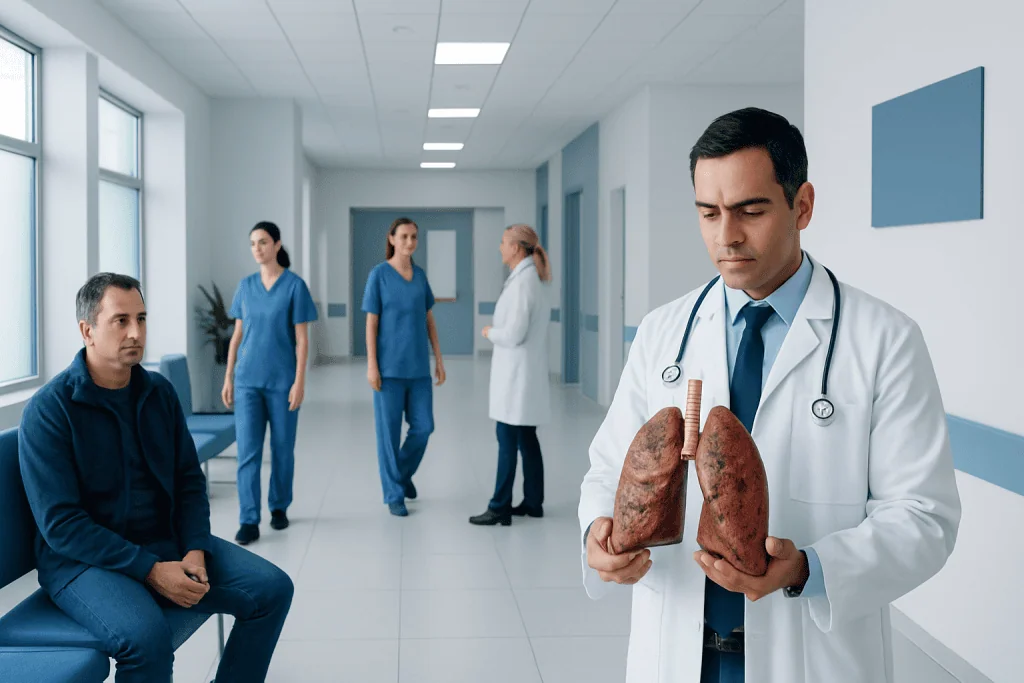
“Smokers lungs” is not a formal diagnosis, but it describes real smoking-related lung damage. Smoking harms the airways and air sacs, making breathing less efficient over time.
Key Takeaways
- “Smokers lungs” is not a formal diagnosis, but it describes real smoking-related lung damage.
- Smoking harms the airways and air sacs, making breathing less efficient over time.
- Common effects include chronic cough, mucus production, shortness of breath, and reduced exercise tolerance.
- Some improvement begins after quitting, but long-term or severe damage may not fully reverse.
- Doctors use history, lung function tests, imaging, and sometimes lab tests to assess smoking-related lung problems.
- Persistent breathing symptoms, coughing blood, chest pain, or unexplained weight loss need medical review.
Smokers lungs is a non-medical term for the visible and functional changes that happen in the lungs after exposure to tobacco smoke. Medical evidence shows that smoking can inflame airways, damage air sacs, reduce oxygen exchange, and increase the risk of chronic lung disease, infections, and cancer.
What “smokers lungs” means
Smokers lungs refers to lungs that have been changed by repeated exposure to tobacco smoke. It is not a single disease name. Instead, it is a general way people describe the inflammation, irritation, mucus buildup, airway narrowing, and tissue damage that smoking can cause over time.
Medical evidence shows that cigarette smoke contains many toxic chemicals and fine particles. These substances irritate the lining of the breathing tubes, reduce the ability of the lungs to clear mucus, and damage the tiny air sacs where oxygen moves into the blood. As this process continues, breathing can become less efficient and everyday activities may feel more tiring.
The term may also be used when doctors find conditions linked to smoking, such as chronic bronchitis, emphysema, or chronic obstructive pulmonary disease (COPD). Smoking is also a major risk factor for lung cancer, though not every smoker develops cancer and not every breathing symptom means cancer is present.
Importantly, stopping smoking can still help at any stage. While some structural damage may be permanent, quitting reduces ongoing injury, improves circulation and airway function, and lowers the risk of future complications.
How smoking changes the lungs
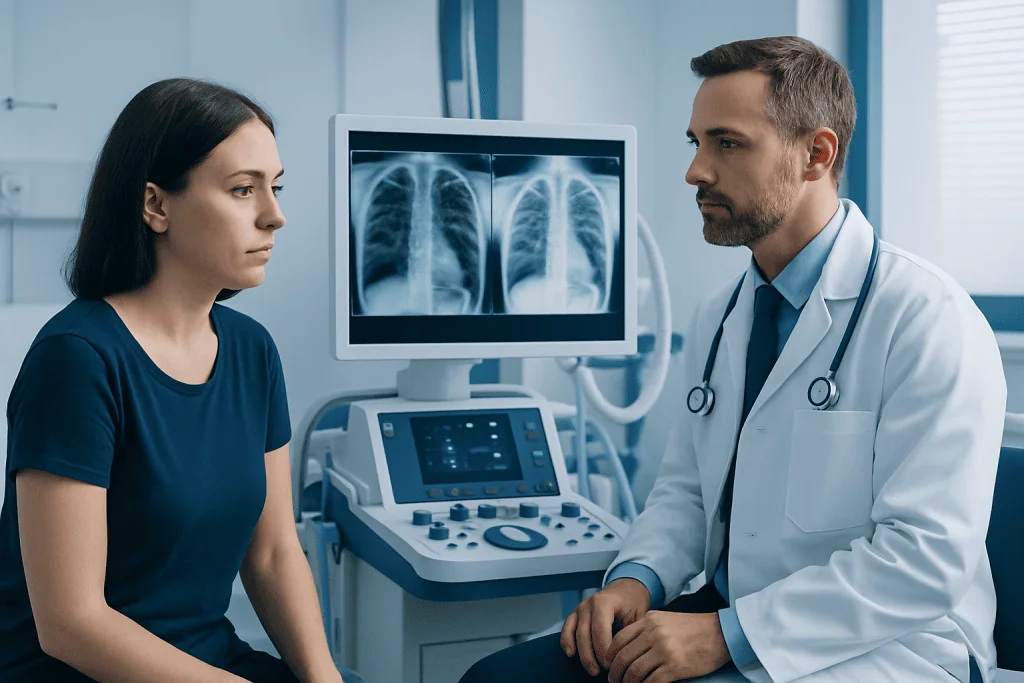
Healthy lungs have flexible airways, tiny hair-like structures called cilia that help clear mucus, and millions of small air sacs that expand and contract easily. Tobacco smoke disrupts each of these protective systems. The airways become inflamed, cilia work less effectively, and mucus is more likely to collect in the breathing tubes.
Over time, the walls of the air sacs can break down. This reduces the surface area available for oxygen exchange and may lead to emphysema, a form of chronic lung damage. When less oxygen moves into the blood efficiently, a person may notice shortness of breath, lower stamina, and difficulty recovering after physical activity.
Smoking also weakens local immune defenses inside the lungs. This makes respiratory infections more likely and can slow recovery after illnesses such as bronchitis, influenza, or pneumonia. In some people, smoking-related inflammation contributes to wheezing and can worsen asthma symptoms.
These changes do not always cause immediate symptoms. A person may feel relatively well for years while damage gradually develops. That is one reason screening, early evaluation, and smoking cessation support are important even before severe symptoms appear.
Symptoms and signs linked to smokers lungs
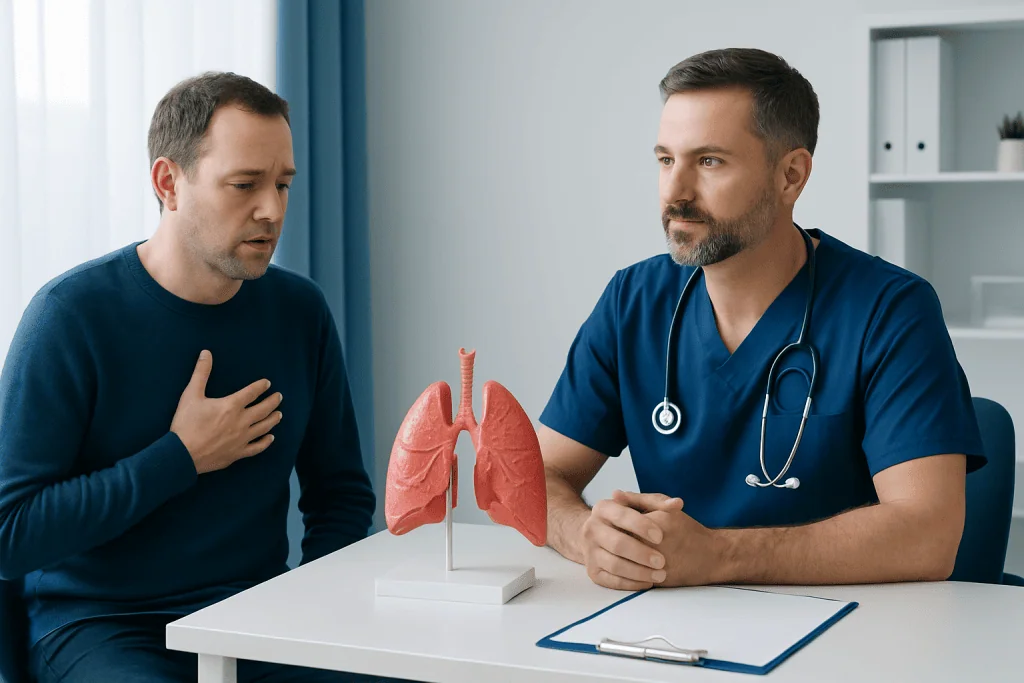
The most familiar sign is a persistent cough, especially a cough that produces mucus. Some people notice this more in the morning, while others have symptoms throughout the day. Breathlessness during climbing stairs, brisk walking, or exercise can also be an early clue that lung function has changed.
Other symptoms may include wheezing, chest tightness, frequent chest infections, reduced exercise capacity, and a feeling of not being able to take a full breath. In more advanced disease, fatigue, unintentional weight loss, and trouble doing routine tasks may occur.
Signs that doctors may detect include reduced breath sounds, prolonged exhalation, abnormal lung function tests, and imaging findings that suggest chronic damage. However, symptoms alone cannot show exactly what type of problem is present. A long-standing cough in a smoker can come from chronic bronchitis, COPD, infection, reflux, or other causes.
Because of this, it is helpful not to assume every cough is simply “normal for smokers.” Ongoing symptoms deserve assessment, especially if they are new, worsening, or accompanied by coughing up blood, chest pain, fever, or unexplained weight loss.
Who is at risk and what affects the degree of damage
The greatest risk factor is the amount and duration of tobacco exposure over time. In general, the more a person smokes and the longer they smoke, the more likely they are to develop measurable lung damage. Exposure to secondhand smoke, occupational dusts or fumes, and air pollution can add to the burden on the lungs.
Not all smokers experience the same level of harm. Genetics, childhood lung development, asthma history, prior respiratory infections, and overall health can influence how the lungs respond. Some people develop symptoms earlier than others even with similar smoking histories.
Other tobacco and nicotine products may also affect respiratory health. Cigars, pipes, and some forms of inhaled smoking products still expose the airways to irritating particles and chemicals. “Light” or filtered cigarettes do not make smoking safe, and switching products does not reliably prevent lung damage.
People with existing respiratory disease may be especially vulnerable. Smoking can worsen conditions such as asthma and chronic bronchitis and can accelerate the decline seen in COPD. It also raises the risk of serious complications after surgery and can affect recovery from infections.
How doctors evaluate smoking-related lung damage
Assessment starts with a careful medical history. A doctor usually asks about smoking habits, secondhand smoke exposure, symptoms, work environment, exercise tolerance, and past respiratory illnesses. This conversation helps guide which tests are most useful.
One common test is spirometry, which measures how much air a person can breathe in and out and how quickly. It can help detect airflow limitation and support the diagnosis of COPD or other obstructive lung conditions. Imaging, such as a chest X-ray or CT scan, may be used when doctors need to look for emphysema, infection, suspicious nodules, or other structural changes.
Blood oxygen measurement, laboratory tests, and sometimes sputum testing may also be recommended depending on the symptoms. In people at high risk, doctors may discuss whether lung cancer screening is appropriate. If a suspicious finding is seen, further evaluation may involve bronchoscopy or other specialized tests.
The goal of evaluation is not only to label damage, but to identify what can be treated and what can be prevented from worsening. Early diagnosis often makes symptom control and long-term care more effective.
Treatment and what recovery can look like
The most important treatment is stopping smoking. Quitting does not erase all prior injury, but it reduces further harm and can lead to meaningful improvement in coughing, mucus production, circulation, and lung irritation. Many people also notice better energy, taste, and exercise tolerance over time.
Medical treatment depends on the condition found. For smoking-related airway disease, doctors may prescribe inhaled medicines to open the airways or reduce inflammation. Respiratory rehabilitation, vaccinations, treatment of infections, and guidance on physical activity can also be part of care. If a person has severe emphysema or another advanced problem, more specialized approaches may be discussed, including lung transplant in selected cases.
When suspicious lesions or confirmed cancer are present, treatment is guided by the exact diagnosis and stage. Depending on the situation, options may include lung cancer treatment and, in some cases, robotic surgery as part of a broader treatment plan. Treatment decisions are individualized and made after specialist review.
Recovery after quitting usually happens in stages. Airway irritation may begin to ease within weeks to months, and the rate of lung function decline slows. However, advanced emphysema or scarring does not usually fully reverse, which is why earlier action is so valuable.
Prevention, self-care, and protecting lung health
The most effective way to prevent smokers lungs is not to smoke, or to stop if smoking has already begun. Quitting support can include counseling, behavioral strategies, and clinician-guided use of cessation aids. Many people need more than one attempt before quitting for good, and that is a common part of the process rather than a failure.
Daily habits can also support lung health. These include staying physically active within personal limits, keeping vaccinations up to date, avoiding indoor smoke and irritating fumes, and following treatment plans for asthma or other chronic conditions. Good hydration and regular movement may help with mucus clearance in some people.
People who currently smoke should be cautious about dismissing symptoms or delaying checkups. Regular medical follow-up can help identify changes before they become severe. For those eligible by age and smoking history, a doctor may recommend low-dose CT screening for lung cancer.
Near the end of treatment planning or follow-up, some patients benefit from coordinated care among pulmonologists, radiologists, thoracic surgeons, and oncology teams. Acibadem International’s multidisciplinary specialists and JCI-accredited hospitals diagnose and treat smoking-related lung conditions for international patients when specialist evaluation is needed.
When to seek medical care
Medical review is important if a person has a cough lasting more than a few weeks, breathlessness that is new or worsening, wheezing, repeated chest infections, or a drop in exercise tolerance. These symptoms do not always mean severe disease, but they should not be ignored.
Urgent assessment is needed for coughing up blood, chest pain, blue lips, severe shortness of breath, confusion, high fever with breathing difficulty, or sudden worsening after a respiratory illness. These can point to conditions that need prompt treatment.
People with a current or former smoking history should also speak with a doctor about preventive care. This may include lung function testing, smoking cessation support, vaccination, and discussion of screening when appropriate. Early attention often gives more options and can improve quality of life.
Frequently asked questions
Are smokers lungs a real medical diagnosis?
No. “Smokers lungs” is an informal term rather than a formal diagnosis. Doctors usually identify the specific problem behind the term, such as chronic bronchitis, emphysema, COPD, infection, or another lung condition.
Can lungs heal after quitting smoking?
Some healing begins after smoking stops, especially in airway irritation and mucus clearance. The rate of lung function decline also slows. However, severe structural damage such as advanced emphysema is often permanent, even though quitting still provides major health benefits.
How can someone tell if smoking has damaged their lungs?
Symptoms such as chronic cough, mucus, wheezing, and shortness of breath can suggest damage, but they are not specific on their own. A doctor may use spirometry, imaging, oxygen measurement, and a clinical exam to understand what changes are present.
Do only heavy smokers get smoking-related lung disease?
No. Heavy, long-term smoking raises risk the most, but there is no completely safe level of smoke exposure. Genetics, asthma, workplace exposures, infections, and secondhand smoke can also affect how much harm occurs.
Is coughing normal if a person smokes?
A smoker’s cough is common, but it should not be assumed to be harmless. Persistent or changing cough can reflect ongoing airway irritation, chronic bronchitis, infection, or other conditions that need assessment. Coughing up blood should always be reviewed promptly.
What tests are used to check smokers lungs?
Doctors often start with spirometry to measure airflow and a clinical history of smoking and symptoms. Depending on the situation, they may also order a chest X-ray, CT scan, blood oxygen test, or other investigations to look for infection, emphysema, COPD, or cancer.
References
- World Health Organization
- Centers for Disease Control and Prevention
- American Lung Association
- National Heart, Lung, and Blood Institute
- Global Initiative for Chronic Obstructive Lung Disease
This article is for general information only and is not a substitute for professional medical advice. Please consult a qualified doctor about your individual situation.
Oncology care in Turkey — second opinion and treatment plan
JCI-accredited · board-certified surgeons · reply within 24h
Add us as a Preferred Source to see more of our trusted health content across Google Search, AI Overviews and Discover.