Smoking after Surgery: Procedure, Recovery and Results

Smoking and nicotine can impair wound healing by narrowing blood vessels and reducing oxygen available to tissues. Smoking after a procedure increases the risk of chest complications, infection, blood clots and delayed recovery.
Key Takeaways
- Smoking and nicotine can impair wound healing by narrowing blood vessels and reducing oxygen available to tissues.
- Smoking after a procedure increases the risk of chest complications, infection, blood clots and delayed recovery.
- Stopping even a few days before surgery can offer benefits, while longer smoke-free periods generally provide greater protection.
- Anesthesiologists need an accurate smoking and vaping history to plan safer anesthesia and monitoring.
- The timing for restarting smoking is individualized, but surgeons commonly advise avoiding all tobacco and nicotine until healing is complete.
- Support for quitting, including counseling and clinician-guided medicines, can make a smoke-free recovery more achievable.
Smoking after surgery can reduce oxygen delivery to healing tissues and increase the likelihood of complications involving the wound, lungs, heart and blood vessels. The safest approach is to avoid cigarettes, vaping and other nicotine products before and throughout recovery, following the surgical team’s individual advice.
Smoking after surgery: the short answer
Smoking after surgery is not recommended because tobacco smoke and nicotine can interfere with the body’s ability to heal. They can reduce blood flow and oxygen delivery, irritate the airways, and increase the chances of wound problems, infection, blood clots and breathing complications after anesthesia.
The most protective plan is to stop smoking as early as possible before an operation and remain smoke-free during recovery. A surgeon, anesthesiologist or primary care clinician can give personalized guidance based on the procedure, medical history and use of cigarettes, vapes, cigars, heated tobacco or nicotine products.
This article explains how smoking affects surgical recovery, what to expect when stopping, and when medical advice is needed. It applies to many types of operations, although the exact risks and recovery instructions vary for abdominal, orthopedic, heart, lung, reconstructive and other procedures.
How smoking affects the body around an operation
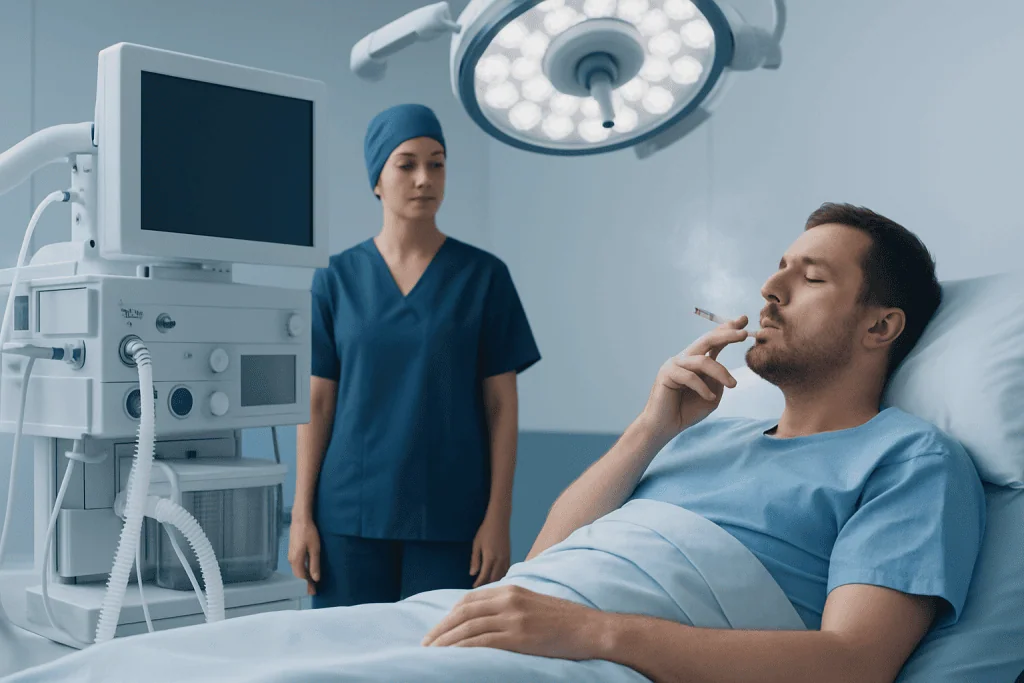
Healing after an operation depends on a reliable supply of oxygen, nutrients and immune cells to the incision and surrounding tissues. Nicotine constricts blood vessels, while carbon monoxide in cigarette smoke reduces the amount of oxygen carried in the blood. Other chemicals in smoke can affect inflammation and the body’s immune response.
Smoking also makes the lungs produce more mucus and can impair the small airway-clearing structures known as cilia. After general anesthesia, coughing effectively and taking deep breaths may already be more difficult because of pain, fatigue or limited mobility. Smoking can add to this burden and raise the risk of lung-related complications.
These effects are especially relevant in procedures where blood supply is central to the result, such as skin-flap or reconstructive operations, bone healing procedures and some plastic surgeries. For patients considering reconstructive care, clinicians may discuss plastic and reconstructive surgery plans alongside a clear nicotine-free period.
Nicotine exposure is not limited to cigarettes. Vapes, e-cigarettes, nicotine pouches, chewing tobacco, cigars, hookah and nicotine replacement products may require specific discussion with the surgical team. Nicotine replacement can be helpful for quitting in many circumstances, but it should not be started, stopped or continued around surgery without individualized clinical advice.
What happens if you smoke while recovering from surgery?
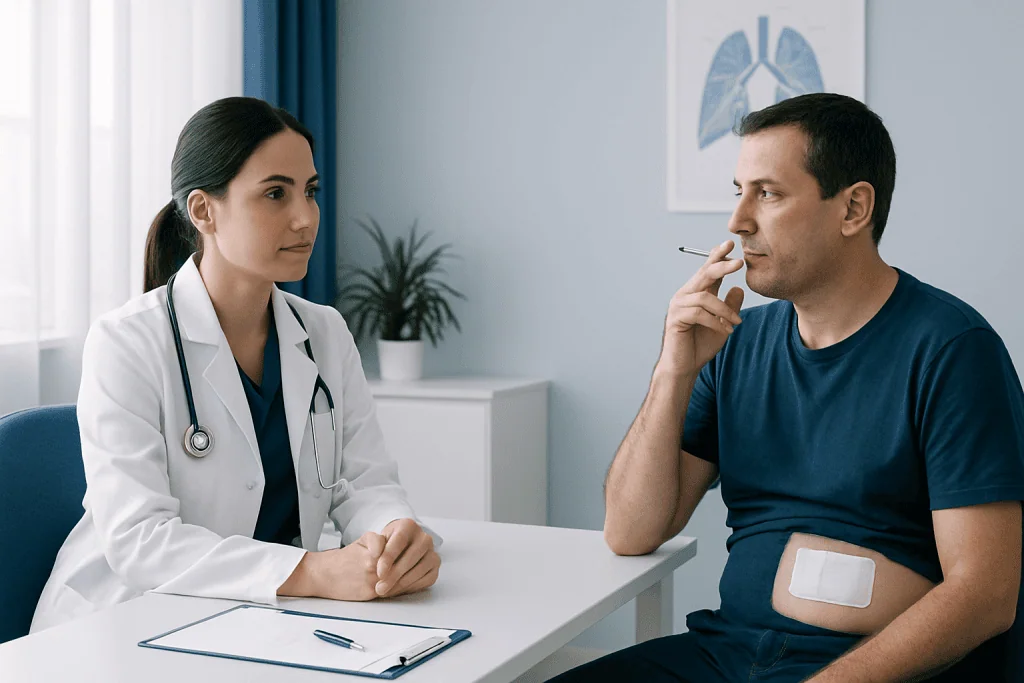
If someone smokes while recovering from surgery, healing may take longer and the risk of complications can rise. Possible problems include an incision that opens or heals slowly, increased scar concerns, skin or tissue damage related to poor circulation, and wound infection. The degree of risk depends on the type of operation, amount smoked, nicotine exposure and individual health factors.
Smoking during recovery can also affect the lungs and circulation. It may increase coughing, mucus production and shortness of breath, and can contribute to complications such as pneumonia in susceptible patients. Reduced mobility after surgery already raises the risk of blood clots, and smoking is an additional vascular risk factor for some individuals.
Smoking after a procedure should be reported honestly to the care team, particularly if there is worsening pain, drainage, fever, breathlessness or a change in incision color. The purpose is not judgment; it allows clinicians to assess healing accurately and recommend appropriate care.
Smoking after surgery risks may be higher for people with diabetes, vascular disease, chronic lung disease, obesity, sleep apnea, anemia, immune suppression or a history of wound problems. The same is true when an operation involves bone fusion, grafts, implants or tissue transferred from another part of the body.
Planning a smoke-free surgery and recovery
A preoperative assessment usually includes questions about cigarettes, vaping, cannabis, alcohol and medicines. This is part of surgical safety planning. Patients should share how often they use these products, when they last used them, and whether they have symptoms such as cough, wheeze or shortness of breath.
Candidacy for surgery is considered individually. For elective procedures, a surgeon may recommend postponing an operation until a patient has been nicotine-free for a defined period, particularly when the procedure depends heavily on healthy circulation or tissue healing. This is intended to reduce preventable complications and improve the chance of an uncomplicated recovery.
A practical smoking cessation plan can include setting a quit date, removing tobacco products from the home, identifying triggers and arranging support from a clinician or cessation service. Prescription medicines and nicotine replacement therapies may be appropriate for some people, but should be selected with the clinician who understands the surgery and medical history.
Patients should not stop prescribed medicines on their own. They should also avoid assuming that vaping or “light” cigarettes are safe alternatives for smoking surgery recovery. The surgical team can explain which products should be avoided and for how long.
What happens if you stop smoking for 5 days?
Stopping smoking for 5 days before surgery can begin to improve the body’s recovery environment. Carbon monoxide levels fall after smoking stops, which helps the blood carry oxygen more effectively. Airway irritation and nicotine-related blood vessel narrowing may also start to lessen.
Five days without smoking is worthwhile, even though it does not remove all smoking-related surgical risk. In general, a longer period of abstinence before surgery provides more opportunity for circulation, lung function and immune responses to improve. The surgical team may recommend several weeks of cessation when the procedure can safely be planned that way.
Some people notice cravings, irritability, difficulty concentrating or changes in sleep when they stop. These are common nicotine withdrawal symptoms and often improve over time. Supportive strategies, including counseling and clinician-guided treatment, can help patients remain smoke-free through the perioperative period.
For urgent or emergency surgery, there may not be time to stop well in advance. It is still helpful to avoid smoking from that point onward and to tell the team about recent tobacco or nicotine use. Care can then be adjusted to reduce avoidable risk.
Can an anesthesiologist tell if you're a smoker?
An anesthesiologist may suspect smoking exposure from a person’s history, symptoms, breathing examination or certain clinical findings, but they should not have to guess. Open communication is safer than trying to conceal smoking, vaping or other inhaled substance use.
Smoking can affect airway reactivity, mucus production, oxygen levels and the response to anesthesia. Knowing about current or previous smoking helps the anesthesia team plan the type of anesthesia, monitoring, pain management and steps used to protect breathing during and after the operation.
Patients should also mention cannabis smoking or vaping, as well as nicotine pouches, heated tobacco, cigars and hookah. These products can have different effects, but all can matter to anesthesia and postoperative recovery planning.
Information shared with the anesthesiologist is used for clinical care. It should be provided as accurately as possible, including the timing of the last use, because this may influence whether a non-urgent procedure should proceed or be rescheduled.
How long does it take to smoke after surgery?
There is no universal safe time to smoke after surgery. In general, patients are advised not to restart smoking or use nicotine during the healing period, because early recovery is when wounds, lungs and circulation may be most vulnerable. The appropriate length of abstinence depends on the operation and the person’s health.
For operations involving skin flaps, grafts, cosmetic or reconstructive procedures, bone healing, vascular surgery or chest surgery, surgeons may require a longer nicotine-free period. Patients should follow the specific instructions provided by their surgeon rather than using a fixed number of days found online.
Before leaving the hospital or surgical center, patients can ask for clear written guidance about tobacco, vaping, nicotine replacement, cannabis and secondhand smoke. Avoiding secondhand smoke is also sensible because it can irritate healing airways and may make cravings harder to manage.
Acibadem International’s multidisciplinary specialists and JCI-accredited hospitals support international patients with individualized surgical assessment and recovery planning. For elective surgery, discussing smoking cessation early can help the care team coordinate the safest possible pathway.
When to seek medical care
Patients should contact their surgical team promptly if they develop increasing redness, warmth, swelling, worsening pain, pus-like drainage, a bad smell from the incision, or a fever as defined in their discharge instructions. New opening of the wound, darkening skin around an incision, or persistent bleeding also needs urgent assessment.
Emergency care is needed for severe or sudden shortness of breath, chest pain, coughing blood, fainting, confusion, or signs of a possible blood clot such as new one-sided leg swelling and pain. These symptoms can have serious causes and should not be attributed to smoking alone.
For less urgent concerns, patients can contact the surgeon or primary care clinician for help managing cravings, withdrawal symptoms or a return to smoking. Early support can protect the recovery process and support longer-term health.
Frequently asked questions
Is vaping safer than smoking after surgery?
Vaping is not considered a safe substitute during surgical recovery. Many vaping products contain nicotine, which can narrow blood vessels and interfere with healing, while inhaled aerosols may irritate the airways. Patients should tell their surgical team about all vaping products and follow individualized instructions.
Should a patient tell the surgeon if they smoked shortly before surgery?
Yes. Sharing recent smoking or nicotine use helps the surgeon and anesthesiologist assess risk and make safer decisions about anesthesia, monitoring and recovery care. The information is used to support care, not to judge the patient.
Can smoking cause a surgical wound to open?
Smoking can contribute to delayed wound healing and may increase the risk of wound separation in some patients. It is one of several factors, alongside infection, tension on the wound, poor circulation and certain medical conditions. Any opening of an incision should be reported to the surgical team promptly.
Does one cigarette after surgery matter?
Even one cigarette exposes the body to nicotine, carbon monoxide and other harmful chemicals that can affect blood flow and oxygen delivery. A single episode does not mean a complication will occur, but avoiding further smoking and contacting the care team for advice is the safest response.
Can nicotine patches be used after surgery?
Nicotine patches and other nicotine replacement products may be useful for quitting, but the right choice depends on the operation and the surgeon’s instructions. Some procedures require complete nicotine avoidance because of healing concerns. Patients should ask their surgeon, anesthesiologist or smoking cessation clinician before using them.
Why is quitting smoking before surgery important?
Quitting before surgery can improve oxygen delivery, reduce airway irritation and support wound healing. Benefits can begin soon after stopping, and longer periods without smoking generally offer greater protection. It is helpful to begin as early as possible, even if surgery is scheduled soon.
References
- World Health Organization
- American Society of Anesthesiologists
- Centers for Disease Control and Prevention
- American College of Surgeons
- National Institute for Health and Care Excellence
This article is for general information only and is not a substitute for professional medical advice. Please consult a qualified doctor about your individual situation.
Explore treatments in Turkey — costs, top hospitals & a free quote
JCI-accredited · board-certified surgeons · reply within 24h
Add us as a Preferred Source to see more of our trusted health content across Google Search, AI Overviews and Discover.