

Soft Foods after Surgery: Procedure, Recovery and Results
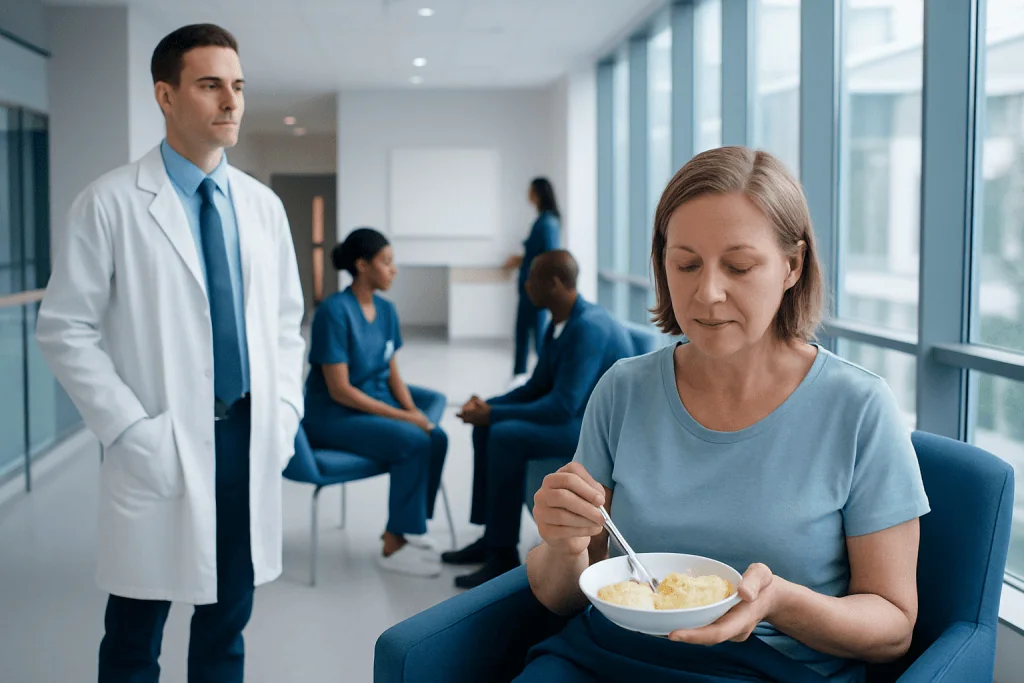
A soft-food diet is often temporary and should progress only as advised by the surgical team. Protein, fluids and adequate calories support wound healing, strength and recovery.
Key Takeaways
- A soft-food diet is often temporary and should progress only as advised by the surgical team.
- Protein, fluids and adequate calories support wound healing, strength and recovery.
- Soft foods are not always appropriate immediately after surgery; some procedures require clear liquids or other specific stages first.
- Food texture matters as much as food type: choose moist, tender and easily mashed options.
- Persistent vomiting, inability to drink, worsening pain or signs of infection need prompt medical advice.
Soft foods after surgery are easy-to-chew, easy-to-swallow foods that can help a person meet nutrition and fluid needs when appetite, chewing, swallowing or digestion is temporarily affected. The right diet varies by procedure, so the surgical team’s instructions should always take priority over general advice.
Overview: Why Soft Foods Are Used After Surgery
Soft foods after surgery are foods with a smooth, tender or easily mashed texture that require little chewing and are generally easier to swallow and digest. They may be recommended after dental, mouth, throat, gastrointestinal, abdominal or bariatric procedures, as well as when a person has nausea, fatigue or a sore throat after anesthesia. The aim is to maintain fluids and nutrition without placing unnecessary strain on healing tissues.
There is no single postoperative soft-food plan. After some operations, a person starts with nothing by mouth for a period, then moves through clear liquids, full liquids, pureed foods and soft solids. Others may return to regular foods quickly. The procedure performed, anesthesia effects, bowel function, swallowing safety, medications and individual recovery all influence the plan.
A soft diet is usually a bridge back to normal eating rather than a treatment in itself. It can support comfort and energy intake, but it does not replace follow-up care. A surgeon, dietitian or specialist nurse can provide individualized advice about textures, portion sizes and the pace of dietary advancement.
How the Postoperative Diet Plan Works
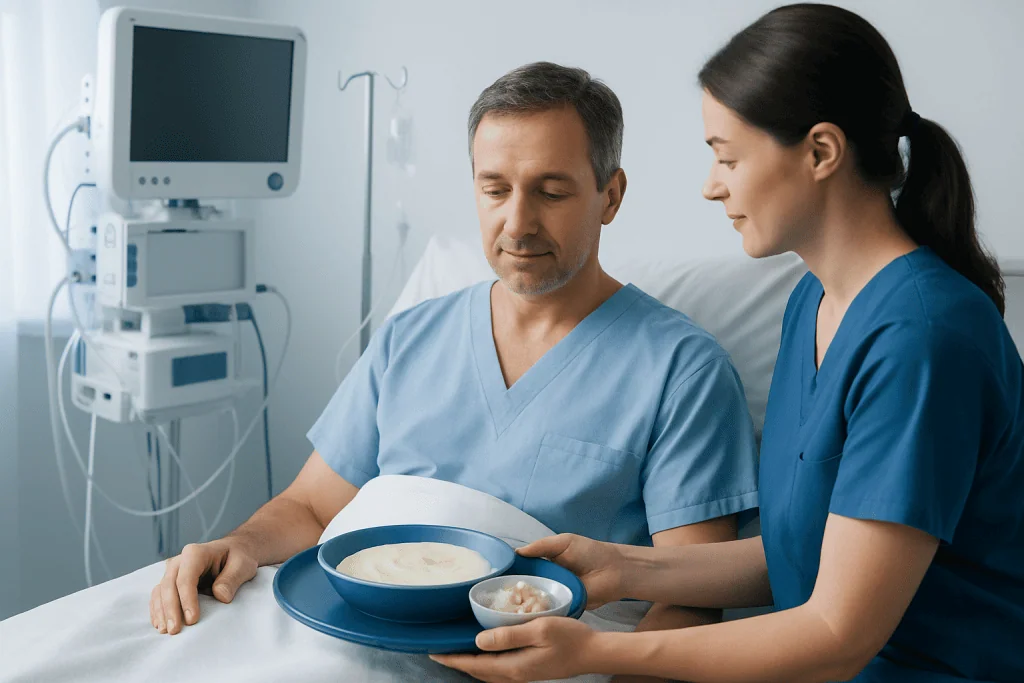
The postoperative diet plan is designed to match the body’s ability to safely swallow, digest and absorb food during healing. Healthcare professionals may assess alertness after anesthesia, nausea and vomiting, bowel sounds or passage of gas, abdominal symptoms, wound healing, and any surgical restrictions before advising a person to eat.
For many procedures, the plan moves in stages. Clear liquids may include water, broth or oral rehydration drinks. Full liquids can include milk, smooth soups and yogurt, where permitted. Pureed foods have a completely smooth consistency. Soft foods are tender, moist foods that can often be cut with a fork or mashed easily. A regular diet is introduced when it is tolerated and medically appropriate.
People recovering from surgery involving the mouth or throat may need foods that avoid irritation and protect surgical areas. Those having digestive or abdominal surgery may be asked to choose lower-fiber, lower-fat or smaller meals for a time. Following the procedure-specific plan matters more than reaching a particular dietary stage quickly.
Who May Need Soft Foods and What to Expect

Soft foods may be useful for people who have discomfort with chewing, temporary swallowing difficulty, nausea, reduced appetite or digestive sensitivity after surgery. They are commonly considered after oral and dental procedures, tonsil or throat surgery, jaw surgery, upper gastrointestinal surgery, some bowel operations, and bariatric procedures. However, some patients will have different requirements, including texture-modified diets assessed by a swallowing specialist.
Soft foods after abdominal surgery are not automatically required for everyone. In some cases, the care team may encourage early eating as tolerated; in others, bowel surgery or complications may require a more gradual plan. The individual should avoid assuming that a soft diet is safer than the discharge instructions provided by the surgical team.
Benefits can include easier eating, improved hydration, reduced discomfort and a practical way to maintain protein intake. Possible drawbacks arise when the diet becomes too limited or continues for too long, potentially reducing fiber, calories, vitamins or protein. Choosing varied, nutrient-dense foods and reviewing prolonged restrictions with a clinician can help prevent this.
Can You Give Me a List of Soft Foods?
A practical soft foods after surgery list includes foods that are moist, tender and easy to chew. Preparation is important: foods may need to be cooked until soft, finely chopped, blended, moistened with sauce or broth, or mashed. Foods that are dry, crunchy, sticky, tough, spicy or very hot may be uncomfortable or unsuitable, depending on the surgery.
- Plain or Greek yogurt, smooth cottage cheese, custard and pudding
- Scrambled or softly cooked eggs
- Oatmeal, cream of wheat, soft porridge and well-cooked cereal
- Mashed potatoes, sweet potatoes, pumpkin or other well-cooked mashed vegetables
- Applesauce, mashed banana, soft canned fruit in juice, or ripe peeled fruit when allowed
- Well-cooked pasta, soft rice, polenta or noodles with a smooth sauce
- Tender flaky fish, finely minced chicken or turkey with gravy, and soft tofu
- Blended lentil soups, smooth bean soups and well-cooked vegetables
Portions are often easier to manage when they are small and frequent. Drinks may be taken slowly between meals rather than with meals if the surgical team recommends this. For people with diabetes, kidney disease, food allergies or other medical needs, food selection should be adjusted with professional guidance.
What’s Good Soft Food to Eat While Recovering From Surgery?
Good soft food to eat while recovering from surgery combines comfort with nutritional value. Protein-rich choices are particularly useful because protein contributes to tissue repair and preservation of muscle. Examples include eggs, Greek yogurt, cottage cheese, soft fish, tofu, tender shredded meat moistened with sauce, and blended beans or lentils where tolerated.
Meals can be simple but balanced. A bowl of oatmeal with yogurt and mashed banana, scrambled eggs with mashed avocado, blended vegetable and lentil soup, or flaky fish with mashed sweet potato are examples of soft foods after a surgery. Suitable soft foods after surgery recipes often rely on blending, slow cooking or adding broth, yogurt, gravy or a mild sauce to prevent dryness.
Hydration is also important. Water, broth, milk, caffeine-free drinks and oral rehydration solutions may be appropriate depending on the individual plan. Alcohol should generally be avoided during recovery, especially while taking pain medicines or antibiotics. A clinician can advise when carbonated beverages, caffeine and acidic drinks should be reintroduced.
Is Mac & Cheese Soft Enough After Surgery?
Macaroni and cheese can be soft enough after surgery if the pasta is thoroughly cooked, the sauce is smooth, and the person has been cleared for soft solids. It may be easiest to tolerate when served moist, in a small portion and without crispy toppings. However, it is not suitable for every postoperative diet stage or every type of surgery.
After some abdominal, gastrointestinal or bariatric procedures, high-fat foods, large portions or dense cheese sauces may worsen nausea, fullness, reflux or diarrhea. After mouth or throat surgery, temperature and seasoning may also matter. The surgical team’s directions should determine whether macaroni and cheese is appropriate.
When it is allowed, mac and cheese can be made more nutritionally useful by adding smooth pureed vegetables, soft minced protein or a higher-protein dairy component, if tolerated. It should be one option among several rather than the main source of nutrition throughout recovery.
Which Foods Speed Up Recovery After Surgery?
No single food can speed up recovery after surgery, but sufficient protein, calories, fluids and micronutrients help the body heal. Protein supports wound repair and immune function, while carbohydrates provide energy. Fruits and vegetables provide vitamins and minerals, and fluids support circulation, digestion and overall recovery.
When texture restrictions allow, helpful choices include eggs, dairy or fortified alternatives, fish, tofu, beans, lentils, soft poultry, cooked vegetables, fruit purees and whole grains prepared until tender. Vitamin C-containing foods, such as citrus-free fruit purees, berries blended into yogurt, cooked peppers or potatoes, can be included if they fit the diet plan. Iron-containing foods and zinc-containing foods may also be important for some patients, but supplements should only be used when advised by a clinician.
Some factors can interfere with healing. Smoking and nicotine products reduce blood flow and can delay recovery. Excess alcohol, dehydration, poorly controlled blood glucose and restrictive dieting may also make recovery more difficult. A registered dietitian can be especially helpful when appetite is low or restrictions are expected to last beyond a short period.
Recovery Timeline, Safety and When to Seek Medical Care
The timeline for returning to regular food depends on the operation and the person’s recovery. Some people progress within days, while others need soft foods for weeks or longer. The safest approach is to advance textures only when swallowing is comfortable, nausea is controlled, bowel function is returning as expected and the treating team agrees that it is appropriate.
Contact the surgical team promptly for persistent vomiting, inability to keep fluids down, increasing trouble swallowing, severe or worsening abdominal pain, marked bloating, ongoing diarrhea, constipation that is not improving, or signs of dehydration such as very dark urine, dizziness or very little urination. Fever, increasing redness, drainage or worsening pain around an incision also require medical advice. Emergency assessment is needed for difficulty breathing, chest pain, fainting, confusion, vomiting blood or black stools.
At Acibadem International, multidisciplinary specialists in JCI-accredited hospitals can help international patients plan nutrition and recovery after surgery, alongside procedure-specific follow-up. For personalized instructions, patients should speak with their surgeon or treating healthcare team before changing their diet.
Frequently asked questions
How long should someone eat soft foods after surgery?
The duration depends on the operation, the reason for the diet and how recovery is progressing. Some people need soft foods for only a few days, while others may need them for several weeks. The surgeon or dietitian should advise when it is safe to move to more textured foods.
What foods should be avoided on a soft diet after surgery?
Foods that are hard, crunchy, dry, sticky, tough or difficult to chew are often avoided. Examples may include nuts, popcorn, crusty bread, raw vegetables, tough meat and foods with seeds, depending on the procedure. Spicy, acidic, very hot or greasy foods may also be unsuitable for some people.
Can a person eat ice cream after surgery?
Ice cream may be allowed after certain procedures because it is smooth and cool, but this depends on the care plan. Its sugar and fat content can worsen nausea or digestive symptoms for some people, and it is not a complete recovery food. A small amount may be appropriate when approved by the surgical team.
Are smoothies considered soft foods after surgery?
Smoothies may fit a soft-food or full-liquid plan if they are completely blended and contain no seeds, skins, nuts or chunks. Their suitability depends on the surgery, especially after gastrointestinal or bariatric procedures where ingredients and volume may be restricted. Protein-containing smoothies can be helpful when recommended by a clinician.
Should soft foods be blended after surgery?
Not always. Soft foods are often tender enough to mash with a fork, while pureed foods need to be blended until fully smooth. A person should follow the prescribed texture level, since a puree may be necessary when chewing or swallowing is unsafe.
What if a person has no appetite after surgery?
Reduced appetite is common for a short time after surgery due to anesthesia, pain, medications and fatigue. Small, frequent meals and nourishing drinks may be easier than large meals. If poor appetite continues, weight loss occurs, or fluids cannot be maintained, the surgical team should be contacted.
References
- American Society for Enhanced Recovery
- Academy of Nutrition and Dietetics
- National Health Service
- MedlinePlus
- World Health Organization
This article is for general information only and is not a substitute for professional medical advice. Please consult a qualified doctor about your individual situation.
Medical weight-loss options in Turkey — costs & eligibility
JCI-accredited · board-certified surgeons · reply within 24h
Add us as a Preferred Source to see more of our trusted health content across Google Search, AI Overviews and Discover.
Check your numbers in seconds
BMI, calories, due date, blood pressure and 30+ more clinical calculators — free, instant, doctor-reviewed ranges.

More from the Health Library



Related Specialists

Psk. Mehmet Güney Ziyalan
Psychology
Prof. Dr. Ahmet Öztürk
Hematology
Fzt. Gülşen Küçükdemirbaş
Physical Medicine & Rehabilitation
Dr. Yusuf Emre Uzun
Internal Medicine