Spina Bifida Occulta and Spina Bifida — Explained by Medical Evidence, Not Myths

Spina bifida is a neural tube defect present from birth, and it includes several forms with different levels of severity. Spina bifida occulta often causes no symptoms and is sometimes found by chance on imaging.
Key Takeaways
- Spina bifida is a neural tube defect present from birth, and it includes several forms with different levels of severity.
- Spina bifida occulta often causes no symptoms and is sometimes found by chance on imaging.
- More complex forms, such as meningocele and myelomeningocele, can affect movement, sensation, bladder, bowel, and orthopedic health.
- Folic acid before and during early pregnancy lowers the risk of neural tube defects but does not prevent every case.
- Diagnosis may happen before birth with prenatal screening or after birth with physical examination and imaging.
- Treatment depends on the type and symptoms and may involve monitoring, rehabilitation, surgery, and long-term multidisciplinary care.
Spina bifida occulta and spina bifida are related birth differences that happen when the spine and spinal tissues do not form completely during early pregnancy. Spina bifida occulta is usually the mildest form and may cause no symptoms, while other types can involve the spinal cord or nerves and may require ongoing medical care.
What spina bifida occulta and spina bifida mean
Spina bifida occulta and spina bifida are birth conditions in which the bones of the spine, and sometimes the tissues around the spinal cord, do not close completely during fetal development. They belong to a group called neural tube defects. The neural tube is the early structure that develops into the brain, spinal cord, and surrounding tissues.
Medical evidence shows that these conditions are not all the same. Spina bifida occulta is usually the mildest form. In many people, it causes no symptoms because the spinal cord and nerves are in their usual position, even though a small part of the vertebra may not have fully fused. In contrast, other forms of spina bifida may involve a sac-like opening, exposed nerves, or changes in spinal cord position that can affect movement, sensation, and bladder or bowel function.
This distinction matters because myths often treat every form of spina bifida as identical. In reality, the outlook depends on the exact type, which part of the spine is affected, and whether the nerves are involved. A careful diagnosis helps families understand what kind of monitoring or treatment is needed and what may not be necessary.
Types of spina bifida and how they differ
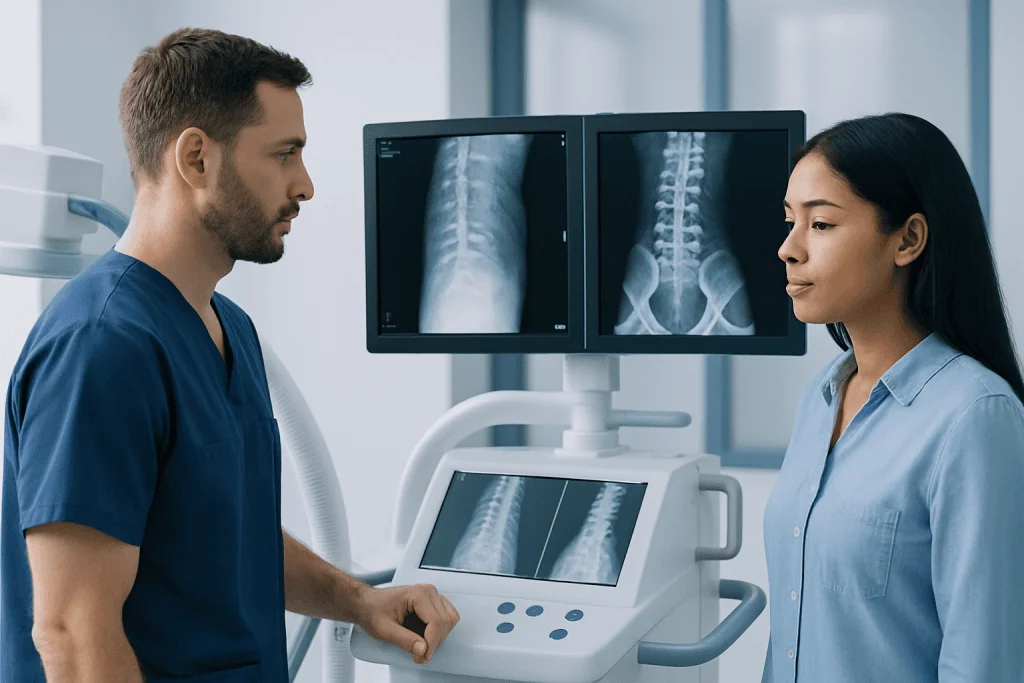
Doctors generally describe spina bifida in several forms. Spina bifida occulta means a hidden opening in one or more vertebrae. It is often discovered incidentally during an X-ray or scan done for another reason. Many people with occulta never know they have it and do not develop complications.
Meningocele is less common. In this form, the protective coverings around the spinal cord push out through an opening in the spine and form a fluid-filled sac. The spinal cord itself may remain in a more normal position, but the condition still needs specialist assessment because nerve-related symptoms can occur.
Myelomeningocele is the most complex and medically significant form. In myelomeningocele, the spinal cord and nerves protrude through the opening in the spine. This can lead to weakness or paralysis in the legs, altered sensation, orthopedic changes, and bladder or bowel dysfunction. It is the form most people mean when they use the term spina bifida in a general way, and it may be associated with conditions such as hydrocephalus.
Some children and adults may also have related spinal cord problems, such as a tethered cord, in which the spinal cord is abnormally attached and stretched as the body grows. This can happen with different spinal abnormalities and may cause new symptoms over time, even after earlier treatment.
Symptoms and signs: from none at all to nerve-related problems

Symptoms vary widely. Spina bifida occulta often causes no symptoms at all. When signs are present, they may be subtle, such as a small patch of hair, a dimple, a birthmark, or a fatty lump over the lower back. These skin findings do not always mean there is a spinal problem, but they can sometimes prompt further evaluation.
When the nerves or spinal cord are involved, symptoms can be more noticeable. A child may have weakness in the legs, difficulty walking, foot deformities, scoliosis, or reduced feeling in the lower body. Some children develop trouble with bladder control, bowel function, or recurrent urinary tract infections because the nerves that control these functions are affected.
Symptoms can also change with age. Some babies are diagnosed at birth, while others are identified later because of delayed motor milestones, chronic constipation, back or leg pain, worsening gait, or new urinary symptoms. In adolescents and adults, symptoms sometimes emerge if there is a tethered spinal cord or another associated problem that places tension on the nerves.
- Commonly asymptomatic: many cases of spina bifida occulta
- Possible visible signs: skin dimple, hair tuft, fatty lump, discoloration over the spine
- Possible nerve-related signs: leg weakness, balance problems, numbness, orthopedic changes
- Possible bladder and bowel signs: urgency, leakage, constipation, repeated infections
Causes, risk factors, and common myths
Spina bifida develops very early in pregnancy, often before a person knows they are pregnant. The exact cause is not always known. Evidence suggests that it usually results from a combination of genetic predisposition and environmental factors rather than a single cause. It is not caused by something a parent did or did not do in a simple sense, and blame is not medically helpful.
One of the best-established risk factors is inadequate folate intake before conception and during early pregnancy. This is why folic acid supplementation is recommended for people who may become pregnant. Even so, folic acid reduces risk; it does not eliminate it completely. Some pregnancies affected by spina bifida occur despite appropriate vitamin use.
Other recognized risk factors include certain anti-seizure medications, poorly controlled diabetes, obesity, high body temperature early in pregnancy from fever or overheating, and a personal or family history of neural tube defects. Genetic counseling may be helpful for some families, especially when there has been a previous affected pregnancy.
Several myths are worth correcting. Spina bifida is not contagious. Spina bifida occulta is not automatically dangerous or disabling. And finding an opening in the spine on imaging does not always explain back pain or other symptoms; many adults with occulta have unrelated causes of pain. The right interpretation depends on the full clinical picture.
How doctors diagnose spina bifida
Spina bifida may be diagnosed before birth or after birth. During pregnancy, screening can include blood tests, detailed ultrasound, and in some cases fetal MRI or additional specialist evaluation. Prenatal imaging helps clarify the type of spinal defect, whether the brain is also affected, and what care may be needed at delivery and afterward.
After birth, diagnosis begins with a physical examination. Doctors look for visible spinal findings, leg movement, reflexes, muscle tone, and signs of bladder or bowel involvement. If spina bifida occulta or another hidden spinal abnormality is suspected, imaging studies may be recommended. In infants, ultrasound can sometimes evaluate the spine before the bones fully harden; MRI is often used for a more detailed assessment.
Further tests depend on symptoms. A child with urinary issues may need kidney and bladder evaluation. A child with weakness or foot changes may need orthopedic assessment and rehabilitation input. If hydrocephalus is suspected, brain imaging may be required. Diagnosis is therefore not just about naming the spinal condition, but also understanding how it affects everyday function and long-term health.
In more complex cases, care is often coordinated by a multidisciplinary team that may include pediatrics, neurosurgery, neurology, orthopedics, urology, rehabilitation specialists, and specialized nursing support.
Treatment options and long-term care
Treatment depends on the type of spina bifida and whether symptoms are present. Spina bifida occulta without symptoms often does not need active treatment. Instead, a doctor may recommend observation and follow-up if there are concerning skin findings, pain, changes in walking, or bladder symptoms that raise the possibility of a tethered cord or another associated problem.
For meningocele or myelomeningocele, treatment may include surgery to protect the spinal tissues and reduce the risk of infection or further nerve injury. Some newborns need early repair, while others need additional procedures later, depending on complications and associated conditions. If hydrocephalus develops, management may include procedures designed to relieve fluid buildup, such as hydrocephalus treatment. In selected patients with spinal cord tethering, doctors may discuss tethered cord syndrome treatment.
Long-term management often focuses on function and quality of life. Physical therapy can support strength, mobility, and balance. Orthopedic treatment may help with scoliosis, hip problems, or foot deformities. Children and adults with bladder or bowel dysfunction may need structured bladder care, continence strategies, or support from urology and rehabilitation teams. Some patients benefit from assessment by specialists experienced in spine surgery when structural issues are contributing to symptoms.
Because needs can change as a child grows, follow-up is important even after successful early treatment. Many people with spina bifida attend school, work, and participate in family and community life with the right support. Near the end of a treatment journey, some international patients seek coordinated care at centers such as Acibadem International, where multidisciplinary specialists and JCI-accredited hospitals evaluate and treat complex spinal conditions.
Prevention, daily self-care, and living well
The most effective prevention strategy known today is adequate folic acid intake before conception and in early pregnancy. Since the neural tube closes very early, supplementation is most protective when it starts before pregnancy begins. People planning a pregnancy should discuss the right folic acid plan with a qualified clinician, especially if there has been a previous neural tube defect or if specific medications are involved.
For those already living with spina bifida, self-care focuses on protecting function and preventing complications. This may include regular follow-up appointments, monitoring skin health and pressure areas, staying physically active within safe limits, and using rehabilitation plans or mobility aids when needed. Bladder and bowel routines can also make a major difference to comfort, continence, and kidney health.
Families often benefit from practical planning rather than fear-based information. Helpful goals include encouraging age-appropriate independence, watching for new symptoms, keeping vaccinations and general pediatric care up to date, and communicating openly with school and therapy teams when extra support is needed. Adults with spina bifida may also benefit from ongoing attention to bone health, mobility, and urinary care.
When to seek medical care
Medical assessment is important if a newborn has a visible sac or opening over the spine, unusual skin findings along the midline back, weak leg movement, or problems with bladder or bowel function. Prompt evaluation helps clarify whether the nerves are involved and whether any urgent treatment is needed.
Children or adults should also seek medical advice for new or worsening back pain, leg weakness, changes in walking, numbness, repeated urinary infections, new incontinence, or persistent constipation that may suggest nerve involvement. These symptoms do not always mean spina bifida is the cause, but they should not be ignored.
Routine care is equally important for people already diagnosed with spina bifida. Follow-up helps doctors recognize changes early, including signs of tethered cord, orthopedic problems, or complications involving hydrocephalus. A qualified doctor can advise on the right timing of imaging, specialist referral, and ongoing support.
Frequently asked questions
Is spina bifida occulta the same as spina bifida?
Spina bifida occulta is one form within the broader category of spina bifida. It is usually the mildest type and often does not affect the spinal cord or nerves, while other forms can cause more significant neurological and physical problems.
Can someone have spina bifida occulta and never know it?
Yes. Many people with spina bifida occulta have no symptoms and only learn about it when imaging is done for another reason. When symptoms do occur, doctors look carefully to see whether there is another related spinal issue, such as tethering of the cord.
Does spina bifida always cause paralysis?
No. The effects of spina bifida vary widely depending on the type and how much the nerves are involved. Some people have no symptoms at all, while others may have weakness, mobility limitations, or bladder and bowel difficulties.
Can folic acid prevent all cases of spina bifida?
Folic acid lowers the risk of neural tube defects and is strongly recommended before conception and in early pregnancy. However, it does not prevent every case, because spina bifida can involve several genetic and environmental factors.
How is spina bifida diagnosed during pregnancy?
Prenatal diagnosis may involve blood screening, detailed ultrasound, and sometimes fetal MRI. These tests help doctors assess whether a spinal defect is present and plan delivery and newborn care appropriately.
When does spina bifida need surgery?
Surgery is not needed for every person with spina bifida occulta. It is more often considered for conditions such as myelomeningocele, meningocele, hydrocephalus, or tethered cord, depending on symptoms, anatomy, and specialist assessment.
References
- Centers for Disease Control and Prevention
- National Institute of Neurological Disorders and Stroke
- National Institute for Health and Care Excellence
- World Health Organization
- Spina Bifida Association
This article is for general information only and is not a substitute for professional medical advice. Please consult a qualified doctor about your individual situation.
Joint and spine care in Turkey — expert assessment & treatment
JCI-accredited · board-certified surgeons · reply within 24h
Add us as a Preferred Source to see more of our trusted health content across Google Search, AI Overviews and Discover.

More from the Health Library

Prozac Overdose: What Patients Need to Know

Foot Joints: What Patients Need to Know

Spinal Muscular Atrophy — Explained by Medical Evidence, Not Myths

Melatonin: An Evidence-Based Guide for Patients

Peg Tube — Explained by Medical Evidence, Not Myths

Workout Splits — Explained by Medical Evidence, Not Myths
Orthopedic Surgery & Traumatology Specialists at Acibadem

Assoc. Prof. Dr. Bertan Cengiz
Orthopedic Surgery & Traumatology
Dr. Betül Toygar
Physical Medicine & Rehabilitation
Fzt. Beyza Nur Gündüz
Physical Medicine & Rehabilitation
Dr. Buğra Alpan
Orthopedic Surgery & Traumatology